Ayad Abid Muhmmed* | Hanaa Dakhil Ehaimed Al-Sultani | Ammar Ali Hussain Al-Filfily
© 2026 The authors. This article is published by IIETA and is licensed under the CC BY 4.0 license (http://creativecommons.org/licenses/by/4.0/).
OPEN ACCESS
This study examines the effect of resin rivet hole geometry, diameter, and configuration on the shear strength of hybrid adhesive-mechanical joints between aluminum (AA1050) and high-density polyethylene (HDPE) sheets. Holes were manufactured in the overlap zone for both single-hole and four-hole configurations, and all holes were filled and bonded using the unsaturated polyester resin (UPR). Three hole geometries were considered: cylindrical, toothed cylindrical and double-conical with diameters of 3 mm, 4 mm and 5 mm for two types of specimens (single hole and four hole). The shear performance of the joints was evaluated through tensile shear tests on lap joint specimens. The results revealed that the four-hole double-conical configurations with a 5 mm hole diameter achieved the highest average shear load, reaching approximately 1.224 kN. This behavior may be attributed to the improved mechanical interlocking and more gradual load transfer within the adhesive layer. Furthermore, increasing the number of holes significantly improved the load-bearing capacity for all geometries, confirming the positive effect of distributed mechanical interlocking. Failure analysis showed a transition from brittle adhesive failure in cylindrical joints to controlled cohesive failure in double-conical configurations. Overall, the results show that the optimization of hole geometry and resin rivet configuration, combined with the use of UPR adhesive bonding technology, can effectively improve structural mechanical consistency and damage tolerance of dissimilar aluminum-polyethylene hybrid joints for lightweight structures.
adhesive bonding, shear strength, polymer-metal hybrid joint, unsaturated polyester resin, mechanical interlocking, cohesive failure, high-density polyethylene
The growing need for lightweight, corrosion-resistant and economically viable materials in the transportation, energy and infrastructure industries has led to the extension and development of multi-material structures. Among the various combinations being explored, hybrid joints that combine metals and thermoplastics, particularly aluminum and high-density polyethylene (HDPE), have received considerable attention for their complementary mechanical and chemical properties. In this context. However, achieving a strong and durable bond between these two dissimilar materials remains a persistent challenge because of their incompatible surface energies, differing mechanical responses and mismatch in their thermal expansion coefficients compared to conventional joining techniques such as welding or mechanical fastening. Adhesive bonding technology can reduce local stress concentration, improve the fatigue resistance of structural components, and optimize overall sealing performance, with its advantages being especially prominent when joining dissimilar materials or thin-walled components [1, 2].
As a thermoset polymer, unsaturated polyester resin (UPR) has low cost, easy processability and excellent adhesion properties, and according to previous studies [3, 4], it has been widely used in composite material manufacturing. However, its adhesion behavior with low-surface-energy HDPE has still not been fully explored. However, UPR has excellent mechanical strength and good dimensional stability, and can bond a wide range of material types. It is a high-quality candidate material in the field of hybrid joints that offers both promising application prospects and economic viability, and its bonding potential urgently needs in-depth evaluation. Existing studies [5, 6] have only sparsely explored the bonding performance of UPR in metal-polymer systems, and there is a particular lack of relevant research under the shear loading conditions that are core to engineering practice. This study intends to fill this gap and systematically investigate the effects of hole geometric parameters and rivet quantity on the shear strength of UPR-bonded aluminum–high-density polyethylene (Al-HDPE) joints.
In recent years, many studies have focused on the influence of geometric configurations and material parameters on the performance of adhesive-bonded joints for composite material and metal systems. Roy Choudhury and Debnath [7] carried out research on the tensile and compressive properties of single-lap joints made of environmentally friendly composite materials, and found that specimen width and overlap length significantly affect joint strength. They also confirmed that epoxy adhesives have better mechanical properties than polyurethane adhesives, and proposed that adhesive selection is the core of joint design. Cui et al. [5] conducted a study on aluminum single-lap joints, exploring the effects of surface treatment and joint configuration parameters on shear strength. They concluded that surface roughness plays a decisive role in improving adhesive wettability and bonding efficiency, and that an optimal roughness exists to balance both strength improvement and peel stress control. The study by will be elaborated in subsequent sections. Likewise, investigated the strain rate sensitivity of adhesive joints composed of carbon fiber reinforced plastics and aluminum, finding that higher loading rates elevate the joint’s strength and alter its failure mode from adhesion to cohesive fracture or fiber rupture.
Although considerable progress has been achieved in enhancing the performance of composite-composite and metal-metal adhesive joints, relatively limited attention has been devoted to hybrid adhesive joints composed of aluminum and HDPE, especially those bonded with UPR. Despite the wide availability and favorable mechanical characteristics of UPR, its bonding efficiency with low surface energy thermoplastics such as HDPE has not been comprehensively investigated. Moreover, while many previous studies have explored a broad range of joint design parameters, only a limited number have specifically examined the influence of hole geometry in Al-HDPE hybrid joints. In addition, direct experimental evidence concerning the performance of mechanically interlocked UPR-bonded Al-HDPE joints remains limited [9, 10]. For example, Braga et al. [11] employed the finite element method to model crack initiation and propagation in adhesive joints, highlighting the importance of using appropriate fracture modeling techniques for accurate joint performance prediction. Similarly, Al‑Filfily et al. [5] used the finite element method for the same purpose. Other researchers, including Boutar et al. [1] and Muhmmed et al. [12], have focused on improving adhesion performance through surface modification techniques, such as laser engraving, which markedly increase the shear strength of single lap joints. Additionally, Abed and Battawi et al. [13] found that adding natural fish scale reinforcements to unsaturated polyester improves the material’s stiffness and creep resistance, verifying the effectiveness of polyester resin as a durable matrix for structural use. Roy Choudhury and Debnath [7] proposed that interfacial toughness strongly affects crack propagation under Mode II shear loading, a conclusion that is highly relevant to this study of UPR bonded hybrid joints.
Despite these existing advances, previous research has rarely explored, in Al-HDPE bonding systems, the impact of different hole configurations covering three shapes (cylindrical, toothed cylindrical and double-conical) and two-hole quantities (single-hole, four-hole) on joint strength and failure behavior [14].
Adhesion between polyethylene and aluminum has always been an extremely challenging technical problem. Its low HDPE surface energy and chemical inertness hinder adhesive wetting and interfacial bonding, an issue that is particularly prominent in structural scenarios that require high shear strength and long-term durability [15, 16]. Although conventional surface treatment and primer processes have been widely applied, research that directly uses UPR as an adhesive to fabricate Al-HDPE joints remains insufficiently explored, and systematic research on this topic is urgently needed. Additionally, the influence of hole geometry and diameter on the shear strength and failure mechanisms of such joints is not yet clear. The extended finite element formulation numerical models previously developed based on Abaqus are already capable of resolving stress distributions and predicting failure behaviors. Nevertheless, these models are still not experimentally validated for aluminum-polyethylene systems, thus leading to a lack of understanding of their real mechanical behavior [14, 15]. There have been numerous research activities; however, to the best of our knowledge, there exists a gap in such studies with respect to UPR and mechanical interlocking due to different hole geometries as a potential solution for the interfacial adhesion issues with the polyethylene surface.
The main objective of this study is to experimentally investigate the shear strength and failure modes of single-lap bonded aluminum to polyethylene using UPR. In this construction, the pre-drilled holes in the substrates are filled with UPR so that the adhesive performs a dual role of bonding and mechanical interlock. In this study, the effect of hole geometries (cylindrical, toothed cylindrical and double-conical), their diameters (3 mm, 4 mm and 5 mm) and the number of holes in one specimen (single or four holes) on joint performance, including maximum load carrying capacity and failure mode, is investigated. The experimental results are compared with previous studies in fracture mechanics and extended finite element simulations to assess the accuracy of the predictions. Additionally, the suitability of UPR as an effective adhesive for bonding dissimilar materials in structural applications is evaluated. The outcomes provide deeper insight into the structural performance of hybrid joints and offer practical guidance for optimizing the design of metal-polymer joints.
3.1 Materials
In this study, UPR was employed as the adhesive material to bond two dissimilar substrates, namely aluminum alloy AA1050 and HDPE sheets.
Table 1. Chemical composition of AA1050 [17]
|
Elements |
Fe |
Si |
Mn |
Mg |
Cu |
Ti |
Zn |
Al |
|
Standard [17] |
0.4 Max |
0.25 Max |
0.05 Max |
0.05 Max |
0.05 Max |
0.05 Max |
0.07 Max |
Balance |
|
This work |
0.234 |
0.078 |
0.006 |
0.0004 |
˃0.0005 |
0.004 |
0.014 |
Balance |
Table 2. Mechanical properties of AA1050 [17]
|
Property |
$\sigma_u$, MPa |
$\sigma_y$ (Proof Stress 0.2%), MPa |
|
Standard [17] |
˃95 |
˃51 |
|
This work |
119 |
112 |
Table 3. Mechanical properties of polymer sheets [18]
|
Polymer Sheets |
Ultimate Stress (MPa) |
Elongation (%) |
|
High-density polyethylene (HDPE) |
18 |
60 |
The aluminum alloy AA1050 in the form of flat sheets and size 100 × 25 × 2 mm is characterized by its high purity, moderate mechanical strength, good corrosion resistance and relatively low yield strength. Its chemical composition and mechanical properties are listed in Tables 1 and 2, confirming compliance with international standards [17].
HDPE sheets, purchased from a local engineering materials supplier in Baghdad, Iraq, were selected for this study. The sheets were cut into dimensions of 100 × 25 × 3 mm. HDPE was chosen due to its low density, toughness, and widespread industrial applications. As shown in Table 3, the HDPE used in this study exhibits an ultimate tensile strength of 18 MPa and an elongation at break of 60% [18].
The adhesive employed in this work was a UPR. The resin used was supplied by Saudi Industrial Resins (SIR) Company and it is a viscous transparent liquid at room temperature. The curing agent hardener was Methyl Ethyl Ketone Peroxide (MEKP), which is obtained from the same company, while the catalyst system was a liquid solution of cobalt octoate in dibutyl phthalate as an accelerator of the reaction. The hardener was added to the resin at 2 wt.% while the accelerator content was maintained at 0.5 wt.%. The resin, hardener, and accelerator were manually mixed and subsequently vacuum-degassed before being applied to the bonded region and drilled holes. The adhesive was then cured at room temperature for 24 h without post-curing treatment. The UPR was selected because it offers a practical combination of low cost, ease of handling and dependable bonding performance at polymer and metal joints. Although it is widely utilized in fiberglass and ceramic composites, its capability to bond low surface energy polymers such as PE has received limited experimental attention. This adhesive was chosen for its balanced mechanical strength, thermal stability and chemical resistance, making it a practical and efficient choice for assessing the bonding behavior of hybrid aluminum and polyethylene joints. The detailed mechanical and thermal characteristics of UPR are presented in Table 4 [18].
Table 4. Unsaturated polyester mechanical and physical properties [18]
|
Properties |
Value |
Condition |
|
Tensile strength (MPa) |
57–65 |
At break & at yield |
|
Elastic modulus (MPa) |
1932–3002 |
ASTM (D-638) |
|
Elongation at break (%) |
2–3 |
ASTM (D-638) |
|
Hardness |
68–78 |
Rockwell M |
|
Thermal conductivity (W/m) |
0.176–0.288 |
- |
|
Density (kg/m3) |
1.2 |
- |
3.2 Fabrication process
Specimens were prepared with consistent overlap length and adhesive thickness to evaluate the shear strength of the adhesive joint. Different resin rivet geometries and configurations were introduced to join the two substrates. Holes of various shapes and diameters were fabricated into both the aluminum and PE pieces before the bonding process. The three types of hole shapes considered were:
Cylindrical hole (traditional straight hole).
Toothed cylindrical hole (with internal serrations).
Double-conical hole (flared from both ends).
In this study, the term “resin rivet” refers to the cured UPR filling the drilled hole and acting as a mechanical interlocking feature between the aluminum and HDPE substrates. Each hole geometry was fabricated with three different diameters (3 mm, 4 mm and 5 mm). Additionally, two specimen configurations were produced for each hole geometry and diameter:
Single-hole specimens, containing one central resin-rivet hole.
Four-hole specimens, containing four symmetrically distributed resin-rivet holes.
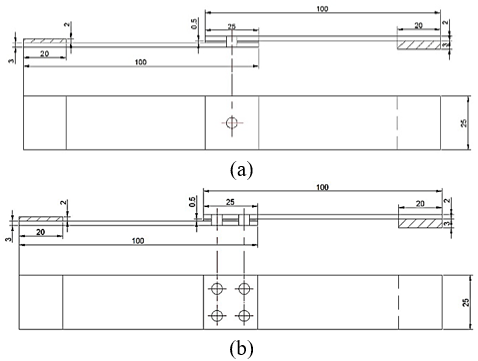
All specimens were prepared with dimensions of 100 × 25 mm² and a lap-joint overlap area of 25 × 25 mm². The overlap dimensions were kept constant for all specimens to ensure a consistent bonded region containing both the adhesive layer and the resin-based mechanical interlocking features. Adhesive bonding was achieved using UPR. The resin components were manually mixed and subsequently vacuum degassed before being applied to the bonded region and the drilled holes. The specimens were cured at room temperature for 24 hours without post-curing treatment to achieve an adhesive thickness of approximately 0.5 mm. Figures 1-4 illustrate the fabrication process and the specimen configurations.
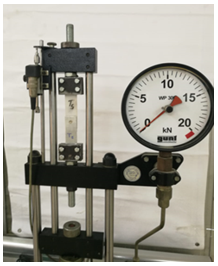
Figure 1. Multi-test machine showing the test specimen before loading
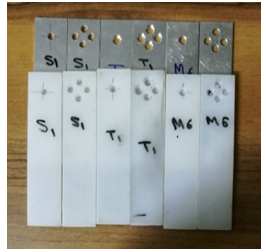
Figure 2. First group of examination specimens
Note: (S) cylindrical, (T) double-conical, (M) toothed cylindrical.
Figure 3. Schematic diagram of the dimensions of the specimens for the (a) single-hole and (b) four-hole
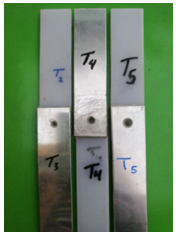
Figure 4. Bonding of the single-hole, double-conical joint using unsaturated polyester resin (UPR)
3.3 Tests procedure
This study conducted single-lap shear tests. A universal testing machine (UTM) was used to apply quasi-static loading conditions at a constant crosshead speed of 0.5 mm/min under laboratory ambient conditions. The test maximum, as illustrated in Figures 1 and 2, enabled a systematic evaluation of the effects of hole geometry, hole diameter and number of holes on joint strength and failure mechanism. To reduce the secondary bending effect, shims were used to optimize the alignment of test specimens in Figure 3. The maximum load and displacement were recorded automatically, and failure was cohesive failure. and mixed failure.
Before bonding, the two base materials, aluminum and HDPE, were both cleaned with acetone and lightly sanded to improve wettability. UPR was applied to fill the rivet holes and spread uniformly across the lap zone. After filling holes with UPR, adhesive was uniformly applied to the lap zone, and the assembly was cured for 24 hours under medium clamping pressure at room temperature. Resulting in a final adhesive layer thickness of approximately 0.5 mm. Two configurations of test specimens, single-hole and four-hole, were set, and the number of holes and geometric parameters were used as variables to investigate their effects on joint performance, as shown in Figure 2. After bonding using the unsaturated polyester, the specimens were cured and subjected to tensile shear testing to determine the maximum load-carrying capacity of the joint, as shown in Figures 3 and 4. As shown in Figure 5, effective resin penetration within the drilled holes was observed, which may contribute to improved load transfer and enhanced mechanical interlocking in the bonded region.

Figure 5. Cross-sectional morphology of the fractured four-hole aluminum–high-density polyethylene (Al-HDPE) hybrid joint after shear testing, showing internal resin filling and mechanical interlocking
The test matrix enabled a systematic evaluation of the following parameters: hole geometry (cylindrical, toothed cylindrical and double-conical), hole diameter (3 mm, 4 mm, and 5 mm), and hole number (single hole vs. four holes). Additionally, visual inspection of the failed specimens was conducted to identify the underlying fracture mechanisms, namely adhesive, cohesive, or mixed failure.
This study carried out comprehensive shear tests on hybrid Al-HDPE joints integrated with mechanical interlocking and UPR bonding. The analysis centers on shear loads and is conducted across multiple dimensions: hole geometry, number of holes, hole diameter, and failure mechanisms. The complementary effect of bonding performance and mechanical interlocking is the core factor controlling shear strength. The overall effect of various influencing factors determines the mode of stress transfer, which in turn affects the development process of the load.
This study conducted repeated shear tests on multiple specimens for each joint configuration. The low data dispersion of the test results confirms good consistency between the specimens and the test conditions, and the average shear loads and their standard deviations are summarized in Table 5.
Table 5. Statistical summary of repeated shear test results for aluminum–high-density polyethylene (Al-HDPE) hybrid joints with different hole geometries and configurations
|
Hole Geometry |
Configuration |
3 mm Mean ± SD (n) (kN) |
4 mm Mean ± SD (n) (kN) |
5 mm Mean ± SD (n) (kN) |
|
Cylindrical |
Single Hole |
0.353 ± 0.021 (3) |
0.428 ± 0.025 (4) |
0.533 ± 0.025 (3) |
|
Four Holes |
0.517 ± 0.021 (3) |
0.648 ± 0.028 (3) |
0.818 ± 0.017 (4) |
|
|
Toothed cylindrical |
Single Hole |
0.350 ± 0.036 (3) |
0.467 ± 0.015 (3) |
0.640 ± 0.030 (3) |
|
Four Holes |
0.603 ± 0.021 (3) |
0.740 ± 0.018 (4) |
0.887 ± 0.015 (3) |
|
|
Double-conical |
Single Hole |
0.417 ± 0.031 (4) |
0.578 ± 0.080 (3) |
0.872 ± 0.022 (4) |
|
Four Holes |
0.920 ± 0.026 (4) |
1.179 ± 0.003 (3) |
1.224 ± 0.008 (3) |
4.1 Effect of hole geometry and diameter on shear strength
This study conducted mechanical tests on joints. Figures 6-8 present the correlation between hole diameter and the applied shear load for single-hole and four-hole connections under different geometric configurations. The lap size and total bonding area of all test specimens are standardized, and the relative influences of the holes’ geometric shape, hole diameter, and number of holes on the joints’ mechanical properties are evaluated using the maximum load as the assessment indicator. For cylindrical resin rivets in Figure 6, increasing the diameter provided a relatively high level of increase in the shear resistance, particularly with the four-hole specimens. The cylindrical four-hole configuration with a 5 mm diameter achieved a mean shear load of 0.818 ± 0.017 kN. This implies that the greater the bonding area, the higher the efficiency of load transfer between the resin rivet and adhesive [19, 20]. This study experimentally observed that cylindrical test specimens with a single hole exhibited lower shear strength. The root cause is stress concentration around the resin rivets, which triggers premature interfacial adhesion failure between the aluminum layer and the adhesive layer. This failure pattern is supported by reference [21]. The conclusions of this paper align with those of Alhijazi et al. [22], Diharjo et al. [23], and Tuovinen et al. [15], and all these studies jointly point out that surface geometry and surface treatment are critical to optimizing stress distribution and extending the service life of joints. Similarly, Wang et al. [24] and Moya-Sanz et al. [25] showed that increasing the bond area and optimizing hole geometry leads to a higher bearing strength and Golewski et al. [26] verified that shear performance is sensitive to hole diameter and joint geometry. Other observations by Muhmmed et al. [12] demonstrated that an optimal surface treatment, as well as a proper proportion of the bonding area, lessens peak stress and postpones crack formation, which is in agreement with the present experimental trends. Moreover, Abed and Battawi [27] reported that polyester-based composites reinforced by natural fibers exhibited good mechanical stability and durability when subjected to different environmental conditions, thereby confirming the high reliability of UPR in serving as an effective adhesive matrix for Al-HDPE hybrid joints.

Figure 6. Shear strength vs. hole diameter for cylindrical resin rivets (single vs. four holes)
The toothed cylindrical resin rivet specimens, as presented in Figure 7, had high shear strength when compared with the smooth cylinder type. Mechanism of the internal toothed structure: this structure enables mechanical interlocking between the adhesive and the substrate, improves load transfer efficiency, and delays crack propagation in the adhesive layer [6, 28]. The four-hole toothed design exhibits better performance in load dispersion and force transfer across the joint interface, with an average shear load of 0.887 ± 0.015 kN. This finding verifies the synergistic strengthening effect of the two types of design. The toothed specimen with a single hole, which suffered from stress concentration and insufficient capacity for stress redistribution, developed local damage in the adhesive near its contact surface with the aluminum material. This observation is consistent with the conclusion proposed by Hussein et al. [21] and Golewski et al. [26] that surface texture development and morphological modification can improve adhesive bonding strength under shear loading conditions. In comparison, the biconical resin rivet is the highest-performing configuration among all tested designs; the biconical configuration with four holes achieved the highest average shear load of 1.224 ± 0.008 kN, which verifies the outstanding stress redistribution capacity of conical surfaces. The gradually conical shape increased the stress transfer, decreased the stress concentration and ensured an even distribution of adhesive, which led to cohesive failure in the adhesive layer in Figure 8. These findings are in accordance with the numerical simulations using the XFEM performed by Braga et al. [11], who reported smoother stress gradients and later crack initiation. Additional numerical investigations by Adole et al. [14] and Sayman et al. [29] demonstrated that conically shaped features promote stress redistribution and improve mechanical resistance.

Figure 7. Shear strength versus hole diameter for toothed cylindrical resin rivets

Figure 8. Shear strength as a function of hole diameter for double-conical resin rivets
4.2 Effect of number of resin rivets on shear performance
Figures 9 and 10 present the shear strength results for all resin-rivet geometries in the single‑hole and four‑hole configurations, respectively. Four-hole joints always revealed the higher bearing capacity in comparison with single-hole joints, which demonstrates the merits of more mechanical fastening and load path distribution as reported in [15, 16, 28].

Figure 9. Shear strength comparison of single-hole samples for different resin rivet geometries

Figure 10. Comparative performance of shear strength for four-hole specimens with different resin rivet geometries
The better performance of the multi-hole samples can be identified in terms of various mechanical and engineering parameters. A more even load distribution resulted, which decreased the peel and shear stresses from concentrating in the adhesive layer [1, 20]. This configuration also increased the energy dissipation and arrested crack propagation [7, 9, 26]. Moreover, the resin rivets were found to increase the bonded area and therefore to improve the overall stability and stiffness of the bond [24, 25].
The thickness of the adhesive layer was maintained at 0.5 mm in all specimens, and the results indicated that geometric design and mechanical configuration rather than actual volume of adhesives were responsible for the improved bonds [3, 23]. The favorable effect for multiple holes corresponds to previous research on hybrid-bonded resin riveted joints. Golewski et al. [26] demonstrated that multi-point bonding can improve fatigue life and damage tolerance. Furthermore, Hardi and Hartono [19], Abdullah et al. [2], and Larsson et al. [30] reported that the dispersion of mechanical fasteners enhances joint reliability and resistance to mixed-mode loading. Similarly, numerical and experimental analyses by Sayman et al. [29] and Adole et al. [14] confirmed that increasing the number of mechanical fasteners reduces stress concentrations, increases stiffness, and delays crack initiation in hybrid bonded joints.
4.3 Failure modes
Observation of the tested specimens showed different failure modes, which were heavily influenced by hole diameter and hole arrangement. With cylindrical resin rivets, failure was predominantly dominated by adhesive debonding at the aluminum resin interface, with some instances of tearing of the resin in the large diameter multi-hole specimens [1, 21]. This behavior can be explained by stress concentration at local and weak interfacial adhesion phenomena as observed in single lap and hybrid joints under shear loadings [19, 24, 28].
In the case of toothed resin rivets, mixed adhesion-cohesion failure with microcracking of resin was observed around the serration area in toothed resin rivets [19, 23, 26]. The serrated shape promoted better loading transfer due to the higher mechanical interlocking but also led to stress concentration sites, as reported for surface-engineered joints [20, 22].
Meanwhile, double-conical resin rivets mainly exhibited cohesive failure along the adhesive layer with good uniform stress distribution and high interfacial bonding [20, 26]. This failure mode suggests uniform stress distribution along the bond line, indicating that the cohesive strength of the UPR adhesive was effectively utilized. Images of representative specimens obtained from the repeated shear tests conducted in this study are presented in Figure A1 of the Appendix. These images verify that all specimens exhibit consistent failure modes, providing visual support for the study’s test results and their classification.
In comparison with similar previously reported numerical simulations, the experimental results were in good agreement with the mixed-mode fracture performance of hybrid joints. Specifically, the double‑conical configuration with four holes molded using UPR was capable of withstanding a mean shear load of 1.224 ± 0.008 kN. The mechanical test results of this study are consistent with the predictions of existing research [9, 10, 14], which notes that geometric structures capable of inducing progressive stress transfer and reducing peak stress will produce the corresponding mechanical performance.
(a) Hole diameter is an influential factor. As the hole diameter increased from 3 mm to 5 mm, the strength of all joints improved. This outcome arises because larger holes promote better adhesive penetration and lead to a more uniform stress distribution.
(b) The test results of this study show that the shear bearing capacity of resin rivets with a biconical configuration far exceeds that of all other geometric configurations included in the test, exhibiting the highest shear capacity among the tested configurations. This advantage arises because the conical structure can transfer stress step by step and strengthen the mechanical interlocking between the adhesive layer and the base material.
(c) Results show that the more holes a test specimen has, the higher its load-bearing capacity and the more uniform its stress distribution; the average shear load of four-hole test specimens is consistently higher than that of single-hole test specimens under the same conditions.
(d) This study adopts a hybrid joint design that combines resin rivet interlocking and adhesive bonding. This synergistic effect promoted controlled cohesive failure, thereby enhancing the overall mechanical performance of the joint.
Finally, it is also worth comparing the present results with recent developments within adhesive bonding, where the results obtained show that the performance of UPR bonded joints is competitive. Epoxy adhesives are almost exclusively reported in the literature; however, UPR presented similar mechanical strength as well as large advantages in price, processability and adaptability for structural purposes.
Increasing hole diameter resulted in a well-defined improvement in shear strength, especially with the four-hole specimens, as shown in Figure 6. The highest mean shear force obtained for the cylindrical four-hole configuration was 0.818 ± 0.017 kN for the 5 mm four-hole pattern, indicative of high enhanced load-bearing ability. This improvement is due to the larger contact area and the better stress transmission along the adhesive-resin rivet interface. However, in the case of the single-hole specimens, a local stress concentration occurred around the resin rivet edges, leading to premature adhesive failure. Such a phenomenon was also observed by Cui et al. [5] and Braga et al. [11], who showed that smooth interfaces between cylindrical particles enhance stress concentration and lead to premature debonding, whereas optimized geometries facilitate homogeneous stress transfer.
As shown in Figure 7, the toothed cylindrical resin rivet design demonstrated moderate shear improvement over smooth cylindrical configurations. The serrated inner surface also developed a more effective mechanical interlocking for the adhesive layer, resulting in higher bond strength and longer delamination time. The toothed cylindrical four-hole configuration achieved a mean shear load of 0.887 ± 0.015 kN in the 5 mm diameter four-hole specimens, thereby indicating that an increase in contact area and interfacial bond is advantageous. Although this was an improvement, the iterated single-hole specimens still present the defects of local stress concentration and premature failure of the adhesive layer. This issue aligns with the conclusion proposed by Hussein et al. [21] and Golewski et al. [26] that textured surface engineering can improve load transfer efficiency and adhesive toughness.
This study identified the double-conical resin rivet as the optimal joint configuration from Figure 8. Among all tested designs, the four-hole biconical configuration with a 5 mm hole diameter achieved the highest average shear load of 1.224 ± 0.008 kN. The conical design can gradually transfer loads at the elbow, reducing the probability of extreme failure. The trends observed in this experiment align with the extended finite element method and finite element method conclusions of Al-Filfily et al. [10], and are also validated by the finite element analysis results of Braga et al. [11] and Adole et al. [14]. However, this study has not yet carried out numerical simulations.
This study conducted a comparative experiment using the single-hole assemblies fitted with resin rivets of different geometric shapes, presented in Figure 9, as test samples, to verify the influence of rivet geometric shape on the assembly's load-bearing capacity and failure mode. Measurements show that the shear strength of the double-conical resin rivet is far higher than that of all other samples, while the cylindrical resin rivet has the lowest shear strength among all samples. This result highlights the key role of geometric shape in stress distribution. This finding is corroborated by the research of Cui et al. [5] and Braga et al. [11], both of which proposed that an optimal geometric profile can achieve uniform stress flow and improved load transfer in hybrid joints.
Based on the experimental observations in Figure 10, this study finds that four-hole specimens under all geometric configurations exhibit superior shear strength, which confirms the reinforcing effect of mechanical interlocking. The load transfer across the multi-adhesion-mechanical composite interface can alleviate stress concentration and delay crack propagation, which verifies the effectiveness of the composite joint. Experimental observations show that the three types of hole configurations correspond to distinct failure modes: cylindrical hole specimens experience interfacial adhesion failure, toothed cylindrical resin rivet specimens exhibit mixed-mode cracking, and biconical resin rivet specimens show cohesive failure within the adhesive. This failure mode transition from brittle to relatively ductile aligns with the numerical predictions of Al-Filfily et al. [10] and Adole et al. [14], confirms the structural advantages of the conical configuration, and provides support for relevant design work.
The shear strength and failure behavior of hybrid joints, Al-HDPE bonded with UPR, were experimentally studied. The study focused on the effect of resin-rivet geometry, hole diameter and hole number. Conclusions: The present results and the comparative analysis with the prevailing literature and numerical estimations lead to the following implications:
1. The geometry of the resin rivet is a determining factor in the joint performance. The double-conical resin rivets possessed the largest shear strength, consistently outperforming both the toothed cylindrical and cylindrical resin rivets. The four-hole and 5-mm diameter constructs were capable of withstanding a mean shear load of 1.224 ± 0.008 kN, confirming the superior mechanical efficiency of the conical configuration. The moderate increase in shear strength was obtained for toothed cylindrical resin rivets as a result of the improved surface interlocking. Whereas smooth cylindrical resin rivets displayed the least enhancement, especially with a single hole.
2. Increasing the number of holes enhances load capacity. Increasing the interlocking features from one hole to four holes improved the shear strength for all geometries. The multi-hole configuration promotes a more uniform load distribution, delays damage initiation, and increases the effective load-transfer area within the overlap region.
3. Load-carrying capacity is strongly affected by hole diameter. Increasing the diameter from 3 mm to 5 mm resulted in superior strength for every geometry, primarily due to a higher volume of adhesive and better stress distribution.
4. Failure mode was strongly dependent on geometry. Cylindrical resin rivets mainly failed by adhesive toothed resin rivets underwent a mixture of adhesion and cohesion failure, and double-conical resin rivets were essentially observed to undergo cohesive failure in the resin, which indicated that stronger bonding and better stress distribution were formed.
5. Practical implications. The finding of this study is that UPR as underused joining material for Al, and PE offers good stiffness when combined with proper hole geometries and multi-point mechanical interlocking.
6. Design Implications. The findings indicate that aluminum and HDPE joined with UPR are significantly strengthened by conic resin rivet geometry and multi-point adhesion. These results offer practical implications for the design of long-lived hybrid joints in lightweight structures in transportation, energy and packaging applications.
Representative fracture surfaces of repeatedly tested specimens

Figure A1. Representative specimens before and after repeated shear tests
[1] Boutar, Y., Naïmi, S., Mezlini, S., Ali, M.B.S. (2016). Effect of surface treatment on the shear strength of aluminum adhesive single-lap joints for automotive applications. International Journal of Adhesion and Adhesives, 67: 38-43. https://doi.org/10.1016/j.ijadhadh.2015.12.023
[2] Abdullah, I.T., Mejbel, M.K., Al-Filfily, A.A.H., Tridello, A. (2025). Joining 1.1-and 2.1-mm Al sheets by friction stir spot welding. Material Design & Processing Communications, 2025(1): 3110429. https://doi.org/10.1155/mdp2/3110429
[3] El Messiry, M., El-Tarfawy, S., El Deeb, R. (2024). Analysis of the strength of joints in fabric/ unsaturated polyester composites. Journal of Industrial Textiles, 54: 15280837241228268. https://doi.org/10.1177/15280837241228268
[4] Alzuhairi, M.H., Shabbeb, K.M., Alsa, E.S. (2016). Properties investigation of washed sawdust/UPE composites. Engineering and Technology Journal, 34(5A): 941-949. https://doi.org/10.30684/etj.34.5A.11
[5] Cui, J.J., Wang, S.H., Wang, S.L., Chen, S.C., Li, G.Y. (2020). Strength and failure analysis of adhesive single-lap joints under shear loading: Effects of surface morphologies and overlap zone parameters. Journal of Manufacturing Processes, 56(Part A): 238-247. https://doi.org/10.1016/j.jmapro.2020.04.042
[6] Chen, Q.L., Du, B., Zhang, X.D., Zhong, H., et al. (2022). Parametric investigation into the shear strength of adhesively bonded single-lap joints. Materials, 15(22): 8013. https://doi.org/10.3390/ma15228013
[7] Roy Choudhury, M., Debnath, K. (2020). Experimental analysis of tensile and compressive failure load in single-lap adhesive joint of green composites. International Journal of Adhesion and Adhesives, 99: 102557. https://doi.org/10.1016/j.ijadhadh.2020.102557
[8] Wang, S.L., Liang, W., Duan, L.M., Li, G.Y., Cui, J.J. (2019). Effects of loading rates on mechanical property and failure behavior of single-lap adhesive joints with carbon fiber reinforced plastics and aluminum alloys. The International Journal of Advanced Manufacturing Technology, 106(5-6): 2569-2581. https://doi.org/10.1007/s00170-019-04804-w
[9] Davaasambuu, K., Dong, Y., Pramanik, A., Basak, A.K. (2025). Mechanisms and performance of composite joints through adhesive and interlocking means—A review. Journal of Composites Science, 9(7): 359. https://doi.org/10.3390/jcs9070359
[10] Al-Filfily, A.A.H., Muhmmed, A.A. (2022). Effect of different resin riveting shape on strength of bonded joint of aluminium polymer using FEM. International Journal on Technical and Physical Problems of Engineering, 14(3): 100-105. https://www.scopus.com/pages/publications/85139400979?origin=resultslist.
[11] Braga, D.F.O., Da Silva, L.F.M., Moreira, P.M.G.P. (2018). Single lap joints numerical modelling and comparison with experimental testing. U.Porto Journal of Engineering, 2(1): 11-20. https://doi.org/10.24840/2183-6493_002.001_0002
[12] Muhmmed, A.A., Hussain, M.K., Khudadad, A.R., Mahdi, H.H., Mejbel, M.K. (2021). Mechanical behavior of laser engraved single lap joints adhered by polymeric material. International Review of Mechanical Engineering, 15(12): 622-628. https://doi.org/10.15866/ireme.v15i12.21278
[13] Abed, B.H., Battawi, A.A. (2021). Effect of fish scales on fabrication of polyester composite material reinforcements. Open Engineering, 11(1): 915-921. https://doi.org/10.1515/eng-2021-0092
[14] Adole, A.M., Anum, I., Abdullahi, U., Keftin, N.A. (2025). Experimental and numerical investigation of double lap adhesively bonded joints composed of KFRP and SDRP subjected to compressive loads. Discover Civil Engineering, 2(1): 93. https://doi.org/10.1007/s44290-025-00252-6
[15] Tuovinen, J., Salstela, J., Karim, M.R., Koistinen, A., Suvanto, M., Pakkanen, T.T. (2021). High adhesion between aluminum and unsaturated polyester through hierarchical surface patterning. The Journal of Adhesion, 97(5): 417-437. https://doi.org/10.1080/00218464.2019.1669152
[16] Hartsfield, M., Chen, B., Liu, Y., He, S., Leiste, U.H., Fourney, W.L., Li, T., Hu, L., Luo, A.A. (2024). Dissimilar material joining of densified superwood to aluminum by adhesive bonding. The International Journal of Advanced Manufacturing Technology, 131(1): 425-436. https://doi.org/10.1007/s00170-024-13155-0
[17] Childs, P.R.N. (2014). Mechanical Design Engineering Handbook. Butterworth-Heinemann. https://doi.org/10.1016/C2011-0-04529-5
[18] Lambiase, F. (2015). Mechanical behaviour of polymer–metal hybrid joints produced by clinching using different tools. Materials & Design, 87: 606-618. https://doi.org/10.1016/j.matdes.2015.08.037
[19] Hardi, W., Hartono, R. (2021). Effect of lap joint width to the shear and peel stress distribution of bi-adhesive. E3S Web of Conferences, 328: 07015. https://doi.org/10.1051/e3sconf/202132807015
[20] Velayutham, S., Sugiman, S., Ahmad, H., Mohd Jaini, Z. (2024). Shear strength of adhesively bonded joint with toughened epoxy mussel powder. International Journal of Integrated Engineering, 16(1): 201-212. https://doi.org/10.30880/ijie.2024.16.01.016
[21] Hussein, S.K., Mhessan, A.N., Alwan, M.A. (2017). Hot press joining optimization of polyethylene to aluminium alloy AA6061-T6 lap joint using design of experiments. Engineering Journal, 21(7): 157-169. https://doi.org/10.4186/ej.2017.21.7.157
[22] Alhijazi, M., Zeeshan, Q., Qin, Z., Safaei, B., Asmael, M. (2020). Finite element analysis of natural fibers composites: A review. Nanotechnology Reviews, 9(1): 853-875. https://doi.org/10.1515/ntrev-2020-0069
[23] Diharjo, K., Anwar, M., Tarigan, R.A.P., Rivai, A. (2016). Effect of adhesive thickness and surface treatment on shear strength on single lap joint Al/CFRP using adhesive of epoxy/Al fine powder. AIP Conference Proceedings, 1710(1): 030030. https://doi.org/10.1063/1.4941496
[24] Wang, P.Y., Geng, X.L., Zhao, C., Zhang, R.S. (2019). An investigation of the stitching effect on single lap shear joints in laminated composites. Science and Engineering of Composite Materials, 26(1): 509-516. https://doi.org/10.1515/secm-2019-0028
[25] Moya-Sanz, E.M., Ivañez, I., Garcia-Castillo, S.K. (2017). Effect of the geometry in the strength of single-lap adhesive joints of composite laminates under uniaxial tensile load. International Journal of Adhesion and Adhesives, 72: 23-29. https://doi.org/10.1016/j.ijadhadh.2016.10.009
[26] Golewski, P., Nowicki, M., Sadowski, T., Pietras, D. (2021). Experimental study of single-lap, hybrid joints, made of 3D printed polymer and aluminium adherends. Materials, 14(24): 7705. https://doi.org/10.3390/ma14247705
[27] Abed, B.H., Battawi, A.A., Khuder, A.W.H. (2022). Effect of immersion media for polyester composite reinforced with chicken feathers on creep behavior. Strojniški vestnik - Journal of Mechanical Engineering, 68(6): 377-384. https://doi.org/10.5545/sv-jme.2021.7471
[28] Bula, K., Sterzynski, T., Piasecka, M., Rozanski, L. (2020). Deformation mechanism in mechanically coupled polymer-metal hybrid joints. Materials, 13(11): 2512. https://doi.org/10.3390/ma13112512
[29] Sayman, O., Ozen, M., Ozel, A., Demir, T., Korkmaz, B. (2013). A non-linear elastic-plastic stress analysis in a ductile double-lap joint. Science and Engineering of Composite Materials, 20(2): 163-168. https://doi.org/10.1515/secm-2012-0062
[30] Larsson, G., Gustafsson, P.J., Crocetti, R. (2017). Use of a resilient bond line to increase strength of long adhesive lap joints. European Journal of Wood and Wood Products, 76(2): 401-411. https://doi.org/10.1007/s00107-017-1264-x