Temitayo S. Ogedengbe* | Onaghalino J. Okore | Aisha H. Abdullahi | Olusegun A. Balogun | Adekunle A. Adeleke | Samuel A. Adeiza | David O. Afolayan | Yerima Dakut | Tin T. Ting
© 2025 The authors. This article is published by IIETA and is licensed under the CC BY 4.0 license (http://creativecommons.org/licenses/by/4.0/).
OPEN ACCESS
The rising demand for fresh and nutritious fruit juices, driven by health consciousness, has created the need for efficient and sustainable extraction solutions, especially in regions like Nigeria where unreliable electricity and high energy costs hinder businesses. This project addresses these challenges through the development of a solar-powered screw-type fruit juice extractor designed for establishments such as juice bars, cafes, hotels, schools, and health facilities. By leveraging solar energy, the system provides an eco-friendly, cost-effective alternative to electricity-dependent extractors. Theoretical calculations and Fusion 360 simulations confirmed the design’s structural integrity and predicted performance, though real-world testing revealed increased torque and energy demands from mechanical losses. Despite challenges in material selection and solar integration, the system—comprising a 400 W panel, 150 Ah battery, and 0.5 HP motor—proved capable of supporting off-grid operations under optimal sunlight. The project resulted in a functional prototype and establishes a foundation for further performance evaluation, with the ultimate aim of promoting sustainable development and energy independence in off-grid and energy-challenged environments.
solar, juice extractor, machine design, manufacturing innovation, sustainable manufacturing
In today's dynamic world, the food and beverage industry has witnessed a growing demand for fresh, nutritious fruit juices, driven by an increasingly health-conscious consumer base [1]. However, the path to offering fresh, high-quality juices on a business scale is not without its challenges. Nowhere is this more evident than in Nigeria, where the availability of consistent and reliable power is a persistent issue. The cost of electricity is disproportionately high, and power outages frequently disrupt daily operations in the country [2]. These power- related challenges significantly impact the operational costs of businesses in the food and beverage sector, including juice bars and coffee shops, as well as a wide array of other establishments such as restaurants, cafes, smoothie and health food shops, hotels, catering services, healthcare facilities, schools, supermarkets, fitness centers, corporate cafeterias, street vendors, food trucks, and bakeries. All of these businesses share a common need for efficient and sustainable fruit juice extraction methods to meet the growing demand for fresh, high-quality juices among their customers. One of the most pressing issues faced by these establishments is the cost and sustainability of energy sources that power juice extraction equipment. Traditional methods of juice extraction often rely on electricity, which can be both financially burdensome and environmentally unsustainable [3]. The need for a more efficient, eco-friendly, and cost-effective solution has never been more apparent. The design project sets out to address this pressing concern by embarking on the development of a business-scale solar-powered fruit juice extractor that not only meets the energy needs of these diverse businesses but does so with remarkable efficiency and accuracy. The aim is to harness the boundless energy of the sun to power a screw-type juice extractor, a well-established and trusted technology in the food processing industry. The result will be a device that aligns with the growing sustainability goals of businesses while also enhancing their productivity and cost-efficiency, especially in regions with unreliable power supply and high energy costs.
The food and beverage industry includes juice bars, coffee shops, and numerous other businesses in Nigeria and around the world. it has been evolving to meet the increasing demand for fresh and nutritious fruit juices, with terms like cleanse and detox buzzing around the food industry [4]. The rising health consciousness of consumers has fueled this trend, making the availability of high-quality fruit juices a top priority for a diverse array of establishments in the food and beverage sector [5]. According to Adeoye and Spataru [6], with a population of 327 million people and a maximum available generating capacity of 12GW, 14 out of 15 countries in the West Africa region had an estimated 25.6 GW peak demand. The regular power outages and load shedding that occur in every nation in West Africa serve as an example of the enormous imbalance between the supply and demand for electricity at the moment [6]. The use of diesel or gasoline backup generators has expanded in both the residential and commercial sectors as a result of these disruptions [6]. Although Africa has an abundance of primary energy resources, the continent appears to have fallen behind in terms of electricity availability [7]. This project, undertaken within the unique context of Nigeria and the broader food and beverage sector, seeks to address these challenges by developing a business-scale solar-powered fruit juice extractor. The scope of this innovation extends beyond juice bars and coffee shops to encompass a wide range of businesses, including restaurants, cafes, smoothie and health food shops, hotels, catering services, healthcare facilities, schools, supermarkets, fitness centers, corporate cafeterias, street vendors, food trucks, and bakeries. All of these businesses share a common interest in designing energy- efficient and sustainable fruit juice extraction methods to meet the growing demand for fresh, high-quality juices among their diverse clientele.
In recent years, there has been a major increase in interest in solar energy because of its availability, renewable nature, and promise to lower greenhouse gas emissions. Kassem et al. [8] stated that he has stressed the importance of investigating and utilizing solar energy as a substitute for fossil fuels in the food processing industry. They suggested that using solar energy to power food processing operations can be a sustainable and eco-friendly alternative, particularly in places with spotty access to electricity.
El-Mesery et al. [9] studied the application of solar dryers for food processing, with an emphasis on drying agricultural products. Their study demonstrates how solar dryers can improve food preservation and lower losses that occur after harvest. The study highlights how crucial it is to use solar energy to advance methods of food processing and increase global food security.
Mohana et al. [10] investigated the advantages and disadvantages of using solar energy in the food sector. Their study highlights how solar energy may be used to process food in an efficient manner, which lowers prices and has a smaller environmental impact. To encourage the widespread use of solar-powered food processing systems throughout African nations, the study also highlights the need for funding for solar energy technologies, training initiatives, and legislative support.
Mohana et al. [10] highlighted the potential of solar-powered refrigeration systems for food storage and preservation. Their results show that in locations without a consistent electrical supply, solar-powered refrigeration can guarantee the freshness and safety of perishable items [10]. The study highlights the significance of developing regional technological capabilities and advocating for laws that support incorporating solar energy into methods for storing and processing food.
Akintunde et al. [11] studied the use of solar energy for cassava processing in Nigeria. His study focuses on the potential advantages of utilizing solar energy to improve productivity and expedite processing processes by investigating the design and construction of a solar-powered cassava peeling machine. The study underscores the significance of domestically produced and reasonably priced technologies in augmenting the uptake of solar energy applications within the food processing industry.
As a result, academics have significantly advanced our knowledge of the advantages and difficulties associated with using solar energy for food processing. Their study emphasizes the need for effective and sustainable ways to meet the food industry's energy needs while taking into account the unique circumstances and difficulties encountered in the area.
2.1 Fruit juice extraction techniques
Techniques for extracting fruit juice are essential to the creation of premium juice drinks. This section offers a thorough analysis of different methods for extracting fruit juice, highlighting the contributions of academics who have undertaken important studies in this area.
2.1.1 Traditional fruit juice extraction techniques
In many African tribes, traditional methods for extracting fruit juice have been passed down through the years. The conventional techniques, including stone mortar and pestle as seen in Figure 1, wooden press, and hand squeezing, were documented by Mushtaq [3]. Due to their accessibility and simplicity, these time-honored methods are still commonly used in many rural communities even though they are labor-intensive and time-consuming.
Figure 1. Stone mortar and pestle [3]
2.1.2 Mechanized extraction techniques
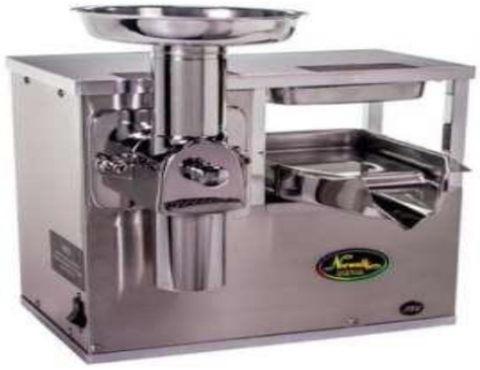
Mechanized extraction techniques are effective at processing huge amounts of fruit, and they have become common. Nnamdi et al. [12] conducted a study on the hydraulic press-based mechanical extraction of orange juice. The researchers showed that mechanical extraction maximizes the amount of juice extracted from fruits by applying enough pressure to squeeze out the juice while reducing the number of beneficial components lost. This approach is appropriate for the commercial manufacturing of fruit juice since it lowers processing times and manual labor requirements while simultaneously increasing productivity. This is in tandem with the mechanical juice press of model 280 developed by Norwalk as seen in Figure 2 [13, 14].
Screw press juice extractors are also mechanical devices used to extract oil or juice from various oilseeds and fruits. According to Yacu [15], a screw press consists of a helical screw mounted on a conical shaft supported by bearings, rotating within a stationary cylindrical barrel. As the shaft rotates, the screw conveys the material towards the discharge end, where it is pressed, and the oil or juice is extracted through perforations in the barrel bottom.
Figure 2. Hydraulic juice press [13, 14]
Yacu [15] designed and fabricated a laboratory model screw press for peanut oil expression. They determined the optimal shaft length, screw pitch, shaft speed, tapering angle, and clearance between the shaft and barrel. They found that a shaft speed of not more than 90 rpm was suitable for operating the screw press, with a clearance of 3 mm between the shaft and barrel. The authors highlight the advantages of screw pressing over other methods, such as being less capital- intensive, technically less extensive compared to solvent extraction, and less labor-intensive than the traditional aqueous method. Additionally, screw pressing is a continuous process, unlike hydraulic and aqueous methods that are batch-wise [15].
Fu et al. [16] conducted a study on the optimization of the separation performance of the screw press. The authors employed Response Surface Methodology (RSM) using the Box–Behnken design to optimize the separation performance of the screw press. The influencing factors considered were the screw axis rotation speed, back pressure at the slag outlet, and initial water content. The objective functions were the water removal rate (W) and production (E) [16].
The results of the RSM analysis revealed that the significant factors affecting the water removal rate, in decreasing order of importance, were: initial water content > back pressure > and rotation speed. Based on the response surface optimization and actual production requirements, the optimal combination of process parameters for the screw press was determined as follows: initial water content of 55%, screw axis speed of 30 rpm, and 5 kPa back pressure at the slag outlet. Under these optimal conditions, field tests yielded a water removal rate of 48.9% and a production of 234.2 kg/d [16]. The authors verified the reliability of the prediction results by conducting three repeated tests under the optimal operating conditions. The relative errors between the test values and predicted values were less than 10%, indicating high precision of the response surface model and accurate prediction results [16].
2.1.3 Enzyme-assisted extraction
Using certain enzymes to dissolve cell walls and improve juice extraction is known as "enzyme-assisted extraction." Aziz et al. [17] studied the use of enzymes in the extraction of pineapple juice. The use of enzymes boosted the amount of juice that was extracted, enhanced its flavor and quality, and helped release sugars and beneficial substances, according to the research team. With tropical fruits having harder cell structures, enzyme-assisted extraction can be a useful method for extracting juice effectively and making greater use of raw resources.
2.1.4 Ultrasonic-assisted extraction
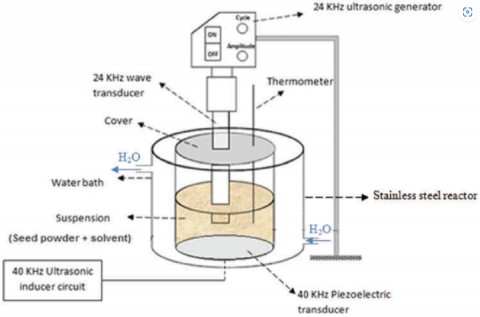
Fruit juice extraction is made easier by a method called ultrasonic-assisted extraction (UAE), which breaks down cell walls using high-frequency sound waves. In Nigeria, Fadillah et al. [18] carried out research on the use of UAE for the extraction of citrus juice. According to their research, UAE increased cellular disruption, shortened processing times, and boosted the extraction of bioactive components, all of which greatly increased juice yield (Figure 3). By dissolving pulp particles, UAE also improved the quality of the juice, producing a smoother, more uniform juice output.
Figure 3. Schematic view of the ultrasound-assisted extraction system [19]
2.1.5 Pulsed electric field extraction
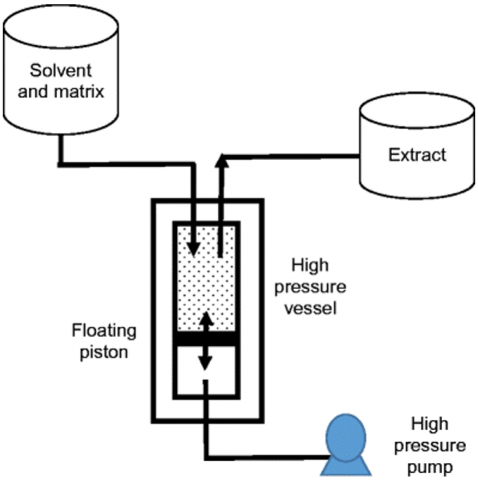
Applying brief, high-voltage electrical pulses to break down cell membranes and facilitate juice extraction is known as pulsed electric field (PEF) extraction. The study [4] conducted a study on the use of PEF to extract noni fruit juice. According to their research, PEF extraction reduced enzyme activity, preserved nutritional content, and produced a higher juice yield when compared to standard procedures. This method is useful because it effectively breaks apart cell structures, which increases the retention of bioactive compounds and improves extraction efficiency. Guido and Moreira [20] conducted a study on the use of PEF to extract noni fruit juice. According to their research, PEF extraction reduced enzyme activity, preserved nutritional content, and produced a higher juice yield when compared to standard procedures. This method is useful because it effectively breaks apart cell structures, which increases the retention of bioactive compounds and improves extraction efficiency. Figure 4 shows a schematic of a semi-continuous high-pressure extraction system.
2.1.6 Pressurized liquid extraction
Fruit juice is extracted using Pressurized Liquid Extraction (PLE), which uses high-pressure solvents. Desai & Sarjerao designed a Mango juice extractor using Pressurized Liquid Extraction (PLE). According to their research, PLE improved juice yield, reduced chemical deterioration by rapidly extracting the juice at high pressure and temperature, and made it easier to extract beneficial chemicals. Because it maximizes extraction efficiency without sacrificing juice quality, this method is especially helpful for fruits with fragile cell structures. Figure 5 shows a description of a typical block flow diagram for a pressurized fluid extraction system.
Figure 4. Schematic diagram of a semi-continuous high- pressure extraction system [20]
Figure 5. Simplified block flow diagram of the Pressurized Fluid Extraction method [20]
2.1.7 Subcritical water extraction
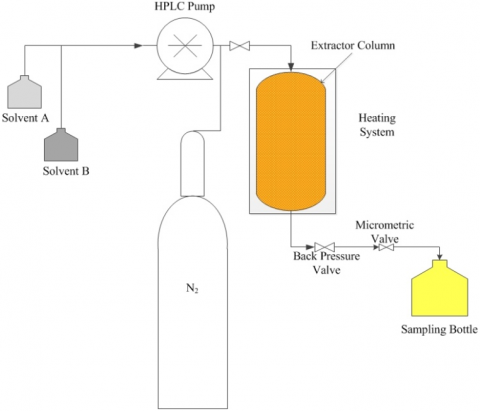
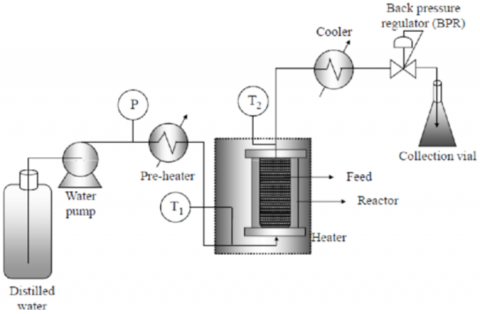
Fruit juice is extracted from fruits using subcritical water extraction, which uses water that is cooled below the boiling point. Alexandre et al. [21] investigated the use of subcritical water extraction to extract passion fruit juice (Figure 6). Their research showed that the juice's flavor, antioxidant activity, and nutritional value were all successfully maintained via subcritical water extraction. With benefits including shorter processing times, higher energy efficiency, and no need for organic solvents, this method is both eco-friendly and excellent for manufacturing premium fruit juices.
Fruit juice extraction methods are constantly evolving to maximize productivity, efficiency, and preserve bioactive components. The development of a solar-powered fruit juice extractor can benefit from enhanced extraction efficiency, nutrient retention, and sustainability by employing these research findings, which will aid in producing fruit juice beverages of superior quality [22].
Figure 6. Schematic diagram of subcritical water extraction [23]
2.2 Opportunities in solar-powered juice extraction
Fruit juice is extracted from them using a novel method known as solar-powered fruit juice extraction, which employs renewable solar energy [23]. This alternative approach to juice extraction offers several advantages over traditional methods that rely on fossil fuels or grid electricity [24]. Solar-powered juice extraction is a sustainable and environmentally friendly business solution since it harnesses the sun's energy to produce fruit juice. Nonetheless, there are still challenges that need to be addressed, such as efficiency, cost, fruit variability, technological limitations, hygiene maintenance, adoption, and awareness. Three challenges must be overcome for solar- powered fruit juice extraction to reach its full potential and provide benefits.
2.2.1 Sustainable and renewable energy source
Solar-powered juice extraction offers a sustainable and environmentally friendly alternative to conventional juice extraction methods by harnessing the sun's abundant and renewable energy. Utilizing solar energy contributes to environmental sustainability by lowering greenhouse gas emissions and decreasing reliance on fossil fuels [25]. Solar energy is the ideal energy source for juice extraction because it is abundantly available in Nigeria and Africa [26]. By utilizing solar energy, the fruit juice production industry may reduce its carbon footprint and aid in the global energy shift to clean, renewable sources.
2.2.2 Cost-effectiveness and economic viability
Solar-powered juice extraction has the potential to be financially viable and cost-effective. Traditional methods of extracting juice are often associated with high energy costs, particularly in areas where grid electricity is expensive or unstable [27]. Considering the long-term benefits and potential savings in electricity expenses, using solar energy can significantly reduce energy expenditures [28]. Solar power systems require less maintenance and operation than fossil fuel-based alternatives [29]. This promotes rural development and income generation. Therefore, small-scale farmers and processors find solar-powered juice extraction to be an appealing alternative [30].
2.2.3 Technology advancements and innovation
The development and application of solar-powered juice extraction devices present opportunities for advancement and innovation in technology. Researchers and engineers in Africa, particularly Nigeria, can foster innovation in energy storage, extraction processes, and solar panel efficiency [31]. Advancements in solar technology have the potential to enhance the overall efficacy and performance of juice extractors, resulting in increased yields and superior juice quality [32]. Furthermore, adding automation, monitoring systems, and smart technologies can enhance solar extractor efficiency and operational control [33]. These technological developments can also help establish jobs and increase the local production of solar- powered juice extraction devices.
2.2.4 Rural electrification and power access
Solar-powered juice extraction offers prospects for improved power access and rural electrification. In many rural areas of Nigeria and Africa, there is a serious lack of electrical supply reliability, which restricts opportunities for the production of fruit juice and other economic activities [27]. Installing solar-powered extractors, which provide a decentralized and renewable energy source, can help address this energy deficit [33]. Solar- powered juice extraction equipment can be deployed in underserved or off-grid areas, allowing farmers and processors to start small fruit juice enterprises and promote local economic development [34]. Extra solar energy generated during maximum sunlight hours can be stored and used for house electrification or other agricultural applications, which would further increase the socioeconomic benefits [35].
2.2.5 Health and nutritional benefits
Solar-powered juice extraction preserves the nutritional value and health benefits of fruit juices. Conventional extraction methods that involve heat generation or chemical reactions may lead to nutrient loss or degradation [36, 37]. According to Garcia et al. [38], solar-powered extractors operate at lower temperatures, which reduces the amount of heat-induced nutrient deterioration. This allows for the production of richer, more nutrient-dense juices that appeal to health-conscious customers. Access to fresh, natural juices made with solar energy can improve community nutrition and promote healthier lifestyles [39].
2.3 Environmental impact and sustainability of solar- powered fruit juice extraction
A cutting-edge technique called solar-powered fruit juice extraction uses renewable solar energy to extract juice from fruits. When compared to conventional juice extraction techniques that depend on fossil fuels or grid electricity, this method has multiple environmental advantages. This talk will explore how solar-powered fruit juice extraction affects the environment and how it promotes sustainability.
The decrease in greenhouse gas emissions from solar-powered juice extraction is a major environmental benefit. Carbon dioxide (CO2), a primary cause of climate change, is released by fossil fuel-based energy sources, which are frequently utilized in conventional extraction techniques [40]. In contrast, photovoltaic technology used in solar-powered systems produces electricity with no direct emissions of greenhouse gases [41]. This decrease in CO2 emissions supports environmental sustainability and helps lessen the effects of climate change.
When it comes to energy efficiency, solar-powered juice extraction is superior to traditional techniques. By directly converting sunshine into electricity, photovoltaic solar panels eliminate the transmission and distribution losses that come with using electricity from the grid [42]. Energy consumption is maximized, and energy waste is reduced when solar energy is used in conjunction with effective extraction technologies [43]. This efficiency improves the process's economic sustainability while simultaneously lessening its negative effects on the environment.
Large volumes of water are frequently needed for the traditional juice extraction techniques to wash the fruits, clean the equipment, and dilute the juice. Nonetheless, water-saving techniques like recycling and reusing water can be used in solar-powered fruit juice extraction [43]. This strategy minimizes the impact on nearby water resources and lowers water use, particularly in areas with limited water supplies [43]. Preserving water resources guarantees water availability for other vital uses and supports the sustainability of the ecosystem.
Solar-powered juice extraction devices reduce noise and air pollution; they help create a more peaceful and cleaner atmosphere. When conventional extractors driven by fossil fuels operate, they release particulate matter (PM), carbon monoxide (CO), and nitrogen oxides (NOx) into the air [40]. As a result of their silent operation and zero exhaust emissions, solar-powered systems, on the other hand, improve air quality and lessen noise pollution [42]. This environmental benefit is especially important in cities where air pollution and noise have a negative impact on public health. Adopting solar-powered equipment for extracting fruit juice can also support sustainable agricultural methods. Reducing chemical inputs, protecting biodiversity, and conserving resources are all aspects of sustainable agriculture methods. Local fruit cultivation can be promoted by incorporating solar- powered equipment into small-scale farming activities [38]. As a result, there is less need for long-distance fruit transportation, which lowers transportation-related carbon emissions [34]. Furthermore, by removing the need for diesel generators, which frequently consume non- renewable resources or grid-connected electricity, solar- powered extraction promotes organic farming methods.
Extraction of fruit juice with solar electricity has major positive effects on the environment and promotes sustainability. This technology offers a promising solution for a greener and more sustainable fruit juice production industry in Nigeria and throughout Africa through the reduction of greenhouse gas emissions, enhanced energy efficiency, water conservation efforts, minimization of air and noise pollution, and promotion of sustainable agriculture. Adopting solar- powered juice extraction devices can help us move toward a more sustainable and ecologically aware future.
Solar-powered fruit juice extraction technologies present a potential route for Nigeria's and Africa's juice production business to follow in the direction of a more sustainable, profitable, and ecologically aware future. Policymakers, researchers, and industry stakeholders must collaborate, invest in research and development, and provide necessary incentives to unlock the full potential of solar- powered juice extraction systems, ultimately driving positive changes in the juice industry and contributing to a greener, sustainable world.
2.4 The SDG impact of a solar-powered juice extractor
The solar-powered fruit juice extractor contributes to SDG 3 by promoting health and well-being. Traditional manual juice extraction methods can be labor-intensive and potentially expose workers to physical strain and repetitive stress injuries [40]. By automating the juice extraction process, the machine reduces physical labor, thereby minimizing the risk of such injuries. Furthermore, the production of fresh, nutritious fruit juices supports healthy dietary choices, contributing to improved public health outcomes.
The design project aligns with SDG 7 by harnessing solar energy to power the fruit juice extractor, thereby providing a clean and renewable energy source. Solar energy reduces dependence on fossil fuels and decreases greenhouse gas emissions, promoting environmental sustainability [18]. The use of solar power ensures that the extractor can operate in off-grid and rural areas where the electricity supply is unreliable or non-existent, making it an affordable and sustainable solution for small and medium- sized enterprises in the food and beverage sector.
The design project supports SDG 8 by creating opportunities for economic growth and decent work. The machine enables small businesses, such as juice bars and cafes, to increase their productivity and profitability. It also opens up new avenues for employment in the manufacturing, maintenance, and operation of these machines. The technological advancement represented by the extractor can spur further innovation and development within the local economy.
The design project supports SDG 9 by fostering innovation in the design and use of renewable energy technologies within the food processing industry. The development and deployment of the solar-powered fruit juice extractor exemplifies the integration of sustainable practices into industrial processes. The project also highlights the importance of infrastructure development in rural and underserved areas, where such technologies can significantly impact local communities' economic and social well-being [41].
The project contributes to SDG 12 by promoting sustainable consumption and production patterns. By using solar energy, the fruit juice extractor minimizes environmental impact and resource depletion associated with conventional energy sources. Additionally, the machine encourages the use of locally sourced fruits, reducing the carbon footprint associated with transportation and supporting local agriculture. The design of the extractor emphasizes efficiency and sustainability, ensuring minimal waste generation during the juice extraction process.
Aligned with SDG 13, the solar-powered fruit juice extractor plays a role in climate action by reducing greenhouse gas emissions through the use of clean solar energy. The project contributes to the global effort to mitigate climate change by decreasing reliance on fossil fuels and promoting the adoption of renewable energy technologies. The reduction in energy consumption and emissions associated with traditional juice extraction methods supports broader climate action initiatives.
In this section, the design model, performance evaluation, and real-world practicality of solar-powered fruit juice extraction systems were highlighted. Details on design calculation, component selection, sizing, and materials.
3.1 Component selection and sizing
Critical components such as the auger screw, hopper, conveyor housing, mesh, and solar power system were selected and sized based on design calculations. The specifications for each component were determined to ensure optimal performance, considering factors such as material properties, mechanical loads, and power requirements.
The hopper and conveyor housing were fabricated from 1mm stainless steel. This thickness was chosen because thinner sheets would buckle under increased pressure, while thicker sheets would be too difficult to fabricate with the accessible facilities.
The initial prototype's cost exceeded our budget, necessitating changes in design constraints and specifications to align with financial limitations and external factors.
3.2 Materials
The system incorporates photovoltaic solar panels made of polycrystalline silicon, chosen for their conversion efficiency and affordability. A maximum power point tracking (MPPT) charge controller ensures effective regulation of power from the solar panels to the batteries. The storage batteries are tubular deep cycle gel lead-acid types, selected for their suitability for cyclic discharge-charge per the daily solar cycle, as well as being maintenance-free and safe. The electric motor is a 0.5 hp, 750 rpm, providing sufficient torque for screw-press operation.
For the screw housing and auger, stainless steel 316 food- grade material is used due to its high corrosion resistance to fruit acidity and food-safe properties. The screw auger features a variable pitch and flood feed type, validated for crushing fruit and self-feeding. The feed hopper is made of 316 food- grade stainless steel as well. A stainless steel 316 filter screen with 1mm perforations offers optimum porosity for pomace separation. The juice collection vat has a 50-liter capacity and current, power, temperature, and other metrics are included for data collection on performance.
Justifications are provided alongside each material selected based on specific functionality, mechanical properties, food safety, corrosion resistance, electrical parameters, and operational efficiencies as per findings from the detailed literature review.
It is however pertinent to note that although stainless steel is more hygienic and a better choice, it comes very expensive when compared with other suitable materials such as plastics and aluminum. It is also more difficult to machine and surface finish as compared to these other materials.
3.3 Extraction system
The extraction system is the core component of the solar-powered fruit juice extractor, responsible for processing the fruits and extracting the juice efficiently. This section outlines the key components of the extraction system and the design calculations used to determine their dimensions.
3.3.1 Components of the extraction system
Hopper. The hopper's primary role is to receive and hold the fruits before they proceed to the extraction process. The hopper featured a wide opening for easy loading of fruits, a surface to prevent fruit jamming and sturdy construction to support the weight of the conveyor mechanism.
Auger Screw. The auger screw transports fruits from the hopper to the squeezing section, applying pressure to extract the juice It is the core of the extractor mechanism. The screw has a helical design for efficient fruit movement, is made from durable material to withstand pressure and torsional forces and features variable pitch for optimal juice extraction.
Mesh at squeezing and filtration section. The mesh separates the juice from the pulp and seeds during the squeezing process. It has a fine mesh size to filter out pulp and seeds while allowing juice to pass through, is easily removable for cleaning, is designed to be cylindrical to ensure uniform pressure distribution across all surfaces and is made from durable material to ensure longevity.
Chaff Ejection Section. This section expels the dry residue (chaff) after juice extraction. Incorporates a round block and spring mechanism to control the ejection of chaff, ensuring only sufficiently dry chaff is expelled. The design includes a durable spring calibrated to compress at a specific pressure, and an outlet positioned for easy collection or disposal of the chaff.
3.4 Design calculation
To find the mass flow rate produced with a conveyor housing of diameter 10.8 cm (0.108 m) was determined using Eqs. (1) and (2):
$D=\sqrt{\frac{4}{\pi} \times \frac{Q}{v}}$ (1)
where, v = 0.05 m/s
$0.108=\sqrt{4} \pi Q 0.05$ (2)
Diameter of shaft of the screw conveyor.
Conveyor Housing. The conveyor housing guides the fruits from the hopper to the squeezing section. It has a smooth interior.
The radius of the Two Pulleys. To determine the radius of the two pulleys used in the system design was determined using Eq. (3).
$w=k \times T \times f=2.5 \times 1.33 \times 1.5=166.25 \mathrm{~N} \mathrm{~m} / \mathrm{s}$ (3)
where,
w is the Radial load in N,
k is 2.5 represents the load coefficient of the drive method,
T is 1.33Nm represents the electric motor's drive force in Nm, f is the service factor.
Operation Time on Full Charge.
Daily Energy Generation = Panel power × peak sun hour (4)
$\begin{gathered}\text { Daily Energy Generation }=150 \mathrm{~W} \times 8 \text { hours } \\ \text { Daily Energy Generation }=1200 \mathrm{~Wh} \\ \text { Battery Capacity }=\text { Battery } \mathrm{Ah} \times \text { Battery voltage }\end{gathered}$ (5)
$\begin{gathered}\text { Battery Capacity }=100 \mathrm{Ah} 12 \mathrm{~V} \\ \text { Battery Capacity= } 1200 \mathrm{~Wh} \\ \text { Time of Operation=Battery Capacity }=1200 \mathrm{~Wh}=2.14 \text { hours }\end{gathered}$ (6)
This agrees with Bhatti and Williams [44] who approached the calculation of daily PV energy from panel output and Adesina et al. [45], who reported the possibility of sizing batteries using the system voltage.
3.5 Drafting and rendering
The solar-powered fruit juice extractor's design is thoroughly represented through various sketches and models. These visuals offer a clear insight into the system's overall layout and its parts. AutoCAD was employed to create accurate 2D drawings, while Fusion 360 was used for detailed 3D models. Each segment of the extractor is depicted to guarantee clarity in both design and construction stages.
3.5.1 Extractor model
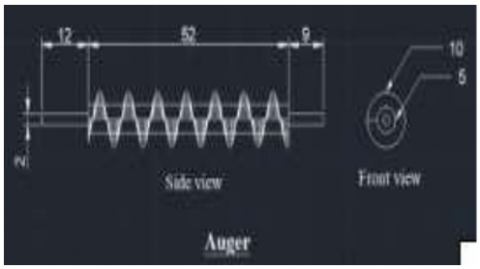
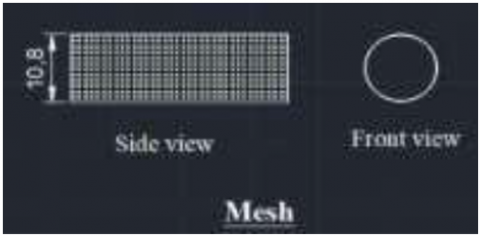
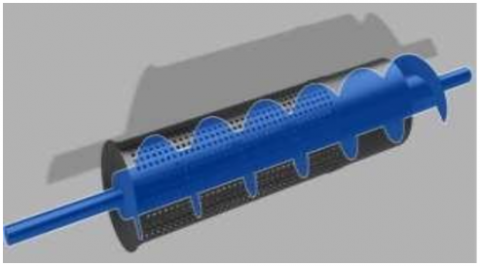
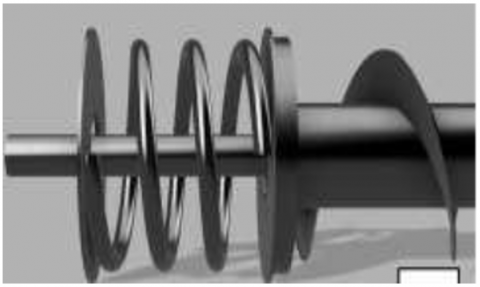
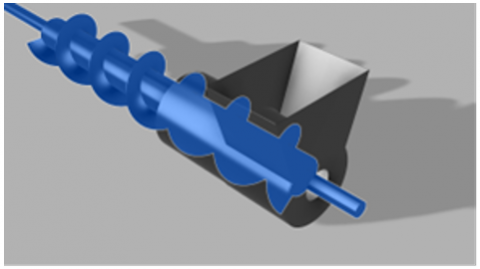
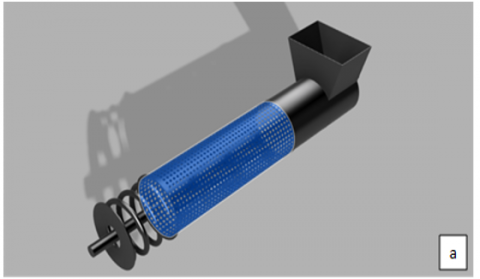
The extraction section is the heart of the juice extractor, where the actual juice extraction process occurs. The design sketches for this section feature the auger screw, squeezing mechanism, and filtration mesh, as illustrated in Figure 7 (a-d).
(a) 2D Auger sketch
(b) 2D mesh
(c) 2D conveyor housing
(d) 3D assembly system
Figure 7. 3D modeling of the filtration system, highlighting the auger
3.5.2 Chaff ejection section
The chaff ejection section is designed to remove the dry residue after juice extraction efficiently. The chaff ejection system in the solar-powered fruit juice extractor operates using a spring mechanism positioned between two plates at the exit of the juice extraction process. This system effectively blocks the exit, increasing pressure within the squeezing section. As the fruits are pressed and juice is extracted, the remaining dry chaff continues to build up pressure against the spring. Once all the juice has been efficiently squeezed out, the pressure from the accumulating chaff forces the spring to compress. This compression allows the dry chaff to be expelled through the exit, ensuring that only thoroughly processed fruits are ejected (Figure 8), thus maintaining an effective juice extraction process. This section includes the round plates, spring mechanism, and ejection outlet.
Figure 8. 3D renders of the chaff ejection system
3.5.3 Fruit collection section
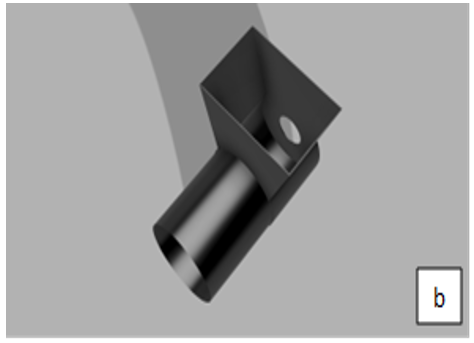
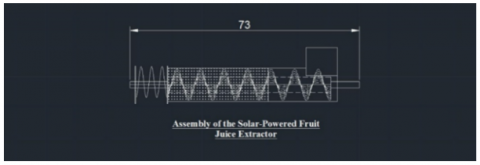
The fruit collection section includes the hopper and conveyor housing, which are essential for grinding and transporting fruits to the extraction section. Figure 9 shows the 3D drafts of the hopper with the conveyor housing and auger.
(a) Hopper with auger
(b) Hopper and conveyor housing
(c) The 2D render of the side view of the extraction system as a whole
(d) Juice extractor system with mesh (filter)
Figure 9. 3D model of the screw press juice extractor component
3.6 Loss ratio
The loss ratio Lr was calculated using Eq. (7).
$L r=1-\left(\frac{P 2}{P 1}\right)$ (7)
where, P1 and P2 represent input power and power used, respectively.
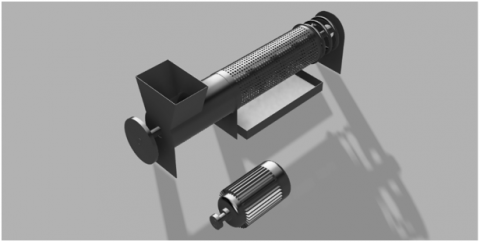
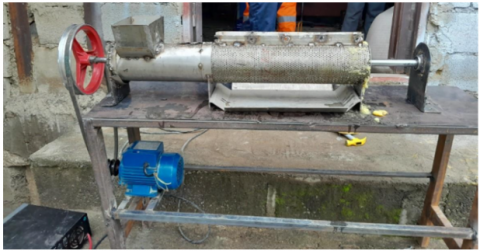
The motor selected for the extractor was a 0.5 hp, 750 rpm, DC motor, chosen for its sufficient torque and reliability. The mounts for the motor were fabricated from the same stainless-steel material, cut, bent, and welded to hold the motor in place securely. Alignment was critical; thus, the motor was carefully aligned with the auger to ensure efficient power transmission. Laser alignment tools were used to achieve perfect alignment, preventing operational issues. Once all components were fabricated, they were assembled into the final extractor as illustrated in Figure 10. The assembly process ensured proper fit and alignment of all parts. The entire system was tested for leaks, alignment, and operational efficiency. These practical tests were corroborated with the results from the Fusion 360 simulations to ensure the system performed as expected.
(a) Fusion 360 render of the system
(b) Complete assembly of the solar-powered fruit juice extractor
Figure 10. Solar power Fruit extractor system
4.1 Solar efficiency and extractor mechanical performance
The extractor is powered by a 0.5 hp AC motor, supported by a 150W solar panel and a 65Ah battery. The solar power system is expected to provide sufficient energy to operate the extractor efficiently. With optimal sunlight conditions, the 150W panel can charge the 65 Ah battery fully within approximately 6 hours. The solar system on a cloudy day receives a voltage of about 12.3 V. The solar power efficiency, considering the typical panel efficiency of around 15-20%, translates to a daily energy generation of about 1.2-1.5 kWh, sufficient for the intended operation The solar-powered fruit juice extractor performed exceptionally well, adhering closely to its design and simulated parameters. Mechanically, the system demonstrated robust efficiency, with the bearings playing a crucial role in reducing frictional forces within the conveyor housing. This reduction in friction ensured the smooth operation of the auger screw, allowing it to rotate freely without making contact with the surrounding walls. This seamless rotation is essential for maintaining the integrity of the screw and housing, preventing wear and tear, and ensuring consistent juice extraction. Furthermore, the machine's structural components, particularly the conveyor housing and the frame, exhibited resilience, withstanding the operational forces without buckling. The stainless-steel construction, combined with the precise design specifications, provided the necessary strength and durability. This mechanical stability was critical in maintaining the alignment and functionality of the auger screw and other moving parts, thereby ensuring the extractor's performance remained reliable and efficient throughout its operation. These results validate the design and simulation efforts, confirming that the extractor can operate effectively in real-world conditions.
The development of the solar-powered fruit juice extractor has demonstrated significant potential for offering an efficient, sustainable, and cost-effective solution for juice extraction in remote or off-grid locations. The comprehensive research, design, and methodological approach outlined in this project report has resulted in the creation of a prototype that fulfills the key objectives of operational efficiency, structural integrity, and energy independence.
The theoretical calculations and Fusion 360 simulations provided valuable insights into the expected performance of the extractor. The mass flow rate, structural integrity, power efficiency, and operational speed have all been designed to ensure a robust and reliable juice extraction process. The solar power system, comprising a 400 W solar panel, a 150 Ah battery, and a 0.5 HP AC motor, supports the extractor's off- grid operation, making it ideal for use in rural areas with limited access to the electrical grid. Despite the challenges encountered during the development process, such as difficulties in material selection, limited literature resources, constraints related to initial design size and budget, and the integration of the solar power system, the project has successfully progressed toward the fabrication of a functional prototype. These challenges were addressed through iterative design improvements, careful material selection, and thorough testing and simulations. Also the few discrepancies in the simulated prototype and the fabricated machine where as a result of the slight assembly challenges and these can be mitigated in future endeavour by ensuring a more careful process and the scaling of the entire process.
[1] Zrnić, M., Knežević, S., Gajić, T., Vukolić, D. (2024). Consumer trends and preferences of food and beverage in the hospitality sector. In Međunаrodna Naučno-Stručna Konferencija Regionalni Razvoj I Prekogranična Saradnja, Pirot, Srbija, pp. 23-27. https://www.researchgate.net/publication/382129324.
[2] Liu, X., Le Bourvellec, C., Yu, J., Zhao, L., et al. (2022). Trends and challenges on fruit and vegetable processing: Insights into sustainable, traceable, precise, healthy, intelligent, personalized and local innovative food products. Trends in Food Science & Technology, 125: 12-25. https://doi.org/10.1016/j.tifs.2022.04.016
[3] Mushtaq, M. (2018). Extraction of fruit juice. In Fruit Juices, Elsevier, pp. 131-159. https://doi.org/10.1016/b978-0-12-802230-6.00008-4
[4] Priyadarshini, A., Priyadarshini, A. (2018). Market dimensions of the fruit juice industry. In Fruit Juices, Elsevier, pp. 15-32. https://doi.org/10.1016/B978-0-12-802230-6.00002-3
[5] Sharma, N., Yeasmen, N., Dube, L., Orsat, V. (2024). Rise of plant-based beverages: A consumer-driven perspective. Food Reviews International, 40(10): 3315-3341. https://doi.org/10.1080/87559129.2024.2351920
[6] Adeoye, O., Spataru, C. (2018). Sustainable development of the West African Power Pool: Increasing solar energy integration and regional electricity trade. Energy for Sustainable Development, 45: 124-134. https://doi.org/10.1016/j.esd.2018.05.007
[7] Othieno, H., Awange, J. (2016). Energy Resources in Africa. Springer International Publishing Switzerland. https://doi.org/10.1007/978-3-319-25187-5
[8] Kassem, Y., Camur, H., Apreala, T. (2024). Assessment of wind energy potential for achieving sustainable development Goal 7 in the rural region of Jeje, Nigeria. Engineering, Technology & Applied Science Research, 14(4): 14977-14987. https://doi.org/10.48084/etasr.7311
[9] El-Mesery, H.S., El-Seesy, A.I., Hu, Z., Li, Y. (2022). Recent developments in solar drying technology of food and agricultural products: A review. Renewable and Sustainable Energy Reviews, 157: 112070. https://doi.org/10.1016/j.rser.2021.112070
[10] Mohana, Y., Mohanapriya, R., Anukiruthika, T., Yoha, K.S., Moses, J.A., Anandharamakrishnan, C. (2020). Solar dryers for food applications: Concepts, designs, and recent advances. Solar Energy, 208: 321-344. https://doi.org/10.1016/j.solener.2020.07.098
[11] Akintunde, B.O., Oyawale, F.A., Tunde-Akintunde, T.Y. (2005). Design and fabrication of a cassava peeling machine. Nigerian Food Journal, 23(1): 231-238. https://doi.org/10.4314/nifoj.v23i1.33621
[12] Nnamdi, U.B., Onyejiuwa, C.T., Ogbuke, C.R. (2020). Review of orange juice extractor machines. Advances in Science, Technology and Engineering Systems Journal, 5(5): 485-492. https://doi.org/10.25046/aj050560
[13] Donaldson, M. (2020). Household juice extractor comparison and optimization. Journal of Food Processing & Technology, 11: 14.
[14] Oyinlola, A., Ojo, A., Adekoya, L.O. (2004). Development of a laboratory model screw press for peanut oil expression. Journal of Food Engineering, 64(2): 221-227. https://doi.org/10.1016/j.jfoodeng.2003.10.001
[15] Yacu, W. (2020). Extruder screw, barrel, and die assembly: General design principles and operation. In Extrusion Cooking, pp. 73-117. https://doi.org/10.1016/B978-0-12-815360-4.00003-1
[16] Fu, S., Dou, B., Zhang, X., Li, K. (2023). An interactive analysis of influencing factors on the separation performance of the screw press. Separations, 10(4): 245. https://doi.org/10.3390/separations10040245
[17] Aziz, M.G., Mazumder, M.A.R., Ali, M.H., Uddin, M.B., Kulbe, K.D. (2009). Effect of enzymatic hydrolysis of pineapple fruit pulp on yield and analytical parameters of derived juice. International Journal of Sustainable Agriculture Technology, 5(1): 29-35. https://www.researchgate.net/publication/323655762.
[18] Fadillah, M., Widodo, E., Djunaidi, I. (2024). Effect of ultrasound-assisted maceration on yield percentage, chemical compound and antimicrobial activity of citrus nobilis peel essential oil. Yuzuncu Yıl University Journal of Agricultural Sciences, 34(4): 656-668. https://doi.org/10.29133/yyutbd.1499319
[19] Moradi, N., Rahimi, M., Moeini, A., Parsamoghadam, M.A. (2018). Impact of ultrasound on oil yield and content of functional food ingredients at the oil extraction from sunflower. Separation Science and Technology, 53(2): 261-276. https://doi.org/10.1080/01496395.2017.1384016
[20] Guido, L.F., Moreira, M.M. (2017). Techniques for extraction of brewer’s spent grain polyphenols: A review. Food and Bioprocess Technology, 10(7): 1192-1209. https://doi.org/10.1007/s11947-017-1913-4
[21] Alexandre, E.M., Castro, L.M., Moreira, S.A., Pintado, M., Saraiva, J.A. (2017). Comparison of emerging technologies to extract high-added value compounds from fruit residues: Pressure-and electro-based technologies. Food Engineering Reviews, 9(3): 190-212. https://doi.org/10.1007/s12393-016-9154-2
[22] Sarjerao, M.D.S. (2020). Design, development and performance evaluation of juice extractor. Master thesis, Mahatma Phule Krishi Vidyapeeth Rahuri.
[23] Li, J., Chen, W., Niu, D., Wang, R., et al. (2022). Efficient and green strategy based on pulsed electric field coupled with deep eutectic solvents for recovering flavonoids and preparing flavonoid aglycones from noni-processing wastes. Journal of Cleaner Production, 368: 133019. https://doi.org/10.1016/j.jclepro.2022.133019
[24] Klinchongkon, K., Chanthong, N., Ruchain, K., Khuwijitjaru, P., Adachi, S. (2017). Effect of ethanol addition on subcritical water extraction of pectic polysaccharides from passion fruit peel. Journal of Food Processing and Preservation, 41(5): e13138. https://doi.org/10.1111/jfpp.13138
[25] Machmudah, S., Shiddiqi, Q.Y.A., Kharisma, A.D., Widiyastuti, W., Kanda, H., Winardi, S., Goto, M. (2015). Subcritical water extraction of xanthone from mangosteen (Garcinia mangostana Linn) pericarp. Journal of Advanced Chemical Engineering, 5(1): 1-6. https://doi.org/10.4172/2090-4568.1000117
[26] Grewal, R., Kumar, M. (2022). Assessment of a solar powered sustainable energy recovery system for cleaner production of concentrated sugarcane juice. Sustainable Energy Technologies and Assessments, 52: 102271. https://doi.org/10.1016/j.seta.2022.102271
[27] Kavitha Shree, G.G., Arokiamary, S., Kamaraj, M., Aravind, J. (2025). Biorefinery approaches for converting fruit and vegetable waste into sustainable products. International Journal of Environmental Science and Technology, 22(8): 7211-7230. https://doi.org/10.1007/s13762-024-06202-6
[28] Abdullahi, M.L., Jadas, A.S., Yahaya, M.I.A. (2023). Design development and construction of solar powered fresh juice extracting machine. International Journal of Innovative Research and Development, 12(10): 61-69. https://doi.org/10.24940/ijird/2023/v12/i10/OCT23003
[29] Waheed, M.A., Jekayinfa, S.O., Ojediran, J.O., Imeokparia, O.E. (2008). Energetic analysis of fruit juice processing operations in Nigeria. Energy, 33(1): 35-45. https://doi.org/10.1016/j.energy.2007.09.001
[30] Chow, T.T. (2010). A review on photovoltaic/thermal hybrid solar technology. Applied Energy, 87(2): 365-379. https://doi.org/10.1016/j.apenergy.2009.06.037
[31] Emezirinwune, M.U., Adejumobi, I.A., Adebisi, O.I., Akinboro, F.G. (2024). Synergizing hybrid renewable energy systems and sustainable agriculture for rural development in Nigeria. e-Prime-Advances in Electrical Engineering, Electronics and Energy, 7: 100492. https://doi.org/10.1016/j.prime.2024.100492
[32] Sheu, E.J., Mitsos, A., Eter, A.A., Mokheimer, E.M., Habib, M.A., Al-Qutub, A. (2012). A review of hybrid solar–fossil fuel power generation systems and performance metrics. Journal of Solar Energy Engineering, 134(4): 041006. https://doi.org/10.1115/1.4006973
[33] Phinney, R. (2019). Solar assisted pervaporation: A process for the concentration of fruit juices in membrane pouches with solar energy. Doctoral dissertation, Lund University.
[34] Koech, D., Muvengei, O., Mutua, J. (2021). Optimization of juice extraction velocity of a multi-fruit extractor. Journal of Sustainable Research in Engineering, 6(4): 108-118.
[35] Kim, T.H., Jung, J.M., Lee, W.H. (2025). Development and optimization of a real-time monitoring system of small-scale multi-purpose juice extractor. Foods, 14(2): 227. https://doi.org/10.3390/foods14020227
[36] Elfaqih, A.K., Elbaz, A., Akash, Y.M. (2024). A review of solar photovoltaic-powered water desalination technologies. Sustainable Water Resources Management, 10(3): 123. https://doi.org/10.1007/s40899-024-01067-6
[37] Mperejekumana, P., Shen, L., Zhong, S., Gaballah, M.S., Muhirwa, F. (2024). Exploring the potential of decentralized renewable energy conversion systems on water, energy, and food security in Africa. Energy Conversion and Management, 315: 118757. https://doi.org/10.1016/j.enconman.2024.118757
[38] Garcia, E.D.S., Quaresma, N., Aemro, Y.B., Coimbra, A.P., De Almeida, A.T. (2024). Cooling with the sun: Empowering off-grid communities in developing countries with solar-powered cold storage systems. Energy Research & Social Science, 117: 103686. https://doi.org/10.1016/j.erss.2024.103686
[39] Hassanien, R.H.E., Li, M., Lin, W.D. (2016). Advanced applications of solar energy in agricultural greenhouses. Renewable and Sustainable Energy Reviews, 54: 989-1001. https://doi.org/10.1016/j.rser.2015.10.095
[40] Nebrida, A., Pilde, M.J.U., Madayag, L.V., Bungubung, R.A.S., Almeniana, K.V.A., Billo Jr, J.J.B., Minia-Nebrida, J. (2024). SunSieve: Automated solar-powered extraction of Solanum Lycopersicum (tomato) seed, pulp, and juice using arduino microcontroller. https://doi.org/10.21203/rs.3.rs-3963777/v1
[41] Kurniawati, D., Kartika, R., Zainul, R., Oktavia, B., Lian, N. (2025). Optimizing Cadmium (Cd (II)) Removal from Aqueous Solutions Using Activated Matoa (Pometia Pinnata) Fruit Peel: Kinetics, Isotherms and Batch Adsorption Study.
[42] Gohil, P.P., Desai, H., Kumar, A., Kumar, R. (2023). Current status and advancement in thermal and membrane-based hybrid seawater desalination technologies. Water, 15(12): 2274. https://doi.org/10.3390/w15122274
[43] Davies, F.T., Garrett, B. (2018). Technology for sustainable urban food ecosystems in the developing world: Strengthening the nexus of food–water–energy–nutrition. Frontiers in Sustainable Food Systems, 2: 84. https://doi.org/10.3389/fsufs.2018.00084
[44] Bhatti, S., Williams, A. (2021). Estimation of surplus energy in off-grid solar home systems. Renewable Energy and Environmental Sustainability, 6: 25. https://doi.org/10.1051/rees/2021024
[45] Adesina, L.M., Ogunbiyi, O., Makinde, K. (2023). Design, implementation and performance analysis of an off-grid solar powered system for a Nigerian household. MethodsX, 10: 102247. https://doi.org/10.1016/j.mex.2023.102247