Welly Wirman* | Muchid Albintani | Ismandianto Ismandianto | Tantri Puspita Yazid | Ikhma Zurani | Nurul Mustaqimmah
© 2025 The authors. This article is published by IIETA and is licensed under the CC BY 4.0 license (http://creativecommons.org/licenses/by/4.0/).
OPEN ACCESS
Advancement of tourism on Rupat Island, strategically located as a border region between Indonesia and Malaysia, demonstrates considerable potential; nevertheless, its effectiveness remains less than optimal due to inadequacies in intersectoral communication policies, insufficient infrastructure, and a lack of active participation from the local populace. This research endeavors to assess communication policies pertinent to the enhancement of tourism on Rupat Island by underscoring the necessity of cross sector policy integration, community involvement, and infrastructural development. The methodological framework of this study employs a qualitative exploratory approach, which encompasses comprehensive interviews with 20 pivotal informants, including government officials, managers of tourist destinations, and community leaders, alongside 5-month field observations at principal tourist locales, as well as an examination of analytical documents pertaining to regulations governing tourism and investment. The results of the study indicate that the disjunction of governmental interagency policies poses considerable obstacles to efficient tourism management. Furthermore, the inadequacy of essential infrastructure, such as road connectivity, compounded by a deficiency of skilled human capital, further constrains the competitiveness of these tourist attractions. Nonetheless, the execution of participatory communication strategies that engage local communities in the formulation of tourism programs enhances their participation in tourism-related economic ventures. The implementation of integrated and participatory communication policies, coupled with infrastructural enhancement and the empowerment of local communities, has been demonstrated to be effective in fostering sustainable tourism development. These findings provide a significant contribution to the formulation of collaborative policies that can augment the competitive standing of Rupat Island on both national and international platforms.
international borders, communication policy, tourism development, infrastructure, community participation
Rupat Island, situated within the Riau Province of Indonesia, possesses considerable potential as a border tourism destination between Indonesia and Malaysia. Its advantageous positioning within the vicinity of international borders affords it a unique opportunity to attract international tourists, particularly given the diverse cultural, natural, and commercial prospects that may be enhanced through bilateral cooperation. Nevertheless, the management of tourism within this region continues to encounter substantial challenges, including insufficient infrastructure, disjointed communication strategies among various agencies, and a notable deficit in local community engagement in the decision-making processes.
Communication policy constitutes a critical component in the advancement of the tourism sector. It is imperative that tourism policy effectively capitalizes on the significant social and economic contributions afforded by tourism. The primary objective of tourism policy is to facilitate enhancements in state progress [1]. Moreover, the tourism sector possesses the capacity to stimulate the economies of the nation's border regions [2]. In a broader context, border tourism signifies the temporary relocation of individuals beyond their customary places of residence to the demarcation line between two sovereign nations [3, 4]. The border area holds substantial potential as a locus for tourism, with various distinctive attributes inherent to the border locale capable of garnering public interest [5, 6].
The discourse surrounding border regions frequently receives insufficient attention, and their marginalization from developmental initiatives exacerbates the challenges faced by these areas in achieving equitable progress [7]. The sluggish pace of development within border locales is largely shaped by perceptions regarding the investment disparity between rural villages and urban centers [8, 9]. The border tourism industry continues to grapple with security challenges stemming from illegal activities and political unrest.
The absence of a communications policy within the security sector is noteworthy. Significantly, the comprehension of asymmetric decentralization in border territories necessitates tailored considerations owing to their function as sovereign delineations of the territory within an integrated nation-state. The discourse surrounding tourism investment in relation to security defense emerges as a salient concern that remains prevalent in the context of contemporary actualization [10, 11].
The primary challenges encountered in the management of tourism on Rupat Island encompass a deficiency in the coordination of interagency governmental policies, which results in a lack of synchronization in the execution of tourism programs and activities. Furthermore, the inadequacy of participatory communication strategies obstructs the capacity of both governmental entities and the private sector to engage effectively with local communities in the development of tourist destinations. Insufficient infrastructure, including transportation, accommodation, and public services, constitutes a substantial hindrance in attracting international tourists.
Additionally, the limitations concerning human resources and tourism education within the region adversely impact the ability of the populace to actively engage in the tourism sector. The objective of this study is to critically analyze communication policies pertinent to tourism development on Rupat Island, with an emphasis on cross-sector policy integration, community involvement, and infrastructural advancements [12]. This investigation aims to identify essential components that could bolster sustainable tourism expansion on Rupat Island.
The findings hold relevance for the academic community as they offer a more profound understanding of how cross-sector communication policies can be refined to foster sustainable tourism development. Then, the study proposes tangible solutions to surmount the challenges faced by border islands in Indonesia, which may be applicable to other regions exhibiting analogous conditions. By accentuating the significance of community participation and infrastructural development, this research contributes substantively to the formulation of collaboration-centric policies aimed at enhancing the competitive standing of Rupat Island on both national and international stages.
2.1 Development of international tourism
The extant literature regarding the advancement of tourism has been documented [13-15]. The strategic policy framework of coastal regional governance in Riau Pesisir has been delineated [16]. The promotion of environmentally sustainable tourism practices is being developed [17, 18]. It is anticipated that the findings of this investigation will yield policy recommendations aimed at enhancing the competitive positioning of Rupat Island within the international marketplace and fostering improved collaboration among governmental entities, private enterprises, and the local populace. The findings are expected to highlight innovative strategies for enhancing the tourism infrastructure, promoting cultural heritage, and ensuring environmental sustainability in order to attract a diverse range of international visitors. These strategies will not only contribute to economic growth but also foster community engagement and preserve the unique cultural identity of the region.
Tourism advancement within international border regions has emerged as a significant area of inquiry within the realms of regional governance and economic studies. The strategic framework for the enhancement of premium tourist locales posits that the progression of tourism is contingent not solely upon the inherent attractions of the natural environment but also necessitates the establishment of fundamental infrastructure, including transportation access and accommodation amenities [19]. Investment in local businesses and partnerships with community stakeholders can further enhance the visitor experience, ensuring that tourism development is both inclusive and sustainable.
2.2 Synergy of governments and actors of the border tourism industry
The synergies and strategic frameworks associated with investment policies in the tourism sector serve to facilitate the equitable advancement of infrastructure development [20, 21]. The synergies and strategic frameworks associated with investment policies in the tourism sector serve to facilitate the equitable advancement of infrastructure development [20] [21]. Moreover, the collaboration among central, regional, and tourism industry stakeholders is pivotal in fostering a favorable investment milieu [22]. The implementation of transparent and participatory communication strategies has the potential to bolster investor confidence, consequently promoting capital influx into underdeveloped or emerging regions [23]. In the domain of border regions, the examination of local investment regulatory frameworks underscores the necessity for adaptive and flexible regulations that effectively cater to the requirements of local investors [24]. Investment strategies must incorporate the geographical and socio-cultural attributes of local communities to engender a substantial economic influence [25]. These observations hold significance for the present study, as Rupat Island possesses distinctive attributes as a border region that necessitate a policy approach specifically customized to the local context. Another investigation delved into the intricacies of defense management policy and its repercussions on border dynamics.
The fragmentation of interagency governmental policies frequently represents a significant impediment to the effective governance of border areas. There exists an imperative for the integration of cross-sector policies to assure effective coordination between central and regional governmental entities. Additionally, border management necessitates a comprehensive approach that encompasses the involvement of diverse stakeholders, including local government authorities, community members, and the private sector [26].
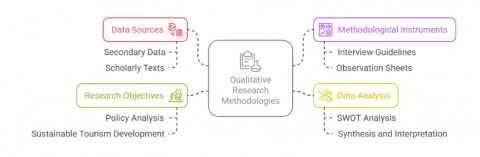
This investigation employs a qualitative research paradigm utilizing an exploratory case study approach [27]. The demographic examined comprises local governmental entities, affiliated organizations, tourism stakeholders, and indigenous populations residing on Rupat Island. The sample for this study was ascertained through purposive sampling, whereby participants were chosen based on their engagement in policy development or tourism administration within the region. The subsequent phases of the research are illustrated in Figure 1.
The aggregate number of informants engaged in the interviews comprised 20 individuals sourced from 5 distinct agencies, which included 9 policymakers affiliated with tourism departments and local governmental entities, 6 representatives from local communities encompassing small business proprietors, fishermen, and indigenous leaders, in addition to 5 stakeholders from the tourism industry, such as managers of tourist destinations, tour guides, and local transportation operators. Prior to the commencement of the study, informed consent was procured from all participants to guarantee their comprehension of the research aims and their entitlement to decline participation or withdraw at any time.
The process of data collection was executed through comprehensive interviews, participatory observation, and the analysis of pertinent documents. Comprehensive interviews were carried out utilizing a semi-structured interview format lasting 60 minutes per session in order to elicit profound insights into the experiences, perspectives, and interpretations of respondents regarding communication and tourism development policies on Rupat Island. Principal themes are generated through the method of inductive coding, wherein patterns and concepts manifest organically from the raw data without preconceived notions. Furthermore, relevant documentation is systematically gathered to bolster the analytical framework, encompassing policy reports, project evaluations, and minutes from meetings addressing tourism and investment matters on Rupat Island. Field observations were performed over a duration of four months at significant tourist locations to comprehend the dynamics of interactions among stakeholders and to pinpoint practical impediments in the implementation of policies.
The dataset is categorized into various principal classifications, encompassing communications policy, community engagement, and infrastructure. Subsequently, the data were systematically organized in accordance with prominent themes and scrutinized rigorously to derive salient findings. To ascertain the reliability of the findings, data triangulation was conducted by contrasting information obtained from interviews, field observations, and documentary sources. In instances where discrepancies arise among the interview data, observations, and documents, reconciliation is achieved through deliberations within the research team to ensure an equitable interpretation. The resultant findings exhibit consistency and may be regarded as credible.
Figure 1. Research stages
4.1 Tourism management government communication policy
This research elucidates that the administration of tourism on Rupat Island, situated as a frontier region between Indonesia and Malaysia, encounters a plethora of substantial challenges. A primary impediment identified is the policy disjunction among governmental entities, resulting in a misalignment of priorities and strategic approaches in the advancement of tourism. Findings derived from comprehensive interviews indicate that such disorganization obstructs the capacity of local authorities to collaborate effectively with the central government and the private sector in the execution of viable policies. Furthermore, the deficiency of participatory communication methodologies emerges as a significant determinant that adversely affects the engagement levels of local communities in tourism-related decision-making processes. The investigation disclosed that residents perceived a diminished involvement in the tourism governance framework, which consequently restricted their opportunities to reap economic advantages from the sector.
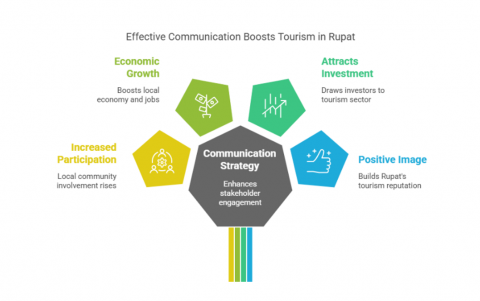
Figure 2 elucidates that within the framework of Rupat Island as a tourism destination situated at an international border between Indonesia and Malaysia, tourism policy is instrumental in enhancing and marketing the region's tourism potential to both domestic and international visitors. Through the adept formulation and management of communication strategies, encompassing promotional initiatives, social media engagement, and partnerships with the tourism sector, Pulau Rupat can achieve heightened visibility and fulfill the aspirations of tourists. The role of the tourism communication policy is also pivotal in cultivating a favorable image of North Rupat as a compelling tourist destination. The policies established are congruent with and committed to its vision, mission, objectives, and strategic aims [28]. Policy formulation in the border regions of a nation's territory is crucial, as central government regulations frequently necessitate direct intervention in matters pertaining to Defense and Security, including those which fall exclusively under governmental jurisdiction [29]. Regional development is designed to enhance economic value, foster developmental commonality, and bolster national capabilities [30].
Figure 2. The communication strategy for the implementation of tourism in Rupat
In addition, for the establishment of the Rupat Island Tourism Development Area, collaboration and strategic frameworks from diverse policy domains are imperative. Pulau Rupat constitutes an outlying district possessing the potential to evolve into a globally recognized tourist destination. The interplay between the tourism sector and investment is fundamental to the advancement of tourism within the region. A meticulously crafted policy draft should be cognizant of the interrelations between the tourism and investment sectors. Effective communication strategies can facilitate the promotion of investment prospects within the tourism sector, encompassing the construction of tourism infrastructure, the enhancement of tourist attractions, and the establishment of lodging facilities. Through intentional communication efforts, Pulau Rupat has the capacity to captivate the attention of potential investors who could significantly contribute to the enhancement of tourism in the region. Furthermore, investments directed towards the tourism sector can yield tangible benefits for the advancement of the domestic economy, create entrepreneurial opportunities, and bolster the overall competitiveness of North Rupat.
Government communication policy fundamentally serves as an instrument designed to enhance the transmission of information among various subsystems within a governmental framework. By means of communication policy, the government is able to articulate the formulation, strategizing, and execution of initiatives targeted at fulfilling national objectives to the populace. The process of formulating communication policy is inextricably linked to the existing communication system of the nation [17]. In the realm of tourism management, communication policy plays an indispensable role in ensuring that the subsystems engaged in tourism management comprising central government, local authorities, the private sector, and the general public function in a cohesive manner. Well-conceived communication policies can foster inter-sectoral dialogue, thereby promote policy integration and enhance interagency collaboration in the administration of tourist destinations.
The subsystems associated with tourism management necessitate unequivocal regulation to ascertain that communication policies operate effectively. This encompasses harmonization between local and central governmental entities, collaboration with the private sector, in addition to the engagement of local communities. This organized communication framework facilitates the government in conveying its vision, mission, and tourism development strategy proficiently, thereby attaining the objectives it has established.
4.2 Analysis of tourism development opportunities and challenges in Rupat Island
The Government of Riau Province has formulated a comprehensive master plan for the advancement of tourism, as established by the Indonesian government, specifically for Rupat Island, due to its fulfillment of significant potential criteria, including its strategic geographical location situated within a border area between nations. Rupat Island has been classified as a special area owing to its substantial coastal tourism potential, which has been prioritized within the development framework.
The island boasts an array of potential tourist attractions that encompass natural, cultural, and artificial dimensions. The findings from the identification of tourism potential indicate that the island's natural beauty constitutes a significant advantage that can be leveraged to create compelling tourist experiences. Furthermore, the cultural distinctiveness of the indigenous population, including the local wisdom of the Malays and other ethnic groups, as well as the historical context of Dutch colonization in Bengkalis, represent additional valuable elements that can be presented to visitors [31]. Tourists are also afforded the opportunity to engage with the social and cultural practices of the local inhabitants, including traditional ceremonies, performing arts, and regional culinary offerings. The Bengkalis Regency Government has executed a promotional strategy that emphasizes local wisdom, with the objective of disseminating historical and cultural values alongside the island's natural allure. Here is the SWOT analysis regarding the tourism exploitation of Rupat Island (Table 1).
Table 1. Rupat Island tourism exploitation analysis
|
Strengths |
religious religion
famous at home and abroad
|
|
Weaknesses |
|
|
Opportunities |
|
|
Threats |
|
Rupat Island possesses several inherent strengths that serve as fundamental pillars for the advancement of tourism within the region. Primarily, the local customs and cultural practices, deeply embedded with religious values, constitute a distinctive allure for tourists [31]. This cultural heritage not only fosters a robust local identity, but also has the potential to serve as a wellspring for the creation of tourist destinations grounded in local wisdom, which are progressively sought after by international visitors. Furthermore, Rupat Island has established itself as a prominent tourist destination, recognized both nationally and globally, thereby reinforcing its status within the regional and international tourism marketplace [12]. The array of tourist attractions, encompassing natural wonders such as Indonesia's longest white sand beach and an abundance of cultural richness, positions Rupat Island as a premier destination. Moreover, the Special Economic Area Program initiated by the Indonesian government confers additional advantages, as the region boasts geostrategic significance as a border territory between Indonesia and Malaysia. This strategic advantage not only harbors the potential for enhancing the welfare of the local populace, but also serves to augment the tourism competitiveness of Rupat Island within the global market.
Conversely, Pulau Rupat encounters a multitude of deficiencies that necessitate urgent rectification. A principal obstacle pertains to the ambiguous delineation of authority between the Provincial Government and Bengkalis Regency within the tourism sector, which remains inadequately defined [32]. This ambiguity may obstruct the coordination of interagency governmental policies, thereby complicating the establishment of effective synergies in the management of tourism. Moreover, the human resources allocated to the tourism sector are still insufficient in terms of pertinent knowledge and skills [32]. This scenario underscores the imperative for investment in educational initiatives and training programs aimed at enhancing the capabilities of the local populace in the administration of tourist sites. Furthermore, the transportation infrastructure leading to the tourist destination is not yet fully optimized, which impedes both accessibility and the overall comfort of tourists. Nevertheless, these deficiencies have the potential to be ameliorated through participatory communication strategies that engage local communities in the development of tourism. Events organized by local governmental entities can also serve as informal educational opportunities that foster an understanding of the significance of sustainable tourism management.
Rupat Island presents a myriad of opportunities that can be strategically harnessed to enhance its competitive stance in the realm of tourism. The transition in global tourism paradigms from mass tourism to alternative tourism creates a conducive environment for Rupat Island to cultivate more exclusive and experience-centric tourist locales. Moreover, the elevated exchange rate of foreign currencies relative to the rupiah engenders significant potential for attracting international visitors, as the expenses associated with traveling to Rupat Island become increasingly economical. The occurrence of both international and national events frequently hosted on Rupat Island may also serve as a potent promotional mechanism to elevate the visibility of this tourist destination on a global scale. The region possesses a geostrategic advantage, situated along the Strait of Melaka, a prominent international maritime trade corridor. Nonetheless, threats loom, such as the potential for environmental degradation stemming from unregulated tourism development [13]. Inadequate management practices can precipitate natural deterioration, thereby detrimentally impacting the allure of Rupat Island as a tourist hotspot. Furthermore, sociocultural transformations induced by the influx of tourists from diverse backgrounds may engender both beneficial and adverse consequences. Consequently, the implementation of participatory communication strategies and the integration of cross-sectoral policies are imperative to ensure that tourism development on Rupat Island remains sustainable and does not compromise the integrity of the local environment and culture.
4.3 Infrastructure and the competitive edge of tourism destinations
Although Pulau Rupat possesses significant potential as a tourist destination, the administration of fundamental infrastructure and public amenities on Rupat Island remains markedly insufficient. The existing infrastructure, including access roads to attractions and public transportation, is inadequate, thereby rendering accessibility a critical impediment for tourists. The Bengkalis Regency Government must accord high priority to the advancement of infrastructure in order to enhance the allure and competitiveness of Rupat Island within the global tourism market. Moreover, this infrastructural deficiency also obstructs the capacity of local communities to engage actively in tourism management, as they encounter substantial challenges in harnessing the existing potential. Consequently, a more coordinated and participatory approach among the government, private sector, and local communities is essential to expedite the development of tourist attractions on Rupat Island. Economic infrastructure, including access roads to tourist sites, constitutes one of the primary challenges that obstruct the sustainability of tourism development on Rupat Island.
The availability of infrastructure at tourist destinations is an indispensable requirement for visitors, as it directly influences their comfort and accessibility during their stay. The progression of the tourism sector is largely contingent upon the existing infrastructure, encompassing roads, transportation, and accommodations. In the context of Rupat Island, the sustainability of tourism necessitates the establishment of adequate infrastructure to fulfill the requirements of tourists. Despite the current minimal state of infrastructure on Rupat Island, the area continues to be a preferred destination for visitors, indicating substantial potential for further development. However, another significant barrier to effective tourism management on Rupat Island is the insufficient engagement of the local community. Observational findings indicate that the lack of community participation is attributable to the inadequate organization of events by the local government, resulting in diminished involvement of the community in tourism development.
The constraints imposed by budget limitations constitute the primary determinant influencing the protracted execution of tourism development policies on Rupat Island. The government of the Bengkalis District requires assistance from both the central and provincial authorities to expedite the enhancement of infrastructure and tourism within the region [33]. In this regard, local governments ought to take into account the significance of community engagement in the stewardship of tourism management, as robust community participation can augment local capabilities in the administration of tourist destinations. The local government has undertaken initiatives to engage the community by organizing mentoring sessions designed to familiarize the populace with the region's potential. These sessions also contribute to altering the mindset of residents, thereby fostering greater involvement in the advancement of tourist destinations.
4.4 Local government investment policy related to tourism management
The Bengkalis Local Government, via its Tourism Department, has engaged in intersectoral collaborations with various Local Government Organizations, including the Public Works Department and the People's Housing sector, in order to expedite the advancement of infrastructure, notably the phased development of road networks. This partnership encompasses stakeholders from diverse categories, encompassing both national entities and private organizations, who contribute to the assurance of sustainable development for tourist destinations [32]. The efficacy of interactions among these stakeholders is pivotal in orchestrating a seamless collaboration, as the synergies fostered among them facilitate the establishment of networks and diverse perspectives from various disciplines in the enhancement of tourist destinations [34]. In pursuit of a unified goal, local authorities are positioned to guarantee that tourism development policies and plans on Rupat Island are comprehensive, addressing multifaceted aspects that are inherently supportive of one another.
The endeavors undertaken by local authorities to enhance tourism on Rupat Island are inextricably linked to the involvement of local residents. Participatory communication strategies represent a robust approach for governmental bodies to engage communities collaboratively in both the identification of challenges and the formulation of solutions [35]. Nevertheless, insufficient public awareness regarding the tourism potential of the region frequently obstructs their engagement in tourism governance [34]. Consequently, the local government facilitates mentoring initiatives designed to familiarize the community with the region's potential. These initiatives serve not only as a modality of formal education but also as a means of non-formal education that equips individuals with an understanding of innovative skills and strategies for managing tourist sites. As a result, the community is empowered to participate more actively in the development of the prevailing tourist assets within their locality.
By officially designating Pulau Rupat as a Special Economic Area, the government facilitates the provision of amenities, advantages, and operational flexibility for investors engaged in activities within the region. The primary aim of this initiative is to stimulate investment interest from both domestic and international entities, thereby fostering economic advancement in the region [36]. Investment directed towards the tourism sector has the potential to enhance high-value economic endeavors, exemplified by the establishment of fashion boutiques, snack vendors, and visual branding that encapsulates local cultural values [37]. Nevertheless, within this framework, the existing communication policies and investments in the tourism sector remain considerably insufficient. Collaborating with external investors represents a strategic approach to enhancing the sustainability of policy development, as these investors can assist in mitigating both internal and external obstacles [38].
The establishment of the Special Economic Area on Rupat Island is intended not only to stimulate economic advancement within the region but also to enhance competitiveness via technological innovation and the augmentation of human resources [39]. Regions endowed with economic and geostrategic advantages have the potential to serve as conduits for increased capital investment, thereby expediting the realization of national economic development objectives. Through the establishment of the Special Economic Zone, the government is positioned to provide enhanced incentives for investors to capitalize on the tourism potential of Rupat Island. This initiative fosters opportunities for the development of adequate infrastructure, the enhancement of the competitiveness of tourist destinations, and the expansion of communication networks among stakeholders, both domestically and internationally.
Table 2 elucidates that the enhancement of tourism quality on Rupat Island is not solely concentrated on the augmentation of facilities and infrastructure at tourist destinations, but also encompasses the establishment of sustainable promotional collaborations among local governmental bodies, national institutions, and the private sector. This underscores the significance of a cohesive communication policy framework in the tourism administration of Rupat Island, an international border region between Indonesia and Malaysia, necessitating a focused communication strategy and optimal synergies among stakeholders from various tiers of governance, encompassing central, provincial, and regional authorities, which are pivotal to ensuring the longevity of tourism in Rupat Island.
Table 2. Rupat Island tourism development policy targets
|
Objective |
Target |
Strategy |
Policy Priorities |
|
Improving the Quality of Tourist Attractions |
Progress Tourist |
|
|
|
|
||
|
|||
|
|
The advancement of tourism in Rupat Island extends beyond the mere enhancement of the amenities and infrastructure associated with tourist attractions; it equally emphasizes the fortification of promotional partnerships between local governments and national institutions. The region possesses geographical advantages and unique cultural characteristics that can serve as substantial assets in the realm of tourism development. Furthermore, there exists a pressing need to enhance the avenues for communication policy expansion across sectors, facilitating greater community involvement in the evolution of sustainable tourist destinations. The Special Economic Area Program, as proposed by the government, necessitates backing through the active participation of local communities in tourism governance to achieve heightened visibility within the international marketplace. Local governments, particularly through the Department of Tourism, have endeavored to captivate the interest of investors across various sectors, both domestic and foreign.
Nevertheless, the stewardship of tourism on Rupat Island transcends mere structural organization of tourist attractions; it also involves the cultivation of more efficacious cross-sectoral collaboration. A concentration on participatory communication policies engenders prospects for the enhancement of local community welfare. Regions endowed with geographical advantages and distinctive local cultural traits emerge as focal points warranting increased attention in tourism management. Consequently, the progression of tourism on Rupat Island mandates a comprehensive and integrated methodology to foster a more stable and sustainable environment [40].
4.5 Challenges of collaboration and monitoring of tourist extraction
Tourism growth in international border areas like Rupat Island often encounters major obstacles, even with joint efforts from central, regional, and other involved parties. A notable discovery in the research is that some policies do not meet their objectives despite the participation of various stakeholders. The Bengkalis Regency Government has teamed up with tourism industry players to hold national events like the Rupat Festival, yet the effect on visitor numbers remains limited. This limitation is caused by ineffective promotion and insufficient basic infrastructure such as transport and lodging. Furthermore, the differences in priorities between the central and local governments also played a significant role in this shortcoming. Central authorities typically see tourism development as a security issue, whereas local governments prioritize the local economy. Thus, it is crucial to not only emphasize teamwork but also to ensure alignment of vision and mission among all parties involved.
In order to address the impediments associated with tourism development on Rupat Island, several definitive measures may be undertaken. Initially, it has constituted a cross-border tourism task force that encompasses the central government, regional authorities, the private sector, and local communities. This task force is entrusted with the responsibility of devising policies that integrate tourism investment with security measures while simultaneously ensuring the effective execution of the program. Secondly, it is imperative to provide formalized training for local human resources within the tourism sector, encompassing roles such as tour guides, event coordinators, and destination managers. This educational initiative has the potential to enhance local capacity and stimulate active community engagement in tourism development.
Thirdly, it is essential to expedite the enhancement of fundamental infrastructure, including road access, port facilities, and public amenities, which are critical prerequisites for attracting both domestic and international tourists. Fourthly, the establishment of an online media platform aimed at promoting Rupat Island’s tourist attractions on a global scale is paramount. Such a platform may serve as a conduit for information dissemination, the cultivation of a positive image, and the generation of interest among potential investors. Lastly, it is vital to conduct systematic evaluations of the policies that have been enacted in order to identify potential obstacles and to recalibrate strategies in alignment with field requirements. These interventions are meticulously designed to furnish pragmatic solutions that can be directly implemented by stakeholders.
The results of this research show that tourism development on Rupat Island, as a border area between Indonesia and Malaysia, is greatly influenced by imperfect cross-sector communication policies, inadequate infrastructure, and minimal local community participation [16, 38]. The main hypothesis of this research that integrated communication policies, infrastructure development, and local community empowerment are the keys to supporting sustainable tourism growth has been proven to be supported by empirical data. However, these results also show that policy disjunction between government agencies and the lack of participatory communication strategies are the main obstacles in managing tourism in this region [21].
By using a qualitative approach involving in-depth interviews, participatory observation, and document analysis [41]. This research found that cross-sector policy integration not only requires synchronization between central and regional governments, but also requires active participation from local communities. This is in accordance with findings from Kézai et al. [5] which show that tourism development in border regions requires a collaborative approach to ensure sustainability and social justice. In addition, this research also highlights the importance of adequate infrastructure management, such as roads, transportation and accommodation facilities, as a critical element in increasing tourism attractiveness [12].
Although the results of this research show great potential for tourism development on Rupat Island, there are several limitations that need to be considered. First, potential bias in data collection through in-depth interviews may affect the internal validity of this research [42]. In addition, measuring the long-term impact of implemented policies has not been fully evaluated, so the external validity of this research is limited to certain geographic and socio-cultural contexts [15].
These findings have significant theoretical and practical implications. Theoretically, this research emphasizes the importance of a collaborative approach in tourism management in border areas, which has often been ignored by traditional management models [29]. Practically, these results provide guidance for local governments and other stakeholders in formulating more effective communication policies. Integrated and participatory policy implementation can overcome obstacles such as policy disjunction and minimal human resource capacity, which will ultimately increase the competitiveness of the Rupat Island tourist destination at the national and international level. Overall, the findings of this research indicate that coordinated and participatory communication policies are the main catalyst for sustainable tourism development on Rupat Island. By overcoming existing obstacles, this tourist destination has great potential to become an attractive international tourist destination, especially in the Indonesia-Malaysia border region. These findings are relevant not only for this island but also for other border regions in Indonesia, which can adopt a similar approach to strengthen tourism as a leading economic sector.
The findings of the investigation indicate that the dissonance among government interagency policies, the absence of participatory communication frameworks, and the deficient basic infrastructure exemplified by the limited availability of access roads for tourists constitute significant impediments to the advancement of tourism within the region. Furthermore, the insufficient engagement of local communities and the dearth of skilled human capital further diminish the competitiveness of tourism destinations. Nevertheless, the evidence also suggests that cross-sector collaborative initiatives, such as the construction of transport infrastructure and the empowerment of communities through participatory communication strategies, have proven effective in enhancing community engagement and augmenting domestic tourist visitation. This substantiates the assertion that an integrated and participatory communication policy can foster synergies among government entities, the private sector, and local communities, ultimately facilitating an environment conducive to investment and tourism development. Explicitly, this conclusion addresses the articulated objectives of the research by identifying barriers in the formulation of tourism investment policies concerning security defense in border areas, as revealed through an analysis of policy fragmentation, infrastructural inadequacies, and insufficient community involvement. The paramount focus in tourism management on Rupat Island is the establishment of efficient communication channels among government bodies, the private sector, and the local populace. By embracing this collaborative paradigm, the Pulau Rupat tourist destination possesses substantial potential to evolve into a prominent international tourist attraction within the context of the Indonesia-Malaysia border region. This conclusion holds significance not only for Rupat Island but also for other border regions across Indonesia, which may adopt analogous methodologies to bolster tourism as a strategic economic sector. For subsequent research endeavors, it is advisable to conduct a longitudinal analysis regarding the impact of the implementation of participatory communication policies and infrastructure development on local economic growth and the international tourist appeal of Rupat Island.
The researcher would like to thank the Chancellor of Riau University, the Dean of the Faculty of Social and Political Sciences, the Riau Provincial Tourism Office, the Bengkalis Regency Tourism, Culture, Youth and Sports Office, the Rupat Island Community, the research team, and all parties who helped until the completion of this research.
[1] Dwyer, L. (2023). Tourism development to enhance resident well-being: A strong sustainability perspective. Sustainability, 15(4): 3321. https://doi.org/10.3390/su15043321
[2] Sofronov, B. (2018). Tourism industry in the world. Annals of Spiru Haret University. Economic Series, 18(4): 123-137.
[3] del Río, J.A.J., Agüera, F.O., Cuadra, S.M., Morales, P.C. (2017). Satisfaction in border tourism: An analysis with structural equations. European Research on Management and Business Economics, 23(2): 103-112. https://doi.org/10.1016/j.iedeen.2017.02.001
[4] Silm, S., Jauhiainen, J.S., Raun, J., Tiru, M. (2021). Temporary population mobilities between Estonia and Finland based on mobile phone data and the emergence of a cross-border region. European Planning Studies, 29(4): 699-719. https://doi.org/10.1080/09654313.2020.1774514
[5] Kézai, P.K., Dömötör, M., Fekete, D. (2022). Sustainable and innovative cross-border regional development with focus on tourism in the Danube Basin—A case-study of Szigetköz and Csallóköz (Žitný Ostrov). Sustainability, 14(12): 7037. https://doi.org/10.3390/su14127037
[6] Więckowski, M. (2023). How border tripoints offer opportunities for transboundary tourism development. Tourism Geographies, 25(1): 310-333. https://doi.org/10.1080/14616688.2021.1878268
[7] Clarke-Sather, A. (2020). ‘But we are the most backward’: Hierarchical categorization of modernity in contemporary Chinese national identity. Political Geography, 83: 102260. https://doi.org/10.1016/j.polgeo.2020.102260
[8] Anderson, J., O’Dowd, L. (1999). Borders, border regions and territoriality: Contradictory meanings, changing significance. Regional Studies, 33(7): 593-604. https://doi.org/10.1080/00343409950078648
[9] Briggs, J., Yeboah, I.E.A. (2001). Structural adjustment and the contemporary sub-Saharan African city. Area, 33(1): 18-26. https://doi.org/10.1111/1475-4762.00004
[10] Çetin, M.K., Sekreter, M.S., Mert, M. (2023). The effect of price and security on tourism demand: Panel quantile regression approach. Advances in Hospitality and Tourism Research, 11(2): 256-276. https://doi.org/10.30519/ahtr.1204246
[11] Wendt, J.A., Bógdał-Brzezińska, A. (2024). Security and securitization as topics in sustainability and tourism research. Sustainability, 16(2): 1-15. https://doi.org/10.3390/su16020905
[12] Santos, E., Castanho, R.A., Meyer, D. (2022). Is investment contributing to competitiveness in nautical tourism in the Atlantic Area? Water, 14(19): 1-17. https://doi.org/10.3390/w14192964
[13] Baloch, Q.B., Shah, S.N., Iqbal, N., Sheeraz, M., Asadullah, M., Mahar, S., Khan, A.U. (2023). Impact of tourism development upon environmental sustainability: A suggested framework for sustainable ecotourism. Environmental Science and Pollution Research, 30(3): 5917-5930. https://doi.org/10.1007/s11356-022-22496-w
[14] Dwyer, L. (2023). Tourism development and sustainable well-being: A Beyond GDP perspective. Journal of Sustainable Tourism, 31(10): 2399-2416. https://doi.org/10.1080/09669582.2020.1825457
[15] Rasoolimanesh, S.M., Ramakrishna, S., Hall, C.M., Esfandiar, K., Seyfi, S. (2023). A systematic scoping review of sustainable tourism indicators in relation to the sustainable development goals. Journal of Sustainable Tourism, 31(7): 1497-1517. https://doi.org/10.1080/09669582.2020.1775621
[16] Kausarian, H., Batubara, A.R., Astuti, P., Sumantyo, J.T.S., Lubis, M.Z. (2023). 17 years of coastline changes observation in the Northern Part of Rupat Island using Landsat 7 ETM + Time Series Imagery (2000-2017); A case study of the country’s border between Indonesia - Malaysia. Sains Malaysiana, 52(9): 2513-2528. https://doi.org/10.17576/JSM-2023-5209-04
[17] Banga, C., Deka, A., Kilic, H., Ozturen, A., Ozdeser, H. (2022). The role of clean energy in the development of sustainable tourism: Does renewable energy use help mitigate environmental pollution? A panel data analysis. Environmental Science and Pollution Research, 29(39): 59363-59373. https://doi.org/10.1007/s11356-022-19991-5
[18] Cheng, Y., Zhu, K., Zhou, Q., El Archi, Y., Kabil, M., Remenyik, B., Dávid, L.D. (2023). Tourism ecological efficiency and sustainable development in the Hanjiang River Basin: A super-efficiency slacks-based measure model study. Sustainability, 15(7): 1-17. https://doi.org/10.3390/su15076159
[19] Asmit, B., Syahza, A., Mahdum, A., Riadi, R.M. (2020). Opportunities and prospect for tourism development on Rupat island, Indonesia. Folia Geographica, 62(2): 133-148.
[20] Gonda, T. (2024). The importance of infrastructure in the development of accessible tourism. Journal of Infrastructure, Policy and Development, 8(2): 1-12. https://doi.org/10.24294/jipd.v8i2.2735
[21] Chia, K.W., Loze, B. (2024). The challenge of formulating tourism policy in small island developing states (SIDS): Evidence from Seychelles. International Journal of Tourism Policy, 14(5): 479-492. https://doi.org/10.1504/ijtp.2024.10063369
[22] Zhang, F., Sarker, M.N.I., Lv, Y. (2022). Coupling coordination of the regional economy, tourism industry, and the ecological environment: Evidence from Western China. Sustainability, 14(3): 1654. https://doi.org/10.3390/su14031654
[23] Jaiswal, R., Gupta, S., Tiwari, A.K. (2025). Environmental, social and governance-type investing: A multi-stakeholder machine learning analysis. Management Decision. https://doi.org/10.1108/MD-04-2024-0930
[24] Babawarun, O., Okolo, C.A., Arowoogun, J.O., Adeniyi, A.O., Chidi, R. (2024). Healthcare managerial challenges in rural and underserved areas: A review. World Journal of Biology Pharmacy and Health Sciences, 17(2): 323-330. https://doi.org/10.30574/wjbphs.2024.17.2.0087
[25] Stoliarchuk, N., Pletsan, K., Dovganych, R., Opanashchuk, P., Bugrov, M. (1923). Globalisation and its influence on safeguarding national cultural heritage. OIDA International Journal of Sustainable Development, Globalisation and Its Influence on Safeguarding National Cultural Heritage (January 04, 2025). OIDA International Journal of Sustainable Development, 18(7): 33-42.
[26] Gonzaga, G.L., Pratama, A.B. (2025). Social capital and prospects for collaborative governance: An ethnographic case study of Sama-Bajaus’ post-disaster experiences. Public Administration and Development, 1-12. https://doi.org/10.1002/pad.2096
[27] Busetto, L., Wick, W., Gumbinger, C. (2020). How to use and assess qualitative research methods. Neurological Research and Practice, 2: 14. https://doi.org/10.1186/s42466-020-00059-z
[28] Blokland, P., Reniers, G. (2021). Achieving organisational alignment, safety and sustainable performance in organisations. Sustainability, 13(18): 1-35. https://doi.org/10.3390/su131810400
[29] Berzi, M., Ariza, E. (2018). A local transboundary approach to the governance of mediterranean coastal borderlands. Coastal Management, 46(5): 471-487. https://doi.org/10.1080/08920753.2018.1498713
[30] Pike, A., Rodríguez-Pose, A., Tomaney, J. (2017). What kind of local and regional development and for whom? Regional Studies, 41(9): 1253-1269. https://doi.org/10.1080/00343400701543355
[31] Jarratt, D., Phelan, C., Wain, J., Dale, S. (2019). Developing a sense of place toolkit: Identifying destination uniqueness. Tourism and Hospitality Research, 19(4): 408-421. https://doi.org/10.1177/1467358418768678
[32] Masrurun, Z.Z., Nastiti, D.M. (2023). Analysis in the development of a strategic tourism area in Wonosobo Regency. Jurnal Kepariwisataan Indonesia, 17(1): 99-118.
[33] Jannah, E.U., Muryani, C., Rindarjono, M.G. (2018). Community-based tourism development at Gajah Mungkur Wonogiri Tourist Attraction. IOP Conference Series: Earth and Environmental Science, 145(1): 012017. https://doi.org/10.1088/1755-1315/145/1/012017
[34] Erlandia, D.R., Suryana, A., Novianti, E., Kheokao, J. (2023). Multi-stakeholder collaboration in improving the quality of local human resources in super-priority tourism destination Labuan Bajo Manggarai Regency. Journal of Law and Sustainable Development, 11(12): e2133. https://doi.org/10.55908/sdgs.v11i12.2133
[35] Olorunnisola, A.A., Mohammed, W.F., Moore, S. (2022). Community radio in contemporary South Africa–Deconstructing complexities in demarginalization. Journal of Radio and Audio Media, 29(2): 286-303. https://doi.org/10.1080/19376529.2020.1801688
[36] Darsana, I.M., Sudjana, I.M. (2022). A literature study of Indonesian tourism human resources development in the era of Society 5.0. AL-ISHLAH: Jurnal Pendidikan, 14(3): 2691-2700. https://doi.org/10.35445/alishlah.v14i3.2014
[37] Juniawati, G.R. (2022). Impact of tourism investment on settlement functions in Ubud Bali: Spatial, social and economic transformation. Journal of Regional and Rural Development Planning, 6(3): 276-286.
[38] Sousa, B., Santos, R., Lubowiecki-Vikuk, A. (2021). Slow tourism as a tourism alternative to sustainable development. Journal of Environmental Management and Tourism, 12(5): 1403-1408. https://doi.org/10.14505//jemt.v12.5(53).24
[39] Kiswantoro, A., Sugiarto, S., Hendratono, T., Rohman, N. (2024). Entrepreneurial potential in realizing the local economy in the tourist village. Proceeding of The International Global Tourism Science and Vocational Education, 1(1): 109-119. https://doi.org/10.62951/icgtsave.v1i1.11
[40] Gu, X., Wu, J., Guo, H., Li, G. (2018). Local tourism cycle and external business cycle. Annals of Tourism Research, 73: 159-170. https://doi.org/10.1016/j.annals.2018.06.007
[41] Elo, S., Kääriäinen, M., Kanste, O., Pölkki, T., Utriainen, K., Kyngäs, H. (2014). Qualitative content analysis. SAGE Open, 4(1): 215824401452263. https://doi.org/10.1177/2158244014522633
[42] Cairney, P., Kwiatkowski, R. (2017). How to communicate effectively with policymakers: Combine insights from psychology and policy studies. Palgrave Communications, 3(1): 37. https://doi.org/10.1057/s41599-017-0046-8