Mexsasai Indra | Belli Nasution | Ismandianto Ismandianto* | Tito Handoko
© 2025 The authors. This article is published by IIETA and is licensed under the CC BY 4.0 license (http://creativecommons.org/licenses/by/4.0/).
OPEN ACCESS
The COVID-19 pandemic has significantly altered the framework of global governance, particularly in the realm of decentralized governance, thereby impacting the social, legal, political, and public communication paradigms within Riau Province. This research aims to assess the effectiveness of supported emergency policies in strengthening governance agility and public trust during the crisis. The methodological approach adopted is qualitative, employing a descriptive framework that integrates primary data derived from interviews and field observations alongside secondary data sourced from official documentation. The findings indicate that initiatives such as large scale social restrictions and vaccination campaigns were instituted as a countermeasure to the health emergency. Nevertheless, these initiatives frequently exhibit a lack of transparency, leading to legal ambiguities and community resistance attributable to economic ramifications. Social disruptions are furthermore manifested through mobility constraints, digital disparities, and fluctuations in information dissemination that undermine the efficacy of public communication. The implications of this research may serve as a foundation for the formulation of economic recovery strategies, enhancement of the healthcare infrastructure, and the fortification of digital literacy in preparation for prospective pandemic challenges. This study offers a basis for policymakers to devise adaptive strategies in the context of a global crisis.
pandemic, social disruption, law, politics, public communication, crisis management
The COVID-19 pandemic has greatly affected global governance, forcing governments to implement emergency measures while managing economic and social stability [1-3]. In Indonesia, decentralized governance poses unique challenges, as local governments must balance national mandates with local realities [4]. The crisis revealed gaps in policy enforcement, intergovernmental coordination, and crisis communication strategies [4-6]. Riau Province, as a strategic economic center faces significant difficulties in controlling virus transmission, especially due to its role as a gateway to the western region of Indonesia. With high levels of population movement and trade, enforcing strict health measures has become even more important to stop the virus from spreading further in the region. Addressing these issues will largely depend on teamwork among governments, citizens and businesses to create safe and healthy spaces for everyone [7-9]. Furthermore, efforts to educate the public on the importance of literacy and following health guidelines will be crucial in minimizing the risk of transmission and protecting at-risk groups [10-13]. In addition, improving local healthcare systems and increasing the capacity of medical services will be crucial in preparing for future increases in cases [4, 14]. This study investigates regional emergency policy responses, evaluating their legal, political and communicative effectiveness in mitigating disruptions caused by the pandemic [15].
Governance challenges during the pandemic have seen inconsistencies in legal frameworks and policy implementation. While the central government imposed large-scale social restrictions [16], the implementation varied across regions, leading to confusion and resistance among the public. In addition, the reliance on digital platforms for public health messaging highlights weaknesses in the government's communication strategy, exacerbating misinformation and public distrust [17]. These factors call for a critical assessment of how decentralized governance structures respond to crises and where improvements can be made.
This study aims to assess the effectiveness of supported emergency policies in strengthening governance agility and public trust during crises. In particular, it seeks to examine how digital decision-making and public engagement strategies can improve intergovernmental coordination and crisis communication. By integrating policy analysis and empirical case studies in Riau, the research provides insights into best practices and areas that require institutional reform.
While there is a wealth of research on crisis governance [18-21], there is still a gap in understanding how governments can improve emergency policy response in decentralized governance structures. Most existing research focuses on centralized decision-making frameworks, leaving regional policy adaptation unexplored. This study bridges this gap by evaluating how supported governance mechanisms can optimize regional crisis management, thus making a new contribution to the discourse of policy agility and resilience.
Most previous studies tend to focus on health or economic aspects in general, without looking at the complex interactions between law, politics and public communication. This research comes to fill the gap by offering a comprehensive analysis of how these three dimensions interrelate and influence responses to the pandemic. As such, it makes an important contribution to a more holistic understanding of social disaster management in the era of disruption.
The novel and innovative aspect of this research lies in its multidimensional approach, which combines legal, political and public communication analysis within a single framework. This approach is not only relevant for understanding the dynamics of pandemic management in Riau Province but also has broader implications for social disaster management at the national and global levels. This research emphasizes the importance of collaboration between government agencies, transparency in public communication, and policy adaptation that is responsive to community needs. Thus, this research is expected to be an important reference for academics, policy makers, and practitioners in facing increasingly complex global challenges in the future.
2.1 Crisis governance and emergency policies
Crisis governance refers to a country's ability to execute a response to an emergency in a timely, effective, and legal manner [22, 23]. Emergency policies, such as Indonesia's Large-Scale Social Restrictions [24], attempt to balance public health concerns with economic stability [25]. However, decentralisation often creates problems of governance chaos, leading to inconsistent enforcement of national policies at the local level. This inconsistency has the potential to erode public trust and compliance, which in turn, significantly hampers the overall effectiveness of emergency interventions during times of crisis [26, 27]. These inconsistencies have the potential to erode community trust and compliance, thus significantly hampering the overall effectiveness of emergency interventions in times of crisis. Improper governance can erode public trust and compliance, significantly hampering the overall effectiveness of emergency interventions during times of crisis. Addressing these challenges requires a cohesive strategy that encourages collaboration between national and regional authorities to ensure consistent policy implementation. This collaboration is essential to ensure that emergency actions are not only communicated in a timely manner, but also that the public's trust and compliance is maintained.
2.2 State capacity and decentralization in Indonesia
State capacity offers an in-depth examination of the influence of local government capability on the delivery of public services within Indonesia's decentralized framework [28]. Furthermore, underperforming local governments can obstruct the effective execution of policies, particularly during periods of crisis [29], such as the COVID-19 pandemic. It follows that policy responses characterized by fragmentation may emerge from insufficient state capacities in decentralized systems [30]. Research identifies three pivotal dimensions analytical, operational, and political capacities that are crucial for enhancing the performance of local governments in service delivery [31]. The results of this research indicate that enhancements in these capacities may lead to a more unified and effective public policy response, thereby providing a framework for assessing Riau's response to the COVID-19 crisis. By underscoring the necessity for a holistic approach to local government capacity, this reference substantiates the assertion that rectifying these deficiencies is vital for effective governance in a decentralized environment such as Indonesia [28, 32].
The results of this research indicate that enhancements in these capacities may lead to a more unified and effective public policy response, thereby providing a framework for assessing Riau's response to the COVID-19 crisis. By underscoring the necessity for a holistic approach to local government capacity, this reference substantiates the assertion that rectifying these deficiencies is vital for effective governance in a decentralized environment such as Indonesia [28]. Additionally, Warsono et al. [32] present a pertinent analysis of the difficulties encountered by local governments in Indonesia during the COVID-19 pandemic, particularly concerning accountability and financial governance.
In particular, local governmental entities possessing diminished capacities encounter considerable obstacles attributable to political disunity and insufficient coordination among municipal units. This disunity may yield variable policy responses, thereby compromising the overall efficacy of emergency measures, such as those enacted to mitigate the impacts of COVID-19 [33]. The Indonesian administration implemented strategies to regulate population mobility throughout the COVID-19 pandemic. This is directly pertinent to the user's inquiry by elucidating how Indonesia's decentralized governmental framework influences the execution of policies [34].
2.3 Community trust and policy legitimacy
This study provides important insights into how public trust in effective crisis management relates to how communication strategies influence public adherence [35, 36]. Distrust in government is significantly linked to lower rates of vaccine acceptance and coverage, supporting the idea that misinformation and poor communication can affect compliance with government mandates [37]. Furthermore, the results indicate that social media sentiment about vaccination might mirror wider trends in community trust and acceptance, highlighting the importance of effective digital communication strategies in promoting health policy adherence. The government should be a focus for policy makers since user perspectives influence public acceptance of COVID-19 policies in Riau. By demonstrating the link between trust and compliance, this reference emphasizes the importance of clear and cohesive communication to boost community confidence in government actions. Local governments might struggle to communicate effectively about community acceptance of policies, especially in decentralized settings like Riau, where conveying information can be challenging. There is a pressing need to enhance government communication efforts, particularly via social media, to build trust and compliance within communities during health crises [38-40].
This investigation employs a qualitative methodology characterized by an exploratory framework to examine the phenomenon of social disruption resulting from the COVID-19 pandemic within the confines of Riau Province [17, 41-43]. The selection of this study's design was made to facilitate a comprehensive understanding of the social, legal, political, and public communication dynamics that emerged in response to the pandemic.
The demographic cohort examined in this investigation encompassed communities within Riau Province that were impacted by the pandemic, in addition to policy stakeholders who were directly engaged in the decision-making processes pertinent to pandemic management. The selection of samples was executed employing purposive sampling methodologies predicated on the pertinence of the information that the respondents were able to furnish. The locus of the research was established across four representative districts and cities, specifically Kuantan Singingi Regency, Siak Regency, Kota Dumai, and Kota Pekanbaru. The criteria for location selection were informed by geographic variables, the magnitude of pandemic dissemination, demographic attributes, as well as the public's perceptions regarding governmental interventions.
The research methodology commences with the delineation of the research locale and the identification of pertinent key informants. Primary data were meticulously gathered through semi-structured interviews with 36 key informants hailing from diverse backgrounds, which include governmental representatives, healthcare practitioners, public figures, and civilians. Each interview session is conducted over a duration ranging from 45 minutes to 1 hour and 30 minutes. Furthermore, systematic observations are undertaken to document both physical and non-physical dimensions of the situational context [44]. Secondary data are sourced from official governmental publications, media analyses, as well as scholarly literature pertinent to pandemic governance within the region.
The methodology of data collection encompasses three primary approaches, specifically interviews, observations, and document analysis. The interviews are designed to explore in-depth insights from policy makers and the general populace regarding governmental response strategies during the pandemic [45]. Observational techniques are employed to acquire a more holistic contextual understanding of the prevailing realities on-site. Document analysis entails a systematic examination of official governmental publications, statistical reports, and pertinent literature to facilitate data triangulation [46].
The data derived from interview outcomes, observational notes, and documentation were rigorously subjected to analysis in order to discern patterns, themes, and significant insights. The analytical procedure commences with the transcription of the unrefined data, subsequently advancing to the codification phase which categorizes the information according to defined classifications. The findings resulting from this analysis are systematically organized into a narrative that is robustly substantiated by empirical evidence obtained from the field.
4.1 General overview of Riau Province
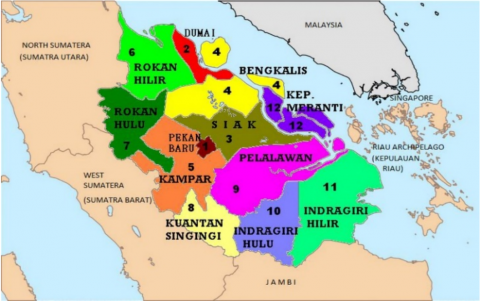
Riau Province comes from the Portuguese word "Rio", which means river. Riau was referred only to the territory of the young pertuan (Lord Rajah of Johor) on Penyengat Island. This area then became the Residentie Riouw area of the Dutch East Indies government which was based in Tanjung Pinang, and Riouw is spelled by local people as Riau. The area of Riau province is 87,023.66 km², which stretches from the slopes of Bukit Barisan to the Strait of Malacca. Riau has a wet tropical climate with average rainfall ranging from 2000-3000 millimeters per year, and an average of around 160 days of rain per year. Geographically, Riau Province, whose capital is Pekanbaru, is located at 02°25' N-01°15° S and 100°03'-104°00' E. This is a map showcasing Riau Province, Indonesia, as seen in Figure 1.
Figure 1. Map of Riau Province, Indonesia
The area is quite large and is in the central part of Sumatra Island. Riau Province directly borders North Sumatra Province and the Malacca Strait to the north. Together with the Riau Islands Province, the Malacca Strait still forms a natural barrier to the east. The southern provincial boundaries are the provinces of Jambi and West Sumatra. Meanwhile, the western border is the provinces of West Sumatra and North Sumatra. Riau Province consists of 12 districts and cities, namely Pekanbaru City, Dumai City, Kampar Regency, Pelalawan Regency, Siak Regency, Rokan Hulu Regency, Rokan Hilir Regency, Indragiri Hilir Regency, Indragiri Hulu Regency, Bengkalis Regency, Meranti Islands Regency, Kuantan Sengingi Regency. The population of Riau Province is 6,500,971 people. Pekanbaru City is in first place as the city with the most population, whereas Meranti Islands Regency is ranked as the district with the least population.
4.2 Regional policy in managing disasters due to COVID-19
The Indonesian government has established legal politics by issuing three legal instruments as preventive measures against the spread of the COVID-19 outbreak: First, RI Presidential Decree No. 11 of 2020 concerning the Determination of the 2019 Corona Virus Disease Public Health Emergency; Second, Government Regulation No. 21 of 2020 concerning Large-Scale Social Restrictions in the Context of Accelerating Handling of Corona Virus Disease 2019, and; Third, Government Regulation in Lieu of Law no. 1 of 2020 concerning State Financial Policy and Financial System Stability for Handling the 2019 Corona Virus Disease (COVID-19) Pandemic. In Order to Face Threats to the National Economy and Financial System Stability.
However, this legal politics gave rise to criticism [47], these regulations were deemed to have been issued too late, as a result of this delay, both the Central Government and Regional Governments experienced failure to take steps to overcome the COVID-19 pandemic outbreak.
Regarding financial system stability policies [48, 49]. At first glance, this policy is considered positive and is seen as a way to save state finances, as well as allowing for changes to the APBN budget allocation for the costs of dealing with the COVID-19 outbreak. However, in terms of its substance, Government Regulation No.1 of 2020 contains legal problems, which have the potential to give rise to morals and corruption in every action or decision taken by officials. This is because actions cannot be prosecuted civilly, criminally or state administratively. The government has actually taken political and legal maneuvers that are counterproductive to efforts to protect the people's right to health from the COVID-19 pandemic [50].
4.3 Regional government legal actions in handling the COVID-19 pandemic
Government legal action is an action or legal action intended to create rights and obligations [51]. In other words, an action or deed based on its nature and character can give rise to certain legal consequences [52]. The government's legal actions or actions must also be based on applicable laws and regulations so that the actions or actions are legal. Therefore, a legal instrument is needed public to measure whether an action is or whether the government's actions are in accordance with the basic authority it has or not. Public legal instruments do not only include the making of statutory regulations. However, it is related to making government decisions or decrees, policy regulations, determining government plans, and licensing. In response to the COVID-19 pandemic, the Regional Government took a number of steps to deal with the situation. The following are several steps taken by local governments in handling the COVID-19 and post-Covid pandemic. Furthermore, the elements of prevention and handling and their solutions are shown in Table 1.
Table 1. Handling the COVID-19 and post-covid pandemics
|
Elements of Prevention and Treatment |
Solution |
|
Planning and Coordination: |
Health, security and economic recovery. Coordinate with related parties, including health institutions, private parties and local communities. Form a team to handle COVID-19 consisting of various related sectors, such as health, security and economic recovery. Coordinate with related parties, including health institutions, private parties and local communities. |
|
Effective Communication: |
Provide clear, accurate and up-to-date information to the public about the COVID-19 situation, preventive measures and health protocols. Promote public awareness of the importance of vaccination and health protocols. |
|
Health Capacity Building: |
Increase the capacity of hospitals and other health facilities to treat COVID-19 patients. Ensure the availability of personal protective equipment (PPE) and other medical equipment. |
|
Testing and Contact Tracing: |
Increase testing capacity to detect cases early. Carry out aggressive contact tracing to break the chain of transmission. |
|
Quarantine and Isolation: |
Provide adequate quarantine and isolation facilities for COVID-19 patients. Ensure effective isolation procedures and provide psychological support for patients and their families. |
|
Economic Recovery: |
Create an economic recovery plan that involves assistance to affected businesses and workers. Design policies that support the recovery of local economic sectors. |
|
Public Education and Awareness: |
Educate the public about the importance of complying with health protocols. Promote awareness campaigns to encourage safe behavior and support prevention policies. |
|
Social Assistance: |
Providing social assistance to the most affected community groups, such as informal workers and poor families. Ensure that aid distribution is carried out transparently and fairly. |
|
Community Involvement: |
Involving the community in the decision-making process and policy implementation. Encourage active community participation in efforts to prevent and control COVID-19. |
|
Evaluation and Update: |
Conduct regular evaluations of the effectiveness of the steps taken. Adapt strategies based on evolving situations and new knowledge about COVID-19. |
4.4 Regional government legal actions in handling the COVID-19 pandemic
The Riau Provincial Government has taken various legal and non-legal actions to deal with the COVID-19 pandemic. The following are some general actions that local governments can take in handling the COVID-19 and post-COVID-19 pandemics and the aftermath, as illustrated in Table 2.
Table 2. Regional government steps in COVID-19
|
Government Actions in Dealing with COVID-19 |
Policy Solutions |
|
Implementation of Large-Scale Social Restrictions: |
Regional governments can implement PSBB policies to limit people's movements and prevent the spread of the virus. This involves limiting non-essential social and economic activities. |
|
Transportation and Mobility Arrangements: |
Local governments can regulate public transportation, including limiting the number of passengers, adjusting schedules, or even temporarily closing them depending on the level of risk of spreading COVID-19. |
|
Implementation of Health Protocols: |
Local governments can impose strict rules regarding health protocols, such as wearing masks, physical distancing and hygiene protocols in public places. |
|
Implementation of Work and Education Restrictions: |
Local governments can implement work from home policies for certain sectors and temporarily close schools or educational institutions. |
|
Handling Positive Cases and Health Monitoring: |
The regional government is working with the local health department to carry out contact tracing, massive testing and isolation of positive cases. Health monitoring at regional borders can also be tightened. |
|
Strengthening the Health System: |
Local governments can increase the capacity of the local health system, including increasing hospital bed capacity, procuring medical equipment, and involving more health workers. |
|
Providing Social Assistance: |
Regional governments can provide social assistance to people economically affected by the pandemic, such as basic food packages or direct financial assistance. |
|
Community Education: |
Local governments play a role in providing education to the public about the dangers of COVID-19, health protocols that must be followed, and the importance of vaccination. |
These actions may be taken on specific legal grounds, such as relevant regional regulations or government regulations. It is important to remember that the government's response may change over time according to developments in the pandemic situation and direction from the central government. If you want more accurate and up-to-date information, it is recommended to refer to official sources from the Siak Regency Government or related government agencies.
The development of the Riau Provincial Government's legal actions in handling the COVID-19 pandemic and post-pandemic changes over time. In general, legal actions taken by local governments to tackle the pandemic include regulations and policies that regulate various aspects, from social restrictions to strengthening the health system. The following Table 3 shows some of the legal actions generally taken by municipal governments in the context of the COVID-19 pandemic:
Table 3. Some of the legal actions generally taken by municipal governments in the context of the COVID-19 pandemic
|
During the COVID-19 Pandemic: |
|
|
Post COVID-19 Pandemic: |
|
4.5 Forms of disruption arising from the COVID-19 social disaster
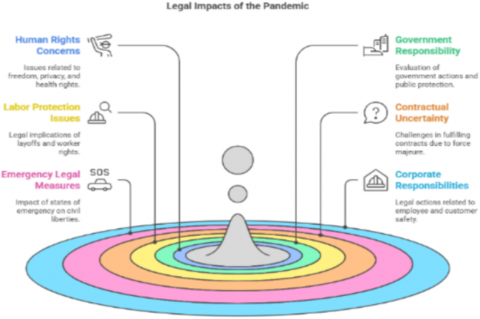
The COVID-19 pandemic has had significant legal impacts in various sectors, especially in the aspects of human rights, state policy, employment, contract permits, emergency law, and corporate responsibility. Social restrictions and policies lockdown applied globally raises legal dilemmas regarding the balance between public health interests and individual rights. Freedom of movement, the right to work, and privacy in the use of tracking technology are the main issues in human rights legal discourse. On the other hand, governments face challenges in being accountable for their policies, both in terms of effectiveness in protecting public health and transparency in decision making. An evaluation of this policy highlights its importance proportionality in health regulations and state accountability in the global crisis.
Figure 2 shows that the economic impact of the pandemic has worsened labor conditions by increasing termination of employment, reduction of working hours, and changes in work patterns, such as remote work. This situation raises related legal questions employee rights, social protection, and employer obligations in ensuring the safety and welfare of the workforce. In the realm of civil and business law, the pandemic has also created contractual issues, especially in implementation klausul force majeure which allows the release of legal obligations due to extraordinary circumstances. Differences in standards for the application of force majeure in various clicks on complex contracts, both in the business and individual sectors.
Figure 2. Legal impact of the pandemic
In addition, the implementation of emergency legal status in certain nations leads to a corresponding loss of civil liberties and the mechanisms that ensure checks and balances within the government. Emergency rules that are prolonged indefinitely may create a dangerous precedent that undermines democratic values and the rule of law. In the business world, organizations must navigate new legal requirements related to the safety of employees and customers, which involve maintaining a safe workplace, vaccination protocols, and corporate responsibility in addressing the pandemic. These challenges highlight the necessity for the law to adjust flexibly to the global crisis while still upholding justice and safeguarding individuals' fundamental rights.
The COVID-19 pandemic presents not only a worldwide health issue but also challenges the strength of the legal system during unforeseen emergencies. Future research should emphasize creating a legal approach that is more flexible and responsive, enabling governments, communities, and businesses to function effectively in crises while upholding essential legal standards. Therefore, establishing a legal framework that is more equitable and rooted in social justice is crucial for developing stronger regulations to tackle future challenges.
4.6 Impact on the criminal justice system
Violations of lockdown rules or other restrictions can lead to an increase in criminal law cases. This raises questions about the extent to which enforcement should be applied and whether there are exceptions that should be considered.
Governments and legal systems are attempting to adapt to this unprecedented emergency, and legal interpretations may evolve as we further understand the impact of the pandemic. The COVID-19 pandemic has caused major changes in the posture of government institutions in various countries. The government's response to the pandemic includes public health policies, economic crisis management, and various measures to protect its citizens. The following are several changes in the posture of government institutions that occurred amidst the pandemic:
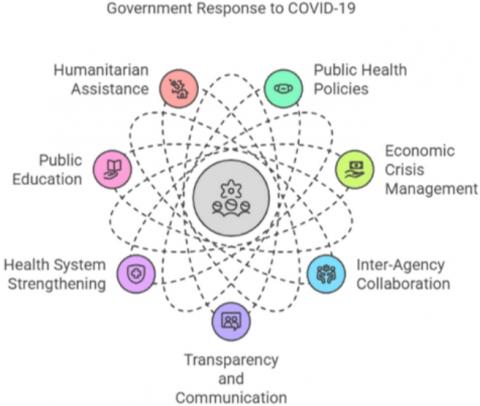
Figure 3. Elements of policy against COVID-19
Figure 3 depicts the government's response to the COVID-19 pandemic in the form of a diagram showing the main elements of public policy implemented. This diagram consists of one central element symbolizing the government as the main policy maker, with six main areas that are interconnected, showing a multidimensional approach in managing the global health crisis. These areas include public health policy, economic crisis management, collaboration between institutions, transparency and communication, health system strengthening, public education, and humanitarian assistance. The visual structure with lines connecting each element shows the interdependence and complexity of the government's response to the pandemic, emphasizing that each policy must be implemented simultaneously and coordinated to achieve effectiveness.
In an academic context, this diagram reflects a systemic approach in global health policy, which is aligned with pandemic response frameworks proposed by various international organizations, World Health Organization (WHO) and Organization for Economic Cooperation and Development (OECD). Public health policies reflect mitigation strategies such as the implementation of health protocols and mass vaccination, while the economic management crisis shows the need for fiscal and monetary policies to reduce the socio-economic impact of the pandemic. Inter-institutional collaboration shows the importance of cross-sector coordination, including between health, economic and regional government institutions [53]. Transparency and communication serve as key elements in increasing public trust and ensuring compliance with implemented policies. Strengthening the health system leads to increased capacity of medical facilities and health workers, while public education and humanitarian assistance ensure protection for groups.
Furthermore, the COVID-19 pandemic has significantly changed the public policy landscape, forcing government agencies to take a central role in various aspects of crisis management. One of the main steps is the restriction and control policy, which includes implementing lockdowns, limiting movement, and regulating the capacity of public places to suppress the spread of the virus [54]. These steps are supported by economic policies aimed at overcoming the negative impacts of the pandemic, such as providing financial assistance to affected communities, companies and strategic sectors. In addition, the government implemented economic stimulus to maintain financial stability and encourage growth.
Apart from economic crisis management, collaboration between institutions is a key factor in the effectiveness of the government's response. Synergy between health, security and economic institutions is realized through the formation of special teams or interdisciplinary committees responsible for policy coordination. Transparency and public communication also play an important role in maintaining public trust. The government is increasing communication efforts by utilizing press conferences, social media and various other information channels to convey the latest developments accurately and clearly.
In the context of the health system, the pandemic has encouraged increased hospital capacity, distribution of medical equipment, and the involvement of additional health workers. Public awareness is a priority in the government's strategy through educational campaigns regarding preventive measures, symptoms of COVID-19, and the importance of vaccination. Policies regarding the opening and closing of schools are also part of strategic interventions to ensure a balance between health and education aspects.
On the other hand, handling humanitarian crises is an integral part of government policy. This effort includes providing food assistance, shelter for affected communities, as well as psychosocial support for individuals experiencing mental stress due to the pandemic. Changes in government institutional posture during the pandemic reflect adaptation to the unique challenges facing society and the economy. This dynamic continues to develop along with changes in situations and implemented policies.
This research reveals that the COVID-19 pandemic has created significant multidimensional disruption in Riau Province, both from legal, political, social and public communication aspects. From a legal perspective, central and regional governments have issued various legal instruments in response to this global health crisis. The Large-Scale Social Restriction Policy implemented in several areas in Riau Province also faced resistance from the community due to the perceived economic impact, such as loss of livelihood and restrictions on social activities. From a political perspective, this pandemic creates strong state dominance in strategic decision making. The government tends to take centralized measures with little room for public participation. Inter-institutional coordination is also a challenge, especially in the context of policy decentralization between central and regional governments. This causes inefficiencies in handling crises and policy inconsistencies between regions.
The social disruption caused by the pandemic is also very significant. People are experiencing drastic changes in their daily lifestyle, starting from working from home, studying from home, to implementing strict health protocols. However, restrictions on mobility and social activities also have negative impacts, such as loss of livelihood due to layoffs and reduced buying and selling activities. Difficulty adapting to digital technology is also a big problem for groups of people who have limited access to information technology. From a public communication aspect, this pandemic has created significant information fluctuations. Information regarding COVID-19 continues to change rapidly creating challenges in conveying consistent messages to the public. International collaboration must be strengthened, both in terms of exchanging information, technology and resources, to ensure global solidarity in facing common health challenges. This holistic approach will be an important foundation in building stronger national resilience in the future.
The author would like to thank the Chancellor of Riau University, the Head of the Research and Community Service Institute of Riau University, and the Regional Government who have helped carry out this research as well as other parties.
[1] Hale, T. (2021). A global panel database of pandemic policies (Oxford COVID-19 government response tracker). Nature Human Behaviour, 5(4): 529-538. https://doi.org/10.1038/s41562-021-01079-8
[2] Lazarus, J.V. (2021). A global survey of potential acceptance of a COVID-19 vaccine. Nature Medicine, 27(2): 225-228. https://doi.org/10.1038/s41591-020-1124-9
[3] Nalbandian, A. (2021). Post-acute COVID-19 syndrome. Nature Medicine, 27(4): 601-615. https://doi.org/10.1038/s41591-021-01283-z
[4] Shoesmith, D., Franklin, N., Hidayat, R. (2020). Decentralised governance in Indonesia's disadvantaged regions: A critique of the underperforming model of local governance in eastern Indonesia. Asian Journal of Political Science, 28(3): 314-332. https://doi.org/10.1177/1868103420963140
[5] Chang, S.L. (2020). Modelling transmission and control of the COVID-19 pandemic in Australia. Nature Communications, 11(1): 5710. https://doi.org/10.1038/s41467-020-19393-6
[6] Racine, N. (2021). Global prevalence of depressive and anxiety symptoms in children and adolescents during COVID-19: A meta-analysis. JAMA Pediatrics, 175(11): 1142-1150. https://doi.org/10.1001/jamapediatrics.2021.2482
[7] Karim, R., Chowdhury, F.N., Rafi, T.H. (2021). A Comprehensive review on environmental factors influencing COVID-19 spread and its effects: A global approach. Environmental and Earth Sciences Research Journal, 8(1): 23-36. https://doi.org/10.18280/eesrj.080103
[8] Mahalingam, S.G., Pandraju, S. (2021). Unsupervised convolutional filter learning for COVID-19 classification. Revue d'Intelligence Artificielle, 35(5): 425-429. https://doi.org/10.18280/ria.350509
[9] Wibowo, E.B., Maarif, S., Pramono, B. (2021). Collaborative governance in border management policies to support national defense (a case study on the land border of West Kalimantan Province). Turkish Journal of Computer and Mathematics Education, 12(13): 2104-2113.
[10] Bai, Y. (2020). Presumed asymptomatic carrier transmission of COVID-19. JAMA - Journal of the American Medical Association, 323(14): 1406-1407. https://doi.org/10.1001/jama.2020.2565
[11] Chen, H. (2020). Clinical characteristics and intrauterine vertical transmission potential of COVID-19 infection in nine pregnant women: a retrospective review of medical records. The Lancet, 395(10226): 809-815. https://doi.org/10.1016/S0140-6736(20)30360-3
[12] Chu, D.K. (2020). Physical distancing, face masks, and eye protection to prevent person-to-person transmission of SARS-CoV-2 and COVID-19: A systematic review and meta-analysis. The Lancet, 395(10242): 1973-1987. https://doi.org/10.1016/S0140-6736(20)31142-9
[13] Guo, Y.R. (2020). The origin, transmission and clinical therapies on coronavirus disease 2019 (COVID-19) outbreak - An update on the status. Military Medical Research, 7(1): 1-10. https://doi.org/10.1186/s40779-020-00240-0
[14] Ali, J., Jusoh, A., Idris, N., Nor, K.M. (2024). Healthcare service quality and patient satisfaction: A conceptual framework. International Journal of Quality and Reliability Management, 41(2): 608-627. https://doi.org/10.1108/IJQRM-04-2022-0136
[15] Fathollahi-fard, A.M., Dulebenets, M.A., Agricultural, F. (2022). Supply chain disruption during the COVID-19 pandemic: Recognizing potential disruption management strategies. International Journal of Disaster Risk Reduction, 74: 102983. https://doi.org/10.1016/j.ijdrr.2022.102983
[16] Andriani, H. (2020). Effectiveness of large-scale social restrictions (PSBB) toward the new normal era during COVID-19 outbreak: A mini policy review. Journal of Indonesian Health Policy and Administration, 5(2): 5. https://doi.org/10.7454/ihpa.v5i2.4001
[17] Huang, L., Huschka, T.R., Barwise, A.K., Allen, J.S.P., Wolfersteig, W., Hamm, K., Cardenas, L.D., Phelan, S.M., Allyse, M.A. (2024). Psychological reactance, misinformation, and distrust: A mixed methods analysis of COVID-19 vaccine uptake. Journal of Clinical and Translational Science, 8(1): e48. https://doi.org/10.1017/cts.2024.15
[18] Aliferis, I. (2024). An analysis of European research projects regarding their potential to develop new guidelines and operational procedures within the field of emergency and crisis management. In Interdisciplinary Perspectives on Occupational Safety. Technological Hazards to Environmental Liability, pp. 325-346. https://www.scopus.com/inward/record.uri?partnerID=HzOxMe3b&scp=85206532887&origin=inward.
[19] Erik, A.M.B. (2023). Challenges in work procedures in distributed crisis management. Proceedings of the International ISCRAM Conference, 2023: 732-737. https://doi.org/10.59297/OBOX5959
[20] Meyer, B. (2023). Dispute settlement procedures and crisis management. In the OSCE in the Maintenance of Peace and Security: Conflict Prevention, Crisis Management and Peaceful Settlement of Disputes. Brill Nijhoff, pp. 53-81. https://doi.org/10.1163/9789004638990_008
[21] Nomis, S., Salvan, L., Dreyfus, R., Compagnon, F., Brigode, P. (2020). Challenges in defining alarm thresholds to improve crisis management procedures: A case study on the French Riviera. In Advances in Hydroinformatics: SimHydro 2019-Models for Extreme Situations and Crisis Management. Springer Singapore, pp. 159-169. https://doi.org/10.1007/978-981-15-5436-0_13
[22] Sharma, G.D., Talan, G., Jain, M. (2020). Policy response to the economic challenge from COVID-19 in India: A qualitative enquiry. Journal of Public Affairs, 20(4): e2206. https://doi.org/10.1002/pa.2206
[23] Zohar, T., Negev, M., Sirkin, M., Levine, H. (2022). Trust in COVID-19 policy among public health professionals in Israel during the first wave of the pandemic: a cross-sectional study. Israel Journal of Health Policy Research, 11(1): 20. https://doi.org/10.1186/s13584-022-00529-6
[24] Yamin, M., Darmawan, A., Rosyadi, S. (2021). Analysis of Indonesian tourism potentials through the sustainable tourism perspective in the new normal era. Jurnal Hubungan Internasional, 10(1): 44-58. https://doi.org/10.18196/jhi.v10i1.10500
[25] Delis, M.D., Iosifidi, M., Tasiou, M. (2023). Efficiency of government policy during the COVID-19 pandemic. Annals of Operations Research, 328(2): 1287-1312. https://doi.org/10.1007/s10479-023-05364-9
[26] Dabravolskaj, J., Willows, N.D., Maunula, L., Mandour, B., Sim, S., Veugelers, P.J., Maximova, K. (2023). "I just got tired of their healthy tips": Health promotion during public health crises. Health Promotion and Chronic Disease Prevention in Canada, 43(6): 306-309. https://doi.org/10.24095/hpcdp.43.6.05
[27] Wylde, A. (2022). Cyber security norms: Trust and cooperation. European Conference on Cyber Warfare and Security, 21(1): 328-335. https://doi.org/10.34190/eccws.21.1.498
[28] Setiawan, A., Tjiptoherijanto, P., Mahi, B.R., Khoirunurrofik, K. (2022). The impact of local government capacity on public service delivery: Lessons learned from decentralized Indonesia. Economies, 10(12): 323. https://doi.org/10.3390/economies10120323
[29] Zaychik, D., Beeri, I., Rein-Sapir, Y., Avni, N., Altshuler, A. (2024). Innovation and adaption in local governments in the face of COVID-19: Determinants of effective crisis management. Risk, Hazards and Crisis in Public Policy, 15(1): 1-24. https://doi.org/10.1002/rhc3.12311
[30] Kulin, J., Sevä, I.J. (2020). Who do you trust? How trust in partial and impartial government institutions influences climate policy attitudes. Climate Policy, 21(1): 33-46. https://doi.org/10.1080/14693062.2020.1792822
[31] Hwang, K., Hwang, H. (2025). Enhancing policy capacity in South Korea: Integrating analytical, managerial, and political dimensions for effective governance. Cogent Social Sciences, 11(1): 2447394. https://doi.org/10.1080/23311886.2024.2447394
[32] Warsono, H., Hanani, R., Rahman, A.Z. (2023). Local governments' financial accountability responses in critical time: Reflection from intergovernmental management in Indonesia during the early COVID-19 pandemic. Academic Journal of Interdisciplinary Studies, 12(1): 303. https://doi.org/10.36941/ajis-2023-0025
[33] Ikhsan, E., Zaluchu, F. (2023). The control of population mobility since the early pandemic era to the end of 2021: Lessons from Indonesia. F1000Research, 12: 147. https://doi.org/10.12688/f1000research.128705.1
[34] Salsabila, S., Dhamanti, I. (2021). Governmental policies in managing COVID-19 pandemic: Comparative study between Indonesia and Vietnam, Period of January–March 2020. Jurnal Ilmu Kesehatan Masyarakat, 12(1): 1-11. https://doi.org/10.26553/jikm.2021.12.1.1-11
[35] Zhou, F. (2020). Clinical course and risk factors for mortality of adult inpatients with COVID-19 in Wuhan, China: a retrospective cohort study. The Lancet, 395(10229): 1054-1062. https://doi.org/10.1016/S0140-6736(20)30566-3
[36] Zhou, X., Zhang, X., Larson, H.J., Figueiredo, A.d., Jit, M., Fodeh, S., Vermund, S.H., Zang, S., Lin, L., Hou, Z. (2024). Spatiotemporal trends in COVID-19 vaccine sentiments on a social media platform and correlations with reported vaccine coverage. Bulletin of the World Health Organization, 102(1): 32-45. https://doi.org/10.2471/blt.23.289682
[37] Tong, J., Li, Y., Yang, Y. (2024). System construction, tourism empowerment, and community participation: The sustainable way of rural tourism development. Sustainability, 16(1): 422. https://doi.org/10.3390/su16010422
[38] Al-Hasan, A., Yim, D., Khuntia, J. (2020). Citizens' adherence to COVID-19 mitigation recommendations by the government: A 3-country comparative evaluation using web-based cross-sectional survey data. Journal of Medical Internet Research, 22(8): e20634. https://doi.org/10.2196/20634
[39] Eka, A.R., Danal, P.H., Wea, L., Hepilita, Y., Simón, M.del C.D. (2021). Factors related to Manggarai's public readiness on acquiring vaccination against COVID-19. In Proceedings of the 1st International Conference on Education, Humanities, Health and Agriculture, ICEHHA 2021, Ruteng, Flores, Indonesia. https://doi.org/10.4108/eai.3-6-2021.2310677
[40] Mevorach, T., Cohen, J., Apter, A. (2021). Keep calm and stay safe: The relationship between anxiety and other psychological factors, media exposure and compliance with COVID-19 regulations. International Journal of Environmental Research and Public Health, 18(6): 2852. https://doi.org/10.3390/ijerph18062852
[41] Weiner, B.J., Amick, H.R., Lund, J.L., Lee, S.Y.D., Hoff, T. (2010). Review: Use of qualitative methods in published health services and management research: A 10-year review. Medical Care Research and Review, 68(1): 3-33. https://doi.org/10.1177/1077558710372810
[42] Chandra, Y., Shang, L. (2019). Qualitative Research Using R: A Systematic Approach. Springer. https://doi.org/10.1007/978-981-13-3170-1
[43] O.Nyumba, T., Wilson, K., Derrick, C.J., Mukherjee, N. (2018). The use of focus group discussion methodology: Insights from two decades of application in conservation. Methods in Ecology and Evolution, 9(1): 20-32. https://doi.org/10.1111/2041-210X.12860
[44] Irpan, M., Summantri, A., Fajar Kurniawati, M., Apriani Sukmana, R., Shaddiq, S. (2023). Digital communication in agricultural extension in the era of the Industrial Revolution 4.0. Journal of Engineering, Management and Information Technology, 1(4): 177-190. https://doi.org/10.61552/jemit.2023.04.003
[45] Thompson, R., Brown, L., Biswas Evans, R., Mahbub, R., Rees, A., Wilson, M., Dewa, L.H., Ward, H., Toledano, M.B. (2024). Change, adversity, and adaptation: Young people's experience of the COVID-19 pandemic expressed through artwork and semi-structured interviews. International Journal of Environmental Research and Public Health, 21(5): 636. https://doi.org/10.3390/ijerph21050636
[46] Brignardello-Petersen, R., Santesso, N., Guyatt, G.H. (2025). Systematic reviews of the literature: An introduction to current methods. American Journal of Epidemiology, 194(2): 536-542. https://doi.org/10.1093/aje/kwae232
[47] Mitchell, O., Petersen, N. (2025). The rise of progressive prosecutors in the United States: Politics, prospects, and perils. American Journal of Criminal Justice, 50: 459-484.
[48] Komorowski, J., Komorowski, P. (2024). International financial system versus economic stability. In International Economic Policy for the Polycrisis. Routledge, 114-138. https://doi.org/10.4324/9781003487913-6
[49] Nguyen Quoc, H., Le Quoc, D., Nguyen Van, H. (2025). Assessing digital financial inclusion and financial crises: The role of financial development in shielding against shocks. Heliyon, 11(1): e41231. https://doi.org/10.1016/j.heliyon.2024.e41231
[50] Elshobake, M.R.M. (2024). Protection of the right to health care during the COVID-19 pandemic in Southeast Asia: A retrospective and prospective analysis. Journal of Health and Quality of Life, 1(1): 49-68. https://doi.org/10.37934/jhqol.1.1.4968
[51] Muhtar, M.H., Harun, A.A., Putri, V.S., Apripari, Moha, M.R. (2024). Addressing the paradox: Why environmental constitutionalism is more than just rights? E3S Web of Conferences, 506: 06004. https://doi.org/10.1051/e3sconf/202450606004
[52] Cheong, B.C. (2022). Avatars in the metaverse: potential legal issues and remedies. International Cybersecurity Law Review, 3(2): 467-494. https://doi.org/10.1365/s43439-022-00056-9
[53] Abbas, S.S., Shorten, T., Rushton, J. (2022). Meanings and mechanisms of one health partnerships: Insights from a critical review of literature on cross-government collaborations. Health Policy and Planning, 37(3): 385-399. https://doi.org/10.1093/heapol/czab134
[54] Haider, N., Osman, A.Y., Gadzekpo, A., Akipede, G.O., et al. (2020). Lockdown measures in response to COVID-19 in nine sub-Saharan African countries. BMJ Global Health, 5(10): e003319. https://doi.org/10.1136/bmjgh-2020-003319