
Husam Jawad Ali* | Hamid Mahdi Hebeb | Qahtan A. Jawad
© 2026 The authors. This article is published by IIETA and is licensed under the CC BY 4.0 license (http://creativecommons.org/licenses/by/4.0/).
OPEN ACCESS
This literature review highlights the works on control strategies and parameter estimation for permanent magnet direct current (PMDC) motors. Because of their high efficiency and ease of use, PMDC motors are increasingly used in numerous applications. In total, this review analyzed 20 scientific articles published between 2004 and 2024 on control strategies using Proportional–Integral (PI) and Proportional–Integral–Derivative (PID) controllers and optimization methods such as Genetic Algorithm (GA), Particle Swarm Optimization (PSO), BFO, BOA, and Artificial Bee Colony (ABC). The paper distinguishes between control strategies and optimization algorithms, particularly when optimization algorithms tune controllers. This paper also reviews the integration of Photovoltaic (PV) systems and maximum power point trackers (MPPTs)with PMDC motors. Selected works published in 2025-2026 include such topics as Model Predictive Control (MPC), extended state observer (ESO)-based control strategies, and artificial intelligence solutions. From the reviewed works, it can be concluded that the results obtained using intelligent and optimization methods may be favorable under the specific test conditions considered. However, comparisons of the presented results with conventional controllers, such as PID, must be made carefully, accounting for differences in experimental settings and evaluation criteria across studies.
PMDC motors, control techniques, parameter estimation, heuristic optimization, photovoltaic integration, maximum power point tracking, renewable energy applications, PID controllers
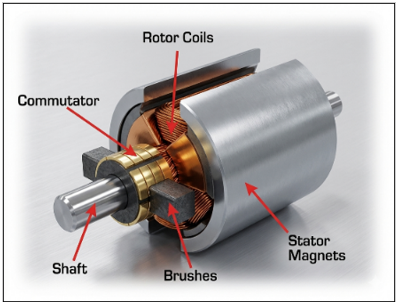
Permanent magnet direct current (PMDC) motors use permanent magnets for field excitation instead of field coils. This design difference offers several benefits, including higher efficiency, structural simplicity, and reduced maintenance [1]. Many studies have examined the operating principle of PMDC motors, in which the stator magnetic field produces torque by acting on the armature current [2]. Figure 1 depicts the PMDC motor's fundamental construction, including the commutator, rotor winding, stator with permanent magnets, and brushes that help maintain rotation and proper current flow [2-4].
Although permanent magnet DC motors operate on principles similar to shunt-wound DC motors, using permanent magnets instead of field windings affects the motor's characteristics. In particular, limited magnetic flux density can reduce power output compared with shunt-wound motors. Nevertheless, these motors remain widely used, especially in small systems, because of their simplicity, high speed, and reliability. Common applications include automotive components such as windshield wipers and power windows, household appliances, computer numerical control machines, robots, and electric vehicles. Proportional-Integral-Derivative (PID) controllers control the speed and position of these motors and are known for their simple design and reliable operation [5]. PID controller performance depends heavily on proper parameter tuning. Incorrect settings can cause instability or oscillation. Therefore, this topic remains an active area of research, especially in applications where speed or path tracking is critical. Combining control loops can help optimize system behavior. This includes a current loop and an external speed or position loop. These multi-loop setups make the system more resistant to disturbances. They also improve both steady-state responses [6, 7].
Figure 1. PMDC motor [3]
Many studies have looked into ways to adjust PID controller settings. These methods range from simple to advanced techniques. Some examples include Ziegler-Nichols, Cohen-Coon, fuzzy logic-based approaches, and artificial neural network-based methods. Moreover, heuristic optimization strategies such as Particle Swarm Optimization (PSO), Genetic Algorithm (GA), and BOA have become popular methods for optimizing controller parameters. Comparisons between these algorithms have shown reduced ITAE and better response and stability characteristics. Real-time parameter estimation is an important aspect of the control process, especially when high-level control performance requires accurate values for fault detection and diagnosis. Sensor selection is an issue in real-time applications. Although optical encoders provide accuracy, their high cost makes them unsuitable for low-cost applications. Hall effect-based digital sensors are an alternative to optical encoders, but they also have some disadvantages [8-11].
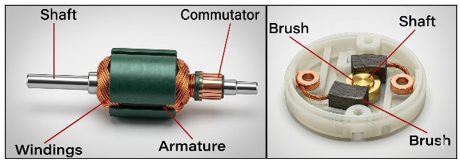
This is because the global trend toward electric vehicles (EVs) to save energy has been rising recently, leading to widespread use of PMDC motors, particularly in low- and medium-power appliances. This increasing demand creates a need to improve the efficiency and effectiveness of these motors [12-14]. In practice, PMDC motor-based systems can be affected by model uncertainties, unmodeled dynamics, and environmental disturbances. Since traditional passive control approaches cannot always deliver the required performance, robust control techniques are applied. Among robust control techniques, active disturbance rejection control is widely recognized for its effectiveness. The extended state observer (ESO) underpins this method by treating internal uncertainties and external disturbances as a lumped disturbance and estimating it in real time. As a result, this method does not require a precise process model. However, it offers excellent tracking performance and high robustness [15]. In miniaturized applications, high-energy magnets reduce the motor's mass and dimensions. Figure 2 shows a typical PMDC motor, including the commutator, armature, field windings, and shaft.
Figure 2. Construction of a PMDC motor [12]
Figure 3 shows the cross-sectional view of the PMDC motor with the stator and rotor.
Figure 3. Cross-section of PMDC motor [12]
Despite recent progress in controlling PMDC motors, it remains important to compare classical and advanced control methods and examine their application in modern energy systems.
This paper briefly reviews classical and advanced control methods, as well as various approaches to estimating PMDC motor parameters. It pays particular attention to classical control methods, intelligent approaches, and optimization-based approaches, as well as their applications in modern energy systems. Another objective of this review is to distinguish between control approaches and optimization methods and to compare them.
1.1 Significance of optimal PID tuning
PID controllers’ fine-tuning is significant in order to guarantee system stability, fast response, and minimum steady-state error. Poor PID tuning can result in high overshoot, oscillations, and a slow transient response.
In recent years, particle swarm optimization and butterfly optimization algorithms, among other optimization methods, have proven helpful for tuning controller parameters because of their accuracy and reliability [8]. Motor systems are used in many industrial fields; however, because they are nonlinear and dynamic, designing controllers for these systems is challenging. Therefore, tuning the PID parameters is significant.
Although the classical PID controller has been used, it is limited because no universally accepted optimal tuning method exists [16]. The Ziegler-Nichols approach still stands out among other classical tuning approaches; however, it is limited by overshoots.
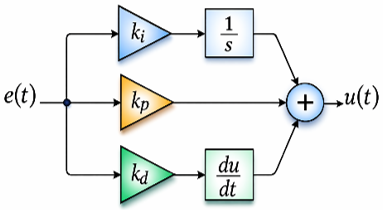
To address these limitations, many advanced optimization approaches, including GA and PSO, have been studied to improve controller performance by optimizing its parameters [17]. As shown in Figure 4, the error signal e(t) in the PID controller is the difference between the reference signal and the plant output. The control signal u(t) is calculated from the error signal and is fed to the plant.
Figure 4. Traditional PID controller
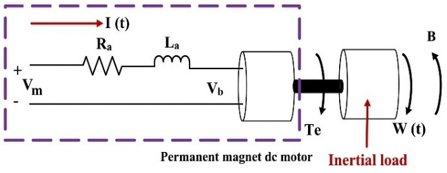
Figure 5. Equivalent circuit of a permanent-magnet DC motor based on inspiration from [20]
The PID controller consists of a proportional controller ($K_p$), an integral controller ($K_i$), and a derivative controller ($K_d$). Proportional control provides instant control based on the current error, integral control reduces steady-state error by summing past errors, and derivative control responds to the rate of change of the error [16, 18, 19]. Figure 4 shows the schematic of a typical PID controller. In comparison, Figure 5 below shows the block diagram of a PID-based control system for PMDC motor speed control.
Overall, these tuning techniques are important for advancing PMDC motor control systems because they reduce the need for manual tuning and improve system performance and robustness.
Over the last two decades, the number of studies on permanent-magnet DC motors has increased. PMDC motors have been widely studied for their quick response and controllability. Usually, PMDC motors are used in a range of applications, including industrial, electric vehicle, renewable energy, and solar energy systems. Specific interest has focused on using PMDC motors in renewable energy sources. PID controllers, in particular, are widely used in industrial applications because of their simplicity, reliability, and ease of implementation. In contrast, recent research studies have employed heuristic and intelligent optimization approaches to set control parameters. These optimization approaches may improve control performance by minimizing overshoot and enhancing the dynamic response, robustness, and stability of motor drive systems. These improvements are driven by the modern engineering need for efficient and cost-effective motor drive systems, and motor drive systems will continue to evolve to meet these demands.
Zhou [9] introduced a low-speed control method for permanent magnet DC motors using natural voltage and current feedback. In this approach, a Model Reference Adaptive System (MRAS) applies the Recursive Least Squares (RLS) identification method to calculate system parameters. The researchers tested this method on a jigging machine and found that performance met the required standards, even though typical PID controllers failed because they lacked speed or position feedback. This controller was best suited to systems where cost mattered more than performance.
In 2007, Sharaf et al. [15] developed a two-loop PID control strategy for a PMDC motor drive powered by a photovoltaic (PV) system. The controller addresses friction (B), load inertia (J), and motor nonlinearities. The control strategy has two loops: a current loop that keeps the motor current within limits and an outer speed loop that ensures the motor speed is correct. The PV array is connected to the motor drive using a DC–DC chopper. The PV array model used in this study was built in MATLAB/Simulink. Includes changes in solar irradiance and changes in ambient temperature that affect how much power the PV system makes. The control strategy was said to make the system more efficient, respond faster, and be more stable when the conditions are not the same and are not certain. The controller also helps to match the load and manage the DC bus. Simulation results showed that the system performed well under the conditions studied.
Obeidat et al. [10] examined how to estimate PMDC motor parameters using quantized speed measurements. The research examined how accurately the parameters could be estimated with quantized measurements. To address problems arising from low-cost quantized sensors and controllable QM systems, which impose strict signal requirements, the authors developed parameter estimators based on a linear model of the PMDC motor. This research shows that this technique can improve control performance, system robustness, and diagnostic properties despite the low quality of the measurements used. The authors evaluated the performance of the parameter estimators they developed. They did this through simulations and real experiments. They wanted to see whether the estimators would converge to their true values over time. They checked this by observing the results in the simulations and tests. The goal was to make sure the estimators were stable and accurate. The problem discussed here is cheap motor control with parameter estimation, which eliminates the need for expensive sensors.
Joshi and Samanta [21] designed a bidirectional DC–DC converter-supplied PMDC motor traction drive system for EVs, improving drive-system efficiency by enabling energy regeneration during deceleration and regenerative braking assistance. The system incorporated a non-isolated half-bridge bidirectional DC–DC converter designed for electric bicycles. State-space averaging was used to develop the small-signal converter model, which was then controlled with a PID controller to regulate the motor speed during both motoring and regenerative braking. Switching losses and parasitic ringing were controlled using a soft-switching technique. The system was designed and simulated in MATLAB/Simulink, and the results showed satisfactory agreement with the theoretical analysis. This research demonstrates the ability to integrate PMDC motor drives with power electronic converters and improve energy efficiency in electric mobility applications.
In 2014, Al-Araji [1] examined a nonlinear neural network-based PID controller to regulate the speed of a real DC motor. To obtain an efficient speed response, two methods, namely, PSO and manual tuning, were employed to optimize the control parameters. First, MATLAB simulations accelerated the optimization process, followed by implementing the optimized parameters in a real-time controller using LabVIEW. The simulation results showed that the proposed nonlinear PID controller can produce a fast dynamic response, demonstrating its effectiveness in controlling DC motor speed. This study showed how important neural network control techniques, along with particle swarm optimization, can be in improving PID control. More research is needed to assess the stability of this control method.
In 2015, Charles et al. [22] studied PI and PID controllers for speed regulation of a 380 V PMDC motor. The control process used indirect speed control based on torque, current, and armature voltage feedback. We used Kirchhoff's laws and Newtonian physics to develop a Simulink/MATLAB model of the 380V PMDC motor. As noted earlier, the cascade PI and PID controllers provided dependable, steady performance. In contrast, the conventional PID controller was very sensitive and unstable, whereas the cascade PID controller was less sensitive to a 10 Nm torque disturbance. For set-point tracking, both PI and PID controller designs were successful.
In 2015, Tuna et al. [23] conducted an experiment on efficient and reliable speed control of a PMDC under varying load and reference speed conditions. Because PMDC motors are easy to install, highly efficient, and can generate higher torque thanks to advancements in power electronics, their use has increased in many industrial applications. The experiment used FLC and PI control systems. The control system design also considered low overshoot, fast disturbance rejection, fast rise time, and short settling time. The study also evaluated the effect of several noise-reduction techniques on FLC performance. The results reported showed that the FLC control system performed better than the PI control system under the conditions considered in the study.
In 2015, Dhinakaran and Manamalli [24] introduced a model-based control method for PMDC motors. The method is based on simplified predictive control and shifted dynamic matrix control. They developed dynamic models for both controllers that relate input voltage to motor speed. They derived these models using a step-response approach. The objective was to evaluate how tuning parameters, such as the prediction and control horizons, affect controller performance. The authors also investigated the matrix-conditioning properties of both controllers. Simulation results showed very good tracking performance.
In 2015, Gucin et al. [25] investigated and compared several gain-tuning techniques for cascade PI(D) controllers in PMDC motor drives. The conventional method (CM) was first presented and implemented; however, it relied on simplifying assumptions that limited its performance. Subsequently, the paper proposed the Bacterial Foraging Algorithm (BFA), a heuristic algorithm for optimizing cascade PI(D) controllers. Additionally, the authors used GA as a benchmark to compare its performance against the proposed algorithm. The results showed that the proposed algorithm outperformed the conventional technique and GA.
In 2015, Charles et al. [20] investigated the control of a 380 V permanent magnet DC motor using controllers operating at 45 rad/s. In this paper, the aim was to design a control method that operates efficiently and reliably in the presence of disturbances. The problem was simulated in MATLAB and Simulink. The results showed that under a 10 Nm torque load, cascade PID controllers were more robust and more stable than PID controllers. Conventional PID controllers were not robust. They were highly sensitive. The results show that cascade PID controllers could reject disturbances while keeping system stability. This ability is especially useful when loads vary, which is important for PMDC motors.
In 2016, Karnavas et al. [26] aimed to enhance power density by developing an optimized topology for small-scale PMDC motors commonly used in automotive applications. The study first investigated and modeled a real industrial motor using both manufacturing data and measured performance parameters. Subsequently, the authors developed a dedicated software tool to propose a new configuration design that modified the magnet material, stator, rotor, and magnet geometry.
The authors used an optimization process that accounted for volume constraints to obtain the optimal shape. The authors also tested the optimized shape using finite element analysis (FEA). Moreover, the authors analyzed thermal performance using the same finite element analysis approach. Finally, the optimized design showed significant performance improvements over the reference electric motor without increasing production costs.
In 2016, Asim et al. [27] presented a standalone photovoltaic (SAPV) system for rural areas, consisting of a PMDC motor, a controller, a DC-DC converter, and a PV panel. The researchers estimated the open-circuit voltage (Voc) without disconnecting the main PV panel by using a pilot PV panel with a voltage-based Maximum Power Point Tracking (MPPT) scheme to overcome the limitations of traditional MPPT schemes. The PI controller controlled the MPPT. The authors developed a mathematical model of the system and simulated it in MATLAB and Simulink. Experimental results show that the system outperformed existing systems.
Sankardoss and Geethanjali [28] emphasized the need for accurate parameter estimation for robust controller design of PMDC motors, especially for wheelchair applications. In this study, the authors used experimental data along with optimization techniques such as standard PSO, dynamic PSO with variable and constant inertia weights, ACO, and Artificial Bee Colony (ABC).
The writers calculated the electromechanical and electrical properties using the techniques mentioned earlier: motor resistance, motor inductance, motor moment of inertia, torque constant, reverse electromotive force (EMF) constant, and viscous damping constant. Used MATLAB/Simulink to build a motor model and run simulations, allowing us to study its performance under load. The findings showed that parameters obtained using dynamic PSO with a time-varying inertia weight and the ABC method yielded lower speed and current estimation errors than the other approaches, with errors below 0.5%. According to a one-way ANOVA, the two approaches showed no statistically significant difference, although the ABC strategy converged faster. Nonetheless, the authors conclude that dynamic PSO with a time-varying inertia weight can find the optimal parameter values.
In 2017, Syukriyadin et al. [29] proposed a control system for PMDC motors consisting of two main subsystems: control and monitoring. The control subsystem regulates motor speed and direction using a BTS7960 motor driver module. Motor speed control uses PWM pulses at a fixed frequency, while the duty cycle varies from 0% to 100% to adjust the voltage applied to the motor. A potentiometer was attached to an Arduino Uno board, allowing the PWM output to adjust the motor speed. A three‑way switch was used to set the direction of rotation for the motor. The measurement subsystem recorded the motor voltage, current, and speed. When the motor ran without a load, torque remained the same regardless of speed.
Alkamachi [30] showed that mathematical modeling helps explain how permanent-magnet DC motors work. This modeling is also important for controller design. The researchers created a motor model using experimental data. They used the least squares method to build this model. They then designed a discrete pole-placement controller to control motor speed. They also compared it with an integral (PI) controller. To measure each controller's performance, they examined error-squared values, system response to changes, and steady-state performance. The study focused on the discrete pole-placement controller for motor speed regulation. The authors tested this controller. Checked how effective it was by analyzing error and other response measures.
The work also examined how limited model knowledge affects controller behavior. The outcomes revealed that the APPC controller outperformed the traditional PI controller in robustness and accuracy across different cases. The APPC controller has demonstrated strong performance across all cases and has tracked effectively. Compared with the traditional PI controller, the APPC controller showed better motor-speed tracking.
According to Awoda and Ali [31], estimating PMDC motor parameters is necessary for accurate modeling and control. Awoda et al. suggested estimating motor parameters using Simulink Design Optimization. They measured voltage, current, and speed to obtain initial motor parameters, which they then further optimized. To collect the data needed to build the Simulink model, they used a microcontroller. The authors used two optimization methods: nonlinear least squares and pattern search. The results show that the nonlinear least-squares method outperformed pattern search.
In 2021, Homaeinezhad and Farzannasab [32] discussed problems associated with servo PMDC motors under parameter uncertainties and external disturbance forces, especially during low-frequency trajectory tracking. Servo PMDC motors exhibit third-order voltage-position dynamics, which makes their response sluggish during trajectory tracking. In contrast, first-order torque-voltage dynamics enable rapid torque tracking.
The authors proposed Position-Braking Tracking Control (PBTC), using Discrete-Time Sliding Mode Control (DTSMC) as the underlying methodology. This technique evaluates the system's tracking error at any instant and automatically switches between position tracking (motoring/reverse motoring) and torque tracking (braking/reverse braking).
Simulation and experimental results indicate that PBTC outperforms regular DTSMC in robustness and flexibility and provides higher tracking accuracy, especially for low-frequency trajectory applications.
Abdulhussein et al. [33] made the following two contributions in their 2022 research. Firstly, they introduced a cascade P-PI controller to control the speed and position of PMDC motors. Secondly, they considered three tuning methods: PSO, GA, and the classical method (CM).
The classical method led to system instability because it neglected load effects. Conversely, the PSO method ensured good stability by eliminating both overshoot and position deviations in the system under study. In contrast, the GA method caused overshoot and poor positional accuracy. Thus, PSO proved superior in both stability and trajectory tracking for PMDC motors.
Pindoriya [11] published a comprehensive study of brushless PMDC and PMAC motors in 2023. Because of their high efficiency, low maintenance requirements, small size, excellent reliability, and low noise, both motor drives are widely used.
To avoid any confusion, this review compares PMAC and PMDC motor drives. Both motor drive types use permanent magnets, but their rotor and winding designs differ. To help beginners and researchers understand how these motor drive types function and are used, this study highlights their main distinctions and operational characteristics.
Çelik et al. [34] proposed a nonlinear PI controller in 2024 to regulate the speed of the PMDC motor. They achieved a nonlinear transformation of the speed error by embedding an EXP function block before the PI controller, resulting in EXP-PI control. The authors tuned the controller design parameters offline using the Salp Swarm Algorithm (SSA).
The effectiveness of the SSA-tuned EXP-PI controller was experimentally verified through real-time testing on a TMS320F28335 DSP platform. Compared with traditional PI controllers with fixed gains, the proposed scheme achieved better speed-reference tracking and disturbance rejection under torque disturbances in a closed-loop control system.
Recent articles on modeling and controlling PMDC motors have focused on improving motor models, improving control performance, and increasing fault-detection accuracy.
In 2025, Molina-Santana et al. [35] modeled and controlled a PMDC motor driving a bidirectional conveyor. In this study, they created a mathematical model for the motor. They applied a linear control approach based on an ESO to improve disturbance rejection and speed-tracking performance under load changes. Likewise, Khamis and Alharam [36] proposed a Model Predictive Control (MPC) approach in 2025to regulate the speed of a PMDC with a conventional PID controller. MPC results showed superior dynamic adaptation, reduced overshoot, and greater resistance to load variations. Furthermore, in 2025, Hameed [37] studied AI-based PMDC motor speed control by comparing fuzzy logic controllers and artificial neural networks. Consequently, they found intelligent controllers superior to traditional controllers.
As for condition monitoring and fault diagnosis, in 2026, Sim et al. [38] proposed a physics-informed approach that uses two sensors to diagnose faults in PMDC motors. In particular, this approach relied on vibration data and model-generated features to improve fault-detection efficiency across different operating conditions. At the same time, the authors developed a novel CREA-based characteristic learning technique to improve fault classification by identifying fault-generated signals rather than load signals.
As seen above, one trend in current research on PMDC motors is the application of intelligent and diagnostic approaches, such as predictive control, observer-based control, and physics- and observer-based fault detection, to improve their performance and robustness. One shortcoming in current research on intelligent and adaptive diagnostics of PMDC motors is the lack of literature on a comprehensive approach to integrating performance control and fault detection.
Lastly, Table 1 presents the chronological evolution of the PMDC motor literature.
Despite scholars' efforts in PMDC motor design, some crucial drawbacks persist, as shown in Table 1. First, although conventional control strategies like PI and PID remain prevalent because of their simplicity, their effectiveness depends heavily on parameter precision and declines under nonlinear conditions, parameter changes, or external disturbances. Second, while recent research has greatly enhanced system performance by deploying intelligent techniques, including PSO, GA, and other metaheuristics, much of this effort remains limited to simulation studies.
Moreover, in most cases, researchers have handled controller design, parameter estimation, and system modeling separately rather than integrating them into a common control approach. This separation may undermine the system's overall robustness and limit the control method's applicability in industrial settings. Moreover, despite the growing importance of renewable energy control systems and optimal control design, few studies have addressed these three aspects systematically.
Therefore, to address these challenges, this research paper presents a systematic comparative review of control strategies and parameter estimation methods for permanent-magnet DC motors. The study compares various control techniques and examines their suitability across different operating conditions and application scenarios. The paper’s primary contribution is a systematic comparative review of advances in control systems and parameter estimation methods for permanent-magnet DC motors.
Table 1. Comparison of earlier research on PMDC motor control
| Ref. | Authors & Year | Focus Area | Methodology/Approach | Key Advantages | Application Domain |
| [9] | Zhou (2004) | PMDC motor control ¶meter estimation. | MRAS with Recursive Least Squares (RLS). | Sensorless control, high accuracy, and cost-effectiveness. | General PMDC motor control systems. |
| [15] | Sharaf et al. (2007) | PV-powered PMDC motor control. | Dual-loop PID control under environmental variations. | Improved stability under temperature and irradiance changes. | Renewable energy applications. |
| [10] | Obeidat et al. (2013) | Parameter estimation with limited sensors. | Quantized speed-based estimation method. | Works with low-cost sensors, suitable for remote systems | Remote/low-cost control systems. |
| [21] | Joshi and Samanta (2013) | EV PMDC motor drive system. | Bidirectional DC–DC converter with PID & soft switching. | High efficiency, regenerative braking capability. | Electric vehicles. |
| [1] | Al-Araji (2014) | Real-time speed control. | Neural network PID with PSO optimization (LabVIEW). | Adaptive control, improved | Industrial automation. |
| real-time performance. | |||||
| [22] | Charles et al. (2015) | PID vs PI comparison. | Cascade PID vs conventional PID. | Cascade PID is more stable and robust. | Industrial motor control. |
| [23] | Tuna et al. (2015) | PI vs fuzzy logic control. | Fuzzy logic vs PI controller. | Better performance under load variation. | Speed control systems. |
| [24] | Dhinakaran et al. (2015) | Predictive control of PMDC motors. | SPC and SDMC predictive methods. | Excellent tracking and dynamic response. | Motion control systems. |
| [25] | Gucin et al. (2015) | Controller tuning optimization. | GA vs BFA vs classical methods. | BFA showed better dynamic performance than the compared methods. | Industrial control tuning. |
| [20] | Charles et al. (2015) | Control of a 380 V PMDC motor at 45 rad/s under disturbance conditions. | Simulation in MATLAB/Simulink using cascade PID and conventional PID controllers under a 10 Nm load torque. | Cascade PID showed higher robustness, better disturbance rejection, and improved system stability compared with conventional PID. | PMDC motor speed control. |
| [26] | Karnavas et al. (2016) | Motor design optimization. | FEA-based optimization. | Higher efficiency and energy density. | Automotive applications. |
| [27] | Asim et al. (2016) | Standalone PV system improvement. | PI-based MPPT with a pilot PV panel. | Improved efficiency and mitigation of the limitations of constant-voltage MPPT. | Photovoltaic power systems. |
| [28] | Sankardoss et al. (2017) | Parameter estimation for PMDC motors. | Optimization algorithms (PSO, ACO, ABC). | Showed the highest estimation accuracy among the compared approaches | Wheelchair motor drives. |
| [29] | Syukriyadin et al. (2017) | PMDC motor control and monitoring. | Arduino controller with BTS7960 driver and PWM control. | Simple implementation, real-time monitoring, and direction control. | Embedded motor control systems. |
| [30] | Alkamachi (2019) | Adaptive control of PMDC motors. | Iterative least-squares estimation and an APPC controller. | Better performance than PI under load variation. | Adaptive motor control systems. |
| [31] | Awoda and Ali (2019) | Parameter estimation. | Simulink Design Optimization using nonlinear least squares and pattern search. | Nonlinear least squares provides higher estimation accuracy. | Modelling and identification of PMDC motors. |
| [32] | Homaeinezhad et al. (2021) | Trajectory tracking control. | PBTC based on Discrete-Time Sliding Mode Control (DTSMC). | Improved low-frequency trajectory tracking. | Servo PMDC systems. |
| [33] | Abdulhussein et al. (2022) | Speed control optimization. | Cascade P–PI controller tuned using PSO, GA, and classical methods. | PSO showed the best tracking accuracy with minimal overshoot among the compared methods. | PMDC motor speed control. |
| [11] | Pindoriya (2023) | Comparative analysis of motor drives. | Review of PMDC and PMAC drive systems. | Clarifies structural differences and application areas. | Electric motor drive applications. |
| [34] | Çelik et al. (2024) | Nonlinear speed control. | EXP-PI controller tuned with Salp Swarm Algorithm (SSA). | Improved tracking and disturbance rejection. | Advanced PMDC motor control. |
| [35] | Molina-Santana et al. (2025) | Bidirectional conveyor driven by a PMDC motor | Mathematical modelling, linear control, and an extended state observer (ESO) | Improved disturbance rejection under mechanical load variations | Bidirectional conveyor systems. |
| [36] | Khamees and Alharam (2025) | Comparative analysis of PMDC motor control. | Model Predictive Control (MPC) vs. PID control. | Reduced overshoot, improved settling time, and enhanced disturbance rejection. | PMDC motor drive systems. |
| [37] | Hameed (2025) | AI-based PMDC motor speed control. | Comparison of Fuzzy Logic Controller (FLC) and Artificial Feedforward Neural Network (AFFNN). | FFNN achieved faster rise and settling times, while FLC provided zero overshoot and faster peak response. | PMDC motor speed control systems. |
| [38] | Sim et al. (2026) | Bearing fault diagnosis in PMDC motor systems. | Cross-Reference Energy Attention (CREA), physics-guided dual-sensor feature framework. | Improved fault detection and fault classification under different operating conditions | Condition monitoring and fault diagnosis of PMDC motor systems. |
A limitation of many existing studies is that they address only one aspect at a time, such as controller design, parameter estimation, or optimization, rather than integrating these aspects within a comprehensive control framework.
The following are the main contributions of this study:
•A thorough and current literature review of the various strategies for controlling PMDC motors that spans classic control strategies, intelligent control algorithms, and metaheuristic optimization methods during the years 2004–2024.
•A comprehensive review of the different control methodologies used for PMDC motors, focusing on classical control techniques, intelligent control techniques, and metaheuristic algorithms, published between 2004 and 2026.
•An analytical classification of the different control strategies, starting from the traditional PID or PI control strategy to the fuzzy control strategy, predictive control, nonlinear control, and adaptive control, with an examination of their merits and demerits.
•A discussion on the different kinds of optimization-based techniques for tuning purposes in designing the control schemes of the PMDC motors. Applied optimization algorithms include GA, PSO, and Artificial Bee Colony (ABC).
•Identification of areas where further research is required, namely a common framework that combines accurate parameter identification, intelligent optimization, and real-time implementation.
•Future research prospects, particularly concerning the deployment of reliable control systems and renewable energy systems.
Overall, this paper provides a comprehensive overview of developments and progress in PMDC motor control systems. It also underscores the importance of developing comprehensive and practical control approaches.
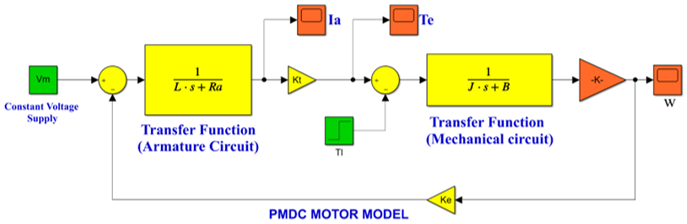
Figure 5 shows the equivalent circuit of the PMDC motor used in the speed control system. Figure 5 shows the PMDC motor's speed controller circuit, which can be explained using the equations below: Kirchhoff's voltage law for the electrical portion [20, 39, 40]:
$V_m-V_{R a}-V_{L a}-V_b=0$ (1)
The representation of the motor voltage is: $V_m, V_{R a}=i_a R_a$ and $V_{L a}=L_a * \frac{d_{i a}(t)}{d t}$ Armature current: $i_a(t)$.
The formula $V_b=$ back e.m. $f$ yields as $K b \omega(t)$. Where, $\omega(t)$ is the angular or rotational speed, and $K_b$ is the back-emf constant.
$V_m(t)=i_a \cdot R_a(t)+L_a \frac{d_{i a}(t)}{d t}+K b \omega(t)=0$ (2)
For the mechanical side of the system to be energy balanced, the torques must sum to zero. Consequently,
$T e-T_r-T_\omega-T_L=0$ (3)
where, $T_e=$ electromagnetic torque and $T_L=$ load torque. $T_r$ denotes the rotational acceleration torque of the rotor, while the velocity damping torque of the motor is denoted by $T_\omega$. Considering the magnetic field's constant intensity [20, 39]:
Te = Ktia $(t)$ (4)
where, $K t$ is the torque constant, and
$T_r=J \frac{d_\omega(t)}{d t}$ (5)
where, $J=$ inertia of the rotor and equivalent load. Also,
$T_\omega=B * \omega(t)$ (6)
where, B is the damping factor for the angular velocity of the motor, Eqs. (4)–(6) can be substituted into Eq. (3) to yield the expression below:
$J \frac{d_\omega(t)}{d t}=K_t \cdot i_a(t)-T_L-B \omega(t)$ (7)
Both the angular velocity differential equation $\omega(t)$, and the armature current differential equation $i_a(t)$ may be written as [25]. Figure 6 shows a MATLAB/Simulink model of a PMDC motor.
$\frac{d_{i a}(t)}{d t}=-\frac{R_a \cdot i_a(t)}{L_a}-\frac{K_b \omega(t)}{L_a}+\frac{V_m}{L_a}$ (8)
$\frac{d \omega(t)}{d t}=\frac{K_t \cdot i_a(t)}{J}-\frac{B \omega(t)}{J}-\frac{T_L}{J}$ (9)
Figure 6. PMDC motor model in MATLAB Simulink
Given the abundance of research on PMDC motor control systems [41-43], a comparative analysis is required to examine the notable contributions, methodologies, and results reported by different authors.
This comparison identifies similarities and differences between these methodologies, particularly how the systems have been enhanced, controlled, and structured [41-43]. This comparison also considers the types of controllers used, the experiments or simulations used to analyze them, and the publication years [44]. This kind of comparative study may help identify deficiencies in the field and suggest future research directions [41, 45].
Over the past two decades, PMDC motor control systems have advanced significantly, moving from traditional control methods to intelligent approaches and optimization‑based tuning techniques [46, 47]. This paper reviews 20 papers comparing technical factors and contributions in PMDC motor control systems.
4.1 Control techniques employed
Because they are simple to build, PI and PID controllers remain widely used for controlling PMDC motors. They are reliable and easy to set up; many people still choose them for PMDC motor control. Many research papers have suggested ways to improve standard PID controllers. Some ideas add control loops or make other small changes to help the system fight disturbances and respond faster [1, 15, 34]. The normal PI and PID controllers struggle when motor parameters change or when external forces appear. When the motor’s parameters. basic PI and PID controllers perform poorly. Because of these limits, scientists look for advanced methods. They study ideas like fuzzy logic control, artificial neural networks, and nonlinear PI controllers such as EXP‑PI. These newer techniques aim to improve performance and make the PMDC motor more adaptable in real-world control systems [1, 22, 34]. Another popular trend is using optimization to set the controller parameters.
These methods help avoid manual tuning and improve controller performance [1, 34].
4.2 Optimization techniques
Metaheuristic optimization algorithms, including PSO, GA, ABC, ACO, and SSA, have become a means of designing control systems for PMDC motors. Scientists have used these optimization methods on PMDC motor systems for tasks like controller parameter tuning and parameter estimation [17, 28, 34]. One major benefit of these methods is their ability to look at different parameter settings. This can help improve system performance. For example, Abdulhussein et al. [8, 17]. Sankardoss and Geethanjali (2017) and Çelik et al. [34] used optimization techniques and smart methods on PMDC motor systems. They reported performance improvements. Many of these studies rely mostly on simulation. Although optimization-based tuning can improve controller parameters, more research is needed to test real-world performance and behavior under different conditions.
4.3 Optimization and intelligent control applications
The use of control strategies and optimization techniques in PMDC motor systems has continued to grow. In this context, Du et al. (2022) showed that optimization algorithms-such as the Refined Artificial Bee Colony (RABC) algorithm-can improve PID control performance by reducing overshoot and improving tracking [48].
To improve efficiency and reduce costs compared to traditional methods, researchers have also employed artificial neural networks to estimate PMDC motor parameters [49]. As a result, intelligent and optimization-based approaches have become an area of research in PMDC motor modeling and control.
Researchers have also applied optimization algorithms to enhance PMDC motor performance. For example, Khalaf and Tiki [50] and Ibrahim et al. [51] reported that optimization techniques-including foraging algorithms and Particle Swarm Optimization (PSO)-can improve performance and reduce settling time [50, 51].
Overall, these studies show that more people are starting to combine methods with old ways of controlling PMDC motor systems. The findings clearly show a rising trend of mixing control techniques with traditional approaches.
4.4 Contexts for applications
PMDC motors are also used in powered systems. These include photovoltaic systems. PMDC motors can improve system performance and stability. Some studies have looked at how PMDC motors are reused in these systems. Asim et al. conducted a study in 2016. Sharaf and others conducted another study in 2007.
PMDC motors are also used in rehabilitation robotics. In this area, speed and position control are important. This is needed when doing rehabilitation tasks. Some research has examined PMDC motors in this area [52]. Sankardoss et al. conducted a study in 2017. Karnavas et al. [26] also conducted a study in 2016.
Parameter estimation is becoming more important. This is because it helps build motor models. It also helps with control performance. This is especially true when sensors have problems. It is also true when the load changes. References [10, 4] Talk about this. Better estimation methods can also improve overall system performance. Reference [53] talks about this.
4.5 Key findings and trends
Recent studies have shown important trends in controlling PMDC motor systems. One trend is the use of control methods. These methods help adjust PID controller parameters [54]. Another trend involves computing techniques like fuzzy logic. These techniques allow PID controllers to tune themselves automatically, especially for controlling PMDC motor speed [41]. A third trend is using optimization-based methods to improve controller performance. For example, Particle Swarm Optimization (PSO) and the Bacterial Foraging Algorithm have been applied to determine PID controller parameters [51]. Another method, the SSA, has also been used to tune controller parameters. Experimental studies show that using SSA leads to better speed tracking and improved rejection of torque disturbances in PMDC motor drive systems [34]. Overall, these studies show growing interest in intelligent and optimization-based approaches for controlling PMDC motor drive systems [34, 51].
4.6 Summary of literature review
First, this literature review follows the history of control strategies for PMDC motors. It starts with PID control and moves toward newer intelligent control and advanced optimization‑based methods. Conventional controllers remain popular because of their simple structure. However, they struggle to handle nonlinearity, parameter changes, and disturbances that can degrade performance.
To improve tracking, fast response, disturbance rejection, and stability, researchers have explored optimization strategies and intelligent control algorithms. In this setting, the controller makes the motor behave as desired, while optimization algorithms may adjust controller settings or estimate motor parameters, depending on the study's goals. Still, gaps remain in the literature on linking optimization and control methods and on control system design.
Studies also show that how well different control and optimization methods perform depends on operating conditions, simulation or real‑world tests, and the criteria used to evaluate them. So be careful when comparing methods directly. In the future, we expect work that blends optimization techniques with conventional controllers and tests these mixed approaches in varied realistic operating situations.
This study looks at how control methods for PMDC motors have changed over time. It shows that there have been improvements in how PMDC motors are controlled, especially using particle swarm optimization and genetic algorithms. PMDC motors are widely used in energy systems and electric cars, where they can improve energy efficiency and support eco-friendly solutions. In solar-powered PMDC motor setups, better control methods can help maintain steady speed, reduce performance issues, and improve energy efficiency. Even with these upgrades, PMDC motors still face tough problems, like building accurate system models.
PMDC drive systems can also perform worse when conditions change, such as when parts wear out or temperatures drop. So keeping the PMDC motor working as it should in these situations remains a major challenge. All these issues make PMDC motor drive systems harder to use in real life.
In the end, it's clear that control and ways to improve PMDC motor systems matter, especially when using renewable energy. Along with these ideas, much research between 2025 and 2026 used smart methods for PMDC motor drive systems. A review of books and articles shows that recent studies examined model predictive control, observer-based control (such as ESO), and AI-based control.
Researchers have also developed methods to identify problems using physical principles and data-driven approaches, especially by analyzing vibration and extracting key features from PMDC motor drive systems. Despite major progress, integrating smart control and fault detection into a single PMDC drive system still needs more work. Future work should also consider where these systems are used, how to validate them, and what is needed in practice when choosing control methods and improving performance.
|
$B_m$ |
Damping coefficient, Ns/rad./sec |
|
E |
Electromagnetic force, V |
|
i |
Current, A |
|
j |
Inertia, kg.m2 |
|
K |
Constant |
|
L |
Inductance, H |
|
R |
Resistance, Ω |
|
T |
Torque, N·m |
|
V |
Voltage, V |
|
$K_t=K_b$ |
Torque & back emf constant |
|
FLC |
Fuzzy logic control |
|
ACO |
Ant Colony Optimization |
|
ABC |
Artificial Bee Colony |
|
GREEK SYMBOLS |
|
|
Ꞷ |
Speed, rad./sec |
|
SUBSCRIPTS |
|
|
a |
Armature |
|
b |
Back |
|
D |
Derivative |
|
e |
Electromagnetic |
[1] Al-Araji, A.S. (2014). Design of nonlinear PID neural controller for the speed control of a permanent magnet DC motor model based on optimization algorithm. Al-Khwarizmi Engineering Journal, 10(1): 72-82.
[2] Chiasson, J. (2005). Modeling and High-Performance Control of Electric Machines. Wiley. https://doi.org/10.1002/0471722359
[3] Hameed, H.Q., Ali, F.M. (2016). Design of a PC-based DC motor speed controller. Diyala Journal of Engineering Sciences, 9(2): 1-11. https://doi.org/10.24237/djes.2016.09204
[4] Fazdi, M.F., Hsueh, P. (2023). Parameters identification of a permanent magnet DC motor: A review. Electronics, 12(12): 2559. https://doi.org/10.3390/electronics12122559
[5] Aström, K.J., Hägglund, T. (1995). PID controllers: theory, design, and tuning. (2nd ed.). Instrument Society of America.
[6] Lyshevski, S.E. (2018). Electromechanical Systems, Electric Machines, and Applied Mechatronics. Taylor & Francis. https://doi.org/10.1201/9780203758687
[7] Ogata, K., Brewer, J.W. (1971). Modern control engineering. Journal of Dynamic Systems, Measurement, and Control, 93(1): 63-63. https://doi.org/10.1115/1.3426465
[8] Abdulhussein, K.G., Yasin, N.M., Hasan, I.J. (2021). Comparison between butterfly optimization algorithm and particle swarm optimization for tuning cascade PID control system of PMDC motor. International Journal of Power Electronics and Drive Systems (IJPEDS), 12(2): 736-744. https://doi.org/10.11591/ijpeds.v12.i2.pp736-744
[9] Zhou, H. (2004). Model based regulator in PM DC motor. In 2004 IEEE International Conference on Systems, Man and Cybernetics, (IEEE Cat. No. 04CH37583), The Hague, Netherlands, pp. 508-512.
[10] Obeidat, M.A., Wang, L.Y., Lin, F. (2013). Real-time parameter estimation of PMDC motors using quantized sensors. IEEE Transactions on Vehicular Technology, 62(7): 2977-2986. https://doi.org/10.1109/tvt.2013.2251431
[11] Pindoriya, R. (2023). Comparative review of brushless PMAC and PMDC motor drives [Preprint]. https://doi.org/10.36227/techrxiv.12951515.v1
[12] Tnatin, S.I.S., Mohamed, S.A., Abdalati, F. (2017). Experimental and simulation study of a permanent magnet DC motor at steady state. Al-Mukhtar Journal of Engineering Research, 1-11.
[13] Akash, S.S.B., Hingane, S., Kabule, P.S., Jagtap, O.D. (2018). Design and development of high power to weight ratio PMDC motor for short duty cycle. International Research Journal of Engineering and Technology (IRJET), 5(5): 3135-3137.
[14] Humaidi, A.J., Ibraheem, I.K. (2019). Speed control of permanent magnet DC motor with friction and measurement noise using novel nonlinear extended state observer-based anti-disturbance control. Energies, 12(9): 1651. https://doi.org/10.3390/en12091651
[15] Sharaf, A., Elbakush, E., Altas, I.H. (2007). Novel control strategies for photovoltaic powered PMDC motor drives. In 2007 IEEE Canada Electrical Power Conference (EPC 2007), Montreal, QC, Canada, pp. 461-466. https://doi.org/10.1109/EPC.2007.4520376
[16] Southern Technical University, Ali, H.J., Shary, D.K., Abbood, H.D. (2024). A review of intelligent techniques based speed control of brushless DC motor (BLDC). Basrah Journal for Engineering Science, 24(1): 109-119. https://doi.org/10.33971/bjes.24.1.12
[17] Abdulhussein, K.G., Yasin, N.M., Hasan, I.J. (2021). Position - velocity control for two PMDC motors connected by a cross-coupling technique with butterflies optimization algorithm. Journal of Techniques, 3(2): 31-44. https://doi.org/10.51173/jt.v3i2.323
[18] Ali, H.J., Hasan, W.A., Jawad, Q.A. (2025). Modern control and applications of compound DC motors: Performance, techniques, and developments. Journal Européen des Systèmes Automatisés, 58(12): 2545-2556. https://doi.org/10.18280/jesa.58120
[19] Saleh, A.L. (2014). Speed control of brushless DC motor based on PID and wavelet neural networks. Master's thesis, University of Basrah. Electrical Engineering Department.
[20] Joshi, M.C., Samanta, S. (2013). Modeling and control of bidirectional DC-DC converter fed PMDC motor for electric vehicles. In 2013 Annual IEEE India Conference (INDICON), Mumbai, India.
[21] Charles, M., Oku, D., Faithpraise, F., Obot, E. (2015). Simulation and control of PMDC motor current and torque. International Journal of Advanced Scientific and Technical Research, 7(5): 367-375.
[22] Tuna, M., Fidan, C.B., Kocabey, S., Gorgulu, S. (2015). Effective and reliable speed control of permanent magnet DC (PMDC) motor under variable loads. Journal of Electrical Engineering & Technology, 10(5): 2170-2178. https://doi.org/10.5370/jeet.2015.10.5.2170
[23] Dhinakaran, P., Manamalli, D. (2015). Novel strategies in the Model-based optimization and control of permanent magnet DC motors. Computers and Electrical Engineering, 44: 34-41. https://doi.org/10.1016/j.compeleceng.2015.04.002
[24] Gucin, T.N., Biberoglu, M., Fincan, B., Gulbahce, M.O. (2015). Tuning cascade PI(D) controllers in PMDC motor drives: A performance comparison for different types of tuning methods. In 2015 9th International Conference on Electrical and Electronics Engineering (ELECO), Bursa, Turkey. https://doi.org/10.1109/ELECO.2015.7394556
[25] Charles, M., Okoro, R., Ikposhi, I., Oku, D. (2015). Reliable control of PMDC motor speed using MATLAB. International Journal of Scientific & Engineering Research, 6(12): 208-216.
[26] Karnavas, Y.L., Chasiotis, I.D., Peponakis, E.D. (2016). Optimization of standard PMDC motors used in automotive applications for higher power density. In 2016 Third International Conference on Mathematics and Computers in Sciences and in Industry (MCSI), Chania, Greece, pp. 7-13. https://doi.org/10.1109/MCSI.2016.013
[27] Asim, M., Tariq, M., Mallick, M., Ashraf, I. (2016). An improved constant voltage based MPPT technique for PMDC motor. International Journal of Power Electronics and Drive Systems (IJPEDS), 7(4): 1330-1336. https://doi.org/10.11591/ijpeds.v7.i4.pp1330-1336
[28] Sankardoss, V., Geethanjali, P. (2017). PMDC motor parameter estimation using bio-inspired optimization algorithms. IEEE Access, 5: 11244-11254. https://doi.org/10.1109/access.2017.2679743
[29] Syukriyadin, S., Syahrizal, S., Mansur, G., Ramadhan, H.P. (2018). Permanent magnet DC motor control by using arduino and motor drive module BTS7960. IOP Conference Series: Materials Science and Engineering, 352(1): 012023. https://doi.org/10.1088/1757-899X/352/1/012023
[30] Alkamachi, A. (2019). Permanent magnet DC motor (PMDC) model identification and controller design. Journal of Electrical Engineering, 70(4): 303-309. https://doi.org/10.2478/jee-2019-0060
[31] Awoda, M., Ali, R. (2019). Parameter estimation of a permanent magnetic DC motor. Iraqi Journal for Electrical and Electronic Engineering, 15(1): 28-36. https://doi.org/10.37917/ijeee.15.1.3
[32] Homaeinezhad, M., Farzannasab, M. (2021). Switching position-torque control system for increasing servo PMDC positioning precision in presence of intense external disturbance loading. Mechanical Systems and Signal Processing, 158: 1107816. https://doi.org/10.1016/j.ymssp.2021.107816
[33] Abdulhussein, K.G., Yasin, N.M., Hasan, I.J. (2022). Comparison of cascade P-PI controller tuning methods for PMDC motor based on intelligence techniques. International Journal of Electrical and Computer Engineering (IJECE), 12(1): 1-11. https://doi.org/10.11591/ijece.v12i1.pp1-11
[34] Çelik, E., Bal, G., Öztürk, N., Bekiroglu, E., Houssein, E. H., Ocak, C., Sharma, G. (2024). Improving speed control characteristics of PMDC motor drives using nonlinear PI control. Neural Computing and Applications, 36(16): 9113-9124. https://doi.org/10.1007/s00521-024-09568-3
[35] Molina-Santana, E., Carrera, L.A.I., Álvarez-Alvarado, J.M., Aviles, M., Rodríguez-Resendiz, J. (2025). Modeling and control of a permanent magnet DC motor: A case study for a bidirectional conveyor belt’s application. Eng, 6(3): 42. https://doi.org/10.3390/eng6030042
[36] Khamees, A., Alharam, A. (2025). Advanced model predictive control framework for permanent magnet DC motor. The Journal of Applied Technology and Innovation, 9(1): 10-17. https://doi.org/10.65136/jati.v9i1.24
[37] Hameed, H.S. (2025). Performance trade-offs in AI-based speed control of PMDC motors: A comparative study of fuzzy logic and neural network controllers. Proceedings of Engineering and Technology Innovation, 31: 58-72. https://doi.org/10.46604/peti.2025.15024
[38] Sim, T., Aronwora, N.C., Hur, J. (2026). A physics-guided dual-sensor framework for bearing fault diagnosis in PMDC motor drives. Sensors, 26(4): 1363. https://doi.org/10.3390/s26041363
[39] Shary, D.K., Nekad, H.J. (2024). Position and speed control for permanent magnet DC motor based on different optimization algorithms. Journal Européen des Systèmes Automatisés, 57(6): 1705-1711. https://doi.org/10.18280/jesa.570618
[40] Premkumar, K., Manikandan, B. (2016). Bat algorithm optimized fuzzy PD based speed controller for brushless direct current motor. Engineering Science and Technology, an International Journal, 19(2): 818-840. https://doi.org/10.1016/j.jestch.2015.11.004
[41] Gowthaman, E., Balaji, C.D. (2013). Self-tuned PID-based speed control of PMDC drive. In Proceedings of International Multi-Conference on Automation, Computing, Communication, Control and Compressed Sensing (iMac4s), pp. 686-692. https://doi.org/10.1109/iMac4s.2013.6526496
[42] Sami, S.S., Obaid, Z.A., Muhssin, M.T., Hussain, A.N. (2021). Detailed modelling and simulation of different DC motor types for research and educational purposes. International Journal of Power Electronics and Drive Systems, 12(2): 703-714. https://doi.org/10.11591/ijpeds.v12.i2.pp703-714.
[43] Saravanan, G., Pazhanimuthu, C., Naveen, P. (2025). Performance improvement of DC motor control system using PID controller with Kookaburra and Red Panda optimization algorithm. Scientific Reports, 15(1): 1-23. https://doi.org/10.1038/s41598-025-87607-2
[44] Adepoju, G.A., Adeyemi, I.A., Oni, O.S. (2014). Application of fuzzy logic to the speed control of DC motor. International Journal of Engineering Trends and Technology, 15(5): 215-219. https://doi.org/10.14445/22315381/ijett-v15p243
[45] Chen, J. (2024). The application of PID control in DC motor control systems. Applied and Computational Engineering, 81(1): 164-170. https://doi.org/10.54254/2755-2721/81/20241083
[46] Wee, H.S.H., Ahmad, N.S. (2025). Review and comparative analysis of system identification methods for perturbed motorized systems. Computer Modeling in Engineering & Sciences, 143(2): 1301-1354. https://doi.org/10.32604/cmes.2025.063611
[47] Oladipo, S., Sun, Y., Wang, Z. (2020). Optimization of PID controller with metaheuristic algorithms for DC motor drives: Review. International Review of Electrical Engineering, 15(5): 352. https://doi.org/10.15866/iree.v15i5.18688
[48] Du, H., Liu, P., Cui, Q., Ma, X., Wang, H. (2022). PID controller parameter optimized by reformative artificial bee colony algorithm. Journal of Mathematics, 2022(1): 3826702. https://doi.org/10.1155/2022/3826702.
[49] Siddiqi, F.U.R., Ahmad, S., Akram, T., Ali, M.U., Zafar, A., Lee, S.W. (2024). Artificial neural network-based data-driven parameter estimation approach: Applications in PMDC motors. Mathematics, 12(21): 3407. https://doi.org/10.3390/math12213407
[50] Khalaf, K.A.K., Teke, M. (2023). Controlling the operation of the DC motor by using PID with metaheuristic technology. Journal of Computer & Electrical and Electronics Engineering Sciences, 1(2): 34-40. https://doi.org/10.51271/jceees-0008
[51] Ibrahim, H., Hassan, F., Shomer, A.O. (2014). Optimal PID control of a brushless DC motor using PSO and BF techniques. Ain Shams Engineering Journal, 5(2): 391-398. https://doi.org/10.1016/j.asej.2013.09.013
[52] Washabaugh, E.P., Guo, J., Chang, C., Remy, C.D., Krishnan, C. (2018). A portable passive rehabilitation robot for upper-extremity functional resistance training. IEEE Transactions on Biomedical Engineering, 66(2): 496-508. https://doi.org/10.1109/tbme.2018.2849580
[53] Pawlowski, A., Ciezkowski, M., Romaniuk, S., Kulesza, Z. (2023). GWO-based multi-stage algorithm for PMDC Motor parameter estimation. Sensors, 23(11): 5047. https://doi.org/10.3390/s23115047
[54] Purnama, H.S., Sutikno, T., Alavandar, S., Subrata, A.C. (2019). Intelligent control strategies for tuning PID of speed control of DC motor - A review. In 2019 IEEE Conference on Energy Conversion (CENCON), Yogyakarta, Indonesia, pp. 24-30. https://doi.org/10.1109/CENCON47160.2019.8974782