Jindarat Peemanee | Sutana Boonlua | Pankom Sriboonlue | Udin Udin* | Doris Ifeoma Ogueri
© 2026 The authors. This article is published by IIETA and is licensed under the CC BY 4.0 license (http://creativecommons.org/licenses/by/4.0/).
OPEN ACCESS
The growing urgency of climate change, environmental degradation, and stakeholder demands for responsible business practices have intensified scholarly interest in how leadership can foster sustainable corporate behavior. Among emerging perspectives, green transformational leadership (GTL) has been recognized as a critical mechanism for promoting environmental values, innovation, and long-term responsibility, while corporate social responsibility (CSR) remains a strategic framework for balancing economic, social, and environmental objectives. Despite their conceptual complementarity, research on the GTL-CSR nexus remains fragmented across disciplines and lacks an integrated intellectual overview. This study addresses that gap through a bibliometric review of 146 publications indexed in Scopus from 2010 to April 2026. Using Preferred Reporting Items for Systematic Reviews and Meta-Analyses (PRISMA)-guided procedures and VOSviewer, the study applies performance analysis and science mapping techniques, including citation analysis, co-authorship networks, and keyword co-occurrence mapping. The findings reveal a strong upward publication trajectory, particularly after 2020, indicating growing academic and managerial relevance. The United States and China emerge as the most productive countries, while Journal of Business Ethics, Sustainability, Corporate Social Responsibility and Environmental Management are identified as leading publication outlets. Influential contributions emphasize transformational leadership, stakeholder orientation, and sustainability-driven organizational transformation. Thematic analysis uncovers six major research clusters: employee green behavior, environmental performance and innovation, organizational capabilities and performance, organizational identification and values congruence, digital transformation and sustainable culture, and strategic decision-making for business development. The results further indicate an evolution from compliance-based CSR perspectives toward leadership-centered and capability-driven sustainability approaches.
green transformational leadership, corporate social responsibility, sustainable development, bibliometric analysis, VOSviewer
The escalating severity of global environmental challenges, such as climate change, biodiversity loss, and resource depletion, has compelled organizations to integrate sustainability into their core strategies and operations. In response, leadership has emerged as a critical enabler of organizational transformation toward sustainable development [1]. Among contemporary leadership approaches, green transformational leadership (GTL) has attracted increasing scholarly attention due to its capacity to inspire pro-environmental behavior, promote green innovation, and embed sustainability-oriented values within organizations [2, 3].
Concurrently, corporate social responsibility (CSR) has evolved from a voluntary and peripheral activity into a strategic imperative that shapes organizational legitimacy, stakeholder engagement, and long-term performance [4-7]. CSR encompasses a broad spectrum of responsibilities, including environmental stewardship, ethical governance, and social well-being, thereby aligning closely with the principles of sustainable development [8-11]. As organizations increasingly face pressure from stakeholders to act responsibly, understanding the drivers of CSR has become a central concern in both academic and managerial discourse.
Despite their conceptual alignment, the relationship between GTL and CSR remains underexplored and fragmented. GTL focuses on leaders’ ability to motivate followers toward environmental goals, whereas CSR reflects organizational-level commitments to broader societal responsibilities. Although emerging studies suggest that leadership behaviors significantly influence CSR outcomes, the existing literature is dispersed across disciplines and lacks a coherent intellectual structure [12, 13]. This fragmentation limits the ability of scholars to identify dominant research streams, theoretical foundations, and emerging trends within the field.
In recent years, there has been a substantial increase in publications addressing sustainability-oriented leadership and CSR practices. However, this rapid growth has been accompanied by conceptual ambiguity and methodological diversity, making it difficult to synthesize accumulated knowledge systematically. Bibliometric analysis provides a robust and objective approach to mapping the intellectual landscape of a research domain by identifying influential authors, key themes, and collaboration networks [14]. While bibliometric studies have examined sustainability, leadership, and CSR independently, a comprehensive analysis focusing specifically on the nexus between GTL and CSR remains limited.
To address this gap, the present study conducts a bibliometric review to systematically examine the intellectual structure, thematic evolution, and research trends at the intersection of GTL and CSR. Specifically, this study aims to answer the following research questions: (1) What are the key research clusters and influential contributions in this domain? (2) How has the thematic focus evolved over time? (3) What future research directions can be identified to advance this field? This study offers several important contributions. First, it provides a comprehensive synthesis of the GTL-CSR literature, thereby integrating fragmented insights into a coherent framework. Second, it identifies emerging research themes and gaps, offering a roadmap for future scholarly inquiry. Third, it contributes to practice by highlighting how GTL can effectively drive CSR and sustainability outcomes. By bridging GTL theory and corporate responsibility, this study advances the discourse on sustainable organizational transformation and supports global sustainability agendas.
The escalating severity of global environmental challenges, such as climate change, biodiversity loss, and resource depletion, has compelled organizations to integrate sustainability into their core strategies and operations. In response, leadership has emerged as a critical enabler of organizational transformation toward sustainable development [1]. Among contemporary leadership approaches, green transformational leadership (GTL) has attracted increasing scholarly attention due to its capacity to inspire pro-environmental behavior, promote green innovation, and embed sustainability-oriented values within organizations [2, 3].
Concurrently, corporate social responsibility (CSR) has evolved from a voluntary and peripheral activity into a strategic imperative that shapes organizational legitimacy, stakeholder engagement, and long-term performance [4-7]. CSR encompasses a broad spectrum of responsibilities, including environmental stewardship, ethical governance, and social well-being, thereby aligning closely with the principles of sustainable development [8-11]. As organizations increasingly face pressure from stakeholders to act responsibly, understanding the drivers of CSR has become a central concern in both academic and managerial discourse.
Despite their conceptual alignment, the relationship between GTL and CSR remains underexplored and fragmented. GTL focuses on leaders’ ability to motivate followers toward environmental goals, whereas CSR reflects organizational-level commitments to broader societal responsibilities. Although emerging studies suggest that leadership behaviors significantly influence CSR outcomes, the existing literature is dispersed across disciplines and lacks a coherent intellectual structure [12, 13]. This fragmentation limits the ability of scholars to identify dominant research streams, theoretical foundations, and emerging trends within the field.
In recent years, there has been a substantial increase in publications addressing sustainability-oriented leadership and CSR practices. However, this rapid growth has been accompanied by conceptual ambiguity and methodological diversity, making it difficult to synthesize accumulated knowledge systematically. Bibliometric analysis provides a robust and objective approach to mapping the intellectual landscape of a research domain by identifying influential authors, key themes, and collaboration networks [14]. While bibliometric studies have examined sustainability, leadership, and CSR independently, a comprehensive analysis focusing specifically on the nexus between GTL and CSR remains limited.
To address this gap, the present study conducts a bibliometric review to systematically examine the intellectual structure, thematic evolution, and research trends at the intersection of GTL and CSR. Specifically, this study aims to answer the following research questions: (1) What are the key research clusters and influential contributions in this domain? (2) How has the thematic focus evolved over time? (3) What future research directions can be identified to advance this field? This study offers several important contributions. First, it provides a comprehensive synthesis of the GTL-CSR literature, thereby integrating fragmented insights into a coherent framework. Second, it identifies emerging research themes and gaps, offering a roadmap for future scholarly inquiry. Third, it contributes to practice by highlighting how GTL can effectively drive CSR and sustainability outcomes. By bridging GTL theory and corporate responsibility, this study advances the discourse on sustainable organizational transformation and supports global sustainability agendas.
2.1 Green transformational leadership
GTL is an extension of transformational leadership theory that integrates environmental values into leadership behaviors. Rooted in the foundational work of Burns [15] and Bass [16], transformational leadership emphasizes the ability of leaders to inspire, intellectually stimulate, and motivate followers to transcend self-interest for collective goals. GTL builds on this framework by embedding environmental sustainability into leaders’ vision, communication, and decision-making processes [17, 18].
GTL has been shown to influence employees’ pro-environmental behaviors, green creativity, and organizational environmental performance [19, 20]. Leaders who exhibit green transformational behaviors encourage employees to adopt environmentally responsible practices through role modeling, environmental vision articulation, and fostering a culture of sustainability [21]. Moreover, GTL is closely associated with green human resource management (GHRM) practices [22], which further reinforce sustainability-oriented behaviors at the organizational level.
2.2 Corporate social responsibility
CSR refers to organizational actions and policies that consider stakeholders’ expectations and the triple bottom line of economic, social, and environmental performance. The conceptualization of CSR has evolved significantly, with early definitions emphasizing discretionary responsibilities [23] and later perspectives framing CSR as a strategic and integrative component of business operations [24].
CSR is grounded in several theoretical frameworks, including stakeholder theory, legitimacy theory, and institutional theory. Stakeholder theory posits that organizations must address the interests of multiple stakeholders to achieve long-term success [25]. Legitimacy theory emphasizes the need for organizations to align their actions with societal norms and expectations, while institutional theory highlights the role of external pressures in shaping CSR practices [26].
Empirical research demonstrates that CSR contributes to enhanced corporate reputation, financial performance, and stakeholder trust [27]. In the sustainability context, CSR has increasingly focused on environmental responsibility, aligning closely with global sustainability frameworks such as those proposed by the United Nations Sustainable Development Goals (SDGs) [28]. However, despite its strategic importance, CSR implementation often varies across organizations, depending on leadership commitment, organizational culture, and external pressures.
2.3 Green transformational leadership and corporate social responsibility
The intersection between GTL and CSR represents a critical yet underdeveloped area of research. Conceptually, GTL provides the behavioral and motivational mechanisms through which sustainability-oriented values are translated into organizational practices, including CSR initiatives. Leaders play a pivotal role in shaping CSR strategies by influencing organizational vision, resource allocation, and stakeholder engagement [29, 30].
Emerging studies suggest that GTL positively influences CSR by fostering a sustainability-oriented organizational culture and enhancing employees’ commitment to socially responsible practices [31]. GTL encourages the integration of environmental considerations into corporate strategies, thereby strengthening CSR performance and outcomes. Furthermore, green leadership has been linked to increased environmental innovation, which serves as a key dimension of CSR in addressing ecological challenges [32].
3.1 Research design
This study adopts a bibliometric research design to systematically map and analyze the intellectual structure, thematic evolution, and research trends in the nexus between GTL and CSR. Bibliometric analysis is particularly suitable for synthesizing large volumes of scholarly literature in an objective and reproducible manner, enabling the identification of influential publications, collaboration networks, and emerging research themes [14].
The study follows established bibliometric procedures, including data collection, data cleaning, performance analysis, and science mapping. To enhance methodological rigor and transparency, the review process is aligned with the Preferred Reporting Items for Systematic Reviews and Meta-Analyses (PRISMA) framework [33].
3.2 Data source and search strategy
The dataset was retrieved from Elsevier's Scopus database, which is widely recognized for its comprehensive coverage of high-quality peer-reviewed publications and its suitability for bibliometric research [14]. Scopus was selected because it provides extensive indexing across the management, sustainability, and social science disciplines, making it an appropriate source for capturing the intellectual landscape of GTL and CSR.
The literature search was conducted on 15 April 2026, and all Scopus-indexed records available up to that date were included. A structured search strategy was developed using relevant keywords and Boolean operators to identify publications examining the relationship between GTL and CSR. The following search query was applied to the title, abstract, and keywords fields: TITLE-ABS-KEY (("green transformational leadership" OR "environmental transformational leadership" OR "environmentally specific transformational leadership") AND ("corporate social responsibility" OR "CSR")).
The search was limited to publications indexed in Scopus between 2010 and April 2026 and written in English. No subject-area filter was applied to maximize the retrieval of relevant studies across disciplines related to GTL and CSR. The search results were subsequently screened for relevance following the PRISMA 2020 framework.
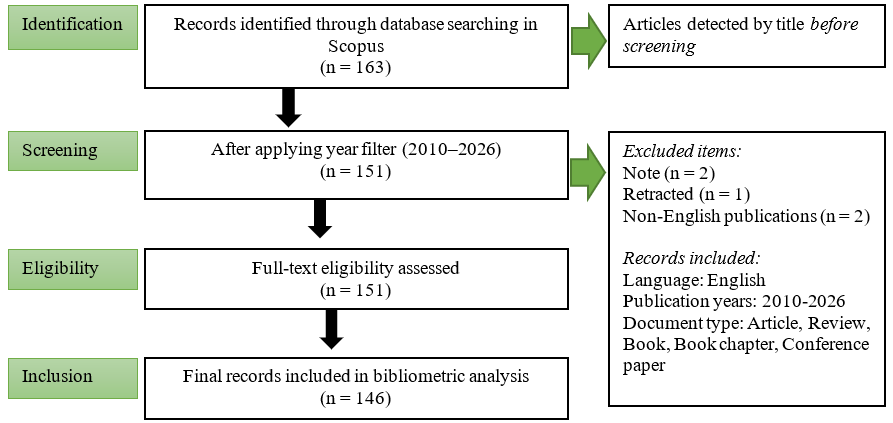
Initially, 163 records were identified through the Scopus database (Figure 1). During the screening stage, five records were excluded, comprising two notes, one retracted publication, and two non-English documents. The remaining records were then assessed against the predefined inclusion criteria. To ensure the quality and consistency of the bibliometric dataset, only peer-reviewed journal articles, conference papers, and book chapters were retained. This screening process resulted in a final dataset of 146 publications for subsequent bibliometric analysis.
Figure 1. Preferred Reporting Items for Systematic Reviews and Meta-Analyses (PRISMA) flow diagram
3.3 Data screening and selection
The retrieved records were screened through a multi-stage selection process following the PRISMA 2020 guidelines [33]. First, duplicate records were removed to ensure that each publication was represented only once in the dataset. The remaining records were then screened based on their titles and abstracts to assess their relevance to the nexus between GTL and CSR. Where relevance could not be determined from the title and abstract alone, the full text was examined against the predefined inclusion criteria. Only English-language, peer-reviewed publications directly addressing the relationship between GTL and CSR were retained. This systematic screening process resulted in a final dataset of 146 publications, providing a reliable and transparent foundation for the subsequent bibliometric analyses.
The final dataset was dominated by journal articles (n = 112; 76.7%), followed by book chapters (n = 17; 11.6%) and books (n = 5; 3.4%). The remaining publications comprised reviews (n = 4; 2.7%), conference reviews (n = 4; 2.7%), and conference papers (n = 4; 2.7%). This distribution indicates that the GTL-CSR literature is primarily disseminated through peer-reviewed journal articles, reflecting the maturity and scholarly rigor of research in this domain.
3.4 Data analysis technique
The data were analyzed using a combination of performance analysis and science mapping techniques to provide a comprehensive understanding of the intellectual structure and evolution of the GTL and CSR research domain. Performance analysis was first conducted to evaluate the productivity and scholarly impact of the field by examining annual publication trends, leading authors, influential journals, and citation patterns. This step enables the identification of the most significant contributors and the temporal development of the literature.
Subsequently, science mapping techniques were employed to uncover the relational and conceptual structure of the research domain. Co-authorship analysis was used to explore collaboration patterns among researchers, institutions, and countries, thereby revealing the social structure of knowledge production. Co-citation analysis was conducted to identify the intellectual foundations of the field by examining how frequently pairs of documents are cited together, which helps in detecting core theoretical clusters. In addition, keyword co-occurrence analysis was performed to capture the conceptual structure of the literature by identifying frequently co-occurring terms, allowing for the detection of dominant research themes and emerging topics.
For all network analyses, the full counting method was applied, whereby each occurrence or co-occurrence contributed equally to the construction of bibliometric networks. Association strength normalization was used to generate the bibliometric maps, following the default recommendation of VOSviewer to accurately represent the relative strength of relationships among nodes. For the keyword co-occurrence analysis, Author Keywords were selected to capture the conceptual structure of the research field, and a minimum occurrence threshold of three was applied to include only sufficiently frequent keywords in the visualization.
3.5 Bibliometric tool
The bibliometric analysis was conducted using VOSviewer version 1.6.20. VOSviewer was employed to construct and visualize bibliometric networks, including co-authorship, co-citation, and keyword co-occurrence maps [34]. Its strength lies in its ability to generate clear and interpretable visualizations of complex relationships among research elements.
The distribution of the 146 documents across subject areas reveals the inherently multidisciplinary nature of research on GTL and CSR. The majority of publications are concentrated in Business, Management and Accounting (n = 98), indicating that the discourse is primarily anchored within organizational and managerial contexts. This dominance reflects the central role of leadership practices in shaping CSR strategies and sustainable organizational outcomes. In addition, a substantial proportion of studies falls within the Social Sciences (n = 60), highlighting the broader societal implications of GTL and CSR, including stakeholder engagement, institutional pressures, and social legitimacy. The presence of Environmental Science (n = 39) further underscores the ecological dimension of the field, suggesting that sustainability-oriented leadership is increasingly examined in relation to environmental performance and climate-related challenges.
Similarly, contributions from Economics, Econometrics and Finance (n = 37) indicate a growing interest in understanding the financial and economic consequences of CSR initiatives driven by GTL. These studies often explore value creation, firm performance, and long-term sustainability from a strategic perspective. Although less dominant, the inclusion of disciplines such as Computer Science (n = 19) and Energy (n = 18) points to emerging intersections with digital transformation and energy sustainability, respectively. This suggests that technological advancements and energy transitions are becoming relevant contexts for examining leadership and CSR integration. Furthermore, contributions from Arts and Humanities (n = 14) and Decision Sciences (n = 12) provide nuanced insights into ethical considerations, cultural narratives, and decision-making processes associated with sustainable leadership.
Other subject areas, including Engineering (n = 8), Psychology (n = 5), and several smaller fields such as Mathematics, Materials Science, Earth and Planetary Sciences, Physics and Astronomy, Medicine, and Chemistry, demonstrate the peripheral yet important contributions that enrich the field’s interdisciplinary foundation. These areas, although limited in number, signal opportunities for future research to integrate technical, behavioral, and scientific perspectives into leadership and CSR scholarship.
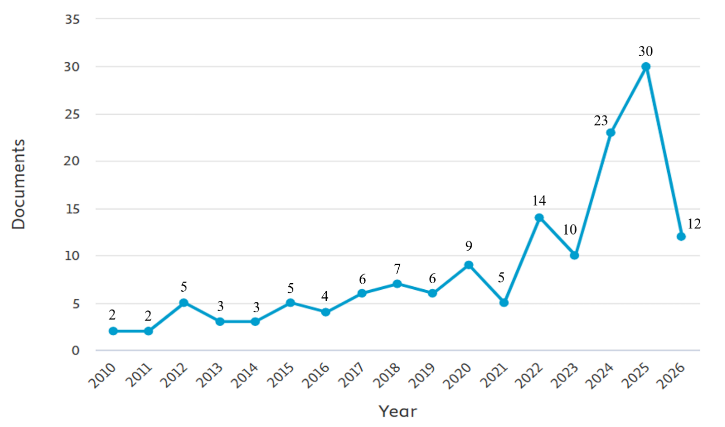
Figure 2. Publication trends from 2010 to 2026
Figure 2 illustrates the temporal evolution of publications on GTL and CSR over the period 2010 to 2026, revealing a progressively increasing yet non-linear trajectory. In the early stage, spanning 2010 to 2014, scholarly output remained relatively limited, with annual publications ranging from two to five documents. This period can be characterized as the nascent phase of the field, where research attention to the intersection of environmental leadership and CSR was still emerging and fragmented.
From 2015 to 2019, the field began to exhibit modest growth, with publication counts fluctuating between four and seven articles per year. This gradual increase suggests a growing recognition of the strategic importance of sustainability-oriented leadership, particularly in response to rising global awareness of environmental issues and corporate accountability. However, the growth during this phase remained incremental, indicating that the topic had not yet reached mainstream prominence within leadership and organizational studies.
A more noticeable shift occurs from 2020 onwards. Although 2021 shows a slight decline, the overall trend reflects a significant acceleration in scholarly output, culminating in a sharp increase from 2022 (n = 14) to 2025 (n = 30), which represents the peak of publication activity within the dataset. This surge likely corresponds with heightened global emphasis on sustainability, climate change mitigation, and responsible business practices, as well as the increasing integration of environmental, social, and governance (ESG) considerations into leadership research.
The partial data for 2026 (n = 12) suggests a continuation of strong research interest, although the lower count should be interpreted cautiously due to incomplete indexing for the current year. Overall, the trend demonstrates a transition from a relatively underexplored niche to a rapidly expanding research domain.
Table 1 presents the five most frequently cited publications within the intersection of leadership and CSR, offering important insights into the intellectual foundations of this research domain. The most cited study by Groves and LaRocca [35], with 228 citations, underscores the pivotal role of ethical values embedded within transformational leadership in shaping followers’ attitudes toward CSR. This work establishes a critical behavioral mechanism, suggesting that leadership is not only a structural driver but also a moral catalyst for CSR engagement. The prominence of this study indicates that early scholarship strongly emphasized the ethical underpinnings of leadership as a foundation for socially responsible organizational behavior.
Table 1. Five most frequently cited papers
|
Rank |
Author(s)/year |
Document title |
Source |
Citations |
|
1 |
Groves and LaRocca (2011) [35] |
An empirical study of leader ethical values, transformational and transactional leadership, and follower attitudes toward corporate social responsibility (CSR) |
Journal of Business Ethics, 103(4): 511-528 |
228 |
|
2 |
Du et al. (2013) [36] |
The roles of leadership styles in CSR |
Journal of Business Ethics, 114(1): 155-169 |
208 |
|
3 |
Angus-Leppan et al. (2010) [37] |
Leadership styles and CSR practice: An examination of sensemaking, institutional drivers and CSR leadership |
Journal of Business Ethics, 93(2): 189-213 |
169 |
|
4 |
Manzoor et al. (2019) [38] |
The impact of transformational leadership on job performance and CSR as mediator in SMEs |
Sustainability Switzerland , 11(2): 436 |
141 |
|
5 |
Abbas (2024) [39] |
Does the nexus of CSR and green dynamic capabilities drive firms toward green technological innovation? The moderating role of green transformational leadership |
Technological Forecasting and Social Change, 208: 123698 |
125 |
Similarly, Du et al. [36], the second most cited article, advances the conversation by systematically examining how different leadership styles influence CSR outcomes. The high citation count reflects the study’s contribution in broadening the leadership-CSR nexus beyond transformational leadership alone, highlighting that leadership styles function as strategic enablers of CSR implementation. This reinforces the view that CSR is not merely a corporate policy but is deeply contingent upon leadership orientation and managerial discretion.
The third-ranked study by Angus-Leppan et al. [37] further deepens the theoretical landscape by integrating institutional theory and sense-making perspectives into CSR leadership research. Its influence suggests that CSR practices are shaped not only by individual leadership traits but also by broader institutional pressures and cognitive interpretations. This marks an important shift from purely leader-centric explanations toward more contextually embedded understandings of CSR.
The fourth article by Manzoor et al. [38] reflects a transition toward examining mediating mechanisms, particularly the role of CSR in linking transformational leadership to firm-level outcomes such as job performance. This indicates a growing scholarly interest in unpacking the “black box” between leadership and performance by positioning CSR as a critical intervening variable. Such work contributes to the operationalization of CSR within organizational behavior frameworks.
Finally, the recent contribution by Abbas [39] highlights an emerging direction in the literature, integrating GTL with CSR and green innovation. This study signals a paradigmatic evolution toward sustainability-oriented leadership, where environmental concerns, dynamic capabilities, and technological innovation converge. The inclusion of this recent work among the most cited papers suggests a rapidly growing emphasis on the environmental dimension of CSR and the strategic role of green leadership.
Table 2 identifies the five most influential authors in the GTL-CSR research domain, based on a combination of productivity (documents), scholarly impact (citations), and academic influence (H-index). The results reveal a highly concentrated yet evolving intellectual structure within this field. Groves, K.S. emerges as the most influential scholar, with the highest number of publications (6) and citations (391), along with a strong h-index (21). This dominance indicates a foundational role in shaping the leadership-CSR discourse. Groves’ contributions primarily center on the ethical and transformational dimensions of leadership, reinforcing the argument that leadership values and behaviors are critical antecedents of CSR engagement. The prominence of this author suggests that early intellectual development in this field has been strongly driven by normative and values-based leadership perspectives.
Table 2. Five most influential authors
|
Rank |
Authors |
Documents |
Citations |
H-index |
Affiliation |
|
1 |
Groves, K.S. |
6 |
391 |
21 |
Pepperdine University |
|
2 |
LaRocca, M.A. |
3 |
315 |
12 |
Virginia Military Institute |
|
3 |
Atan, T. |
3 |
49 |
14 |
Uluslararası Kıbrıs Üniversitesi |
|
4 |
Senathirajah, A.R.B.S. |
3 |
28 |
15 |
INTI International University |
|
5 |
Gazi, M.A.I. |
3 |
28 |
20 |
Jiujiang University |
Closely following, LaRocca, M.A. demonstrates substantial influence despite a smaller number of publications (3), with 315 citations and a solid h-index (12). This pattern indicates high-impact contributions rather than high productivity, suggesting that seminal or widely recognized works play a crucial role in shaping the field. The strong co-presence of Groves and LaRocca also reflects the importance of collaborative scholarship in establishing core theoretical foundations.
In contrast, authors such as Atan, T., Senathirajah, A.R.B.S., and Gazi, M.A.I. represent a newer wave of contributors. Although their citation counts remain comparatively lower, their h-index values (14, 15, and 20, respectively) indicate growing academic recognition and sustained research activity. This suggests a diffusion of the research field toward a broader and more diverse scholarly base, particularly across emerging and international institutions.
Notably, the geographic diversity of affiliations, spanning institutions in the United States, Cyprus, Malaysia, and China, highlights the global expansion of leadership and CSR research. This diversification reflects the increasing relevance of CSR as a universal organizational concern, transcending regional and institutional boundaries. It also indicates that the GTL-CSR nexus is being examined within varied socio-economic and cultural contexts, which may contribute to richer theoretical development.
Table 3 presents the five most influential journals contributing to the GTL-CSR nexus, based on publication output, citation impact, and journal quality indicators. The results reveal a multidisciplinary yet strategically concentrated publication landscape. The journal Sustainability (Switzerland) ranks first in terms of productivity, with the highest number of documents (12) and a substantial citation count (369). This dominance reflects the increasing alignment between CSR and sustainability-oriented research, where leadership is examined as a driver of environmental and social performance. The journal’s positioning within the domain of geography, planning, and development further suggests that the leadership-CSR relationship is being extended beyond traditional management boundaries into broader sustainability and societal contexts.
Table 3. Five most influential journals
|
Rank |
Journals |
Documents |
Citations |
SJR 2025 |
SUBJECT AREA |
Publisher |
|
1 |
Sustainability (Switzerland) |
12 |
369 |
0.750 |
Q1: Geography, planning and development |
MDPI |
|
2 |
Corporate Social Responsibility and Environmental Management |
6 |
232 |
2.147 |
Q1: Development, strategy and management |
John Wiley and Sons |
|
3 |
Social Responsibility Journal |
5 |
196 |
0.973 |
Q1: Business, management and accounting |
Emerald Group Publishing |
|
4 |
Journal of Business Ethics |
5 |
698 |
3.138 |
Q1: Business, management and accounting |
Springer Netherlands |
|
5 |
Journal of Leadership and Organizational Studies |
3 |
92 |
1.539 |
Q1: Business and international management |
Sage Publications |
In contrast, Corporate Social Responsibility and Environmental Management demonstrates a strong balance between productivity (6 documents) and scholarly impact (232 citations), supported by a high SJR (2.147). This indicates that the journal serves as a central outlet for strategically oriented CSR research, particularly in linking leadership practices with environmental management and organizational strategy. Its prominence reinforces the growing integration of CSR into core business and management disciplines.
Similarly, Social Responsibility Journal contributes significantly to the field, with consistent publication output and citation impact. Its focus on business, management, and accounting highlights the operationalization of CSR within organizational systems, suggesting that leadership research in this outlet often emphasizes implementation and managerial implications.
Notably, Journal of Business Ethics stands out with the highest citation count (698) despite a relatively smaller number of publications (5). This pattern indicates that the journal functions as a key intellectual cornerstone, publishing highly influential and foundational works. Its strong SJR (3.138) further confirms its role in shaping the theoretical and ethical dimensions of the leadership-CSR nexus. The prominence of this journal suggests that ethical considerations remain central to understanding how leadership drives socially responsible behavior.
Finally, Journal of Leadership & Organizational Studies appears as a specialized outlet within this domain, with a moderate number of publications (3) and citations (92). Its inclusion highlights the growing recognition of CSR within leadership-focused scholarship. Unlike broader CSR or sustainability journals, this journal provides a more focused platform for examining leadership mechanisms, behaviors, and organizational implications, thereby bridging micro-level leadership theories with macro-level CSR outcomes.
Table 4 presents the five most productive organizations contributing to the scholarly discourse on the nexus between GTL and CSR. The findings reveal a geographically diverse yet uneven distribution of institutional productivity and scholarly impact. Pepperdine University emerges as the most productive and influential institution, with six publications and a notably high citation count (391). This indicates not only consistent research output but also strong academic resonance and influence within the field. The substantial citation impact suggests that research originating from this institution plays a foundational or widely recognized role in shaping the intellectual structure of GTL and CSR scholarship.
Table 4. Top 5 productive organizations
|
Rank |
Organization |
Country |
Documents |
Citations |
QS World University Ranking 2026 |
|
1 |
Pepperdine University |
United States |
6 |
391 |
n/a |
|
2 |
University of Barishal |
Bangladesh |
4 |
28 |
n/a |
|
3 |
Jiangsu University |
China |
3 |
136 |
n/a |
|
4 |
Beijing Institute of Technology |
China |
3 |
23 |
259 |
|
5 |
INTI International University |
Malaysia |
3 |
28 |
509 |
In contrast, the University of Barishal ranks second in productivity with four publications but demonstrates a comparatively low citation impact (28). This disparity highlights a common pattern in bibliometric studies where emerging or less globally visible institutions contribute to output volume but may face limitations in terms of international visibility, collaboration networks, or journal placement.
Among Chinese institutions, Jiangsu University and Beijing Institute of Technology each contribute three publications. However, their citation performance differs significantly. Jiangsu University records a relatively high citation count (136), suggesting stronger academic influence, whereas Beijing Institute of Technology shows a modest citation impact (23) despite its global standing (QS ranking 259). This discrepancy indicates that institutional prestige does not necessarily translate directly into citation impact within this specific research domain.
Similarly, INTI International University contributes three publications with 28 citations, despite having a relatively strong QS ranking (509). This further reinforces the observation that institutional ranking and bibliometric impact in niche research areas such as GTL and CSR may not always align.
Table 5 highlights the five most productive countries contributing to the literature on GTL and CSR, revealing important patterns in global research productivity and scholarly impact. The United States ranks first in both research output (35 documents) and citation impact (1,254 citations), consistent with its leading position in the SCImago Country Rank (SCR = 1). This dominance reflects a well-established research ecosystem, extensive funding opportunities, and strong international collaboration networks, which collectively enhance both productivity and global visibility. The United States’ leadership also suggests its central role in shaping theoretical and empirical advancements in GTL and CSR.
Table 5. Top 5 productive countries
|
Rank |
Country |
Documents |
Citations |
SCImago Country Rank 2025 |
|
1 |
United States |
35 |
1,254 |
1 |
|
2 |
China |
25 |
1,003 |
2 |
|
3 |
India |
16 |
225 |
6 |
|
4 |
Pakistan |
15 |
946 |
39 |
|
5 |
Saudi Arabia |
10 |
519 |
27 |
Similarly, China demonstrates substantial scholarly contribution, ranking second in both publications (25 documents) and citations (1,003), aligned with its SCR position (2). This indicates not only high productivity but also increasing influence in the global research landscape. China’s strong citation performance suggests that its contributions are gaining recognition and are actively shaping emerging debates in green leadership and sustainability practices.
In contrast, India ranks third in productivity (16 documents) but exhibits a relatively modest citation count (225), despite holding a strong SCR position (6). This discrepancy suggests that while India is an active contributor, its research may face challenges related to international visibility, journal impact, or citation diffusion within the global academic community.
A particularly notable finding is the case of Pakistan, which ranks fourth in publication output (15 documents) but demonstrates a remarkably high citation count (946), outperforming countries with higher SCR rankings such as India and Saudi Arabia. Despite its lower SCR position (39), Pakistan’s citation impact suggests that its contributions are highly influential, potentially driven by strong collaborations, impactful research topics, or publications in high-visibility journals. This indicates that research quality and thematic relevance may outweigh overall national ranking in determining scholarly influence.
Finally, Saudi Arabia ranks fifth with 10 publications and 519 citations (SCR = 27), reflecting a growing but still developing presence in the field. The country’s moderate citation performance suggests increasing engagement with sustainability-related research, likely supported by national initiatives promoting environmental responsibility and organizational transformation.
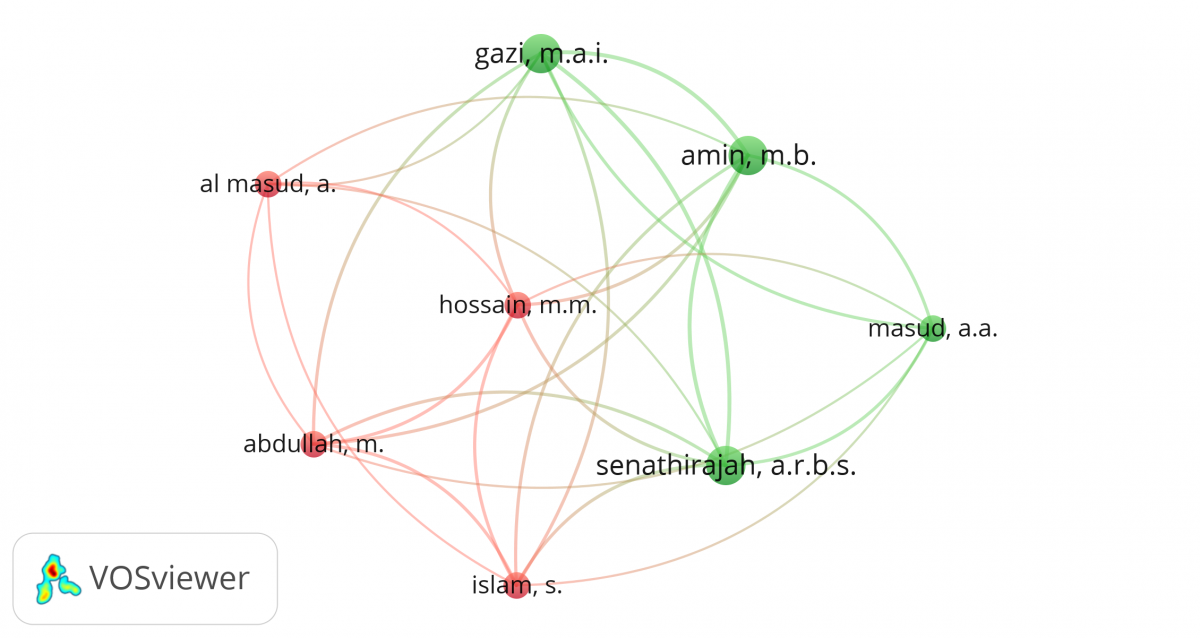
Figure 3 presents the co-authorship network, highlighting the intellectual collaboration patterns among scholars in the field of GTL and CSR. The network reveals a centralized structure, with Hossain, M.M. (Jahangirnagar University, Bangladesh) emerging as the most influential and well-connected author within this cluster. Hossain, M.M. occupies a strategic bridging position, acting as a key connector linking multiple researchers across different institutional and geographical contexts. Notably, strong collaborative ties are observed between Hossain and Gazi, M.A.I. (Jiujiang University, China), indicating a significant cross-country research partnership that enhances knowledge exchange between South Asia and East Asia.
Figure 3. Co-authorship network
In addition, Hossain’s collaborative network extends to several other scholars, including: Amin, M.B. (State University of Bangladesh, Bangladesh), Senathirajah, A.R.B.S. (INTI International University, Malaysia), Al Masud, A. (University of Barishal, Bangladesh), Abdullah, M. (University of Debrecen, Hungary), and Islam, S. (University of Barishal, Bangladesh). This pattern indicates that Hossain functions as a core hub, facilitating both intra-national collaboration (within Bangladesh) and international research linkages spanning Malaysia, China, and Hungary.
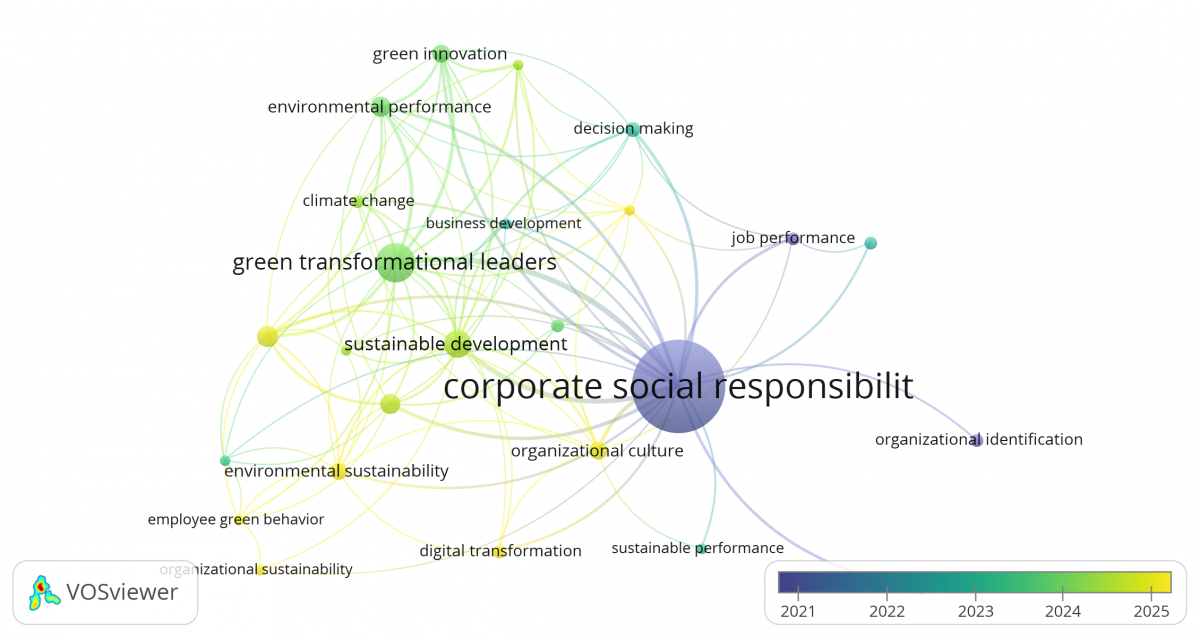
The temporal evolution of the GTL-CSR nexus in Figure 4 reveals a clear transition from a compliance-based and externally driven perspective to a leadership-centered, behaviorally grounded, and digitally enabled sustainability framework, where GTL functions as a critical integrative mechanism across individual, organizational, and strategic levels.
Figure 4. Temporal overlay of the co-word occurrence map for green transformational leadership (GTL) and corporate social responsibility (CSR) literature
The early phase (2010-2020) was dominated by macro-level concerns such as environmental sustainability and climate change, with limited emphasis on leadership. The transitional phase (2021-2023) marked the emergence of GTL as a central construct, emphasizing behavioral and organizational mechanisms. The most recent phase (2024-2026) reflects a mature and integrative perspective, where leadership, technology, culture, and strategy converge to drive sustainable performance and growth.
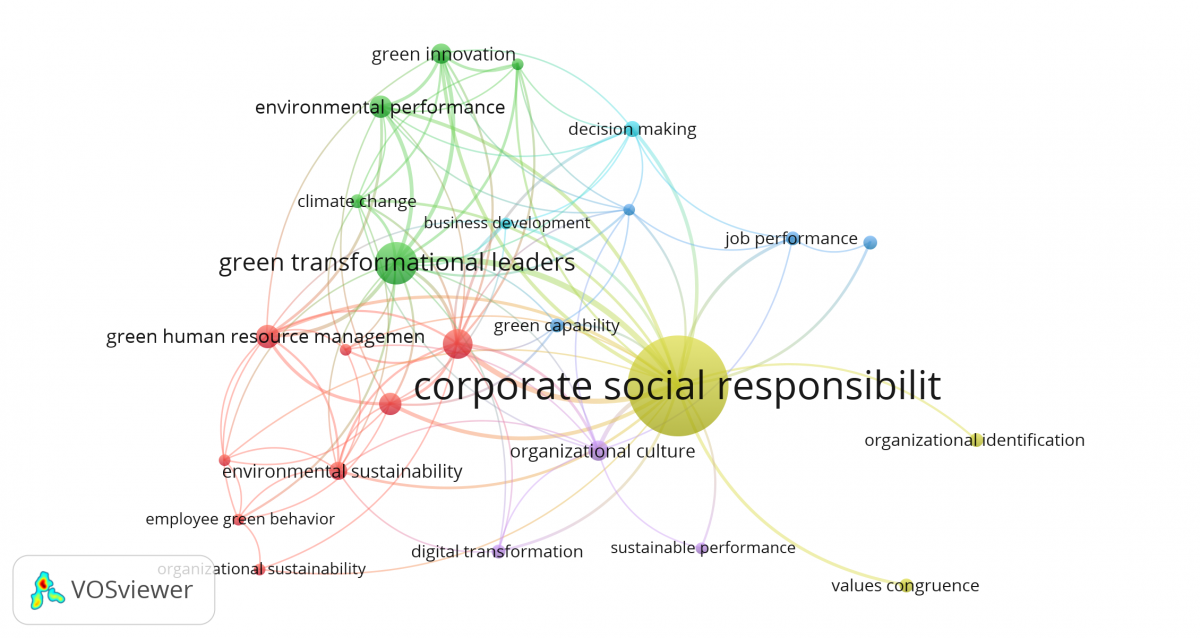
Figure 5 and Table 6 illustrate the intellectual structure of the GTL-CSR literature through six distinct but interrelated thematic clusters. The configuration reflects a multi-level, capability-driven, and increasingly digitalized sustainability discourse.
Figure 5. Overlay visualization of keywords co-occurrence
Table 6. Summary of thematic clusters derived from keyword co-occurrence analysis
|
Cluster |
Dominant Keywords |
Representative Highly Cited Papers |
Justification for Cluster Label |
|
Cluster 1 |
Employee green behavior, pro-environmental behavior, green HRM, green motivation |
Altassan [40]; Kaya and Atsan [41]; Zhang et al. [42] |
The dominant keywords and influential studies consistently focus on employee-level environmental behavior supported by GHRM and intrinsic motivation, justifying the label employee green behavior. |
|
Cluster 2 |
Environmental performance, green innovation, climate change |
Tian et al. [12]; Demir et al. [32]; Xu et al. [43] |
Keywords and highly cited studies emphasize organizational environmental outcomes and innovation capabilities, supporting the label environmental performance and green innovation. |
|
Cluster 3 |
Green capability, organizational performance, sustainable growth, job performance |
Abbas [39]; Cavusgil and Deligonul [44] |
The cluster centers on organizational capabilities that translate GTL into superior organizational and employee performance, supporting the label organizational capabilities and performance. |
|
Cluster 4 |
Organizational identification, value congruence, CSR, organizational commitment |
Conte et al. [45]; Kumar et al. [46] |
The dominant concepts concern employees' psychological attachment and alignment with organizational sustainability values, supporting the label organizational identification and values congruence. |
|
Cluster 5 |
Digital transformation, AI, sustainability, organizational culture |
Poberezhna et al. [47]; Sirolli et al. [48] |
Keywords and representative studies consistently highlight digital technologies as enablers of sustainability-oriented organizational culture, supporting the label digital transformation and sustainable culture. |
|
Cluster 6 |
Decision-making, business development, strategic management |
Alshammari [49]; Figueiredo et al. [50]; Yanhong et al. [51] |
The dominant themes focus on strategic leadership decisions that integrate CSR into organizational development, supporting the label strategic decision-making for business development. |
Cluster 1 represents the largest and most behaviorally grounded stream, emphasizing employee green behavior, pro-environmental behavior, motivation, and GHRM as key enablers of environmental and organizational sustainability. This cluster highlights the micro-level mechanisms through which GTL translates into CSR outcomes. Recent studies suggest that GTL fosters intrinsic motivation and environmental commitment, which in turn stimulate employee-level green behaviors and collective sustainability outcomes [41, 42]. Moreover, GHRM practices act as institutionalized mechanisms that reinforce leadership signals, aligning employee behavior with sustainability goals [40].
Cluster 2 centers on environmental performance, green innovation, and climate change, and is conceptually grounded in the Natural Resource-Based View (NRBV). This cluster reflects a strategic, capability-oriented perspective on the GTL-CSR nexus, where environmental responsibility is framed not merely as an ethical obligation but as a source of organizational competitiveness. Within this view, firms develop unique environmental capabilities, such as pollution prevention, eco-efficiency, and sustainable product innovation, that are difficult to imitate and therefore contribute to long-term competitive advantage [12, 43].
GTL plays a pivotal role as a strategic enabler. Leaders with strong environmental vision and commitment actively shape organizational capabilities by fostering a culture of sustainability, encouraging experimentation, and allocating resources toward green initiatives [30]. As a result, GTL becomes a key driver of green innovation, supporting the development of environmentally friendly processes, products, and technologies that respond to increasing climate change pressures [21]. Moreover, this cluster highlights the interdependence between environmental performance and innovation outcomes. Firms that successfully integrate GTL into their CSR strategies are better positioned to enhance their environmental performance while simultaneously addressing regulatory demands and stakeholder expectations related to climate change. Recent studies reinforce this linkage, showing that GTL stimulates green innovation, which in turn mediates improvements in environmental performance and strengthens firms’ adaptive capacity in the face of ecological uncertainty [52, 53].
Cluster 3 brings together green capability, job performance, organizational performance, and sustainable growth, forming a coherent meso-level performance framework that bridges individual and organizational analysis. This cluster moves beyond purely strategic or behavioral perspectives by explaining how sustainability is operationalized through capabilities that connect leadership inputs to measurable outcomes. At its core, this cluster emphasizes the role of green dynamic capabilities, which refer to firms’ abilities to integrate, build, and reconfigure environmental competencies in response to changing conditions [44]. Within the GTL-CSR nexus, GTL functions as a key antecedent that nurtures these capabilities by shaping employees’ environmental awareness, encouraging skill development, and fostering adaptive learning processes [39]. In doing so, GTL translates abstract sustainability goals into actionable organizational routines and practices. These capability-building processes have direct implications at multiple levels. At the individual level, employees equipped with green competencies tend to exhibit higher job performance, particularly in tasks related to environmental responsibility, efficiency, and innovation. At the organizational level, the accumulation and orchestration of such capabilities enhance overall performance by improving resource utilization, strengthening innovation outcomes, and aligning operations with sustainability objectives.
Cluster 4 centers on organizational identification and values congruence, capturing the social-psychological foundation of the GTL-CSR relationship. This cluster explains how sustainability is internalized by employees, emphasizing that the success of GTL depends not only on strategic direction or capability development but also on the alignment between organizational values and individual beliefs. From this perspective, CSR initiatives function as important symbolic and substantive signals that communicate the organization’s ethical stance and commitment to sustainability [45]. When employees perceive these initiatives as authentic and consistent, they are more likely to develop stronger organizational identification, which is a sense of belonging and emotional attachment to the organization [46]. At the same time, values congruence emerges when employees feel that their personal values align with the organization’s sustainability-oriented mission.
Cluster 5 introduces an emerging theme combining digital transformation, organizational culture, and sustainable performance. This reflects a contemporary shift toward digital sustainability. Recent research highlights that digital technologies (e.g., AI, big data) enable firms to optimize sustainability practices and monitor CSR performance in real time [47, 48]. However, their effectiveness depends on a supportive organizational culture shaped by leadership.
Cluster 6, while comparatively smaller in size, captures a critical dimension of the sustainability discourse by focusing on decision-making and business development. This cluster reflects the managerial and entrepreneurial roles of leadership, where sustainability is not treated as a peripheral concern but as a core strategic priority. In this context, leaders act as key decision architects who align CSR initiatives with organizational objectives, ensuring that sustainability considerations are embedded within high-level strategic choices [50]. More specifically, this cluster highlights how leadership facilitates the integration of CSR into business development processes, linking ethical responsibility with value creation and competitive advantage. Recent studies further support this perspective by demonstrating that leaders with a sustainability orientation systematically incorporate CSR into their decision-making frameworks. This integration enables organizations to pursue business model innovation that is both economically viable and socially responsible, ultimately contributing to long-term organizational resilience and sustainable development [49, 51].
This study presents a comprehensive bibliometric review of the nexus between GTL and CSR, providing a systematic understanding of the intellectual development, thematic structure, and future direction of this increasingly important research domain. Drawing upon 146 Scopus-indexed publications published between 2010 and April 2026, the findings indicate that the relationship between leadership and corporate responsibility has gained substantial momentum over time. What was once a relatively fragmented and emerging topic has now evolved into a vibrant and multidisciplinary field that connects leadership studies, sustainability research, organizational behavior, environmental management, and strategic management.
One of the most significant findings is the strong upward trajectory of publication output, particularly after 2020. This acceleration suggests that GTL and CSR have become highly relevant in response to intensifying global challenges such as climate change, environmental degradation, stakeholder activism, social inequality, and growing pressure for ESG accountability. Organizations are no longer judged solely by financial outcomes, but also by their capacity to generate social and environmental value. In this context, leadership has emerged as a critical driver of responsible transformation, positioning GTL as a central mechanism through which sustainability values can be translated into organizational practice.
The bibliometric results further demonstrate that GTL increasingly functions as a strategic antecedent of CSR. Earlier literature often framed CSR as a compliance requirement, philanthropic activity, or reputational instrument. However, more recent scholarship conceptualizes CSR as an integrated strategic orientation shaped by visionary leaders who inspire employees, encourage innovation, allocate resources responsibly, and embed ethical and environmental values into organizational culture. This shift reflects a broader movement from reactive responsibility toward proactive sustainability leadership. Consequently, GTL is not merely an extension of transformational leadership, but a contemporary leadership paradigm aligned with sustainable development objectives.
The intellectual structure of the field is anchored by influential journals such as Journal of Business Ethics, Sustainability, Corporate Social Responsibility and Environmental Management, and Journal of Leadership and Organizational Studies. These outlets have played a critical role in advancing interdisciplinary dialogue across ethics, management, sustainability, and leadership scholarship. In addition, the most influential studies reveal that ethical leadership, stakeholder theory, legitimacy theory, institutional pressures, and innovation capability remain central theoretical foundations for understanding how leadership influences CSR outcomes.
The thematic mapping identified six major research streams that collectively explain the GTL-CSR nexus across multiple levels of analysis. First, employee green behavior emphasizes how leaders shape pro-environmental attitudes, motivation, and sustainable conduct among employees. Second, environmental performance and green innovation highlight the role of leadership in driving eco-efficiency, technological advancement, and climate responsiveness. Third, organizational capabilities and sustainable growth show that GTL contributes to dynamic capabilities that enhance long-term competitiveness. Fourth, organizational identification and value congruence explain how employees align with sustainability-oriented organizational missions. Fifth, digital transformation and sustainability culture reflect an emerging stream where technology, analytics, and AI intersect with GTL. Sixth, strategic decision-making and business development underline the importance of leadership in integrating CSR into core strategy and value creation processes.
From a practical standpoint, this study suggests that organizations seeking stronger CSR performance should move beyond symbolic CSR initiatives and focus on leadership development. Sustainable outcomes depend not only on reporting systems, governance structures, or regulatory compliance, but also on leaders who can inspire collective purpose, promote ethical behavior, and champion environmental responsibility. Investing in GTL capabilities, sustainability training, and culture-building mechanisms may therefore become a critical source of resilience and competitive advantage.
Despite these contributions, several limitations should be acknowledged. First, this review relies exclusively on the Scopus database and English-language publications, which may exclude relevant studies indexed in other databases or published in other languages. Differences in database coverage, indexing policies, and citation records between Scopus and Web of Science may influence the identification of highly cited publications, collaboration networks, and thematic clusters. Consequently, the intellectual structure presented in this study should be interpreted within the scope of the Scopus database. Bibliometric methods also emphasize structural relationships rather than providing causal explanations of the GTL-CSR nexus. Future research is therefore encouraged to compare bibliometric results derived from Scopus and Web of Science, or to construct merged datasets from multiple databases (e.g., Scopus, Web of Science, and Dimensions) to assess the robustness and consistency of identified research trends, influential publications, and thematic structures. In addition, future studies may complement bibliometric analyses with systematic literature reviews, meta-analyses, and longitudinal or cross-country comparative research to provide deeper theoretical and empirical insights.
This project was financially supported by Mahasarakham University, Thailand.
[1] Amin, B., Hakimah, Y., Madjir, S., Noviantoro, D. (2019). The role of transformation leadership in enhancing corporate sustainability capabilities and sustainable supply chain management. Polish Journal of Management Studies, 20(2): 83-92. https://doi.org/10.17512/pjms.2019.20.2.07
[2] Begum, M.A., Swamy, T.N.V.R.L. (2025). Green transformational leadership and sustainable business performance: The mediating role of organizational innovation capabilities and green self-efficacy. Human Resource Development International. https://doi.org/10.1080/13678868.2025.2560485
[3] Vargas-Hernández, J.G. (2023). Implications between environmental management and green transformational leadership in greening organizations. In Research Anthology on Business Law, Policy, and Social Responsibility, IGI Global Scientific Publishing, pp. 976-994. https://doi.org/10.4018/979-8-3693-2045-7.ch051
[4] Broomes, V. (2021). Catalyst, not hindrance: How strategic approaches to CSR and sustainable development can deliver effective solutions for society’s most pressing issues. In CSR, Sustainability, Ethics and Governance, Springer, Cham, pp. 191-214. https://doi.org/10.1007/978-3-030-62501-6_9
[5] Nugraheni, P., Rahmadani, H. (2025). Revisiting the impact of corporate governance mechanisms and corporate social responsibility disclosure. Corporate Law and Governance Review, 7(4): 8-16. https://doi.org/10.22495/clgrv7i4p1
[6] Astuti, R.J., Maryati, T., Nurmalasari, A.A., Setyawati, N. (2024). Balancing sustainability organizational: The role of servant leadership and innovativeness through organizational culture and corporate social responsibility. E3S Web of Conferences, 571: 01007. https://doi.org/10.1051/e3sconf/202457101007
[7] Hoo, W.C., Ying, L.C., Liau, C.H., Tee, M., Wolor, C.W., Prompanyo, M. (2024). Mediating effect of employee happiness between corporate social responsibility and employee innovation in the manufacturing companies. Pakistan Journal of Life and Social Sciences, 22(2): 3838-3849. https://doi.org/10.57239/PJLSS-2024-22.2.00281
[8] Hadi, N., Udin, U. (2021). Testing the effectiveness of CSR dimensions for small business entrepreneurs. Journal of Open Innovation: Technology, Market, and Complexity, 7(1): 6. https://doi.org/10.3390/joitmc7010006
[9] Jahid, M.A., Rashid, M.H.U., Masud, M.A.K., Yaya, R. (2022). A longitudinal study of corporate social responsibility expenditure and ownership structure of financial firms. Banks and Bank Systems, 17(1): 24-37. https://doi.org/10.21511/bbs.17(1).2022.03
[10] Riyadh, H.A., Al-Shmam, M.A., Firdaus, J.I. (2022). Corporate social responsibility and GCG disclosure on firm value with profitability. International Journal of Professional Business Review, 7(3): 655. https://doi.org/10.26668/businessreview/2022.v7i3.e655
[11] Singh, B., Wongmahesak, K. (2025). Building equitable healthcare: Corporate social responsibility in sustainable health systems for SDG 3. In Physical Health, Mental Health, and Human Well-Being in the Age of AI, pp. 1-22. IGI Global Scientific Publishing. https://doi.org/10.4018/979-8-3693-6190-0.ch001
[12] Tian, T., Faraz, A.Z., Sarfraz, M., Arshad, S. (2026). The nexus of green transformational leadership and social responsibility: Strategic pathways via green HRM, environmental strategy, and eco-spiritual orientation toward sustainable development. Business Strategy and the Environment. https://doi.org/10.1002/bse.70665
[13] Rana, M.S., Al Masud, A., Hossain, I., Ahamed, M.M., Mahmudul Haque, A.K.M. (2026). Corporate social responsibility unlocks sustainable environmental performance through green leadership and capability. Discover Sustainability, 7(1): 319. https://doi.org/10.1007/s43621-025-02568-w
[14] Donthu, N., Kumar, S., Mukherjee, D., Pandey, N., Lim, W.M. (2021). How to conduct a bibliometric analysis: An overview and guidelines. Journal of Business Research, 133: 285-296. https://doi.org/10.1016/j.jbusres.2021.04.070
[15] Burns, J.M. (1978). Leadership. New York: Harper & Row.
[16] Bass, B.M. (1985). Leadership and performance beyond expectations. New York, NY: Free Press.
[17] Udin, U., Chanthes, S., Dananjoyo, R. (2025). Green transformational leadership and environmental performance: insights from bibliometric analysis for future research agenda. International Journal of Sustainable Development and Planning, 20(6): 2331-2341. https://doi.org/10.18280/ijsdp.200606
[18] Oktaysoy, O., Topcuoglu, E., Selvi, M.S., et al. (2025). Psychological green climate as a mediator between green transformational leadership, innovation, and environmental awareness. Frontiers in Psychology, 16: 1701658. https://doi.org/10.3389/fpsyg.2025.1701658
[19] Baltacı, D.Ç., Büyükbeşe, T. (2026). Green transformational leadership, creativity, and organizational culture: A structural model of pro‐environmental behavior in an emerging cosmetics market. Business Strategy and the Environment, 35(5): 6443-6460. https://doi.org/10.1002/bse.70496
[20] Cao, J., Sun, H., Cao, X., Ma, H. (2026). Green transformational leadership and employees’ green behavior: A cross-level moderated mediation study. Frontiers in Psychology, 17: 1720404. https://doi.org/10.3389/fpsyg.2026.1720404
[21] Alkandi, I. (2025). Green transformational leadership and its impact on employee environmental performance through internal environmental orientation and green rewards and incentives. Discover Sustainability, 6(1): 1352. https://doi.org/10.1007/s43621-025-02242-1
[22] Junling, L. (2026). Investigating the impact of green transformational leadership on sustainable competitive performance: The mediating roles of green innovation and human resource management. International Journal of Advanced and Applied Sciences, 13(3): 11-20. https://doi.org/10.21833/ijaas.2026.03.002
[23] Amin-Chaudhry, A. (2016). Corporate social responsibility-from a mere concept to an expected business practice. Social Responsibility Journal, 12(1): 190-207. https://doi.org/10.1108/SRJ-02-2015-0033
[24] Falcó, J.M., Marco-Lajara, B., Zaragoza-Sáez, P. (2022). Corporate social responsibility: A comprehensive analysis. In Positive and Constructive Contributions for Sustainable Development Goals, pp. 131-160. https://doi.org/10.4018/978-1-6684-7499-0.ch009
[25] Lee, M.D.P. (2011). Configuration of external influences: The combined effects of institutions and stakeholders on corporate social responsibility strategies. Journal of Business Ethics, 102(2): 281-298. https://doi.org/10.1007/s10551-011-0814-0
[26] Billedeau, D.B., Palaschuk, N., Wilson, J. (2026). Corporate social responsibility theories in the context of global transformational events: A scoping review. Business Ethics, the Environment and Responsibility, 35(1): 321-339. https://doi.org/10.1111/beer.12792
[27] Yan, X., Espinosa-Cristia, J.F., Kumari, K., Cioca, L.I. (2022). Relationship between corporate social responsibility, organizational trust, and corporate reputation for sustainable performance. Sustainability (Switzerland), 14(14): 8737. https://doi.org/10.3390/su14148737
[28] Emon, M.M.H., Khan, T. (2025). Corporate social responsibility for sustainable development: A systematic review of business contributions to address global challenges. Review of Business and Economics Studies, 13(2): 6-39. https://doi.org/10.26794/2308-944X-2025-13-2-6-39
[29] Gigauri, I., Khan, A.J. (2024). Navigating corporate social responsibility through leadership and sustainable entrepreneurship. IGI Global. https://doi.org/10.4018/979-8-3693-6685-1
[30] Haq, N.U., Yin, Y., Mehmood, I., Fareed, M. (2026). The role of leadership in driving sustainable development goals integration in corporate social responsibility: A systematic literature review. Corporate Social Responsibility and Environmental Management. https://doi.org/10.1002/csr.70607
[31] Le, T.T., Gia, L.L.C. (2025). How green innovation and green corporate social responsibility transform green transformational leadership into sustainable performance? Evidence from an emerging economy. corporate social responsibility and environmental Management, 32(2): 2527-2541. https://doi.org/10.1002/csr.3077
[32] Demir, B., Akdemir, M.A., Kara, A.U., Sagbas, M., Sahin, Y., Topcuoglu, E. (2025). The mediating role of green innovation and environmental performance in the effect of green transformational leadership on sustainable competitive advantage. Sustainability (Switzerland), 17(4): 1407. https://doi.org/10.3390/su17041407
[33] Page, M.J., McKenzie, J.E., Bossuyt, P.M., et al. (2021). The PRISMA 2020 statement: An updated guideline for reporting systematic reviews. The BMJ, 372. https://doi.org/10.1136/bmj.n71
[34] Udin, U., Dananjoyo, R., Shaikh, M. (2025). Transactional leadership in public sector organizations: A bibliometric analysis. International Journal of Advanced and Applied Sciences, 12(7): 239-245. https://doi.org/10.21833/ijaas.2025.07.024
[35] Groves, K.S., LaRocca, M.A. (2011). An empirical study of leader ethical values, transformational and transactional leadership, and follower attitudes toward corporate social responsibility. Journal of Business Ethics, 103(4): 511-528. https://doi.org/10.1007/s10551-011-0877-y
[36] Du, S., Swaen, V., Lindgreen, A., Sen, S. (2013). The roles of leadership styles in corporate social responsibility. Journal of Business Ethics, 114(1): 155-169. https://doi.org/10.1007/s10551-012-1333-3
[37] Angus-Leppan, T., Metcalf, L., Benn, S. (2010). Leadership styles and CSR practice: An examination of sensemaking, institutional drivers and CSR leadership. Journal of Business Ethics, 93(2): 189-213. https://doi.org/10.1007/s10551-009-0221-y
[38] Manzoor, F., Wei, L., Nurunnabi, M., Subhan, Q.A., Shah, S.I.A., Fallatah, S. (2019). The impact of transformational leadership on job performance and CSR as mediator in SMEs. Sustainability (Switzerland), 11(2): 436. https://doi.org/10.3390/su11020436
[39] Abbas, J. (2024). Does the nexus of corporate social responsibility and green dynamic capabilities drive firms toward green technological innovation? The moderating role of green transformational leadership. Technological Forecasting and Social Change, 208: 123698. https://doi.org/10.1016/j.techfore.2024.123698
[40] Altassan, M.A. (2025). Sustainable leadership and green HRM: Fostering environmentally responsible organizational cultures. Sustainability (Switzerland), 17(20): 9331. https://doi.org/10.3390/su17209331
[41] Kaya, N., Atsan, N. (2025). How green transformational leadership influences employee green behavior: The mediating role of green intrinsic motivation. Journal of Environmental Management, 396: 128020. https://doi.org/10.1016/j.jenvman.2025.128020
[42] Zhang, Y., Xia, B., Dong, H., Pu, R., Anser, M.K. (2026). Why employees go green? Unpacking roles of leadership and green motivation on pro-environmental behaviours in China's new energy vehicle sector. Journal of Innovation and Knowledge, 16: 101028. https://doi.org/10.1016/j.jik.2026.101028
[43] Xu, W., Yin Chau, K., Tu, Y.T., Khudoykulov, K. (2026). Linking industry 4.0 adoption and eco-innovation to green firm performance: The role of servitization and absorptive capability across industry types. Corporate Social Responsibility and Environmental Management, 33(2): 2665-2678. https://doi.org/10.1002/csr.70300
[44] Cavusgil, S., Deligonul, S.Z. (2025). Dynamic capabilities framework and its transformative contributions. Journal of International Business Studies, 56(1): 33-42. https://doi.org/10.1057/s41267-024-00758-8
[45] Conte, F., Sardanelli, D., Vollero, A., Siano, A. (2023). CSR signaling in controversial and noncontroversial industries: CSR policies, governance structures, and transparency tools. European Management Journal, 41(2): 274-281. https://doi.org/10.1016/j.emj.2021.12.003
[46] Kumar, R.N., Kumar, A., Bhushan, B., Das, K., Bagga, S., Sargam, S. (2025). Investigating the impact of corporate social responsibility on organizational success and performance. Multidisciplinary Science Journal, 7: e2025ss0217. https://doi.org/10.31893/multiscience.2025ss0217
[47] Poberezhna, Z., Trukhan, O., Bileush, A., Kniaziev, A. (2024). Determination of the impact of innovative technologies in the system of strategic management of corporate social responsibility. Technology Audit and Production Reserves, 3(77): 25-32. https://doi.org/10.15587/2706-5448.2024.307797
[48] Sirolli, M.V., Igini, F., Rocchi, A. (2025). The digital transformation of corporate social responsibility: A tech-driven model for evaluating sustainability performance. In International Conferences Digital Transformation and Innovation Management 2025; and ICT, Society and Human Beings 2025, IADIS Press, pp. 19-26.
[49] Alshammari, K.H. (2024). Cultivating sustainable innovation: The role of environmental leadership in improving innovation performance. International Journal of Advanced and Applied Sciences, 11(2): 128-144. https://doi.org/10.21833/ijaas.2024.02.015
[50] Figueiredo, P., Carôla, M., Justino, M.J., Mendes, E. (2024). Green leadership development for the sustainable performance of organizations: An overview. New Research on Leadership Styles and Performance, 19-35.
[51] Yanhong, X., Rahlin, N.A.B., Binti Amirul, S.R. (2025). Examining the role of transformational leadership in promoting sustainable practices among university teachers in Guangdong. International Journal of Advanced and Applied Sciences, 12(3): 58-68. https://doi.org/10.21833/ijaas.2025.03.007
[52] Sutarmin, S., Yulianeu, A., Darmawan, A., Kurniawan, A.A. (2023). Driving sustainable change: Green transformational leadership, job crafting, and work engagement in frugal eco-innovation. International Journal of Sustainable Development and Planning, 18(12): 3883-3893. https://doi.org/10.18280/ijsdp.181220
[53] Van, H.V., Hoai, T.T., Minh, N.N., Nguyen, N.P. (2023). Green transformational leadership and green mindfulness as contributors to green innovation and environmental performance: Evidence from manufacturing firms in Vietnam. Sage Open, 13(3): 21582440231193919. https://doi.org/10.1177/21582440231193919