Syamsul Hadi* | Danu Indra Wardhana | Anisa Nurina Aulia | Nurul Fathiyah Fauzi | Insan Wijaya | Bagus Tripama
© 2026 The authors. This article is published by IIETA and is licensed under the CC BY 4.0 license (http://creativecommons.org/licenses/by/4.0/).
OPEN ACCESS
A common phenomenon among farmers during the dry season is that they are unable to determine a farming system using standardized, structured, and comprehensive farming analysis calculations regarding aspects of land equivalent ratio (LER), planting time efficiency (area time equivalent ratio (ATER)), compatibility (land equivalent coefficient (LEC)), and economic advantages (monetary advantage index (MAI)-percentage value of gross return (PVGR)), and even tend to ignore the level of land productivity, which has implications for their profit levels that are not optimal. This study aims to: (1) measure the values of LER, ATER, LEC, and MAI in the application of dry season farming systems; and (2) compare the level of land productivity between monoculture and intercropping farming systems. A mixed-method approach was employed using a cross-sectional survey combined with farm performance and comparative analyses. The study was conducted in Gunungsari Village, Maesan District, Bondowoso Regency, involving 94 farmers selected through stratified proportional random sampling. The results indicate that the tobacco-chili intercropping system achieved a LER of 1.98 (partial LER: tobacco = 1.03; chili = 0.94), ATER of 1.60, LEC of 0.97, MAI of Indonesian Rupiah (IDR) 57,366,118.13 ha⁻¹, and PVGR of 49.41%. A significant difference in land productivity was observed between monoculture and intercropping systems at the 5% significance level. These findings highlight that an integrative multi-indicator approach provides a robust framework for optimizing sustainable dryland farming systems.
intercropping, land equivalent ratio, area time equivalent ratio, land equivalent coefficient, monetary advantage index, dryland farming, farm performance, sustainable agriculture
Dryland farming systems in developing countries face serious challenges due to limited resources, climate change, and increasing economic uncertainty. Smallholder farmers are required to optimize the use of limited land to maintain productivity and sustainability, including in dry areas. In this context, the choice of farming system is a key factor, particularly between monoculture systems and diversified systems such as intercropping, especially during the dry season. The dry season is not a barrier to farming, especially for commodities that do not require significant water for growth, such as tobacco and horticultural vegetables like cayenne pepper (Capsicum frutescens L.) Tobacco (Nicotiana tabacum L.) is a seasonal plantation crop widely cultivated by both traditional farmers and modern corporations.
According to data from the study [1], East Java Province is one of the main centers of tobacco production in Indonesia, contributing significantly (46.73%) to national production. More specifically, Bondowoso Regency also serves as a major producing region, contributing 6.45%, 4.01%, and 1.48% of tobacco, corn, and cayenne pepper production at the provincial level by 2023, respectively, with encouraging increases. However, the tobacco monoculture system has several weaknesses, including vulnerability to soil degradation, price fluctuations, and high production risks. Therefore, intercropping is an alternative option to improve resource efficiency and farmer income stability.
Theoretically, the advantages of intercropping are explained through the concepts of resource complementarity, niche differentiation, and facilitative interactions between plants. Differences in plant morphological and physiological characteristics allow for more efficient utilization of light, water, and nutrient resources. Several recent studies have shown that intercropping can significantly increase productivity and land use efficiency, with the land equivalent ratio (LER) generally exceeding one, indicating that intercropping has advantages over monoculture systems. Furthermore, the studies [2, 3] corroborate previous research findings showing that intercropping not only increases productivity but also enhances the system's resilience to environmental changes, including drought and soil degradation. This demonstrates the crucial role of intercropping systems in supporting the concepts of sustainable intensification and sustainable agriculture.
The purpose of implementing an intercropping system is to maximize land use, thereby increasing productivity and farm profits. However, obstacles often arise, particularly in combining cultivated crops (tobacco and horticultural vegetables such as chili or cayenne pepper) due to agroclimatic, agroecosystem, and agroecological factors. Generally, there are differences in land productivity between tobacco farms cultivated with monoculture systems and those intercropped with cayenne pepper. Likewise, the level of land productivity between intercropping systems is often overlooked by farmers when choosing the most appropriate farming system, unless speculatively based on standardized, measurable, and holistic farming analysis calculations [4, 5].
In this context, this is further strengthened by the findings of the study [6], which stated that intercropping systems can improve water use efficiency, especially in dry and semi-dry land conditions, driving increased profits and contributing to the advancement of sustainable agriculture. The findings of a truly empirically convincing phenomenon from research conducted by the study [7] revealed that intercropping tobacco with chilies can produce a profit/loss ratio (R/C) of up to 3.01, in addition to improving the balance of the soil micro-ecosystem and reducing the risk of pest attacks due to the diversity of plants in the field. Furthermore, research by the studies [8, 9] revealed that the intercropping farming system produced an R/C ratio of 1.22 and an LER of 1.35, meaning land use was optimized without decreasing growth or production for both crops, even reaching an R/C ratio of 2.87, much higher than that of tobacco monoculture, which was only 1.94.
Furthermore, the study [10] stated that intercropping can provide a partial solution, namely increasing biodiversity and increasing production with fewer inputs. However, there are still obstacles to its widespread implementation, particularly in adapting intercropping crops to local equipment, management practices, and the environment. These findings allow us to reduce uncertainty about how intercropping will perform under realistic local agricultural conditions. Furthermore, these findings also provide a reference for adapting intercropping to local agricultural conditions and provide a key objective for future work to integrate intercropping into sustainable agricultural systems. More specifically, the study [11] stated that LER is higher in intercropping treatments, especially under N-limited conditions, because it can increase overall yields and optimize the use of resources such as water and nutrients, thereby increasing agricultural efficiency. Similarly, research by the study [12] found that intercropping forage corn and lablab beans with moderate deficit irrigation in the early stages can be used as a high-yielding and efficient forage production system in arid regions of northwest China. Meanwhile, most previous research has been limited to analyzing land efficiency using the LER analysis tool alone. However, LER has limitations because it does not consider the time dimension of land use. Therefore, other indicators, such as the area time equivalent ratio (ATER), are crucial for dynamically measuring land use efficiency, taking into account the length of time crops are in the field. Empirical studies show that ATER values can reach >1.9 in optimal intercropping systems, indicating high land and time efficiency. Furthermore, indicators such as the land equality coefficient (LEC) are used to assess the compatibility between crops in an intercropping system, while the monetary advantage index (MAI) is used to evaluate the economic advantages of the system. This combination of biological and economic indicators is crucial for providing a more comprehensive picture of the performance of a farming system [13].
Intercropping systems are known to provide benefits in managing soil erosion, controlling weeds, increasing soil fertility, and contributing to biodiversity, thereby reducing the risk of crop failure. However, the study [14] argues that the simultaneous presence of differences in morphological characteristics between two or more crops in a single plot of land is one way to increase crop production and agricultural productivity. However, intercropping systems directly create competition between the constituent crops for light, water, and nutrients. Therefore, to minimize competition between the constituent crops, careful planning is required, including considering plant species with different morphologies and environmental requirements, as well as plant spacing and planting time. These determining factors must be considered by farmers when determining the combination of crop commodities to be cultivated in a measured, standardized, and holistic manner to increase the LER of their land.
Based on the constellation of phenomena above, several research gaps remain that require further study. First, various previous studies have shown that the success of intercropping systems is highly dependent on the level of compatibility between crops and the efficient use of space and time. However, in practice, most still tend to use a partial approach to evaluating the performance of farming systems, focusing solely on land efficiency through LER, without simultaneously considering the time dimension and economic aspects. Therefore, this approach fails to provide a comprehensive picture of farming system efficiency. Second, studies that integrate indicators of biological, temporal/ compatibility/competitiveness, and economic dynamics as well as comparative land productivity simultaneously are still relatively limited, especially in the context of smallholder farmers in dryland areas, even though the success of a cropping system is not only determined by biological productivity, but also by temporal efficiency and the resulting economic benefits; Third, there are not many studies that specifically analyze the combination of tobacco plants with horticultural commodities such as secondary crops, chilies and other types of vegetable commodities in a multiple cropping system. Fourth, the variety of crop combinations in intercropping systems has not been fully evaluated to determine the most optimal configuration, considering that not all combinations yield maximum profits due to intercropping competition.
These limitations indicate a research gap in the study of agricultural systems, particularly regarding a comprehensive and integrated evaluation approach. Therefore, an analytical framework is needed that can combine various performance indicators, namely: LER for land efficiency, ATER for space and time efficiency, LEC to measure the level of crop compatibility, and MAI to evaluate economic benefits. Based on these research gaps, this study aims to analyze the performance of agricultural systems in Gunungsari Village, Bondowoso Regency, East Java, Indonesia, by comparing monoculture and intercropping systems planted during the dry season. The analysis was conducted using an integrated approach that combines four agricultural system performance indicators: LER, ATER, LEC, and MAI. In addition, this study also aims to examine differences in land productivity between monoculture and intercropping systems implemented by farmers through a comparative approach. The findings of this study can be used as a basis for farmer and village institutions such as Village-Owned Enterprises (BUMDes) to provide intervention materials to strengthen knowledge for farmers.
2.1 Research design
This study was designed using a quantitative descriptive approach through a cross-sectional survey technique combined with comparative analysis and evaluation of farming system performance. The quantitative descriptive approach is used to systematically and accurately describe the characteristics of the phenomenon under study based on numerical data, thus allowing for objective and standardized measurement of variables. According to the study [15], a quantitative approach is highly relevant for testing relationships between variables and generating generalizations based on empirical data. The use of the survey method in this study is based on its ability to efficiently collect data from large populations through structured instruments. This method is intended to capture real-world conditions at the farmer level. Therefore, the study [16] emphasized that surveys are an appropriate approach for obtaining representative data on population characteristics, particularly in comparative studies of numerical data on land productivity and farming system performance.
The cross-sectional design was chosen because this study observes variables at a specific point in time without intervention from the research subjects. This approach is effective for comparing conditions across farming systems within the same period. This condition is supported by the study [17] assertion that a cross-sectional design is highly appropriate for comparative research because it allows for simultaneous analysis of relationships between variables within a single time frame. Therefore, the combination of a quantitative descriptive approach, cross-sectional surveys, comparative analysis, and farm performance evaluation constitutes an appropriate and relevant methodological framework to address the research objective, namely to analyze the efficiency and relative advantages of farming systems under real-world conditions at the farmer level.
2.2 Research location
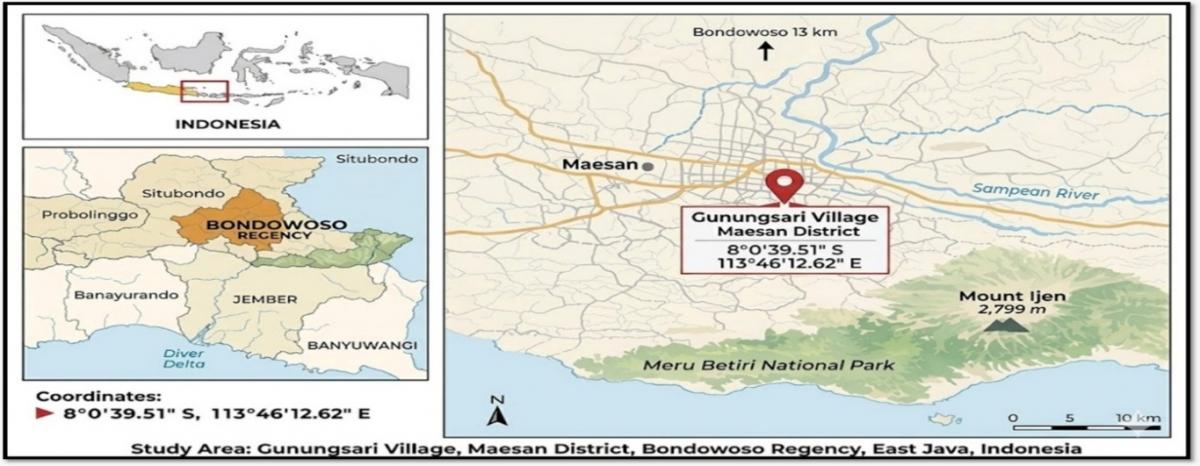
This research was conducted in Gunungsari Village in Maesan District, Bondowoso Regency, East Java, Indonesia, by purposive sampling based on the consideration that in the dry season, cayenne pepper plants in Bondowoso Regency tend to be intercropped with tobacco as the main crop in the context of intercropping. In addition, in the village there is also a phenomenon of farmers who plant tobacco and cayenne pepper, each planted in a small amount using a monoculture farming system. It should be noted that this village has an area of ± 370,009 Ha located at 444 meters above sea level. In 2025, the majority of its population works in the agricultural sector (52.45%) spread across 8 farmer groups. Administratively, this village consists of eight hamlets, namely Krajan, Kosawah, Kotengah, Gaddingan, West Gunungsari, East Gunungsari, Kodedek, and Peh, which have areas of rice fields, dry fields, and yards as well as other uses of 100,500 Ha, 165,760 Ha, 55,870 Ha, and 148,379.00 Ha, respectively [18, 19]. The geographical location of the research can be seen in Figure 1 below.
Figure 1. Research location in Gunungsari Village, Maesan District, Bondowoso Regency, East Java Province, Indonesia
2.3 Determining the sampling unit, population, and research sample
Furthermore, the sampling units were eight farmer groups spread across eight hamlets with a total population of 1,418 farmers (managers and members). Based on Slovin [20], the sample size for this study was 94 respondents (with a 10% margin of error). The number of farmers sampled was determined using the Proportional Stratified Random Sampling method based on the population per hamlet, per farmer group, and per established farming system at the research site, as presented in Table 1 below.
Table 1. Determination of the number of research samples based on the population per hamlet in the research location
|
No. |
Sub Village (Hamlet) |
Population (Person) |
Samples per Hamlet (Person) |
Monoculture |
Monoculture |
Intercropping |
|
Tobacco (Person) |
Chili (Person) |
Tobacco + Chili (Person) |
||||
|
1 |
Kosawah |
173 |
12 |
2 |
1 |
9 |
|
2 |
Kotengah |
275 |
18 |
3 |
2 |
13 |
|
3 |
Krajan |
349 |
22 |
4 |
3 |
15 |
|
4 |
Gaddingan |
119 |
8 |
1 |
1 |
6 |
|
5 |
Gunungsari Timur |
139 |
9 |
2 |
0 |
7 |
|
6 |
Gunungsari Barat |
83 |
6 |
1 |
1 |
4 |
|
7 |
Peh |
155 |
10 |
2 |
1 |
7 |
|
8 |
Kodedek |
125 |
9 |
2 |
0 |
7 |
|
Total |
1.418 |
94 |
17 |
9 |
68 |
|
Note: Profile of Gunungsari Village, Maesan District, Bondowoso Regency, East Java Province, Indonesia, 2025.
2.4 Data collection techniques
The data used consisted of primary and secondary data. Primary data were obtained through in-depth interviews guided by a structured questionnaire, while secondary data were obtained from relevant institutions [16, 21]. Furthermore, primary data were collected through Focused Group Discussions (FGDs) with a sample of farmer groups (sampling units) with a minimum of five participants, concentrated in one representative location.
2.5 Data analysis to test the performance of farming systems
To address the first research objective, an integrated farming system performance analysis approach was used using quantitative indicators such as the LER, ATER, LEC, and MAI, with further testing of the gross return percentage. These indicators are widely used in the intercropping literature to evaluate land use efficiency, timing, crop compatibility, and economic returns [22, 23]. In line with the combination of these various indicators, this study provides a more comprehensive evaluation of the performance of the farming system. The detailed mathematical formula is as follows:
Land-Equivalent Ratio (LER) = $\left(\frac{Y_{t i}}{Y_{t m}}\right)+\left(\frac{Y_{c i}}{Y_{c m}}\right)$ (1)
where, Yti = tobacco products on intercropping (t ha⁻¹), Ytm = tobacco products on monoculture (t ha⁻¹), Yci = chili products on intercropping (t ha⁻¹), Ycm = chili products on monoculture (t ha⁻¹).
Partial LER Tobacco (PLER1) = $\left(\frac{Y_ {ti}}{Y _{tm}}\right)$ (2)
Partial LER Chili (PLER2) =$\left(\frac{Y_{ci}}{Y_{cm}}\right)$ (3)
Area Time Equivalent Ratio (ATER) =$\frac{\left(P L E R_1 \times t_1\right)+\left(P L E R_2 \times t_2\right)}{T}$ (4)
where, PLER1= partial LER of plant 1, PLER2 = partial LER of plant 2, t1 = growth period of plant 1, t2 = growth period of plant 2, T = total duration of the intercropping system.
Percentage value of gross return $(\%)=\frac{M A I}{V} \times 100$ (5)
$M A I=\frac{V \times(L E R-1)}{L E R}$ (6)
where, V = Value of Combined Intercropping in Indonesian Rupiah (IDR).
Percentage value of gross return $(\%)=\frac{M A I}{V} \times 100$ (7)
Efficiency of Land and Time Use Compared to Monoculture system $(\%)=(L E R-1) \times 100$ (8)
2.6 Comparative analysis of land productivity between monoculture and intercropping
The Shapiro-Wilk test is a statistical method used to determine whether a data sample comes from a normally distributed population. This test is highly recommended and most powerful for small- to medium-sized samples, usually recommended for n < 50 (maximum 2000 data points). Basis for Decision Making: The normality decision is determined by the significance value (p-value) produced, usually compared to the error rate (α) of 0.05: Sig. Value (p-value) > 0.05 is accepted H₀, meaning the data is normally distributed. Sig. Value (p-value) < 0.05, H₀ is rejected, meaning the data is not normally distributed. This is supported by the study [24], which emphasized that comparative analysis aims to examine differences in land productivity and the performance of monoculture and intercropping farming systems. This analysis is important in agricultural research to evaluate the relative superiority of one farming system over another. When the distribution data are normal, the comparison is continued with an independent-samples t-test because this research is parametric.
The independent-samples t-test is a comparative test or difference test to determine whether there is a significant difference in mean or average between two independent groups on an interval or ratio scale. The two independent groups referred to here are two unpaired groups, meaning the data source comes from two different subjects. Before conducting the t-test (independent t-test), a test for equality of variance (homogeneity) is carried out with the F-test (Levene's Test). This means that if the variances are the same, then the use of Equal Variances Assumed is used (assuming the same variance), and if the variances are different, Equal Variances not Assumed is used (assuming different variances). Data processing uses the Statistical Package for the Social Sciences (SPSS). The Independent Samples t-test can also be written with the formula:
$t=\frac{X 1-X 2}{S p \sqrt{\frac{1}{n 1}+\frac{1}{n 2}}}$ (9)
with the formula of Sp = $\sqrt{\frac{(n 1-1) S 1^2+(n 2-1) S 2^2}{n 1+n 2-2}}$ (10)
The comparison was conducted within the same agroecological environment, namely Gunungsari Village, where monoculture and intercropping farmers operated under similar climatic conditions, soil characteristics, irrigation availability, market access, and seasonal production cycles. The study area is relatively homogeneous in terms of farming infrastructure and production environment, thereby reducing potential variability arising from external factors unrelated to cropping systems.
3.1 Farming system performance
The results of the study indicate that the intercropping system between tobacco (Nicotiana tabacum L.) and cayenne pepper (Capsicum frutescens L.) is able to produce a very high and superior farming system performance (agronomic) compared to the monoculture system, both in terms of biological aspects, compatibility, economics as well as the level of efficiency of land use and time compared to the monoculture system as shown in Table 2 and Figure 2. The average land productivity of both commodities in the intercropping system, where the tobacco monoculture yield is 2.18 t ha⁻¹, and the average tobacco intercropping yield is 2.25 t ha⁻¹, indicating an insignificant but consistent increase. The average land productivity of cayenne pepper commodities with a monoculture system reaches 2.6 t ha⁻¹, and the intercropping system reaches 2.45 t ha⁻¹, or, in other words, a slight decrease. The increase in productivity in tobacco, followed by a relative decrease (slightly depressed) in chili, indicates that there is a partial trade-off in the intercropping farming system. This phenomenon indicates that although the system is capable of increasing total efficiency (overall), not all commodities in the system receive the same benefits or adhere to the concepts of resource complementarity and niche differentiation. This condition reflects the balance between complementarity and competition in resource utilization, a common characteristic of modern intercropping systems.
Table 2. Results of farming system performance tests during the dry season in Gunungsari Village, Maesan District, Bondowoso Regency, 2025
|
No. |
Monoculture Tobacco Yield (t ha⁻¹) (A) |
Intercropped Tobacco Yield (t ha⁻¹) (A) |
Monoculture Chili Yield (t ha⁻¹) (B) |
Intercropped Chili Yield (t ha⁻¹) (B) |
The Value of Each Performance Indicator of the Farming System |
|
1 |
2.18 |
2.25 |
2.60 |
2.45 |
|
|
2 |
Land equivalent ratio (LER) |
(Yti/Ytm) + (Yci/Ycm) |
1.98 |
||
|
3 |
Partial LER tobacco (PLER1) |
(Yti/Ytm) |
1.03 |
||
|
4 |
Partial LER chili (PLER2) |
(Yci/Ycm) |
0.94 |
||
|
5 |
Area time equivalent ratio (ATER) |
((PLER1× t1 )+(PLER2× t2 ))/T |
1.60 |
||
|
6 |
Land equivalent coefficient (LEC) |
PLER1× PLER2 |
0.97 |
||
|
7 |
Monetary advantage index (MAI, IDR ha⁻¹) |
(V × (LER-1))/LER |
57,366,118.13 |
||
|
8 |
Percentage value of gross return (PVGR) (%) |
(MAI/V) × 100 |
49.41 |
||
|
9 |
Efficiency of land and time use compared to monoculture systems (%) |
(LER - 1) × 100 |
|
||
Note: Information: Yti = tobacco products on intercropping (t ha⁻¹); Ytm = tobacco products on monoculture (t ha⁻¹); Yci = Chili products on intercropping (t ha⁻¹); Ycm = Chili products on monoculture (t ha⁻¹); t1 = growth period of plant tobacco (105 days); t2 = growth period of plant Chili (165 days); T = total duration of the intercropping system (165 days); V = Value of Combined Intercropping; (Rp 116,107,902.82); and tchilihe MAI criteria are > 30% of PVGR = very high, If < 20% of PVGR = relatively low; Primary data processed in 2026. IDR = Indonesian Rupiah.
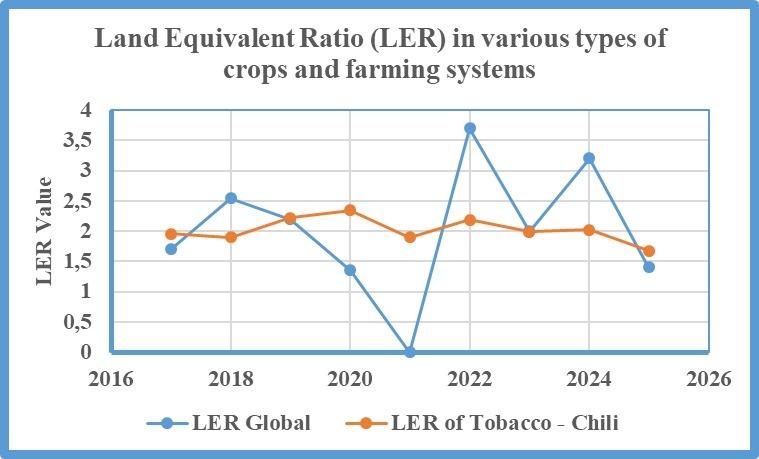
Figure 2. Comparison of Land equivalent ratio (LER) levels in various farming system performances and various types of crops and crop combinations widely cultivated by farmers in research locations, nationally and internationally, in the period 2017–2025
From an ecological perspective, the increase in tobacco productivity indicates a competitive advantage for this crop in accessing key resources such as light, water, and nutrients. Conversely, the slight decrease in chili pepper yields indicates competitive pressure, particularly at certain growth stages. This phenomenon reflects partial dominance in intercropping systems, where one plant species is superior to another, yet still provides an overall systemic advantage. This finding aligns with the findings of [10, 25, 26], which show that intercropping systems often produce partial dominance patterns due to differences in plant resource utilization abilities, while still increasing the system's total productivity.
The high LER obtained in this study indicates superior land-use efficiency of the intercropping system compared with monoculture. Although resource-use dynamics were not directly measured, this result is consistent with previous studies suggesting that intercropping systems may benefit from complementary utilization of environmental resources, including light, water, and nutrients.
Furthermore, adjusting planting dates to create greater temporal separation between the peak resource demands of tobacco and cayenne pepper may enhance temporal complementarity and reduce competitive pressure. Nutrient management also plays a crucial role, particularly through site-specific fertilization strategies that ensure adequate nutrient availability for both component crops. Similarly, supplemental irrigation during periods of peak water demand may help alleviate below-ground competition in dry-season environments.
Another promising strategy involves optimizing crop proportions within the intercropping arrangement. The current configuration may favor tobacco dominance, whereas alternative row ratios or plant population structures could improve cayenne pepper performance while maintaining the overall land-use efficiency advantage. Future experimental studies evaluating different spatial arrangements, planting schedules, and resource management practices would be valuable for identifying configurations that minimize yield trade-offs while preserving the substantial gains in LER, ATER, and economic returns observed in this study.
Furthermore, it can be emphasized that this system still shows potential for excellence when viewed from the perspective of total land use efficiency, as reflected in the LER value, which is theoretically still greater than one. This confirms that the success of the intercropping system is not determined by the simultaneous increase in all commodities, but rather by increasing the system's aggregate efficiency. Thus, the results of this study reinforce the concept that intercropping is a sustainable intensification strategy based on optimizing interactions between crops, rather than simply increasing individual productivity. Meanwhile, these findings also indicate that the farming system at the study site has reached a relatively optimal level of diversification, where increasing system complexity no longer provides significant productivity increases. This condition is consistent with the plateau concept in intercropping systems, where an increase in the number of plant species will be offset by increased competition, resulting in relatively stable final yields. Therefore, future system optimization should focus on adjusting the composition and proportion of crops, rather than simply adding commodity types.
The LER value found in this research is relatively high (1.98), indicating extraordinary land use efficiency in the implementation of the dry season farming system at the research site, as indicated by a value > 1. This value indicates that the intercropping system is capable of producing output equivalent to 1.98 hectares of monoculture land, or, in other words, indicating a 98% higher land-use efficiency compared with monoculture. This LER value is within the average general range reported in several global studies, namely between 1.3 and 3.7 (Figure 2), so it can be categorized as optimal results. This finding strengthens the argument put forward by the study [22] that the intercropping system has intrinsic advantages in increasing land productivity through more efficient resource utilization. This finding is also supported by the research results of the study [10, 27], which also confirmed that intercropping can increase productivity by 20-80% and soil fertility significantly compared to monoculture systems, making it an important strategy in sustainable agricultural intensification. However, the higher LER value in this study compared to global literature (both domestic and international) indicates that the tobacco-chili combination has the potential to have a stronger level of resource complementarity than commonly studied systems, such as cereals-legumes. This finding is also supported by empirical studies at the local level, which show that intercropping tobacco with horticultural commodities can produce a higher R/C ratio than monoculture [8].
The results of this study are further strengthened by recent research, which confirms that intercropping systems can significantly increase resource use efficiency through complementarity and ecological niche optimization. Intercropping systems increase nitrogen and water utilization efficiency by more than 30% compared to monoculture. Furthermore, in the context of Agronomy for Sustainable Development, intercropping is further emphasized as a key strategy for achieving sustainable agriculture by increasing productivity without land expansion [28, 29]. Meanwhile, at the policy level, the results of this study provide important implications: developing an intercropping system based on high-value commodities, such as tobacco and cayenne pepper, can be an effective strategy for increasing the productivity and income of dryland farmers. Therefore, policy support in the form of technical extension, access to production inputs, and strengthening farmer institutions is needed to encourage wider and more sustainable adoption of this system.
Furthermore, the superiority of the intercropping system is further strengthened by the ATER results, which calculate land use efficiency based on the time dimension. Therefore, this time dimension is also an important factor in evaluating the performance of the farming system, which in this study was quite high, as shown in Table 2 and Figure 3. This is reflected in the ATER value of 1.60, indicating that the intercropping system has 60% higher land and time use efficiency than monoculture in the study area. The lower ATER value compared to the LER is a common phenomenon, as the ATER takes into account the growth duration of each crop. These findings indicate that the superiority of the intercropping system is not only spatial but also temporal, thus providing a more realistic picture of the efficiency of the implemented farming system. This finding aligns with research by the study [30], which stated that ATER is a more comprehensive indicator than LER in evaluating intercropping systems. Empirically, previous studies have shown that ATER values are generally lower than LER because this indicator takes into account the length of time the plants remain in the field [30]. However, the relatively high ATER values in this study indicate that the tobacco-chili intercropping system is able to utilize time efficiently through synchronized plant growth. This condition indicates temporal complementarity, where differences in growth phases between plants allow for sustainable resource utilization without significant time lags [22, 29, 31]. The higher ATER values indicate that the intercropping system maintains its land use advantages even after accounting for crop duration. This finding is consistent with previous reports that temporal complementarity can contribute to improved performance in intercropping systems.
Furthermore, recent analyses have also shown that intercropping systems can minimize idle land periods and increase the efficiency of the overall farming system [25, 26]. It should be noted that data collection was conducted during the 2025 dry season (May–October), which corresponds to the main tobacco-growing period in Bondowoso Regency. As for the farming process with both monoculture and intercropping systems, the average planting date is from May 5 to August 17, 2025 for Voor Oogst tobacco plants, and the average planting date for chili is from May 1 to October 12, 2025. In the context of this study, the growth period of Voor-Oogst tobacco, which is approximately 105 days, and Chili, approximately 165 days, provides a strong ecological basis for this temporal synchronization. Compared with global studies, which generally report ATER values ranging from 1.05 to 1.50, the ATER values in this study demonstrate a significant temporal advantage.
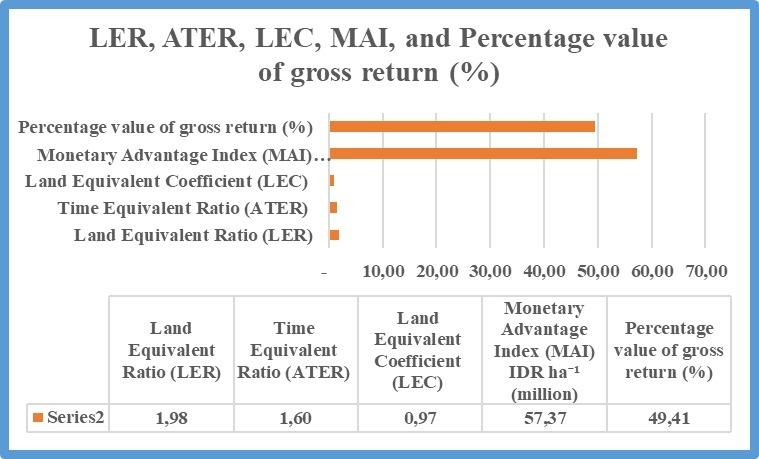
Figure 3. Results of the performance test of the farming system in Gunungsari Village, Maesan District, Bondowoso Regency, East Java Province, Indonesia during the 2025 dry season
Table 2 and Figure 3 show that the performance of the farming system at the study site, particularly in terms of intercropping interactions, is excellent, as reflected in the LEC value of 0.97. This value far exceeds the 0.25 threshold generally used as an indicator of successful intercropping systems, indicating that the combination of tobacco (Nicotiana tabacum L.) and cayenne pepper (Capsicum frutescens L.) exhibits a very high level of compatibility. Conceptually, a high LEC value reflects low direct competition between plants and increased facilitative interactions in a mixed cropping system. The findings of this research align with the theoretical framework developed by Ghosh [23], which states that the success of intercropping is largely determined by the ability of plants to form complementary, rather than competitive, relationships.
In the above context, the high LEC value indicates a favorable level of interspecific interaction within the intercropping system. However, because competition and facilitation processes were not directly quantified, the underlying ecological mechanisms remain inferential and should be interpreted cautiously. Furthermore, the results of this study are also consistent with previous research findings showing that compatibility between plants in an intercropping system is strongly influenced by differences in plant morphological and physiological characteristics, such as those found in research by [25, 29, 31]. These two research findings confirm that differences in canopy architecture and root systems enable plants to utilize light, water, and nutrients more efficiently through niche differentiation. Furthermore, a compatible intercropping system can increase the efficiency of nitrogen and other resource use through temporal and spatial complementarity mechanisms.
Furthermore, from a global perspective, these findings are further supported by research [26], which states that diversified agricultural systems, including intercropping, consistently demonstrate increased productivity and system stability due to positive interactions between plants. Therefore, in this context, a high LEC value not only reflects biological compatibility but also indicates the potential for long-term sustainability of the farming system. Therefore, the high LEC value in this study further confirms that the tobacco-chili combination is not only efficient in land use but also capable of creating harmonious and mutually beneficial ecological interactions. This situation strengthens the argument that the success of an intercropping system is determined not only by increased productivity but also by the quality of interactions between the plant components within the system, which ultimately contributes to the stability and sustainability of the agroecosystem.
Table 2 and Figure 3 also illustrate the level of farming system performance at the study site from an economic perspective, measured by the MAI value. The findings of this study indicate that the MAI value is IDR 57,366,118.13 per hectare (ha⁻¹), which is considered high based on the average production value of the two commodities, which is IDR 116,107,902.82 ha⁻¹. The MAI value obtained in this study (IDR 57,366,118.13 ha⁻¹) indicates substantial economic benefits from the intercropping system and is comparable to or higher than the values reported in several previous intercropping studies. This finding aligns with various international studies showing that intercropping systems can increase income stability and reduce economic risk in small-scale farming. Variations in MAI values in the global literature are generally influenced by crop combination and market conditions. Therefore, the high results in this study indicate that intercropping systems with tobacco and chili peppers have the potential to be an effective income diversification strategy. Several international studies supporting this research finding include studies [32, 33], which showed that crop diversification in intercropping systems can increase average farmer income while reducing the risk of farm failure by up to USD 2,000 per hectare.
Furthermore, intercropping systems offer more stable economic benefits than monocultures, particularly in uncertain environmental conditions, including drylands with undulating topography. Furthermore, previous studies have emphasized that economic indicators such as the MAI consistently show positive values in intercropping systems, indicating significant financial superiority. Furthermore, the positive MAI value of IDR 57,366 million ha⁻¹ in this study indicates significant economic benefits from intercropping tobacco with chili. Similar positive MAI values have also been reported in intercropping systems, including corn-long beans, corn-faba beans, sorghum-soybeans, and rice-soybeans under global and national conditions, confirming the economic advantages of intercropping over monocropping under varying agroecological conditions, currency exchange rates, and commodity prices. Furthermore, the intercropping phenomenon involving tobacco and chili in this study is a leading commodity with a relatively high product price compared to national conditions at the time of the study.
From an economic perspective, the relatively high positive MAI value indicates that the intercropping system is not only superior and agronomically (biologically) efficient, but also provides farmers with an average economic return of up to IDR 35 million per ha⁻¹ compared to monoculture. This value exceeds the national average MAI reported for various horticultural intercropping systems in Indonesia, although similar research remains very limited [34, 35]. This finding demonstrates that the combination of tobacco and chili peppers has highly competitive economic potential and is worthy of development as a sustainable agricultural intensification strategy. Therefore, these findings reinforce the resource complementarity theory and align with global research findings that indicate that intercropping systems can significantly increase agricultural productivity and sustainability.
The high MAI value in this research is supported by the results of various global studies and is also in line with various empirical findings in Indonesia, which show that the tobacco-chili intercropping system provides greater economic benefits than the monoculture system. Research in Situbondo Regency shows that intercropping farming income reaches IDR 88.47 million ha⁻¹, higher than tobacco and chili monocultures, which are IDR 43.58 million ha⁻¹ and IDR 81,85 Miliion ha⁻¹, respectively, where these values conceptually also reflect a positive and high MAI [34]. Similarly, a study conducted in Jombang Regency shows that the tobacco-chili intercropping system has an R/C ratio of 4.59 and a B/C ratio of 3.59, which indicates a very high level of business feasibility [35]. Therefore, various empirical findings, both national and global, confirm that the intercropping system not only increases productivity but also provides significant economic benefits, conceptually reflected in a high, positive MAI value.
Table 2 also reveals that the percentage value of gross return (PVGR) found in this study was 49.41%, indicating that the intercropping system provided 49.41% higher economic benefits than the monoculture system. In other words, this 49.41% gross income percentage also indicates that nearly half of the system's total income is the added value generated from the tobacco-chili intercropping pattern. Therefore, PVGR is another indicator for measuring the performance of a farming system, specifically the relative contribution of the intercropping system to the total economic value (farmer income). This value reflects the high contribution of intercropping to increasing farm economic benefits compared to monoculture systems. Conceptually, a high gross income percentage value indicates synergy between the plant components in the system, which allows for increased resource utilization efficiency while optimizing the economic value of production. This also indicates that the applied commodity combination is not only agronomically productive but also superior in generating economic value.
This finding aligns with research [22], which states that intercropping systems can increase income by 20-50% compared to monoculture. Furthermore, research by the study [36] shows that income increases in intercropping systems generally range from 15% to 60%, depending on the crop combination and agroecological conditions. Therefore, the 49.41% value obtained in this study is considered high and is at the upper end of global empirical findings. Furthermore, these findings are supported by studies showing that diversification of agricultural systems through intercropping can significantly increase profitability and income stability [26]. Ultimately, in this context, a high percentage of gross income reflects not only short-term economic advantages but also the potential for long-term sustainability of the farming system. Economic indicators such as MAI, PVGR, and simple sensitivity were subsequently calculated based on the gross revenue values presented in Table 3 and Table 4.
Table 3. Economic performance of monoculture and intercropping systems 2025
|
No. |
Variable |
Tobacco Monoculture |
Chili Monoculture |
Tobacco – Chili Intercropping |
|
1 |
Yield (t ha⁻¹) |
2.18 |
2.60 |
2.99 |
|
2 |
Farm-gate price (IDR kg⁻¹) |
53,684 |
54,600 |
45,041.19 |
|
3 |
Gross revenue (IDR ha⁻¹) |
117.031.120,00 |
141,960,000.00 |
134,673,158.10 |
|
4 |
Total production cost (IDR ha⁻¹) |
18,422,325 |
41,967,302 |
18,565,258.58 |
|
5 |
Gross income (IDR ha⁻¹) |
98,608,795.44 |
99,992,698.41 |
116,107,902.82 |
Note: Primary data processed in 2026. IDR = Indonesian Rupiah.
Table 4. Sensitivity of intercropping net income to commodity price changes 2025
|
No. |
Scenario |
Tobacco Prices |
Chili Prices |
Gross Income (IDR ha⁻¹) |
Change (%) |
|
1 |
Baseline |
100% |
100% |
116,107,902.82 |
00.00 |
|
2 |
S1 (Tobacco -10%) |
-10% |
fixed |
110,290,672.53 |
-5.46 |
|
3 |
S2 (Tobacco +10%) |
10% |
fixed |
129,142,589.13 |
10.70 |
|
4 |
S3 (Chili -10%) |
fixed |
-10% |
115,314,400.19 |
-1.15 |
|
5 |
S4 (Chili +10%) |
fixed |
10% |
124,118,861.47 |
6.39 |
Note: Primary data processed in 2026. IDR = Indonesian Rupiah.
Table 3 presents the economic performance of the monoculture and intercropping farming systems. The results indicate that the tobacco-chili intercropping system generated the highest gross income, amounting to IDR 116,107,902.82 ha⁻¹, compared with IDR 98,753,406.43 ha⁻¹ for tobacco monoculture and IDR 99,992,698.41 ha⁻¹ for chili monoculture. Although the intercropping system required a slightly higher production cost than tobacco monoculture, the additional cost was relatively small compared with the increase in economic returns obtained. This finding suggests that integrating tobacco and chili within the same production area improves resource utilization efficiency and creates a more profitable farming system. The higher gross income obtained from intercropping further confirms the economic advantage reflected by the positive MAI value and the PVGR of 49.41%, indicating that intercropping provides substantially greater economic benefits than cultivating the component crops separately.
To evaluate the robustness of these economic advantages under changing market conditions, a simple price sensitivity analysis was conducted by simulating a ±10% change in tobacco and chili prices while holding production costs constant (Table 4). The results demonstrate that the intercropping system remained economically profitable under all simulated scenarios. A 10% decrease in tobacco price reduced net income by 5.46%, whereas a 10% increase raised net income by 10.70%. Similarly, a 10% decrease in chili price reduced net income by only 1.15%, while a 10% increase generated an additional 6.39% increase in net income. These findings indicate that although economic returns are influenced by commodity price fluctuations, the tobacco–chili intercropping system exhibits relatively strong economic resilience under moderate market variability. The relatively smaller impact of chili price changes compared with tobacco price changes also suggests that tobacco contributes a larger proportion of total farm revenue within the intercropping system. Overall, the sensitivity analysis strengthens the conclusion that the economic superiority of the tobacco - chili intercropping system is not solely dependent on a single price condition but remains favorable across a range of realistic market scenarios.
Based on the constellation of phenomena found in this research, as well as previous research, it is important to consider and reflect on the fact that not all intercropping systems automatically produce better results than monocultures. Several global studies indicate that intercropping system failure can occur due to high intercropping competition or the selection of inappropriate crop combinations. Therefore, the success of an intercropping system depends heavily on proper crop selection, cropping patterns, and cultivation management. In this context, the high performance achieved in this study indicates that the tobacco-chili combination is a relatively optimal configuration under the dryland agroecosystem conditions at the study site.
Although previous studies have attributed intercropping advantages to mechanisms such as complementary resource use, improved microclimatic conditions, and enhanced nutrient acquisition, these variables were not directly measured in the present study. Therefore, such mechanisms should be regarded as plausible explanations rather than confirmed causal processes. The conclusions of this study are primarily supported by the observed differences in productivity, LER, ATER, LEC, MAI, and PVGR between monoculture and intercropping systems.
It should be emphasized that the main contribution of this research lies in the use of an integrated analytical approach that combines LER, ATER, LEC, MAI, and PVGR within a single evaluation framework. Unlike most previous studies that use only one or two indicators, this approach provides a more comprehensive picture of farming system performance, including dimensions of biological efficiency, time efficiency, crop compatibility, and economic profitability. This approach also allows for the identification of trade-offs and synergies between these aspects, which have been underexplored in the global literature.
Furthermore, this study provides empirical data based on the real-world conditions of smallholder farmers in dryland areas, a topic that remains relatively limited in international studies. Most intercropping research is conducted at the experimental scale under controlled conditions, thus underrepresenting the complexity of farming systems in the field. By utilizing field data, this study provides stronger external validity and high relevance for decision-making at the farmer level. Therefore, overall, the results of this study strengthen the global consensus that intercropping systems are an important strategy in supporting sustainable agricultural intensification. Furthermore, this study demonstrates that the integration of biological, temporal, and economic indicators can provide a stronger basis for decision-making in developing efficient and adaptive farming systems, particularly in resource-constrained environments.
3.2 Comparison of land productivity between intercropping and monoculture farming systems in the dry season
Based on the results of the normality test using the Shapiro-Wilk test, the following results were obtained: Based on the output table above, the sig value for monoculture productivity is 0.108 and for multiple cropping is 0.061. Since the significance value for both productivity measures is greater than 0.05, it can be concluded that the monoculture and multiple cropping productivity data are normally distributed. Because the data are normally distributed, the comparative analysis between monoculture and intercropping systems can be continued using parametric tests (independent samples t-tests or ANOVA). This allows for more accurate testing of differences in average land productivity, as presented in Table 5.
Although statistically the data meet the assumption of normality, the substantive differences between monoculture and multiple cropping systems can be explained by the characteristics of each farming system. Monoculture systems focus on a single commodity (e.g., tobacco), are oriented toward maximizing production and profits, are simpler to manage, and have higher risks (crop failure/price). Meanwhile, multiple cropping systems are characterized by combining several commodities, are oriented toward income stability, have higher land use efficiency, and have lower risks (diversification). Therefore, the differences in production being tested are influenced not only by cultivation techniques but also by farmers' economic strategies for managing risk and resources.
The choice of the Shapiro-Wilk normality test method is supported by research by the study [37], which states that the Shapiro-Wilk test is more accurate than the Kolmogorov-Smirnov test for small to medium samples. Furthermore, the differences in characteristics between monoculture and multiple cropping systems align with research by the study [38], which showed that diversified (multiple cropping) systems increase production stability and land efficiency. Research by the study [39] also stated that diversified agricultural systems have greater resilience to climate risks and production disruptions than monoculture systems. Furthermore, the study [40] emphasized that multiple cropping systems are an important strategy for improving food security and smallholder farmer incomes. Table 6 shows the results of the Independent Samples t-test. The significance value (Sig.) of Levene's Test is 0.188 > 0.05, so H₀ is accepted. This means that the productivity variance between the two groups being compared is homogeneous (equal). Therefore, the result of the t-test used is the value for Equal variances assumed. The Equal Variances Assumed has a calculated t-value of -6.172 (equal variances assumed) and a Sig. (2-tailed) of 0.000 < 0.05. This indicates a statistically significant difference between land productivity in monoculture and multiple cropping systems. The negative sign on the mean difference indicates that the average land productivity in the multiple cropping system is higher than in monoculture (assuming data coding is the same as in the output). Furthermore, the 95% confidence intervals, which are all negative (do not cross zero), further confirm the consistency and significance of this difference.
Table 5. Results of the normality test of land productivity values between the implementation of monoculture and intercropping farming systems during the dry season in Gunungsari Village, Maesan District, Bondowoso Regency, 2025
|
Tests of Normality |
|||||||
|
Farming system |
Kolmogorov-Smirnova |
Shapiro-Wilk |
|||||
|
Statistic |
df |
Sig. |
Statistic |
df |
Sig. |
||
|
Production |
Monoculture |
0.181 |
26 |
0.029 |
0.936 |
26 |
0.108 |
|
Intercropping |
0.117 |
68 |
0.023 |
0.966 |
68 |
0.061 |
|
|
a. Lilliefors Significance Correction |
|||||||
Note: Processed primary data, 2026.
The results of this study indicate that the intercropping system is capable of producing higher land productivity than the monoculture system, as presented in Table 6. This is due to the more optimal utilization of land resources through the combination of multiple crops at the same time and space. In a multiple cropping system, complementarity occurs between crops in the utilization of nutrients, light, and water, resulting in a higher total output per unit land area. Furthermore, this system allows farmers to harvest in stages, thereby increasing land use intensity throughout the season. Conversely, monoculture systems tend to produce lower total output per hectare due to their reliance on a single crop, although in some cases, they exhibit high partial productivity. This finding also indicates that farmers who implement multiple cropping indirectly optimize the principles of land intensification, especially when limited land area is available.
Table 6. Results of a comparative test of land productivity values between monoculture and intercropping farming systems during the dry season in Gunungsari Village, Maesan District, Bondowoso Regency, 2025
|
|
Levene's Test for Equality of Variances |
t-Test for Equality of Means |
||||||||
|
F |
Sig. |
t |
df |
Sig. (2-tailed) |
Mean Difference |
Std. Error Difference |
95% Confidence Interval of the Difference |
|||
|
Lower |
Upper |
|||||||||
|
Productivity |
Equal variances assumed |
1.757 |
0.188 |
-6.172 |
91 |
0.000 |
-66.8547 |
10.8323 |
-88.3718 |
-45.3377 |
|
Equal variances not assumed |
|
|
-5.469 |
36.718 |
0.000 |
-66.8547 |
12.2238 |
-91.6289 |
-42.0805 |
|
Note: Processed primary data, 2026.
These results align with research by the study [38], which states that crop diversification systems can increase total land productivity through efficient resource use. Furthermore, these findings align with research by the study [36], which also showed that intercropping systems produce an LER >1, indicating greater productivity than monoculture. Similarly, the study [39] emphasized that diversified agricultural systems can increase productivity while maintaining the sustainability of production systems. This view is also supported by the study [40], which states that multiple cropping is an important strategy for increasing land efficiency and agricultural system resilience, especially in areas with limited resources. Therefore, agronomically, multiple cropping farming systems are more efficient in land use and have the potential to increase total output and income economically. This means that multiple cropping is superior in land productivity compared to monoculture, as indicated by significantly higher land productivity in the multiple cropping system (average = 2.75 t ha⁻¹) compared to monoculture (average = 2.07 t ha⁻¹). This also indicates efficient resource utilization through crop combinations in the same area and at the same time [41, 42].
Furthermore, the novelty of this research lies in its integrative approach to evaluating the performance of the tobacco-cayenne pepper intercropping system through a simultaneous combination of biophysical and economic indicators, including LER, ATER, LEC, MAI, and PVGR. Unlike previous studies, which generally only emphasize land efficiency or partial economic benefits, this study demonstrates that the system's advantages extend beyond spatial (land efficiency) to temporal (time efficiency) and financial (economic superiority). This finding strengthens the concept that intercropping not only increases productivity, but also creates holistic systemic advantages through synergies between commodities, thus providing a new contribution to the development of intensification models.
This study should be interpreted in light of several limitations. First, the analysis was conducted in a single village within Bondowoso Regency and focused on one dry-season production cycle. Consequently, the findings may not fully capture the variability of intercropping performance across different agroecological zones, climatic conditions, or growing seasons. The observed superiority of the tobacco–cayenne pepper intercropping system therefore reflects the specific environmental and management conditions of the study area. Second, the study employed a cross-sectional survey design, which provides a snapshot of farming performance at a single point in time. Although this approach is appropriate for comparing existing farming systems under real-world conditions, it limits the ability to establish causal relationships and to evaluate the long-term stability of agronomic and economic performance. Longitudinal studies covering multiple production cycles would provide stronger evidence regarding the persistence of intercropping advantages under changing environmental and market conditions.
Third, part of the information related to input use, production costs, yields, and farm revenues was obtained through farmer interviews and therefore relied on respondents’ recollection of past farming activities. As a result, the study may be subject to recall bias, which could affect the accuracy of some economic and production estimates despite the use of structured questionnaires and field verification procedures. Fourth, economic performance indicators such as MAI and PVGR were calculated using commodity prices prevailing during the survey period. Agricultural commodity markets, particularly tobacco and cayenne pepper, are characterized by substantial seasonal and interannual price volatility. Therefore, the economic benefits reported in this study should be interpreted as estimates under the prevailing market conditions rather than fixed values that are universally applicable across time. Finally, crop selection and farming system choices were not randomly assigned but were determined by farmers based on their experience, resource availability, market expectations, risk preferences, and local agroecological considerations. This non-random selection process may introduce selection bias and unobserved heterogeneity that could influence the observed differences between monoculture and intercropping systems. Future research employing panel data, broader geographic coverage, and quasi-experimental or experimental designs is recommended to strengthen causal inference and improve the generalizability of the findings.
This study demonstrated that tobacco-chili pepper intercropping outperformed monoculture systems in terms of overall productivity, land-use efficiency, and economic returns. The results indicate that integrating tobacco and chili within the same production area represents a promising strategy for improving the performance of dry-season farming systems under conditions similar to those of the study area. The findings are particularly relevant to smallholder farmers operating in dryland agroecosystems. However, because the study was conducted within a single village and production season using a comparative survey design, caution should be exercised when generalizing the results to other locations and environmental conditions. In addition, ecological processes underlying intercropping performance, such as nutrient dynamics, water use, and microclimatic interactions, were not directly measured and therefore require further investigation. The significance of this research lies in demonstrating that diversification through intercropping is not merely a survival strategy for smallholder farmers during the dry season, but rather a sustainable agricultural intensification method that simultaneously optimizes land, time, and economic resources. Its relevance is particularly strong for developing agricultural policies in dryland areas, where increased productivity must be achieved without additional land expansion.
This research is limited by its focus on a single geographic region and a specific crop combination for a single growing season. Market dynamics and rapid commodity price fluctuations are also external factors that could impact future economic value. Therefore, future research is recommended to explore other commodity combinations with different morphological characteristics to minimize resource competition, as well as to conduct longitudinal studies to assess the stability of this system under more extreme climate change conditions. Policy support in the form of technical extension and access to production inputs is essential to encourage wider adoption of this system by farmers.
Future studies should evaluate alternative planting arrangements, crop proportions, and resource management strategies across multiple locations and seasons to enhance system performance and reduce yield trade-offs. A notable contribution of this study is the demonstration that tobacco–cayenne pepper intercropping can serve not only as an agronomic innovation but also as a practical foundation for farmer empowerment programs in dryland areas. The positive biological and economic outcomes observed suggest that this system has considerable potential to be promoted through local institutions, including farmer organizations and village-owned enterprises (BUMDes), as part of broader efforts to strengthen rural livelihoods, increase farm resilience, and support sustainable local economic development.
The author expresses his deepest gratitude and appreciation to the Institute for Research and Community Service (LPPM), Muhammadiyah University of Jember, for the contribution of funds and other facilities to support the research process with Contract Number: 550/II.3.AU/LPPM/Riset/2025, which led to the completion of this scientific article. The author also expresses his gratitude and appreciation to all parties, including students of the Agribusiness Study Program, Faculty of Agriculture, Deans, Heads of Study Programs, Village Heads, Hamlet Heads, Gapoktan (Farmer Group) Organization, Poktan Organization, and all other parties whose moral and material support is very valuable in the implementation of this research.
[1] Statistik, B.P. (2018). Internal Assessment Team for Sectoral Statistics Implementation in Pacitan Regency. Provinsi Jawa Timur. https://jdih.pacitankab.go.id/upload/16372/KEPBUP_NO_081_TAHUN_2024_-SALINAN-_TIM_PENILAI_INT.pdf.
[2] Laichao, S., Zhanhai, N., Shiliang, C., et al. (2025). Effects of pea-tea intercropping on rhizosphere soil microbial communities. Plant and Soil, 506(1): 125-135. https://doi.org/10.1007/s11104-023-06321-y
[3] Resiani, N.M.D., Sunanjaya, I.W. (2020). The efficiency of water in supporting local wisdom and food sustainability in subak sange, Bali Indonesia. Agromet, 34(2): 67-74. https://doi.org/10.29244/j.agromet.34.2.67-74
[4] Warman, G.R., Kristiana, R. (2018). Examining the intercropping system of annual crops. In Proceedings of the Biology Education Conference: Biology, Science, Environmental, and Learning, 15(1): 791-794. https://jurnal.uns.ac.id/prosbi/article/view/33354.
[5] Triyanto, S.W. (2024). Comparative analysis of tobacco farming with monoculture and intercropping chili systems in Jambaran Hamlet, Plalangan Village, Sumbermalang District, Situbondo Regency. Thesis. Universitas Abdurachman Saleh Situbondo. https://repository.unars.ac.id/id/eprint/1504/.
[6] Toker, P., Canci, H., Turhan, I., et al. (2024). The advantages of intercropping to improve productivity in food and forage production–a review. Plant Production Science, 27(3): 155-169. https://doi.org/10.1080/1343943X.2024.2372878
[7] Hayati, N.Q., Sulistyaningrum, A., Kiloes, A.M., Prabawati, S., Adnan. (2021). Innovation of chili and shallot technology in supporting to development of horticultural commodities of dry land with dry climate (case study in Sugian village, Sambelia subdistrict, East Lombok district). IOP Conference Series: Earth and Environmental Science, 648(1): 012087. https://doi.org/10.1088/1755-1315/648/1/012087
[8] Efendy, E., Fr, A.F.U. (2025). Profitability analysis of intercovery farming system of tobacco and onion in Jerowaru sub district, East Lombok regency. Ganec Swara, 19(2): 760-767. https://doi.org/10.59896/gara.v19i2.282
[9] Sumarni, T., Nabil, N.A., Anggoro, A.D. (2025). Growth and yield of sweet corn intercropping with caisim of different plant densities and planting times. Indonesian Journal of Agronomy/Jurnal Agronomi Indonesia, 53(1). https://doi.org/10.24831/jai.v53i1.60434
[10] Brooker, R.W., Pakeman, R.J., Adam, E., et al. (2024). Positive effects of intercrop yields in farms from across Europe depend on rainfall, crop composition, and management: RW Brooker et al. Agronomy for Sustainable Development, 44(4): 35. https://doi.org/10.1007/s13593-024-00968-2
[11] Salinas-Roco, S., Morales-González, A., Espinoza, S., et al. (2024). N2 fixation, N transfer, and land equivalent ratio (LER) in grain legume–wheat intercropping: Impact of N supply and plant density. Plants, 13(7): 991. https://doi.org/10.3390/plants13070991
[12] Wang, M., Shi, W., Kamran, M., Chang, S., Jia, Q., Hou, F. (2024). Effects of intercropping and regulated deficit irrigation on the yield, water and land resource utilization, and economic benefits of forage maize in arid region of Northwest China. Agricultural Water Management, 298: 108876. https://doi.org/10.1016/j.agwat.2024.108876
[13] Xu, M., Yang, X., He, R., Zang, J., Xie, J., Lai, X., Shen, Y. (2025). Interspecific competition, ecological benefits, and productivity in maize/alfalfa strip intercropping systems on the Loess Plateau of China. Journal of Agriculture and Food Research, 102349. https://doi.org/10.1016/j.jafr.2025.102349
[14] Putra, F.P., Sas, M.G.A., Rosyida, Kusmiyati, F., Anwar, S. (2024); Land use efficiency in maize and legume under intercropping system. International Journal of Scientific and Research Publications (IJSRP), 14(5): 2250-3153. https://doi.org/10.29322/IJSRP.14.05.2024.p14935
[15] Creswell, J.W., Creswell, J.D. (2017). Research Design: Qualitative, Quantitative, and Mixed Methods Approaches. Sage Publications, Thousand Oaks, California, USA.
[16] Martono, N. (2024). Quantitative Research Methods Revised Edition 3. Rajagrafindo Persada, Jakarta.
[17] Bryman, A. (2016). Social Research Methods. Oxford University Press, Oxford.
[18] Bondowoso, I.K.S.K. (2011). Bondowoso Regency in Figures. https://bondowosokab.bps.go.id/id.
[19] Gunungsari Village Office. (2026). Profile of Gunungsari Village, Maesan District, Bondowoso Regency. https://newgunungsari.com/2026/07/02/.
[20] Antoro, B. (2024). Analisis penerapan formula Slovin dalam penelitian ilmiah: Kelebihan, kelemahan, dan kesalahan dalam perspektif statistik. Jurnal Multidisiplin Sosial Dan Humaniora, 1(2): 53-63. https://doi.org/10.70585/jmsh.v1i2.38
[21] Kuantitatif, P.P. (2016). Qualitative quantitative research methods and R&D. Alfabeta, Bandung.
[22] Wille, R. (1979). Intercropping; its importance and research needs. Pt. 1. Competition and yield advantages. Field Crop Abstracts, Hurley, 32(1): 1-10.
[23] Ghosh, P.K. (2004). Growth, yield, competition and economics of groundnut/cereal fodder intercropping systems in the semi-arid tropics of India. Field Crops Research, 88(2-3): 227-237. https://doi.org/10.1016/j.fcr.2004.01.015
[24] Gujarati, D.N. (2012). Basic Econometrics 4th ed. McGraw-Hill Higher Education, New York.
[25] Bedoussac, L., Journet, E.P., Hauggaard-Nielsen, H., et al. (2015). Ecological principles underlying the increase of productivity achieved by cereal-grain legume intercrops in organic farming. A review: L. Bedoussac et al. Agronomy for Sustainable Development, 35(3): 911-935. https://doi.org/10.1007/s13593-014-0277-7
[26] Tamburini, G., Bommarco, R., Wanger, T.C., et al. (2020). Agricultural diversification promotes multiple ecosystem services without compromising yield. Science Advances, 6(45): eaba1715. https://doi.org/10.1126/sciadv.aba1715
[27] Li, X.F., Wang, Z., Bao, X., et al. (2021). Long-term increased grain yield and soil fertility from intercropping. Nature Sustainability, 4(11): 943-950. https://doi.org/10.1038/s41893-021-00767-7
[28] Mudare, S., Kanomanyanga, J., Jiao, X., et al. (2022). Yield and fertilizer benefits of maize/grain legume intercropping in China and Africa: A meta-analysis. Agronomy for Sustainable Development, 42(5): 81. https://doi.org/10.1007/s13593-022-00816-1
[29] Jensen, E.S., Chongtham, I.R., Dhamala, N.R., Rodriguez, C., Carton, N., Carlsson, G. (2020). Diversifying European agricultural systems by intercropping grain legumes and cereals. International Journal of Agriculture and Natural Resources, 47(3): 174-186. https://doi.org/10.7764/ijanr.v47i3.2241
[30] Hiebsch, C.K., McCollum, R.E. (1987). Area‐×‐time equivalency ratio: A method for evaluating the productivity of intercrops1. Agronomy Journal, 79(1): 15-22. https://doi.org/10.2134/agronj1987.00021962007900010004x
[31] Ditzler, L., van Apeldoorn, D.F., Pellegrini, F., Antichi, D., Bàrberi, P., Rossing, W.A. (2021). Current research on the ecosystem service potential of legume inclusive cropping systems in Europe. A review: Comparative studies provide limited scope for unravelling the ecosystem service potential of introducing legumes in European cropping systems. A review. Agronomy for Sustainable Development, 41(2): 26. https://doi.org/10.1007/s13593-021-00678-z
[32] Martin-Guay, M.O., Paquette, A., Dupras, J., Rivest, D. (2018). The new green revolution: Sustainable intensification of agriculture by intercropping. Science of the Total Environment, 615: 767-772. https://doi.org/10.1016/j.scitotenv.2017.10.024
[33] Raseduzzaman, M.D., Jensen, E.S. (2017). Does intercropping enhance yield stability in arable crop production? A meta-analysis. European Journal of Agronomy, 91: 25-33. https://doi.org/10.1016/j.eja.2017.09.009
[34] Desintia, D., Suhesti, E., Untari, W.S. (2025). Analysis of intercropping of cayenne pepper, tobacco, and monoculture of chili/tobacco in Dawuan Village, Suboh District, Situbondo Regency. Prima Eksakta, 2(1): 15-23. https://doi.org/10.36841/pe.v2i1.6259
[35] Fauzi, F.A.I., Firdaus, M.I., Indriati, E. (2026). Feasibility analysis of chili-corn and chili-tobacco intercropping farming in Kampung Baru Village, Jombang District, Jombang Regency. Journal of Agribusiness and Agricultural Communication, 9(1): 15-24. https://doi.org/10.35941/jakp.9.1.2026.23287.15-24
[36] Lithourgidis, A.S., Dordas, C.A., Damalas, C.A., Vlachostergios, D.O. (2011). Annual intercrops: An alternative pathway for sustainable agriculture. Australian Journal of Crop Science, 5(4): 396-410. https://search.informit.org/doi/10.3316/informit.281409060336481.
[37] Razali, N.M., Wah, Y.B. (2011). Power comparisons of shapiro-wilk, kolmogorov-smirnov, lilliefors and anderson-darling tests. Journal of Statistical Modeling and Analytics, 2(1): 21-33. https://www.researchgate.net/publication/267205556.
[38] Beillouin, D., Ben-Ari, T., Makowski, D. (2019). Evidence map of crop diversification strategies at the global scale. Environmental Research Letters, 14(12): 123001. https://doi.org/10.1088/1748-9326/ab4449
[39] Kremen, C., Iles, A., Bacon, C. (2012). Diversified farming systems: An agroecological, systems-based alternative to modern industrial agriculture. Ecology and Society, 17(4). https://www.jstor.org/stable/26269193.
[40] Food and Agriculture Organization of the United Nations. (2021). The state of food and agriculture 2021: Making agrifood systems more resilient to shocks and stresses.
[41] Tripathi, S.C., Venkatesh, K., Meena, R.P., Chander, S., Singh, G.P. (2021). Sustainable intensification of maize and wheat cropping system through pulse intercropping. Scientific Reports, 11(1): 18805. https://doi.org/10.1038/s41598-021-98179-2
[42] Erythrina, E., Susilawati, S., Slameto, S., et al. (2022). Yield advantage and economic performance of rice–maize, rice–soybean, and maize–soybean intercropping in rainfed areas of Western Indonesia with a wet climate. Agronomy, 12(10): 2326. https://doi.org/10.3390/agronomy12102326