Dino Rimantho* | Vector Anggit Pratomo | Erlanda Augupta Pane | Nicolaus Noywuli
© 2025 The authors. This article is published by IIETA and is licensed under the CC BY 4.0 license (http://creativecommons.org/licenses/by/4.0/).
OPEN ACCESS
Quality Function Deployment (QFD) is an effective development methodology that may be applied in various contexts to convert client requirements into specific technical criteria, thereby enhancing customer satisfaction. This study will ascertain cooking stove users' specific needs and preferences regarding functionality, material choice, configure, ergonomics, and aesthetics. The author utilizes the QFD analytic approach to ascertain the efficacy of employing QFD to enhance the quality of design outcomes. The author expands the QFD analysis to encompass a range of intricate consumer demands associated with a cooking stove product that utilizes Hermetia Illucens (BSF) oil. The House of Quality (HOQ) matrix, a stepwise application of Quality Function Deployment (QFD), is utilized for this objective. First, quality-based needs are considered, and then scheduling concerns are assessed. The data collection approach involved recruiting 400 respondents in Ngada Regency, East Nusa Tenggara, Indonesia. The QFD approach was employed to gather and convert community requirements into technical requirements. QFD is a conduit between consumer satisfaction and the engineering/design process, ensuring that the finished product closely fits customer wants and preferences. The process of data collection involved the dissemination of questionnaires. In addition, the gathered data were examined to determine the optimal remedy to the issue. The findings derived from the HOQ matrix assessment were utilized to offer recommendations and remedies for mitigating the issue. The study's findings revealed that Customer Satisfaction Performance (CSP) peaked. The cooking stove has a safety rating of P10, indicating it is safe to use around 4.7. The highest Importance to Customer (ITC) value was recorded. The cooking stove can be easily cleaned (P7) and is safe to use (P10) with a rating of approximately 4.7. The QFD method can also assist the demonstrator in ensuring the mutual correlation between operational needs and performance measurements.
Quality Function Deployment, Hermetia Illucens oil, House of Quality, Customer Satisfaction Performance, Importance to Customer
Effective stoves and fuels are necessary to intersect energy needs and warrant safe cooking for billions of people worldwide. Despite having a long history spanning thousands of years, the techniques, technology, and energy sources used in cooking have undergone periodic transformations. Approximately 2.651 million people in developing countries do not have access to healthy cooking facilities. This number includes 910 million people in Africa, 1.674 million in Asia, 57 million in Central and South America, and 10 million in the Middle East [1]. In previous decades, there was little alteration in the cooking technology and energy used by countryside and municipal households. However, due to improved living conditions, better ways of living, accessibility of technology, and increased resources for urban residents, there is a significant gap in cooking methods and fuel availability between urban and rural groups. Urban households have adopted modern cooking fuels such as natural gas, Liquefied Petroleum Gas (LPG), kerosene, biogas, and electricity. However, rural communities still rely on traditional cooking fuels such as firewood, dried cow dung cakes, dry leaves, and plant waste. Reliance on traditional fuels has harmed the ecosystem, primarily due to the release of toxic gases during their combustion [2, 3]. As a result, women and children who engage in cooking activities have a higher chance of developing acute respiratory infections (ARI), chronic obstructive pulmonary disease (COPD), and lung cancer [4].
Approximately four million fatalities are reported annually due to the emission of pollutants from the combustion of kerosene, charcoal, wood, and other substances used for cooking [5]. Acquaintance to pollutants emitted while cooking with such petrol might result in the development of chronic obstructive pulmonary disorder, heart disease, pediatric pneumonia, lung cancer, and other related conditions [6]. SDG 7 of the United Nations (UN) emphasizes ensuring access to clean cooking solutions in the 17 Sustainable Development Goals (SDG). Using electrical cooktops powered by renewable energy sources is a potential solution for generating electricity. However, recent analyses conducted in multiple countries [7-9] have highlighted the challenges and questioned the practicality of transitioning to this cooking fuel in developing countries with diverse populations.
Solid biomass fuel is a significant energy source for household cooking and space heating. It contributes over 11% to the global energy requirement [10, 11]. Approximately 3 billion individuals worldwide use solid biomass cooking fuel [12]. Over 50% of the population lives in the countryside regions of developing nations. In developing nations, villagers utilize solid biomass such as twigs, wood, bushes, crop excess, animal manure, or slurry to fulfill their necessities for heating and cooking energy. Historically, these biomasses have been burned in a low-efficiency, rudimentary combustion equipment such as a three-stone fire stove to obtain the necessary energy for cooking. This stove exhibits a significantly low combustion efficiency, resulting in the incomplete burning of solid biomass fuel and the subsequent production of substantial quantities of hazardous pollutants.
Conversely, the three-stone fire stove has a high consumption of solid biomass due to its low combustion efficiency, which can contribute to deforestation and soil erosion. Nevertheless, the prospect of an immediate transition from solid biomass cooking fuels to what is commonly referred to as modern fuel remains a distant aspiration. The international price of Liquid Petroleum Gas (LPG) is projected to rise faster than rural incomes. The substantial governmental subsidy on LPG for rural areas will also significantly impact the country's annual budget.
Biodiesel derived from BSF maggots is a promising renewable energy source for community use. Hermetia Illucens, also known as black soldier flies (BSF), possess exceptional traits such as the ability to consume diverse animal and plant biomass, high lipid content in their bodies, resilience in different environmental conditions including temperature, humidity, and pH variations, and the absence of pest behavior in adult flies. Previous studies have described the synthesis of biodiesel utilizing black soldier fly larvae (BSFL) and various organic waste materials such as manure, corn straw, rice straw, coconut endosperm waste, tofu residue, palm oil waste, and sludge waste [13-15]. BSFL-based biodiesel typically consists of 10 different types of fatty acid methyl esters (FAME), including lauric acid (C12:0), hexadecenoic acid (C16:1), linoleic acid (C18:0), as well as standard fatty acids like myristic acid (C14:0), decanoic acid (C10:0), and palmitic acid (C16:0) [16]. Research has indicated that C12:0, C16:1, and C14:0 are the primary constituents in the lipids of larvae. The medium chain length FAMEs possess a low kinematic viscosity and density and good oxidative stability, resulting in a prolonged shelf life for the produced biodiesel. Furthermore, C12:0 is exclusively present in insect biodiesel and has been documented as lacking in algal, vegetable, and waste oil [17].
Researchers have been inspired to concentrate on enhanced cookstoves due to the prospective monetary and individual well-being advantages of transitioning to cleaner cooking technology and fuels [18]. In the past, individuals built chimneys to expel the fumes from the kitchen. Nevertheless, as the emissions were immediately discharged into the atmosphere, this activity resulted in outdoor contamination. Consequently, a gradual shift has been made towards adopting clean cooking fuels [1].
The unequal distribution of resources and clean cooking technologies between urban and rural areas has resulted in differences in infrastructure and accessibility of environmentally friendly fuels and technologies [19]. Furthermore, low- and middle-income countries increasingly adopt natural gas fuels such as LPG, natural gas, biogas, and liquid fuels such as kerosene, methanol, and ethanol [1]. This phenomenon's growth is accelerating due to worldwide efforts to advance the use of environmentally friendly cooking fuels [20, 21].
When used in everyday home settings, the effectiveness of "enhanced" stoves in diminishing household air pollution is often lower than observed in laboratory evaluations. This condition is due to various factors that affect the quality of fuels and energy use behaviors at the household and community levels [22]. The WHO IAQ Guidelines stress the significance of prioritizing using the cleanest fuels, such as natural gas, LPG, biogas, electricity, and other modern fuels with minimal pollution (Recommendation 1). However, it acknowledges that achieving this may not be possible for everyone shortly (Recommendation 2). However, it is noted that biomass stoves advertised as 'interim' technology should be sufficiently effective to provide some health benefits.
Owing to the rapid evolution of client needs for product features. The product life cycle has considerably diminished, necessitating organizations to expedite the development of novel goods that align with customer requirements within a compressed timeframe. Translating consumer expectations into engineering characteristics and quality elements is a crucial challenge for contemporary product design and development firms.
Various product design and development methodologies have been developed and utilized in different areas. The methodologies encompass reverse engineering, value engineering, the Taguchi method, and Quality Function Deployment (QFD). The initial three approaches prioritize product functionality over customer demands and production procedures. QFD, in contrast, prioritizes client requirements and the synchronization of activities in the manufacturing process. Moreover, QFD has fewer technological limitations, promotes inter-departmental cooperation, and provides more accurate insights [23]. Therefore, it is more suited for the creation of new goods. Therefore, this study will utilize the Quality Function Deployment (QFD) method as the product design approach. QFD, or Quality Function Deployment, is a systematic approach to convert consumers' desired functionality and quality needs into specific technical characteristics (ECs) considered during product design. QFD facilitates the product design team's comprehension of client requirements and market trends while significantly reducing the time required for product creation.
QFD is a design decision-making approach that attempts to improve quality assurance by enabling comparison with competitors and decreasing development time and cost [6]. QFD is a methodical approach driven by customer needs and widely employed across several industries. Its primary purpose is to establish a connection between customer requirements and design specifications and targets. This purpose is achieved through the House of Quality (HoQ), the key instrument for mapping and analyzing these requirements and targets [24]. A conventional Quality Function Deployment (QFD) typically comprises eight sequential steps for constructing the House of Quality (HoQ) matrix. HoQ provides a concise overview of the association between design requirements, parameters, benchmarks, target measures, and technical challenges. QFD, or Quality Function Deployment, was conceived in the 1960s and implemented in 1972. Since then, it has gained widespread usage in industries across the globe. Min and Kim [25] incorporated a temporal aspect into customer needs to account for the longitudinal impact on customer requirements and the timing of their decision. Kwong et al. [26] proposed a fuzzy Quality Function Deployment (QFD) model to establish a relationship between client requirements and engineering features. Chen and Weng employed fuzzy logic to quantify the satisfaction for individual client requirements in QFD, considering limitations imposed by capacity and market conditions. Hana et al. [27] employed linear partial ordering to address incomplete information when ranking engineering qualities in QFD. In their approach to prioritizing client requirements, Lai et al. [28] incorporated data from competitors. Delic and Güngör [29] utilized a combination of mixed integer linear programming and the Kano model to optimize solutions in Quality Function Deployment (QFD).
Researchers have widely conducted research related to the proposed design of cooking stoves. For example, the careful design of gasifier stoves with natural and forced drafts based on energy consumption needs for cooking and solid waste management. Standard water boiling test (WBT) and controlled cooking test (CCT) are used to assess the performance of the stove [30]. Furthermore, a study presents the performance of Pressure Stove (PKP) and Conventional Kerosene Pressure Stove (CKP). The impact of input power from Waste Vegetable Oil (WVO) on the thermal efficiency and emission characteristics of Porous Kerosene stoves (1.5-3 kW) is compared for both stoves. Pressure Stove (PKP) and Conventional Kerosene Pressure Stove (CKP) are evaluated [31]. Development of a simple cooking stove through experimental methods for household use with waste cooking oil [32]. Palanisamy et al. highlighted the gradual progress in the design of gas and liquid fuel-operated stoves from a literature review perspective [1]. Bantu et al. developed and built a charcoal burner enhanced with high-density stone and a heat retention method. The purpose is to conserve heat and limit heat loss in the cooking equipment to reduce fuel consumption during cooking [33]. Other studies have adapted previous stove designs to suit local customs and habits. This study shows the importance of involving users in designing the Patsari portable stove model using the Design Thinking approach [34]. Modifying conventional stoves is needed to overcome health issues and incomplete biomass combustion, aiming to achieve high efficiency comparable to LPG at a reasonable price for end users. The final design of a biomass stove was made from the proposed design, and a water boiling test (WBT) was performed to evaluate the stove's operation [34]. The development of a two-burner model stove on an experimental scale used a ceramic insulated combustion chamber, where the insulator was designed to be removable for easy maintenance [35]. An experimental design was developed for an ergonomic solid fuel stove to eliminate fuel use in cooking. The design emphasizes flexibility and incorporates a portable biomass rocket stove, taking into account social factors, performance, local resources, economic feasibility, and environmental sustainability [36].
Although researchers have widely researched stove design, our primary goal is to design a cooking stove design that uses BSF oil and is safe based on community preferences. In addition, the Quality Function Deployment (QFD) method approach is used to determine community preferences.
This research was conducted in Ngada Regency, East Nusa Tenggara-Indonesia. This research will include a series of steps. The initial stage of the research will include interviews with communities that use firewood and kerosene. The selection of respondents is based on data from the Central Bureau of Statistics, which shows that firewood users account for around 70% of total energy use, and kerosene users account for around 17% of total energy use. Four hundred respondents will be the sample and the population of this research. The questionnaire procedure effectively determines the community's specific needs for using a cooking stove. This research segment will ascertain client needs and be used in the following research stage.
This data collection was carried out using a questionnaire that went through several stages, including:
• Preparation and distribution of open-stage questionnaires
At this stage, the open questionnaire aims to identify things consumers want regarding the design of cooking stoves, with the number of respondents being 25 people who use cooking stoves. This open questionnaire is an initial survey to determine the attributes of respondents' desires for this cooking stove product.
• Closed questionnaire
This closed questionnaire was created based on the results of the conclusions of the answers to the previous open questionnaire distribution. This closed questionnaire was compiled using a Likert scale. This questionnaire is intended to determine the level of satisfaction and interests or expectations of consumers in measuring opinions about cooking stoves.
The research design used purposive sampling. This method ensures that the sample is in accordance with the research objectives by concentrating on people, groups, or examples that are specifically relevant to the research. Thus, this study only aims at respondents who use firewood and kerosene. Furthermore, sampling in this study used the Slovin formula because the number of samples must be representative. With a population of 167,396 people, the number of samples needed is 400 people. The respondents were selected in three sub-districts that represented high, middle, and low economic conditions. The number of respondents will be divided proportionally according to the total number of respondents.
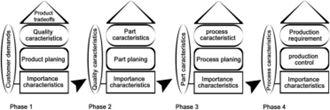
The current study used QFD for three primary purposes. The first step was translating the cooking stove requirements into technical specifications during the design phase. The following elements included finding methods to reduce cooking stove problems and determining the key characteristics that increase customer satisfaction with the final product. The statistics were derived from several sources, such as focus groups, questionnaire surveys, experimental evaluations of computerized items, and published materials. Figure 1 shows that QFD generally uses four matrices [37]. The initial stage of Quality Function Deployment (QFD) involves the creation of a product planning matrix, normally denoted to as the House of Quality (HOQ). However, the central aspect of the QFD process is the House of Quality (HOQ), which facilitates cross-functional product planning plotting. This mapping links engineering features to buyer desires, which are then evaluated based on their level of relevance [38]. It looks very similar to an actual dwelling. The current study only examined the first matrix, the HOQ. The information-gathering process began with a visit to the Gemba, where customers interact with the service. The goal was to perceive, attend, and document the issues buyers face and the prospect they want to exploit. Gemba is a Japanese term used to refer to evidence obtained from authentic sources [39, 40].
Figure 1. The four steps of QFD [41]
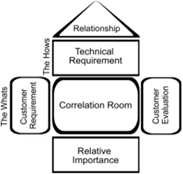
The user views and requirements were collected through a questionnaire that included open-ended questions. Next, classification was performed using the VOC approach to meet the newly identified demands based on the environmental requirements analysis. Component analysis was used to obtain and summarize the most significant requirements to reduce the number of HOQ variables. The next phase involved converting the community requirements to a House of Quality (HOQ) matrix. The standard House of Quality (HOQ) structure, consisting of seven essential components, is illustrated in Figure 2. The process of constructing the HOQ matrix is outlined in Figure 2. This form of the House of Quality (HOQ) focuses on the correlation matrix between client needs and technical factors. When implementing QFD, it is essential to identify the "What" and "How" based on the specific nature of the problem.
Figure 2. The structure of a standard HOQ matrix [42]
Furthermore, each "What" usually requires a different "How." The main question is to determine the anticipated requirements of the community for the cooking stove. Interviews, surveys, group organizations, Gemba visits, and content analysis were commonly used to ascertain consumer requirements [41]. A brainstorming session was conducted with design team members to define the technical requirements for the House of Quality (HOQ). This session focused on improving the layout and feature design, considering the movement of target values. By analyzing the correlation between buyer prerequisite (What) and technical necessity (How), it is promising to assess the strength of the connexon and its impression on the needs (Figure 2).
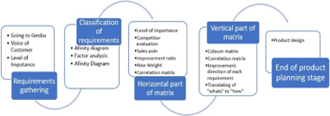
One of the main objectives of Quality Function Deployment (QFD) is to identify and analyze all potential consumer needs systematically. In this study, researchers collect community requests or problems by visiting the Gemba directly. Gemba includes tasks such as visiting the actual area where a product is used, identifying product users, and developing techniques to collect Voice of the Customer (VOC), especially those related to the product or service use. The concept of context can be summarized by the 5W1H framework, which includes the following aspects: user identity, purpose of use, time of use, location of application, reasons for use, and how it is utilized. Data were composed clearly from the community deprived of any intermediary. Interviewees were given a questionnaire to complete with their contact details. The community was also asked to describe the cooking stove and express their level of satisfaction with the existing cooking stove. They were also asked to identify potential improvements that could be made to the existing stove. Based on the data collected from personal interviews and questionnaires, needs were identified in step 1 of Figure 3. After that, initial needs were refined through VOC classification and quantification, as in step 2 of Figure 3.
Figure 3. The current study employs the HOQ approach
The next phase involves establishing harmonious relationships between the data obtained. Data at this level must be delivered in a format that meets the desired quality standards. Typically, customers have many requirements. However, using affinity diagramming, the team summarizes these various requirements into a few of the most critical demands. Affinity diagrams systematically consolidate and achieve insight into qualitative data sets, such as VOC needs. The study also uses attraction diagramming techniques to identify community requirements that they do not explicitly state. The process of developing an affinity diagram typically involves four steps: 1) documenting each customer statement on an individual card, 2) categorizing the cards into groups, 3) selecting or generating title cards that summarize the data in each group, and 4) organizing the title cards into broader categories. Moving the needs to the "What" section of the HOQ matrix is challenging and time-consuming. Thus, the authors reduce the number of these needs by using component analysis (step 2 in Figure 4). Table 1 illustrates the allocation of community needs. The QFD team, working with producers and community individuals, reduces the number of criteria in the HOQ matrix. These factors are categorized into two groups: one for cooking stoves and one for BSF maggot fuel oil.
Table 1. Attributes of needs and expectations
|
No. |
Attributes of Needs and Expectations |
Satisfaction Level |
Level of Interest |
||
|
P1 |
The size of the cooking stove can be made according to customer orders |
1761 |
4.5 |
1786 |
4.5 |
|
P2 |
The cooking stove is capable of producing good combustion |
1774 |
4.5 |
1796 |
4.6 |
|
P3 |
Cooking stoves can use different fuels |
1527 |
3.9 |
1579 |
4.0 |
|
P4 |
The cooking stove is made of durable (long-lasting) materials |
1799 |
4.6 |
1800 |
4.6 |
|
P5 |
Cooking stove spare parts are easy to obtain |
1719 |
4.4 |
1740 |
4.4 |
|
P6 |
Cooking stoves can be repaired easily by self |
1747 |
4.4 |
1771 |
4.5 |
|
P7 |
The cooking stove can be cleaned easily |
1825 |
4.6 |
1832 |
4.7 |
|
P8 |
The cooking stove is a lightweight |
1559 |
4.0 |
1599 |
4.1 |
|
P9 |
The cooking stove can be moved easily |
1661 |
4.2 |
1661 |
4.2 |
|
P10 |
The cooking stove is safe to use |
1830 |
4.7 |
1841 |
4.7 |
|
P11 |
Attractive cooking stove design |
1540 |
3.9 |
1569 |
4.0 |
|
P12 |
The cooking stove has an affordable price (cheap) |
1743 |
4.4 |
1750 |
4.5 |
|
P13 |
Cooking stoves do not produce a significant environmental impact |
1396 |
3.6 |
1466 |
3.7 |
|
P14 |
Ease of operating the cooking stove |
1795 |
4.6 |
1775 |
4.5 |
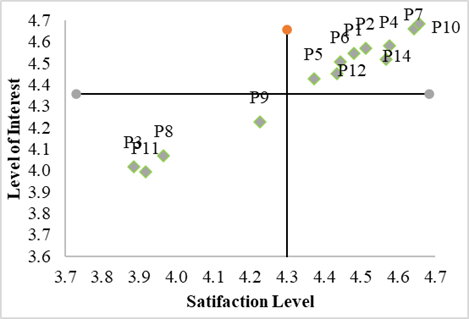
Figure 4. Quadrant of satisfaction and interest in cooking stove development
'-Quadrant I = Attributes that have a high priority scale to be improved
'-Quadrant 2 = Attributes that must be maintained because they have equally high levels of importance and satisfaction
'-Quadrant 3 = Attributes that have low levels of satisfaction and importance
'-Quadrant 4 = Attributes that are considered unimportant but have high levels of satisfaction
The significance of each demand varies depending on the community's or the manufacturer's viewpoint. In order to assess the relative significance of each need, the authors employ a ranking system that utilizes a scale of 1 to 5, offering five possible options. Number 1 is assigned to criteria with a low level of effectiveness in pleasing community, while number 5 is assigned to needs considered the most important from their perspective (step 3 in Figure 3). The acquired data is transmitted to the House of Quality (HOQ) matrix. The final level of Figure 3 considers the number of complaints and evaluations from competitors. This matrix illustrates the evaluation of the product's capacity to meet customer satisfaction concerning the capabilities of other rival companies. The additional information is condensed into HOQ weights, derived numbers that quantify customer importance, row weights, and enhancement ratios. This data will enable us to discern the most critical client demands to enhance and allocate resources toward.
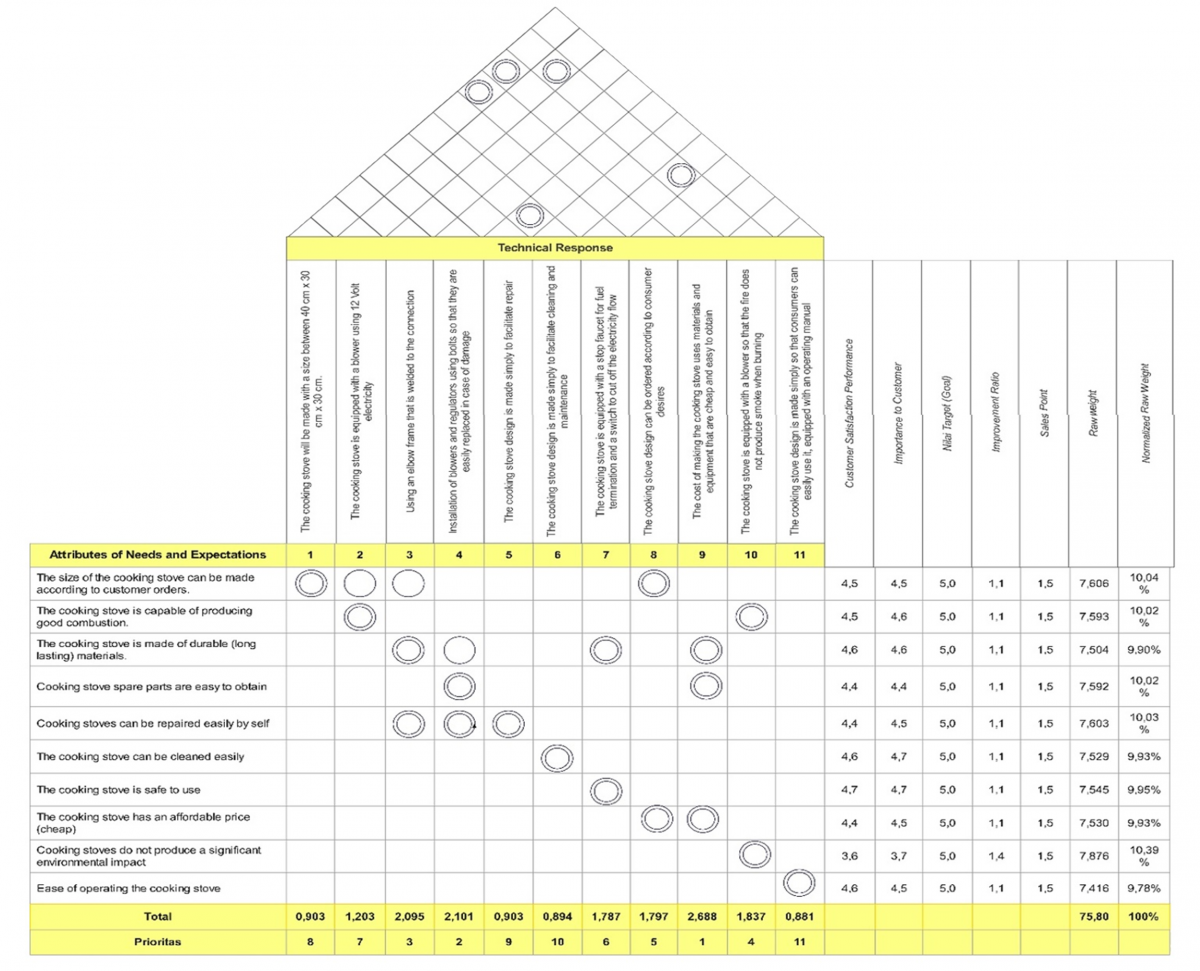
During step 4, the authors convert the society's requests, discussed to as "What" in this matrix, into technical requirements known as "How." In this instance, the authors request that manufacturers assess these specifications. The following scale indicates the level of positive association between community requests and technical requirements: high (9), moderate (3), weak (1), and empty box (0). Next, matrices such as the target matrix, improvement ratio matrix (which compares the target to the present performance measures for a particular demand), selling point matrix (which identifies the requirements at which the company may effectively sell the product), and row weights matrix are filled up. The HOQ initially prioritizes technical requirements and assigns operational target values to these procedures (Figure 5). This study primarily examined the initial framework to pinpoint the critical aspects of the product that require enhancement. In order to construct the remaining matrices, the inputs derived from the "How" fragment of the preceding matrix are assigned to the "What" portion of the subsequent matrix. This process is repeated until all the other matrices are completed.
Table 1 provides information related to community needs and expectations about cooking stoves. Furthermore, 14 questions were asked of the community on this attribute. The results of filling out the questionnaire show that the highest level of community satisfaction is the cooking stove is safe to use with a score of 1830 (4.7), followed by the cooking stove can be cleaned quickly and Ease of operating the cooking stove around 1825 (4.6) and 1795 (4.6) respectively. On the other hand, the lowest level of satisfaction is that cooking stoves do not produce a significant environmental impact around 1396 (3.6). In addition, the highest level of interest desired by the community is that the cooking stove is safe to use around 1841 (4.7), and the cooking stove can be cleaned easily around 1832 (4.7). The lowest level of interest is that cooking stoves do not produce a significant environmental impact around 1466 (3.7).
Figure 4 shows that the attributes of the community's needs and desires that are prioritized for attributes that need to be maintained and continuously improved are in quadrant two, as many as six attributes, namely attributes number P1, P2, P4, P5, P6, P7, P10, P12, and P14. Then, there are four attributes in quadrant three: P3, P8, P9, and 11. These attributes are considered low priority or less important for respondents in developing this biopond product. Based on this analysis, the attributes of needs and desires that will be used in developing this cooking stove fall into the priority category, so the total attributes included in the needs matrix are nine attributes. Attributes P1, P2, P4, P5, P6, P7, P10, P12, P13 and P14. Data on the attributes of needs and desires for the development of cooking stoves can be seen in Table 2.
Figure 5. House of Quality matrix cooking stove
Table 2. Attributes that are prioritized for improvement
|
Attributes that are Prioritized for Improvement |
|
|
No. |
Attributes of Needs and Expectations |
|
P1 |
The size of the cooking stove can be made according to customer orders. |
|
P2 |
The cooking stove is capable of producing good combustion. |
|
P4 |
The cooking stove is made of durable (long-lasting) materials. |
|
P5 |
Cooking stove spare parts are easy to obtain. |
|
P6 |
Cooking stoves can be repaired easily by themselves. |
|
P7 |
The cooking stove can be cleaned easily. |
|
P10 |
The cooking stove is safe to use. |
|
P12 |
The cooking stove has an affordable price (cheap). |
|
P13 |
Cooking stoves do not produce a significant environmental impact. |
|
P14 |
Ease of operating the cooking stove. |
Table 3. Preparation of needs matrix
|
No. |
Attributes of Needs and Expectations |
CSP1 |
ITC2 |
Goal |
IR3 |
SP4 |
RW5 |
NRW6 |
|
P1 |
The size of the cooking stove can be made according to customer orders. |
4.5 |
4.5 |
5.0 |
1.1 |
1.5 |
7.606 |
10.04% |
|
P2 |
The cooking stove is capable of producing good combustion. |
4.5 |
4.6 |
5.0 |
1.1 |
1.5 |
7.593 |
10.02% |
|
P4 |
The cooking stove is made of durable (long-lasting) materials. |
4.6 |
4.6 |
5.0 |
1.1 |
1.5 |
7.504 |
9.90% |
|
P5 |
Cooking stove spare parts are easy to obtain. |
4.4 |
4.4 |
5.0 |
1.,1 |
1.5 |
7.592 |
10.02% |
|
P6 |
Cooking stoves can be repaired easily by self. |
4.4 |
4.5 |
5.0 |
1.1 |
1.5 |
7.603 |
10.03% |
|
P7 |
The cooking stove can be cleaned easily. |
4.6 |
4.7 |
5.0 |
1.1 |
1.,5 |
7.529 |
9.93% |
|
P10 |
The cooking stove is safe to use. |
4.7 |
4.7 |
5.0 |
1.1 |
1.5 |
7.545 |
9.95% |
|
P12 |
The cooking stove has an affordable price (cheap). |
4.4 |
4.5 |
5.0 |
1.1 |
1.5 |
7.530 |
9.93% |
|
P13 |
Cooking stoves do not produce a significant environmental impact. |
3.6 |
3.7 |
5.0 |
1.4 |
1.5 |
7.876 |
10.39% |
|
P14 |
Ease of operating the cooking stove. |
4.6 |
4.5 |
5.0 |
1.1 |
1.5 |
7.416 |
9.78% |
1Customer Satisfaction Performance; 2Importance to Customer; 3Improvement Ratio; 4Sales Point; 5Raw Weight; 6 Normalized Raw Weight
Table 4. List of technical requirements (what) derived from customer needs and how (how) to fulfill them
|
No. |
Customer Needs and Expectations Attributes (What) |
How |
|
P1 |
The size of the cooking stove can be made according to customer orders |
The cooking stove will be made with a size between 40 cm × 30 cm × 30 cm. The cooking stove is equipped with a blower using 12-volt electricity. Using an elbow frame that is welded to the connection. The cooking stove design can be ordered according to consumer desires. |
|
P2 |
The cooking stove is capable of producing good combustion |
The cooking stove is equipped with a blower using 12 vole electricity. The cooking stove is equipped with a blower so that the fire does not produce smoke when burning. |
|
P4 |
The cooking stove is made of durable (long-lasting) materials |
Using an elbow frame that is welded to the connection. Installation of blowers and regulators using bolts so that they are easily replaced in case of damage. The cooking stove is equipped with a stop faucet for fuel termination and a switch to cut off the electricity flow. The cost of making the cooking stoves uses materials and equipment that are cheap and easy to obtain. |
|
P5 |
Cooking stove spare parts are easy to obtain |
Installation of blowers and regulators using bolts so that they are easily replaced in case of damage. The cost of making stove uses materials and equipment that are cheap and easy to obtain. |
|
P6 |
Cooking stoves can be repaired easily by self |
Using an elbow frame that is welded to the connection. Installation of blowers and regulators using bolts so that they are easily replaced in case of damage. The cooking stove design is made to facilitate cleaning and maintenance. |
|
P7 |
The cooking stove can be cleaned easily |
The cooking stove design is made to facilitate cleaning and maintenance. |
|
P10 |
The cooking stove is safe to use |
The cooking stove has a stop faucet for fuel termination and a switch to reduce electricity flow. |
|
P12 |
The cooking stove is an affordable price (cheap) |
The cooking stove design can be ordered according to consumers' desires. The cost of making stove uses materials and equipment that are cheap and easy to obtain. |
|
P13 |
Cooking stoves do not produce a significant environmental impact |
The cooking stove is equipped with a blower so that the fire does not produce smoke when burning. |
|
P14 |
Ease of operating the cooking stove |
The cooking stove design is simple, so consumers can easily use it; it is equipped with an operating manual. |
Table 2 provides information related to the attributes of the cooking stove product that will be improved. Furthermore, 14 points of concern will be improved in the stove product such as The size of the cooking stove can be made according to customer orders (P1), the cooking stove is capable of producing good combustion (P2), The cooking stove is made of durable (long-lasting) materials (P4), Cooking stove spare parts are easy to obtain (P5), Cooking stoves can be repaired easily by yourself (P6), The cooking stove can be cleaned easily (P7), The cooking stove is safe to use (P10), The cooking stove has an affordable price (cheap) (P12), Cooking stoves do not produce a significant environmental impact (P13) and Ease of operating the cooking stove (P14). Furthermore, Table 2 is then transformed into the preparation of the needs matrix shown in Table 3.
Table 3 provides information related to the preparation of the needs matrix in the design of the cooking stove. Furthermore, Table 3 also provides information that 14 points will be of concern in preparing for community needs. From the Customer Satisfaction Performance (CSP) perspective, the highest value is 4.7 at point P10 and the lowest at point P13, around 3.6. In addition, the highest importance to the Customer (ITC) is P7 and P10, with a value of 4.7 each, and the lowest is P13, around 3.6. In the Raw Weight assessor, the highest value is obtained at P13 with a value of 7,876, while in the Normalized Raw Weight, P13 is obtained with the highest value of around 10.39%.
Table 4 provides information related to the list of technical requirements (what) derived from customer needs and how to fulfill them. Furthermore, this list is translated into the House of Quality, shown in Figure 5.
Figure 5 provides information about the house quality matrix of the cooking stove. Furthermore, the figure shows that each customer's need (what) will be translated into how to realize the need. Each need will have a different value in each matrix.
Modern QFD (matrix-free) addresses immediate client requirements that classic QFD methods may not adequately address. The QFD matrix (HOQ) was utilized in this study to pinpoint the requirements and issues related to cooking stoves in Ngada Regency, East Nusa Tenggara, Indonesia. Implementing the QFD technique can reduce the product design cycle, product development risk, and total expenses. Additionally, it can increase product quality and enhance the organization's competitiveness [43]. Quality Function Deployment (QFD) is an invaluable and versatile instrument for design. QFD has offered tools, techniques, and frameworks to effectively execute these tasks, particularly during crucial stages that significantly impact satisfaction.
The structure of components and procedures in the QFD progression can be altered based on the strategy chosen by the design team. The correlation matrix is a fundamental component of the Quality Function Deployment (QFD) process and contains essential information for scheme enhancement. This study is among the initial publications that employ the Quality Function Deployment (QFD) methodology in Indonesia to investigate cooking stoves. Prior research has shown that the people in Ngada Regency, East Nusa Tenggara, Indonesia, were not satisfied with the design of cooking stoves. Utilizing Quality Function Deployment (QFD), we acquired significant and precise insights into the requirements and desires of the community. While many community requests may initially appear superfluous, this study demonstrates the significance of requests about the safety of cooking stoves from a community standpoint.
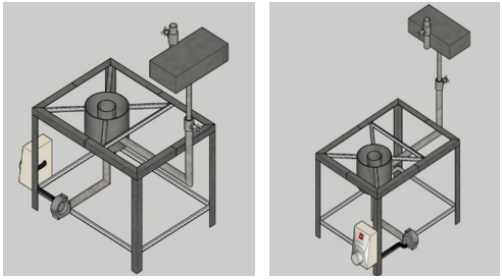
Based on the design, a prototype product of the cooking stove is made (Figure 6). Here are the specifications of the stove that was made:
Table 5. Specifications of BSF maggot oil cooking stove
|
No. |
Description |
Material |
|
1 |
Frame |
Steel |
|
2 |
Skeleton strengthening |
Steel |
|
3 |
Air pipe |
Steel pipe |
|
4 |
Fuel pipe |
Steel pipe |
|
5 |
Fuel tank |
Steel plate |
|
6 |
Stove body |
Steel pipe |
|
7 |
Blower |
Set blower DC 12 Volt |
Figure 6. Cooking stove using maggot oils design
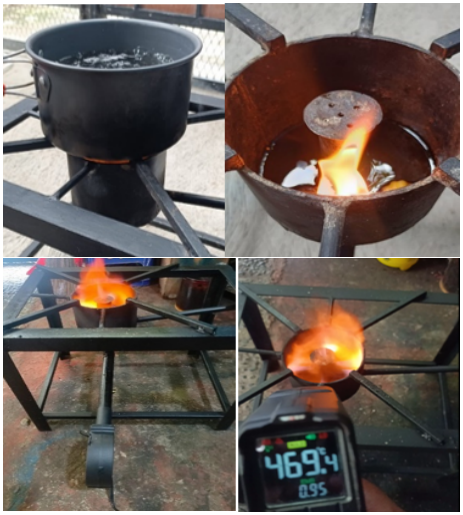
Figure 7. Trial of prototype cooking stove using maggot BSF oil fuel
Table 6. Testing result of the water cooking stove using biodiesel oil from maggots BSF
|
No. |
Description |
Testing Result |
|
1 |
Initial water temperature |
27.9℃ |
|
2 |
Boiling water temperature |
98.2℃ |
|
3 |
Initial fuel |
25 ml |
|
4 |
Leftover fuel |
5 ml |
|
5 |
Initial furnace body temperature |
29.0℃ |
|
6 |
Maximum body temperature |
473.5℃ |
|
7 |
Maximum flame temperature |
474℃ |
|
8 |
Water boiling time |
5.15 minute |
Table 5 provides information related to the specifications of the cooking stove using BSF Maggot oil. Furthermore, based on the table, it can be seen that there are seven main elements in the design of the cooking stove, such as frame, skeleton strengthening air pipe, fuel pipe, fuel tank, stove body, and blower.
Figure 7 provides information about the cooking stove test using BSF maggot oil fuel. Furthermore, in this test, the stove was used for cooking 1 litre of water, and the fuel oil used was 25ml. In addition, in the cooking stove test, information was obtained on the stove's ability to produce flames, as shown in Table 6.
Table 6 provides information on the cooking stove capability obtained from the design using the QFD method. Furthermore, the test results show that the cooking stove has a maximum capacity of producing a temperature of around 474℃ and a body temperature of around 473.5℃. The time required to boil 1 liter of water is around 5.15 minutes, where the initial water temperature is around 27.9℃, and the boiling water temperature is 98.2℃.
The study conducted by Zamzami and Buchori [32] designed a stove design using cooking oil that takes ninety minutes and has a fuel consumption of around 0.25 liters. In addition, the authors also underlined that the cooking time is longer than the LPG stove, and the storage tank's capacity is small, resulting in low oxygen levels and poor combustion. Furthermore, WCO mixture samples were used to start the previous experiments [31]. The results showed that the burners could operate continuously up to 50% WCO mixing. For more than 50% mixing, both burners showed incomplete vaporization, resulting in unstable flames and, eventually, burner failure.
Designed for Ethiopia's Project Gaia, this liquid ethanol cook stove has received the greatest documentation [44]. Bengt Ebbenson created this stove in 1979. Its flame characteristics are similar to those of an LPG stove. Its 1.8 kW maximum output is only sufficient for modest heating needs. However, this ethanol stove took longer to boil water and emitted more CO emissions than an LPG stove. A burner with a 35 kW capacity was created by Choi et al. [45] as a pilot scale for the burning of mixes of crude oil (BCO) and ethanol (EtOH). In addition, to prevent the nozzle from clogging, a bigger fuel aperture on an air-atomizing spray nozzle was used.
The primary goal of a stove's design is to limit heat loss and keep heat within the cooking appliance to utilize less fuel while cooking [33]. Moreover, the physical and thermal characteristics of granite are combined with the concept of heat loss in this stove design to create a thermal efficiency unit. In addition, the stove is expected to cost US\$36, which is more affordable than the majority of higher-quality charcoal burners available on the global market (US\$ 3–50). According to the study, granite boulders with the new stove design and insulation have strong heat storage qualities and can save fuel usage up to 78% compared to open stoves.
Thorough research was done on forced draft and natural gasifier stove design, considering the energy load required for cooking and solid waste disposal. The stove's performance was assessed using the controlled cooking test (CCT) and the standard water boiling test (WBT). According to the WBT, the gasifier stove's thermal efficiency for the forced draft was 25%, and for the natural draft, 22.7%. Furthermore, compared to the conventional open-fire three-stone stove, the CCT showed that the gasifier stove performed 84% and 72% better for the forced draft and natural draft, respectively. For forced draft and natural draft gasifier stoves, the burning times with 0.8 kg of fuel were 40 and 65 minutes, respectively [30].
The BSF maggot oil-fueled cooking stove design has advantages. However, the biodiesel fuel from Maggot BSF is around 20 ml. The design of this furnace still has weaknesses; among others, the color of the flame is still red, and there is no design on the nozzle diameter.
Quality Function Deployment (QFD) technique is a systematic strategy for converting client obligations into precise technical specifications for product or service development. However, this study found several drawbacks to applying the QFD method, including creating and analyzing the House of Quality (HoQ) matrix, which is often complex and time-consuming, especially for large projects with multiple customer requirements and technical parameters. It requires a deep understanding of customer needs and technical specifications, contributing to the process's protracted nature [46]. The allocation of weights to customer requirements and the interrelationships among technical factors is inherently subjective and can vary by team perspective [47]. Inaccurate or biased weightings can result in unsatisfactory prioritization of features or requirements [48-50]. Moreover, the QFD method primarily emphasizes open-ended customer requirements, and it may be difficult to identify latent needs that the customer may not express openly or even acknowledge. In addition, this study has not calculated the technoeconomics of fuel use and production costs if it will be mass-produced. Therefore, future research is still wide open to improve technical and economic furnace performance.
The potential for success and sustainability of the BSF oil-based cooking stove application in Ngada Regency; several aspects determine NTT, for example, the groups involvement in collaboration with other stakeholders such as local governments and non-profit organizations to build trust and adjust communication. The involvement of local communities in the design and distribution process nurtures a awareness of ownership and assurance that the product is following community needs. In addition, appropriate marketing techniques and effective communication are needed in the local community. Furthermore, partnerships are needed with government agencies or NGOs to provide subsidies that reduce initial costs so low-income families can reach the stove. This partnership can be built through collaboration with microfinance institutions to provide simple loans or installment payment options, allowing customers to spread costs over time. In addition, partnerships can also be carried out through carbon financing by measuring and selling carbon emission reductions achieved through cleaner stoves, thereby helping to offset costs. Collaborative partnerships and stakeholder involvement can also influence the success of cooking stoves. Collaborate with local governments to include stoves in public health or environmental programs. Stoves can be advocated in renewable energy or public health initiatives—partner with organizations involved in rural development to leverage their networks and experiences. In addition, local government regulatory and policy support can be provided by providing tax incentives, subsidies, or technical support to companies producing clean cookstoves to lower costs and increase accessibility. Local governments can also implement quality standards and certification to ensure that cookstoves meet efficiency and safety criteria, thereby increasing user confidence. Local governments can also conduct monitoring and impact evaluation by monitoring adoption rates, health outcomes, and environmental benefits through regular surveys or digital monitoring tools. Leverage user feedback to refine cook-stove design and distribution methodologies. Recognize and enable early adopters to act as ambassadors, disseminating community experiences and advocating for adoption across communities.
The QFD technique systematically maps and incorporates client needs throughout product development. QFD formalizes identifying and prioritizing client needs VOC and methodically converts them into technical specifications. It reconciles client expectations with technical design, guaranteeing that product development corresponds with user requirements and preferences. Applying the QFD method in this article enables the systematic reduction of customer requirements, considering prior analyses and the interrelations identified in the dynamic analysis—an additional impression integrated into our methodology that facilitates an in-depth examination of each customer expectation. The QFD idea is essential in our research as it enables us to thoroughly understand genuine client needs and procedures, facilitating the selection of appropriate requirements responses for the quality house analysis.
This paper's investigation reveals the specifics of the design and manufacturing of the BSF oil-fired cooking stove. Particularly the specifics of the technological elements and manufacturing prerequisites. This factor will enable us to enhance the strategic planning of the materials, stages, and procedures necessary to construct the cooking stove. This study is intended for two reader categories: QFD practitioners and cooking stove designers. QFD practitioners might learn to use unconventional methods in the complex task of identifying uniformity in client expectations. The implementation of the quality function is perpetual inside the product planning matrix. It extends beyond the creation of four matrices that facilitate the design of goods that meet and exceed client expectations and consider the constraints of the manufacturing process. The configuration of the four QFD matrices facilitates the establishment of critical product and process requirements, influencing the final product's cost. The hob designer may acquire the following knowledge. The hob demonstrates efficient combustion (P2), is constructed from durable materials (P4), facilitates easy cleaning (P7), and ensures user safety (P10). The execution of the quality function encompasses the manufacturing process, which considers customer prospects and methodical arrangements for the creation, scheme, and resources used in cooking stove. This design tool caters to consumer preferences and the actual manufacturing process constraints. This system lacks standardization and is subject to modification and evolution. The comparative analysis features of the QFD technique facilitate quality control and evaluation of occupant satisfaction. This technique, advised during the design phase, may also serve as a decision support system for further hob development.
This research was funded by the Ministry of Education, Culture, and Technological Research through a research grant with Main Contract Number 105/E5/PG.02.00/PL/2024, Derivative Agreement/Contract Number 817/LL3/AL.04/2024, and 0037/LPPM/UP/VI/2024.
|
QFD |
Quality Function Deployment |
|
HOQ |
House of Quality |
|
CSP |
Customer Satisfaction Performance |
|
ITC |
Importance to Customer |
|
LPG |
Liquefied Petroleum Gas |
|
ARI |
Acute Respiratory Infections |
|
COPD |
Chronic Obstructive Pulmonary Disease |
|
BSF |
Black Soldier Flies |
|
VOC |
Voice of the Customer |
|
IR |
Improvement Ratio |
|
SP |
Sales Point |
|
RW |
Raw Weight |
|
NRW |
Normalized Raw Weight |
[1] Palanisamy, M., Kaushik, L.K., Mahalingam, A.K., Deb, S., Maurya, P., Shaik, S.R., Mujeebu, M.A. (2023). Evolutions in gaseous and liquid fuel cook-stove technologies. Energies, 16(2): 763. https://doi.org/10.3390/en16020763
[2] Ogundahunsi, O.E., Olaoye, I.O., Fabunmi, P.A. (2024). Determination of thermal efficiency and fuel consumption rate of a pressure cooker fueled with blends of waste vegetable oil and kerosene. Turkish Journal of Agriculture-Food Science and Technology, 12(6): 1033-1038. https://doi.org/10.24925/turjaf.v12i6.1033-1038.6319
[3] Ogundahunsi, O.E., Ogunsina, B.S., Aransiola, E.F. (2022). Kariya biodiesel process optimization using kariya pod-husks bio-catalyzed. Journal of Energy Research and Reviews, 11(4): 33-47. https://doi.org/10.9734/JENRR/2022/v11i430285
[4] Desalu, O.O., Ojo, O.O., Ariyibi, E.K., Kolawole, T.F., Ogunleye, A.I. (2012). A community survey of the pattern and determinants of household sources of energy for cooking in rural and urban south western, Nigeria. Pan African Medical Journal, 12: 2.
[5] World Health Organization. (2016). Burning opportunity: Clean household energy for health, sustainable development, and wellbeing of women and children. https://www.who.int/publications/i/item/9789241565233.
[6] World Health Organization. (2023). Household air pollution and health. https://www.who.int/news-room/fact-sheets/detail/household-air-pollution-and-health.
[7] Ali, A., Mottaleb, K.A., Aryal, J.P. (2019). Wealth, education and cooking-fuel choices among rural households in Pakistan. Energy Strategy Reviews, 24: 236-243. https://doi.org/10.1016/j.esr.2019.03.005
[8] Menghwani, V., Zerriffi, H., Dwivedi, P., Marshall, J.D., Grieshop, A., Bailis, R. (2019). Determinants of cookstoves and fuel choice among rural households in India. EcoHealth, 16: 21-60. https://doi.org/10.1007/s10393-018-1389-3
[9] Yasmin, N., Grundmann, P. (2020). Home-cooked energy transitions: Women empowerment and biogas-based cooking technology in Pakistan. Energy Policy, 137: 111074. https://doi.org/10.1016/j.enpol.2019.111074
[10] van Minnen, J.G., van Ierland, E.C., Nabuurs, G.J. (2003). Terrestrial carbon sinks and biomass in international climate policies. In Issues in International Climate Policy; Theory and Policy, pp. 137-168.
[11] Goldemberg, J., Coelho, S.T. (2004). Renewable energy—Traditional biomass vs. modern biomass. Energy Policy, 32(6): 711-714. https://doi.org/10.1016/S0301-4215(02)00340-3
[12] Suresh, R., Singh, V.K., Malik, J.K., Datta, A., Pal, R.C. (2016). Evaluation of the performance of improved biomass cooking stoves with different solid biomass fuel types. Biomass and Bioenergy, 95: 27-34. https://doi.org/10.1016/j.biombioe.2016.08.002
[13] Li, Q., Zheng, L., Cai, H., Garza, E., Yu, Z., Zhou, S. (2011). From organic waste to biodiesel: Black soldier fly, Hermetia illucens, makes it feasible. Fuel, 90(4): 1545-1548. https://doi.org/10.1016/j.fuel.2010.11.016
[14] Wong, C.Y., Lim, J.W., Chong, F.K., Lam, M.K., et al. (2020). Valorization of exo-microbial fermented coconut endosperm waste by black soldier fly larvae for simultaneous biodiesel and protein productions. Environmental Research, 185: 109458. https://doi.org/10.1016/j.envres.2020.109458
[15] Liew, C.S., Mong, G.R., Abdelfattah, E.A., Raksasat, R., et al. (2022). Correlating black soldier fly larvae growths with soluble nutrients derived from thermally pre-treated waste activated sludge. Environmental Research, 210: 112923. https://doi.org/10.1016/j.envres.2022.112923
[16] Wang, H., Rehman, K.U., Liu, X., Yang, Q., et al. (2017). Insect biorefinery: A green approach for conversion of crop residues into biodiesel and protein. Biotechnology for Biofuels, 10: 1-13. https://doi.org/10.1186/s13068-017-0986-7
[17] Wong, C.Y., Mohd Aris, M.N., Daud, H., Lam, M.K., et al. (2020). In-situ yeast fermentation to enhance bioconversion of coconut endosperm waste into larval biomass of Hermetia illucens: Statistical augmentation of larval lipid content. Sustainability, 12(4): 1558. https://doi.org/10.3390/su12041558
[18] Anenberg, S.C., Balakrishnan, K., Jetter, J., Masera, O., Mehta, S., Moss, J., Ramanathan, V. (2013). Cleaner cooking solutions to achieve health, climate, and economic cobenefits. Environmental Science & Technology, 47(9): 3944-3952. https://doi.org/10.1021/es304942e
[19] World Bank. (2020). Tracking SDG7: The energy progress report 2020. https://documents1.worldbank.org/curated/en/344121590675372111/pdf/Tracking-SDG-7-The-Energy-Progress-Report-2020.pdf.
[20] Quinn, A.K., Bruce, N., Puzzolo, E., Dickinson, K., et al. (2018). An analysis of efforts to scale up clean household energy for cooking around the world. Energy for Sustainable Development, 46: 1-10. https://doi.org/10.1016/j.esd.2018.06.011
[21] Farabi-Asl, H., Taghizadeh-Hesary, F., Chapman, A., Mohammadzadeh Bina, S., Itaoka, K. (2019). ADBI working paper series energy challenges for clean cooking in Asia, the background, and possible policy solutions Asian Development Bank Institute. ADBI Working Paper Series.
[22] Ezzati, M., Baumgartner, J.C. (2017). Household energy and health: Where next for research and practice? The Lancet, 389(10065): 130-132. https://doi.org/10.1016/S0140-6736(16)32506-5
[23] Sohn, S.Y., Choi, I.S. (2001). Fuzzy QFD for supply chain management with reliability consideration. Reliability Engineering & System Safety, 72(3): 327-334. https://doi.org/10.1016/S0951-8320(01)00022-9
[24] Al-Dwairi, A., Al-Araidah, O., Hamasha, S.D. (2023). An integrated QFD and TRIZ methodology for innovative product design. Designs, 7(6): 132. https://doi.org/10.3390/designs7060132
[25] Min, D.K., Kim, K.J. (2008). An extended QFD planning model for selecting design requirements with longitudinal effect consideration. Expert Systems with Applications, 35(4): 1546-1554. https://doi.org/10.1016/j.eswa.2007.08.061
[26] Kwong, C.K., Chen, Y., Bai, H., Chan, D.S.K. (2007). A methodology of determining aggregated importance of engineering characteristics in QFD. Computers & Industrial Engineering, 53(4): 667-679. https://doi.org/10.1016/j.cie.2007.06.008
[27] Han, C.H., Kim, J.K., Choi, S.H. (2004). Prioritizing engineering characteristics in Quality Function Deployment with incomplete information: A linear partial ordering approach. International Journal of Production Economics, 91(3): 235-249. https://doi.org/10.1016/j.ijpe.2003.09.001
[28] Lai, X., Xie, M., Tan, K.C., Yang, B. (2008). Ranking of customer requirements in a competitive environment. Computers & Industrial Engineering, 54(2): 202-214. https://doi.org/10.1016/j.cie.2007.06.042
[29] Delice, E.K., Güngör, Z. (2009). A new mixed integer linear programming model for product development using Quality Function Deployment. Computers & Industrial Engineering, 57(3): 906-912. https://doi.org/10.1016/j.cie.2009.03.005
[30] Getahun, E., Tessema, D., Gabbiye, N. (2019). Design and development of household gasifier cooking stoves: Natural versus forced draft. In Advances of Science and Technology: 6th EAI International Conference, Bahir Dar, Ethiopia, pp. 298-314. https://doi.org/10.1007/978-3-030-15357-1_25
[31] Kaushik, L.K., Muthukumar, P. (2019). Performance assessment of a porous radiant cook stove fueled with blend of waste vegetable oil (WVO) and kerosene. Energy Procedia, 158: 2391-2396. https://doi.org/10.1016/j.egypro.2019.01.289
[32] Zamzami, R., Buchori, A.S. (2020). The utilization of waste cooking oil (WCO) in simple stove as an alternative fuel for household scale. Journal of Physics: Conference Series, 1700(1): 012052. https://doi.org/10.1088/1742-6596/1700/1/012052
[33] Bantu, A.A., Nuwagaba, G., Kizza, S., Turinayo, Y.K. (2018). Design of an improved cooking stove using high density heated rocks and heat retaining techniques. Journal of Renewable Energy, 2018(1): 9620103. https://doi.org/10.1155/2018/9620103
[34] Ferriz Bosque, E., Muneta, L.M., Romero Rey, G., Suarez, B., Berrueta, V., Beltrán, A., Masera, O. (2021). Using design thinking to improve cook stoves development in Mexico. Sustainability, 13(7): 3843. https://doi.org/10.3390/su13073843
[35] Yunusa, S.U. (2022). Development of an improved double burner natural draft biomass cookstove. Agricultural Engineering International: CIGR Journal, 24(2): 194-206.
[36] Aljufri, A., Putra, R., Rahman, A., Mardian, R. (2024). Design of a portable solid-fuel rocket stove. Jurnal Teknologi, 16(1): 153-160. https://doi.org/10.24853/jurtek.16.1.153-160
[37] Jaiswal, E.S. (2012). A case study on Quality Function Deployment (QFD). IOSR Journal of Mechanical and Civil Engineering, 3(6): 27-35.
[38] Christopher, H., Wei, C. (2007). Next generation QFD: Decision-based product attribute function deployment. In International Conference on Engineering Design, ICED’07, Paris, France.
[39] Mazur, G. H. (1996). The application of Quality Function Deployment (QFD) to design a course in total quality management (TQM) at the University of Michigan College of Engineering. In Proceedings of International Conference on Quality, Yokohama, pp. 1-7.
[40] Koleini Mamaghani, N., Barzin, E. (2019). Application of Quality Function Deployment (QFD) to improve product design quality in school furniture. Iran University of Science & Technology, 29(2): 277-287. https://doi.org/10.22068/ijaup.29.2.277
[41] Gonzalez, M.E., Quesada, G., Bahill, A.T. (2003). Improving product design using Quality Function Deployment: The school furniture case in developing countries. Quality Engineering, 16(1): 45-56. https://doi.org/10.1081/QEN-120020770
[42] Gento, A.M., Minambres, M.D., Redondo, A., Perez, M.E. (2001). QFD application in a service environment: A new approach in risk management in an university. Operational Research, 1: 115-132. https://doi.org/10.1007/BF02936289
[43] Zhang, J., Wang, Y., Gao, X., Fang, Z. (2010). Application of Quality Function Deployment in conceptual design of warship. In 2010 IEEE International Conference on Management of Innovation & Technology, Singapore, pp. 491-494. https://doi.org/10.1109/ICMIT.2010.5492772
[44] Stokes, H., Ebbeson, B. (2005). Project Gaia: Commercializing a new stove and new fuel in Africa. Boiling Point, 50: 31-33.
[45] Choi, S.K., Choi, Y.S., Jeong, Y.W., Han, S.Y., Van Nguyen, Q. (2020). Characteristics of flame stability and gaseous emission of bio-crude oil from coffee ground in a pilot-scale spray burner. Energies, 13(11): 2882. https://doi.org/10.3390/en13112882
[46] Prasetyo, S.C., Harsanto, B. (2019). Integration of Quality Function Deployment and Kano model in service business. Jurnal Manajemen, 23(3): 411-426. https://doi.org/10.24912/jm.v23i3.572
[47] Arce, M.E., Saavedra, Á., Míguez, J.L., Granada, E. (2015). The use of grey-based methods in multi-criteria decision analysis for the evaluation of sustainable energy systems: A review. Renewable and Sustainable Energy Reviews, 47: 924-932. https://doi.org/10.1016/j.rser.2015.03.010
[48] Rezaei, J., Arab, A., Mehregan, M. (2022). Equalizing bias in eliciting attribute weights in multiattribute decision-making: Experimental research. Journal of Behavioral Decision Making, 35(2): e2262. https://doi.org/10.1002/bdm.2262
[49] Charkra, S., Dey, S., John, A., Kanti, S. (2024). The human factor in AI decision-making: Mitigating bias and error. https://www.researchgate.net/profile/Ada-John/publication/387428677_The_Human_Factor_in_AI_Decision-Making_Mitigating_Bias_and_Error/links/676d7a76c1b0135465f625e5/The-Human-Factor-in-AI-Decision-Making-Mitigating-Bias-and-Error.pdf.
[50] James, W., Hunt, A.R., Clarke, A.D. (2023). Six of one, half dozen of the other: Suboptimal prioritizing for equal and unequal alternatives. Memory & Cognition, 51(2): 486-503. https://doi.org/10.3758/s13421-022-01356-5