Systematic Review and Bibliometric Analysis of the Potential of Hermentia illucens Oil as a Sustainable Bio-Lubricant Raw Material

Dino Rimantho* | Ririn Regiana Dwi Satya | Nur Yulianti Hidayah | Sodikun | Vector Anggit Pratomo | Eko Prasetyo
© 2026 The authors. This article is published by IIETA and is licensed under the CC BY 4.0 license (http://creativecommons.org/licenses/by/4.0/).
OPEN ACCESS
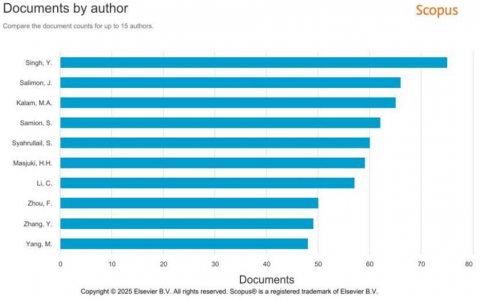
Reviewing the intellectual structure and research trends on lubricating oils, as well as the potential utilization of BSF Maggot oil as a lubricating oil feedstock, is the focus of this study, which aims to fill a gap in the existing body of literature. The purpose of this study is to identify those authors, journals, countries, articles, and topics that have made significant contributions to this research field. In order to evaluate the performance of the literature and the knowledge structure of issues, we utilized a bibliometric approach to examine 3705 articles that were indexed by Scopus between the years 2010 and 2025. According to the results of our investigation, Tribology International is the most influential journal in terms of the number of publications and citations it receives. This is a direct result of the significant role it plays in the dissemination of research on lubricating oils and bio-lubricants. Singh Y. has established himself as a significant and influential author who has made significant contributions to the discussion. India is the country that takes the lead in terms of research output geographically, which highlights the country's strong focus on research related to lubricating oil. Through the use of co-occurrence analysis, we were able to discover a number of terms while conducting research on material changes and feedstock sources for lubricating oil. In addition to contributing to the development of lubricating oils and the utilization of materials that are less harmful to the environment and support sustainable development, this study provides a comprehensive review of the aforementioned issues.
bio-lubricant, lubricant, Maggot BSF, Scopus, sustainable, tribology
In order to create environmentally friendly products, renewable raw resources are crucial. As the trend shifts to more environmentally friendly products, the consumption of oils and fats derived from plants and animals rises. Renewable raw materials are crucial in the development of environmentally sustainable products. The consumption of oils and fats from both plant and animal sources rises as the trend shifts towards more environmentally sustainable products. It provides numerous application options that petrochemical resources seldom fulfil [1]. It provides a wide range of application opportunities that are rarely possible with petrochemical resources. For practically every component of contemporary machinery, lubricants are necessary. As the name suggests, lubricants are chemicals that are applied to surfaces that come into contact with one another in order to promote component movement and lessen wear and friction.
Lubrication is the process or technique that minimizes the wear of one or both adjacent moving surfaces through the application of a substance known as a lubricant between them. A lubricant transmits pressure (or load) across opposing surfaces [1]. A lubricant serves as an anti-friction agent, promotes smooth operation, ensures reliable machine performance, and reduces the likelihood of recurring failures [2]. A lubricant can exist as a liquid, a semi-solid (such as grease), or a solid (containing coatings and particles). The primary objectives of lubrication are: (a) minimizing wear and mitigating heat loss from the contact of moving surfaces; (b) safeguarding surfaces from corrosion by inhibiting oxidation; (c) functioning as an insulator in transformer applications; and (d) serving as a sealant against dust, dirt, and moisture. Although eliminating wear and heat from lubricants is challenging, their effects can be mitigated and controlled to tolerable thresholds [1]. Three primary roles of lubricants: (a) friction control; (b) contact cleaning; and (c) contact cooling [3].
The automotive and machinery sectors are especially focused on improving long-term sustainability, reliability, durability, and energy efficiency [4]. To mitigate the environmental challenges associated with autos and machines, innovative technological solutions may be devised, including the utilization of lightweight materials, low-toxicity lubricants and fuels, and regulated exhaust emissions alongside fuel usage. Internal combustion (IC) engines generate high-pressure gases and elevated-temperature expansion due to combustion, which applies direct force on engine components such as pistons, therefore transforming chemical energy into sound mechanical energy [5]. Adequate lubrication of moving components is essential to provide reliable and safe operation under intended conditions, allowing them to move smoothly without seizing. Energy losses primarily result from wear and friction, particularly in engines and drivetrains, as elucidated by thermodynamic principles. Consequently, initiatives are undertaken to identify appropriate alternatives for mineral oil in industrial applications.
Nevertheless, the environmental repercussions of utilizing these petroleum-derived products raise concerns due to the emission of toxic substances, necessitating the adoption of eco-friendly alternatives. The experiment on the efficacy of a Castor oil-based lubricant in reducing smoke emissions during engine running [6]. The findings indicated that the reference oil exhibited a smoke level of 7.5% on the chassis dynamometer at 40 km/h with wide open throttle, whereas oil samples A, B, and C demonstrated smoke levels of 3%, 2.5%, and 2.8%, respectively. The highest performing oil exhibited an average smoke level of 2.77, which was less than fifty percent of the reference mineral oils. At 40 km/h, this demonstrated a notable reduction in smoke, thereby conforming to the specifications. Moreover, the emission decreases when utilizing vegetable lubricant in their study on the application of vegetable palm oil as a substitute for mineral oil in engines [7]. Comparative analysis of mineral oil and its mixes with palm oil clearly indicates that mineral oil produces higher NOx emissions. Nonetheless, reduced NOx emissions were achieved using a 25% palm oil blend compared to a 50% palm oil blend. The study additionally indicated comparable HC emissions with 100% mineral oil and a 25% palm oil blend, whereas emissions slightly diminished with a 50% palm oil blend. As sustainability has taken center stage in the sector, reducing emissions and conserving energy and resources have emerged as critical environmental issues. As a result, corporate behavior also places a special emphasis on resource scarcity and the obligation to future generations [8].
Lubricants are garnering heightened public attention due to their contribution to sustainability objectives across economic, ecological, and social dimensions. Lubricants facilitate the efficient utilization of resources, hence promoting sustainability [7]. The global emphasis on environmental and sustainability issues has led to the rising popularity of concepts such as circular economy, green chemistry, and sustainability in recent years. International agencies, organizations, and governmental bodies, alongside societal environmental consciousness, have promoted such practices. For instance, Europe has set a long-term objective of cultivating a competitive, resource-efficient, and low-carbon economy by 2050, underscoring the significant role of biomass in forthcoming bioeconomy policies [9]. Conversely, the 2030 Horizon and Sustainable Development Goals (SDGs) set forth by the United Nations (UN) serve as a benchmark for the formulation of specific national or regional directives on sustainability, environmentally friendly practices, and the circular economy, among other areas [10].
In these circumstances, bioproducts can strategically replace petroleum products, promoting economic and sustainable growth in developing regions, as well as in rich countries that have adapted their strategies in response to green policies throughout the medium and long term. The literature extensively examines the deployment of technologies for biofuel generation, including biodiesel and bioethanol, among others.
A substantial fraction of globally utilized lubricants contributes to environmental pollution. Numerous initiatives are undertaken to reduce spillages and evaporation. The significant lubricant losses into the environment prompted the creation of environmentally friendly bio-lubricants [11, 12]. Furthermore, the prospect of oil becoming scarce has prompted companies to seek an economical, renewable lubricant source, given that non-edible applications of plant oils have seen minimal growth over the past few decades. While specific markets have been investigated for plant oil-based goods, several opportunities for expansion in the realm of plant oils remain [13]. Bio-products, owing to their inherent technical properties and capacity for biodegradation, are regarded as alternatives to mineral oils. Bio-lubricants derived from vegetable oil often exhibit elevated flash points, a high viscosity index (VI), superior lubricity, and reduced evaporative losses compared to mineral oils [7, 14]. Due to the length of the fatty acid chains and the polar groups in the structure of bio-oils, these lubricants can be utilized for various lubrication regimes [15]. Oil-containing seeds are readily accessible and can be utilized to produce vegetable oil. Both edible and inedible vegetable oils are classified as vegetable lubricants in the categorization of bio-lubricants. Examples of lubricants include Jatropha [16-19], Karanja [18], Rapeseed [19, 20], Castor [21], Linseed [22], Palm [23], Sunflower [24], Coconut [25], Soybean [26], Olive [27], and Canola [28].
Numerous countries, including the USA, Canada, Brazil, India, Malaysia, and Indonesia, possess significant potential for the production of both edible and non-edible tree-borne oils, which remain underutilized and could serve as a viable source for plant oil-based biolubricants [13]. The expansion of markets for unconventional seed oils, including rapeseed, castor, Jatropha, and Karanja, as well as plant oils such as canola, soybean, sunflower, and palm oils, could enhance farmer earnings and optimize the utilization of agricultural products. Plant oils possess excellent environmental attributes, including inherent biodegradability, low toxicity to humans, derivation from renewable resources, and the absence of volatile organic compounds [29, 30]. Consequently, they are utilized in diverse industrial applications, including emulsifiers, biolubricants, plasticizers, surfactants, plastics, solvents, and resins [31]. Despite possessing numerous advantageous properties, plant oils are not extensively utilized as biolubricant base oils at present. This is primarily due to the unfavorable physical characteristics of most plant oils, such as inadequate oxidation stability, poor low-temperature performance, and insufficient viscosity index, among others [32]. Nevertheless, with advanced technology, expertise, and modification processes, plant oil-based biolubricants have attained exceptional lubricating qualities comparable to conventional lubricants. However, the plant has several constraints, including a long harvest period (several months) and high water content, which significantly reduces its calorific value [33]. Therefore, alternatives are needed to overcome this problem.
Apart from using plants, there is an insect that has the potential to be used as a raw material for bio-lubricant products. The black soldier fly (BSF, Hermetia illucens), depicted in Figure 1, is an insect capable of deriving nutrition from inexpensive substrates, including municipal trash (home, restaurant, food industry, etc.) and manure (chicken, cow, sheep) [33, 34]. The larvae of BSF reproduce rapidly (10–20 days), exhibit elevated protein and fat levels, and have low moisture, thereby possessing a high calorific value [35]. The larvae of this insect are typically administered to agricultural animals without further processing.

Figure 1. Hermentia illucens
Numerous studies have examined the advancements of BSF larvae in several application fields. Mangindaan et al. [33] conducted a bibliometric analysis on the application of BSF larvae in biodiesel production, organic waste management, and alternative feed generation, focusing on the waste-food-energy nexus throughout the past decade (2011–2022). Čičková et al. [36] examined the application of fly larvae, specifically house flies and black soldier flies, in the biodegradation of organic waste and investigated their potential for generating valuable byproducts, including animal feed, biodiesel, and fertilizer. Raksasat et al. [37] conducted a thorough study of the potential of BSF larvae for the valorization of organic waste via entomemediation. Mohan et al. examined current progress and challenges in using BSF larvae as a potential feedstock for biodiesel production [38]. A critical evaluation of the current state of BSF technology identified research gaps and highlighted obstacles in the industrial production and processing of BSF biomass [39]. Moreover, the research trends and potential of BSF larvae in the treatment of organic waste, specifically food waste, in Asian nations. The authors focused on the bioconversion efficiency of BSF larvae, the optimal conditions for waste treatment, and their potential as biofuel and animal feed [40]. Nevertheless, in the production of value-added goods, BSF larvae undergo additional processing to produce biodiesel as a byproduct [41, 42]. Biodiesel derived from BSF larvae is regarded as a concurrent solution to issues such as the energy crisis and garbage management, minimizing the requirement for extensive waste storage and reducing the volume of waste designated for landfills. Conversely, to our knowledge, the utilization of lipids extracted from BSF for biolubricant applications remains predominantly unexamined.
This work introduces a novel method for generating lubricants from BSF oil obtained from food waste. This review involved a comprehensive literature investigation across many scientific databases, including Google Scholar, Elsevier, PubMed, MDPI, Scopus, ResearchGate, and more websites, encompassing English language literature. The search keywords for identifying relevant literature were “Hermetia illucens,” “black soldier fly,” “organic waste,” “extract BSF bioactivity,” among others. We gathered a total of 178 sources of information concerning the applications of BSF across various fields from 2010 to 2025.
A bibliometric technique was utilized in this work for the purpose of conducting a systematic literature review (SLR) [43]. The descriptive quantitative bibliometrics method was utilized by us. Statistical methods, including bibliometrics, were used to examine scientific articles systematically [44]. The goal of this method was to determine the structure and essential pattern of scientific knowledge based on the evolution of these papers [27]. In addition to that, it was most commonly utilized to map the article, the citation, and the trending subjects. In comparison to a narrative and a conventional systematic review, it was more sophisticated because it was able to identify and analyze the article based on influential author, journal, affiliation, country, and topic. As can be seen in Figure 1, this research investigation was carried out in four distinct stages. To begin, we gathered the information of pertinent articles from the Scopus collection. This collection is the most reputable database used by a large number of researchers conducting bibliometric analyses [45].

Figure 2. Procedures for the acquisition of data
On July 22nd, 2025, it was first started. We used a combination of strings while tracking the data ("biolubricant" OR "bio-lubricant" OR "bio-based lubricant" OR "biobased lubricant") ("renewable" OR "vegetable oil" OR "black soldier fly oil" OR "waste oil") ("tribological properties" OR "viscosity" OR "oxidative stability"), generated from previous literature [46-48]. During the literature selection process, we used inclusion and exclusion criteria. Specifically, we included peer-reviewed articles that focused on the intersection of lubricating oils, bio-lubricants, tribological properties, vegetable oils, and BSF Maggot oil. These articles included empirical studies and case studies relevant to lubricating oils. Literature that was not peer-reviewed, articles unrelated to lubricating oils, articles written in languages other than English, and studies lacking sufficient methodological detail were all excluded from our review. We found a total of 1,636,617 articles. Second, we limited the articles to publication years 2010-2025, resulting in 692,013 articles. Third, we limited the articles to the subject area, document type, source title, and English language only. This resulted in 3,705 articles. Finally, these articles were retained for further research. Procedures for the acquisition of data can be seen in Figure 2.
3.1 Result publication trends bio-lubricant based on vegetable oil
The need for bio-lubricant raw materials is increasing due to sustainability issues and limited petroleum resources. Vegetable oil-based bio-lubricants (palm, soybean, and castor oil) have been extensively researched, but face challenges such as competition with food, high production costs, and low oxidative stability. Therefore, attention is shifting to non-conventional sources such as BSF larval oil, which holds significant potential as an environmentally friendly raw material. Data shows a steadily increasing publication trend from 2010 to 2025. This indicates that sustainability, bio-lubricants, and the use of vegetable and insect oils as alternative energy sources are gaining increasing attention. A significant spike occurred after 2018, in line with increasing global awareness of the SDGs and green energy policies in various countries. The publication trend from 2010 to 2025 can be seen in Figure 3.

Figure 3. Documents by year
The results of a bibliometric analysis of 3,705 Scopus-indexed articles (2010–2025) provide a comprehensive overview of the development of research related to bio-lubricants, especially Hermetia illucens larval oil (BSF). Several authors emerged as influential figures [19], being among the most productive and highly cited. This demonstrates their significant role in shaping the direction of bio-lubricant research, especially those based on vegetable oils such as rapeseed, castor, and palm oil. The presence of authors with a high number of publications also strengthens the global research network. The potential of Hermetia illucens oil as a raw material for bio-lubricants has advantages compared to vegetable oils, such as being more resistant to oxidation, not competing with food, and being produced from organic waste (circular economy) [7]. Optimization studies for tribological properties [5] show that BSF oil-based bio-lubricants have a low friction coefficient and good cooling performance, even superior to some vegetable oils [34]. Biodegradability criteria related to the content of medium-chain fatty acids support natural degradation in the environment, in accordance with EU standards for environmentally friendly lubricants. Potential applications can be applied to light industrial lubricants, agricultural machinery, coolants (cutting fluids), and mineral oil additives to improve stability [17].
There remains a significant disparity between the theoretical potential reported and the extent of practical application, despite the rapidly growing body of knowledge on BSF oil [33]. Only about 22–28% of 3,705 papers on BSF specifically benchmark BSF oil against conventional vegetable oils, mostly in nutritional and feed-replacement settings rather than in industrial performance frameworks, according to a quantitative screening. More importantly, although crucial for lubrication and mechanical applications, fewer than 3% of publications address tribological characteristics, including wear, friction, and lubrication behavior. On the other hand, sustainability-related narratives predominate in the literature, accounting for approximately 50–60% of articles. Nevertheless, most of these talks are conceptual, with only a small portion supported by quantitative life-cycle or techno-economic assessments. This thematic imbalance suggests that BSF oil research remains limited mainly to proof-of-concept characterization and sustainability discourse, whereas systematic, application-oriented evaluations—especially those that compare BSF oil with established industrial oils under standardized testing and long-term performance conditions—are notably lacking. As a result, there is little information in the literature on the techno-economic feasibility, operational reliability, and certification readiness of BSF oil, which limits its ability to transition from laboratory-scale promise to industrial use [49].
Based on the authors, several authors have conducted research on bio-lubricants, especially those based on vegetable oils, as can be seen in Figure 4.
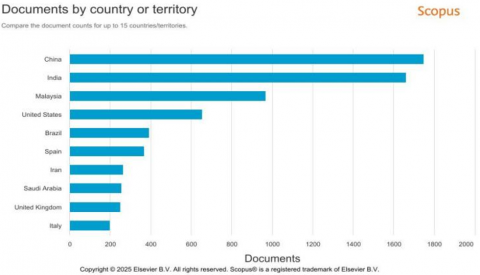
India ranks first in the number of publications, followed by several other Asian countries, Europe, and the United States. This shows that bio-lubricant research is not only limited to developed countries, but is also widely developed in developing countries with abundant plant and organic resources, including Indonesia and Malaysia [33]. This distribution reflects the close relationship between local resource potential and a country's research focus, as seen in Figure 5.
Figure 4. Documents by author
Figure 5. Documents by country
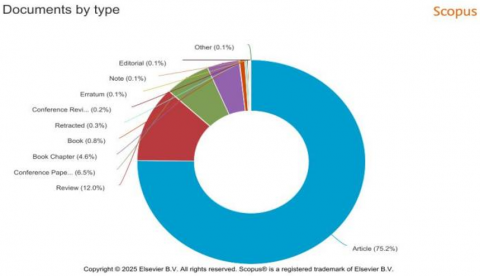
The majority of publications are journal articles, indicating that this topic has received significant attention in the formal scientific literature. There are also contributions from conference proceedings, indicating that this issue remains an active topic of discussion in academic forums. The distribution of articles by type can be seen in Figure 6.
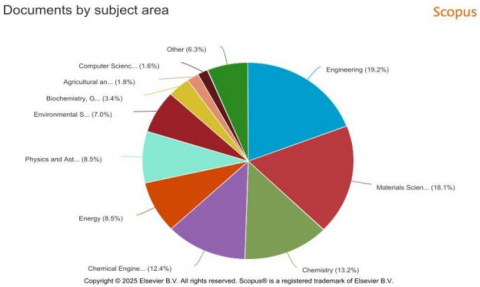
The articles are spread across various scientific fields, particularly mechanical engineering, industrial engineering, renewable energy, and environmental science. This distribution confirms that biolubricants, particularly from BSF, are a multidisciplinary topic that touches on aspects of tribology, material chemistry, sustainability, and waste management. The distribution of topics based on aspects across various scientific fields can be seen in Figure 7.
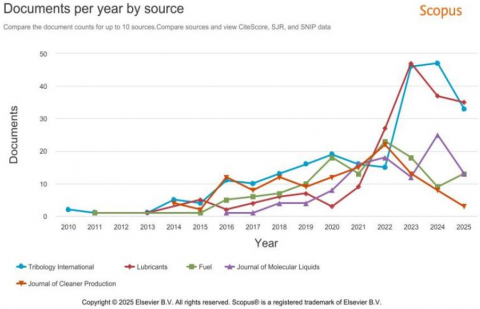
Tribology International emerged as the most influential journal with the highest number of publications and citations. This is understandable, as tribology (the science of friction, wear, and lubrication) is a core field that underpins the development of biolubricants. This journal plays a crucial role in disseminating knowledge and encouraging the adoption of vegetable and insect oils as alternatives to mineral oils. The distribution of the highest number of publications and citations based on biolubricant knowledge by source per year can be seen in Figure 8.
Figure 6. Documents by type
Figure 7. Document by subject area
Figure 8. Documents per year by source
3.2 Network visualization and density analysis
The co-occurrence analysis results reveal several meaningful keyword clusters, including biolubricant, vegetable oil, tribological properties, oxidative stability, and Hermetia illucens. This cluster confirms that the research direction is not only focused on tribological performance, but also on chemical stability, raw material availability, and environmental impact. Network visualization reveals a close interconnection among authors, journals, and topics, indicating global collaboration and the emergence of new research fronts in sustainable lubricants. With an emphasis on oxidative stability and viscosity index, and as an indicator of emerging and declining research fronts, this research-informed summary compares emerging and declining terms in lubricant science [50]. The analysis is based on topical trends documented in lubricant technology studies and in recent bibliometric and review literature. Lubricant research is shifting away from petrochemical-only paradigms and toward renewable and environmentally friendly fluids due to sustainability concerns and regulatory restrictions. Bibliometric analysis of biolubricant research outputs from 2015 to 2024, emphasizing performance and sustainability clusters [51]. Reviews of eco-friendly lubricant technologies, including bio-based fluids, nanotechnology, and artificial intelligence techniques [52]. Based on the network analysis using VosViewer, it can be seen in Figures 9 and 10.

Figure 9. Network visualization

Figure 10. Density analysis
3.3 Discussions
Hermetia illucens oil (HIO) is beginning to receive attention in renewable energy and biolubricant feedstock studies. Existing literature indicates that this oil has unique characteristics compared to conventional vegetable oils and mineral oils.
a. Fatty Acid Content and its Relevance for Bio-lubricants
HIO is dominated by lauric acid and other medium-saturated fatty acids. This composition makes the oil more stable against oxidation than vegetable oils rich in unsaturated fatty acids (e.g., soybean or canola) [34]. Oxidative stability is a key factor in lubricant performance, because rapidly oxidized lubricants can reduce protective function and accelerate corrosion in engines [35]. Thus, the fatty acid profile of HIO supports the lubricant's resistance to thermal and oxidative degradation. Moreover, in lubricant research, oxidative stability and viscosity index are linked but separate performance axes. When chemical degradation determines end-of-life or deposit formation, oxidative stability is prioritized; when thermo-rheological consistency across temperature extremes determines machine protection and efficiency, viscosity index is emphasized. Because of the inherent trade-offs between these characteristics arising from base oil composition and additive chemistry, formulators must strike a balance that meets specified performance criteria [51].
b. Economic and Environmental Potential
HIO is obtained from BSF larvae, which can convert organic waste into fat-rich biomass [37]. This process not only reduces waste but also produces high-value raw materials. This supports the concept of a circular economy, as HIO does not compete with edible oils such as palm or soybean. Oil production from insects also has the potential to have a lower carbon footprint than vegetable or mineral oils, although Life Cycle Assessment (LCA) studies are still limited.
According to Gold et al. [53], the BSF technology offers a promising bioconversion option that can support corporate social responsibility initiatives in managing food waste. Through the utilisation of BSF larvae, this system is able to convert food waste into valuable goods such as insect protein, which may be used for animal feed, insect oil, which has the potential to be used as a biofuel, and frass, which is an organic fertiliser. According to Smetana et al., the approach not only reduces waste-disposal costs but also provides economic value, consistent with the principles of CE [54]. According to the Ellen MacArthur Foundation [55], BSF technology is able to support CE's "3R" principles: Reduce the amount of waste that is sent to landfills, which in turn reduces emissions [56]. b) Reuse: Offers alternatives to animal feed that are more environmentally friendly [57]. c) Recycle involves the production of organic fertiliser, which improves the overall health of the soil [54]. When it comes to incorporating CE into foodservice waste systems, BSF provides a method that is both practical and economically effective, thereby contributing to the advancement of urban sustainability and food security.
The Sustainable Development Goals of the United Nations were adopted in 2015 and consist of seventeen goals that are aimed at achieving global sustainability by the year 2030. The uses of BSF technology align with several SDGs, particularly in three dimensions:
SDG 12: Responsible production and consumption of goods and services. BSF technology provides a unique waste valorisation solution, which is particularly useful given that foodservice operations are responsible for around 26% of the world's food waste [55]. According to Arshad et al., BSF larvae can rapidly decompose substantial amounts of kitchen waste [58]. This process involves the transformation of organic matter into high-value proteins and lipids that are ideal for use in animal feed applications. According to Gold et al. [53], life cycle evaluations are approximately 40% more efficient in resource utilisation than traditional management practices [53].
SDG 13: Climate Action. In addition to reducing the carbon footprint associated with transportation, the deployment of BSF helps cut greenhouse gas emissions from conventional waste disposal. According to van Huis and Oonincx, using insect protein as an alternative feed source helps reduce carbon emissions and land use constraints, which in turn helps manage the risks connected with climate change that are associated with food security [59].
SDG 15: livelihoods on land. The use of BSF frass-derived fertilisers has been shown to improve agricultural microbial diversity and soil sustainability [60]. These fertilisers also increase the amount of organic matter in the soil and minimise the use of chemical fertilisers. According to Barragán-Fonseca et al., these changes offer low-cost, environmentally friendly solutions for those working in urban agricultural contexts [61].
c. Tribological Performance
Implementing tribological design can yield substantial energy savings and reduced carbon dioxide emissions. It is estimated that the transportation and power production sectors would experience the most significant reductions in energy consumption if technological advancements were applied to existing infrastructure. These reductions would amount to 25 and 20 percent, respectively. In addition, the implementation of these technologies has the potential to reduce global CO2 emissions by approximately 1,460 megatons in the near term and 3,140 megatons over the long term [61]. The extraction and processing of materials from resources will invariably produce carbon dioxide. By doubling the material's lifetime and implementing a circular economy, the material footprint can be reduced, thereby reducing carbon dioxide emissions.
Several experimental studies (e.g., using HIO as a cutting fluid or base oil) have shown that this oil exhibits a low friction coefficient, good lubrication properties, and supports the service life of machine components. The medium-chain fatty acids present in HIO contribute to the formation of a stable lubricating layer between metal surfaces [9]. However, for heavy-duty applications, the viscosity index of HIO remains relatively low; therefore, chemical modifications (e.g., esterification or epoxidation) are required to improve performance.
d. Limitations and Challenges
Despite its significant potential, several key challenges remain. Mass production of BSF oil remains limited, dependent on the scale of insect cultivation. International regulations for insect-based biolubricants remain poorly established, and modification technologies require further research to improve the physical properties of HIO to meet modern lubricant industry standards.
Although BSF oil is functionally viable, ecologically appealing, and scientifically fascinating, it is not yet compatible with industrial systems. This observation is accurate and increasingly noted in reviews of BSF oil and other insect-derived lipids. The gap between theoretical potential and practical implementation is not accidental; it is structural. A consolidated critical analysis explains why BSF oil remains marginal in real-world applications despite its strong potential in laboratory settings, organized around technical, economic, regulatory, and system-integration dimensions. Despite its potential, its readiness is overestimated because Performance is demonstrated in isolation, perpetuating factors such as scale, cost, stability, and regulation, and research incentives prioritize potential over implementation [39, 62]. These barriers remain understudied and underreported in the peer-reviewed literature because research often prioritizes measures of intrinsic potential (such as lipid yield and laboratory conversion) over feasibility for ecosystem adoption [39].
e. Future Research Directions
The literature emphasizes the need to optimize extraction technology to achieve high yields with high quality. Comprehensive LCA studies to demonstrate positive environmental impacts. Formulation of blended oils (HIO and other vegetable oils) to balance viscosity, stability, and cost. Research on industrial-scale applications in the automotive, agricultural, and manufacturing sectors.
Increasingly, people are interested in eco- and bio-lubricants due to environmental concerns. The ideal eco- and bio-lubricants, on the other hand, should not be poisonous to the environment, undergo rapid biodegradation, and be capable of producing vast quantities of the product sustainably. It was discovered that the additive KWF- 012122, which is free of SAPS (phosphorus and sulfur), was created using the natural resource "amino acids." [61]. In recent years, there has been increasing interest in the use of chitin, chitosan, and acylated derivatives as thickening agents for vegetable oils [21].
Table 1. Several benefits and drawbacks associated with using vegetable oils as lubricants [24]
|
Advantages |
Disadvantages |
|
Strong biodegradability level |
The thermal stability is low |
|
Environmental pollution is relatively low |
Low oxidative |
|
Compatibility with additives |
High freezing points |
|
Low production cost |
Limited protection against rust |
|
Wide production possibilities |
|
|
Low toxicity |
|
|
High flash points |
|
|
Low volatility |
|
|
High viscosity indices |
|
Titanium covered with mixed biofilms comprising Streptococcus mutans and Candida albicans was subjected to sliding-friction analysis [22]. A lubricant is provided by the hydrated exopolymeric matrix of biofilms, which constitutes the structure of biofilms, which are composed of microbial cells. It was found that titanium, when submerged in artificial saliva and sliding on alumina in the presence of biofilms, exhibited extremely low friction. The importance of this finding is particularly evident with respect to the linkages between dental implants and prosthetic joints. In recent times, hydration lubrication has emerged as a novel field of study. It was noted that the combination of the supramolecular advantages of polymer brushes and the highly hydrated nature of zwitterionic phosphorylcholine monomers may confer significant benefits in the production of exceptionally effective boundary lubricants [23]. The development of a new bio-based metalworking fluid based on various vegetable oils has been the subject of significant research and development in recent years. The advantages and disadvantages of using vegetable oils as lubricants were outlined in Table 1 [24], which was compiled from the perspective of the attributes required of metalworking fluids.
In recent years, some researchers have discussed the use of environmentally friendly lubricants, specifically cutting and hydraulic fluids. They demonstrated the polymer fluid's exemplary performance as an environmentally benign lubricant for metal processing and hydraulic systems, and they assessed the usability of water-miscible biopolymers as substitutes, as well as the technological and ecological repercussions of their use.
f. Synthesis
Overall, the literature suggests that HIO has excellent potential as a sustainable biolubricant feedstock due to:
However, for widespread adoption, further research is needed to improve physical properties (e.g., viscosity index), scale industrial production, and establish supporting regulations and standards.
Overall, this study confirms that the development of biolubricants from Hermetia illucens oil can be a sustainable solution to address the limitations of mineral and vegetable oils. In addition to being environmentally friendly, BSF oil has the potential to support organic waste management and strengthen the circular economy. However, further research is needed regarding oxidation stability, long-term tribological performance, optimization of the BSF oil extraction process, and industrialization strategies for widespread implementation. Thus, BSF larval oil supports the global agenda towards a green economy and energy sustainability.
We express our gratitude to the Research and Community Service Institutions (LPPM) of Pancasila University, which has funded this research under research contract number 4668/LPPM/UP/IX/2025.
[1] Panchal, T.M., Patel, A., Chauhan, D.D., Thomas, M., Patel, J.V. (2017). A methodological review on bio-lubricants from vegetable oil based resources. Renewable and Sustainable Energy Reviews, 70: 65-70. https://doi.org/10.1016/j.rser.2016.11.105
[2] Mobarak, H.M., Mohamad, E.N., Masjuki, H.H., Kalam, M.A., Al Mahmud, K.A.H., Habibullah, M., Ashraful, A.M. (2014). The prospects of biolubricants as alternatives in automotive applications. Renewable and Sustainable Energy Reviews, 33: 34-43. https://doi.org/10.1016/j.rser.2014.01.062
[3] Minami, I. (2017). Molecular science of lubricant additives. Applied Sciences, 7(5): 445. https://doi.org/10.3390/app7050445
[4] Vyavhare, K., Aswath, P.B. (2019). Tribological properties of novel multi-walled carbon nanotubes and phosphorus containing ionic liquid hybrids in grease. Frontiers in Mechanical Engineering, 5: 15. https://doi.org/10.3389/fmech.2019.00015
[5] Shah, R., Woydt, M., Zhang, S. (2021). The economic and environmental significance of sustainable lubricants. Lubricants, 9(2): 21. https://doi.org/10.3390/lubricants9020021
[6] Singh, A.K. (2011). Castor oil-based lubricant reduces smoke emission in two-stroke engines. Industrial Crops and Products, 33(2): 287-295. https://doi.org/10.1016/j.indcrop.2010.12.014
[7] Opia, A.C., Bin Abdollah, M.F., Hamid, M.K.A., Veza, I. (2023). A review on bio-lubricants as an alternative green product: Tribological performance, mechanism, challenges and future opportunities. Tribology Online, 18(2): 18-33. https://doi.org/10.2474/trol.18.18
[8] Owuna, F.J., Dabai, M.U., Sokoto, M.A., Dangoggo, S.M. (2020). Chemical modification of vegetable oils for the production of biolubricants using trimethylolpropane: A review. Egyptian Journal of Petroleum, 29(1): 75-82. https://doi.org/10.1016/j.ejpe.2019.11.004
[9] Scarlat, N., Dallemand, J.F., Monforti-Ferrario, F., Nita, V. (2015). The role of biomass and bioenergy in a future bioeconomy: Policies and facts. Environmental Development, 15: 3-34. https://doi.org/10.1016/j.envdev.2015.03.006
[10] Nogales-Delgado, S., Encinar, J.M., González, J.F. (2023). A review on biolubricants based on vegetable oils through transesterification and the role of catalysts: Current status and future trends. Catalysts, 13(9): 1299. https://doi.org/10.3390/catal13091299
[11] Lourenço, S.C., Moldão-Martins, M., Alves, V.D. (2019). Antioxidants of natural plant origins: From sources to food industry applications. Molecules, 24(22): 4132. https://doi.org/10.3390/molecules24224132
[12] Cecilia, J.A., Plata, D.B., Saboya, R.M.A., Tavares de Luna, F.M., Cavalcante, C.L., Rodríguez-Castellón, E. (2020). An overview of the biolubricant production process: Challenges and future perspectives. Processes, 8(3): 257. https://doi.org/10.3390/pr8030257
[13] Salih, N., Salimon, J. (2021). A review on eco-friendly green biolubricants from renewable and sustainable plant oil sources. Biointerface Research in Applied Chemistry, 11(5): 13303-13327. https://doi.org/10.33263/BRIAC115.1330313327
[14] Zulkifli, N.W.M., Kalam, M.A., Masjuki, H.H., Yunus, R. (2013). Experimental analysis of tribological properties of biolubricant with nanoparticle additive. Procedia Engineering, 68: 152-157. https://doi.org/10.1016/j.proeng.2013.12.161
[15] Woma, T.Y., Lawal, S.A., Abdulrahman, A.S., Olutoye, M.A. (2019). Nigeria Jatropha oil as suitable basestock for biolubricant production. Jurnal Tribologi, 23: 97-112. https://jurnaltribologi.mytribos.org/v23/JT-23-97-112.pdf.
[16] Ruggiero, A., D'Amato, R., Merola, M., Valášek, P., Müller, M. (2016). On the tribological performance of vegetal lubricants: Experimental investigation on Jatropha Curcas L. oil. Procedia Engineering, 149: 431-437. https://doi.org/10.1016/j.proeng.2016.06.689
[17] Jamaluddin, N.A., Talib, N., Sani, A.S.A. (2021). Performance comparative of modified jatropha based nanofluids in orthogonal cutting process. Evergreen, 8(2): 461-468. https://doi.org/10.5109/4480729
[18] Joshi, G., Rawat, D.S., Lamba, B.Y., Bisht, K.K., Kumar, P., Kumar, N., Kumar, S. (2015). Transesterification of Jatropha and Karanja oils by using waste egg shell derived calcium based mixed metal oxides. Energy Conversion and Management, 96: 258-267. https://doi.org/10.1016/j.enconman.2015.02.061
[19] Singh, Y., Rahim, E.A., Singh, N.K., Sharma, A. (2023). Rapeseed oil-based biodiesel as lubricant: Frictional force and tribological analysis. Prabha Materials Science Letters, 2(1): 16-25. https://doi.org/10.33889/pmsl.2023.2.1.002
[20] Kowalski, M., Górny, K., Bernat, S., Stachowiak, A., Wernik, J., Zwierzycki, W. (2025). Tribological performance of bronze engineering materials with environmentally friendly lubricants under starved lubrication conditions. Materials, 18(14): 3283. https://doi.org/10.3390/ma18143283
[21] Bhaumik, S., Pathak, S.D. (2016). A comparative experimental analysis of tribological properties between commercial mineral oil and neat castor oil using taguchi method in boundary lubrication regime. Tribology in Industry, 38(1): 33-44.
[22] Song, Y.X., Li, C.H., Zhou, Z.M., Liu, B., et al. (2025). Nanobiolubricant grinding: A comprehensive review. Advances in Manufacturing, 13: 1-42. https://doi.org/10.1007/s40436-023-00477-7
[23] Zulhanafi, P., Syahrullail, S. (2019). The tribological performances of super olein as fluid lubricant using four-ball tribotester. Tribology International, 130: 85-93. https://doi.org/10.1016/j.triboint.2018.09.013
[24] Cortes, V., Sanchez, K., Gonzalez, R., Alcoutlabi, M., Ortega, J.A. (2020). The performance of SiO2 and TiO2 nanoparticles as lubricant additives in sunflower oil. Lubricants, 8(1): 10. https://doi.org/10.3390/lubricants8010010
[25] Koshy, C.P., Rajendrakumar, P.K., Thottackkad, M.V. (2015). Evaluation of the tribological and thermo-physical properties of coconut oil added with MoS2 nanoparticles at elevated temperatures. Wear, 330-331: 288-308. https://doi.org/10.1016/j.wear.2014.12.044
[26] Cristea, G.C., Dima, C., Georgescu, C., Dima, D., Deleanu, L., Solea, L.C. (2018). Evaluating lubrication capability of soybean oil with nano carbon additive. Tribology in Industry, 40(1): 66-72. https://doi.org/10.24874/ti.2018.40.01.05
[27] Kerni, L., Raina, A., Haq, M.I.U. (2019). Friction and wear performance of olive oil containing nanoparticles in boundary and mixed lubrication regimes. Wear, 426-427: 819-827. https://doi.org/10.1016/j.wear.2019.01.022
[28] Kumar, V., Dhanola, A., Garg, H.C., Kumar, G. (2020). Improving the tribological performance of canola oil by adding CuO nanoadditives for steel/steel contact. Materials Today: Proceedings, 28: 1392-1396. https://doi.org/10.1016/j.matpr.2020.04.807
[29] Lligadas, G., Ronda, J.C., Galià, M., Cádiz, V. (2013). Renewable polymeric materials from vegetable oils: A perspective. Materials Today, 16(9): 337-343. https://doi.org/10.1016/j.mattod.2013.08.016
[30] Aiman Syafiq Mohd Hamidi, N., Mohamad Ikhmal Wan Mohamad Kamaruzzaman, W., Amirah Mohd Nasir, N., Syaizwadi Shaifudin, M., Sabri Mohd Ghazali, M. (2022). Potential application of plant-based derivatives as green components in functional coatings: A review. Cleaner Materials, 4: 100097. https://doi.org/10.1016/j.clema.2022.100097
[31] Degaga, Y.A., Yami, B.T. (2024). Enhancing the synthesis of biolubricant from used chicken fat: Optimization of operating parameters using magnesium oxide nanoparticles as a catalyst and response surface methodology. Ethiopian Journal of Science and Sustainable Development, 11(1): 42-57. https://doi.org/10.20372/ejssdastu:v11.i1.2024.751
[32] Bahadi, M., Yusoff, M.F., Salimon, J., Derawi, D. (2020). Optimization of response surface methodology by d-optimal design for alkaline hydrolysis of crude palm kernel oil. Sains Malaysiana, 49(1): 29-41. https://doi.org/10.17576/jsm-2020-4901-04
[33] Mangindaan, D., Kaburuan, E.R., Meindrawan, B. (2022). Black soldier fly larvae (Hermetia illucens) for biodiesel and/or animal feed as a solution for waste-food-energy nexus: Bibliometric analysis. Sustainability, 14(21): 13993. https://doi.org/10.3390/su142113993
[34] Li, Q., Zheng, L.Y., Cai, H., Garza, E., Yu, Z.N., Zhou, S.D. (2011). From organic waste to biodiesel: Black soldier fly, Hermetia illucens, makes it feasible. Fuel, 90(4): 1545-1548. https://doi.org/10.1016/j.fuel.2010.11.016
[35] Kamarulzaman, M.K., Abdullah, A., Mamat, R. (2019). Combustion, performances, and emissions characteristics of Hermetia illucens larvae oil in a direct injection compression ignition engine. Energy Sources, Part A: Recovery, Utilization, and Environmental Effects, 41(12): 1483-1496. https://doi.org/10.1080/15567036.2018.1548524
[36] Čičková, H., Newton, G.L., Lacy, R.C., Kozánek, M. (2015). The use of fly larvae for organic waste treatment. Waste Management, 35: 68-80. https://doi.org/10.1016/j.wasman.2014.09.026
[37] Raksasat, R., Lim, J.W., Kiatkittipong, W., Kiatkittipong, K., Ho, Y.C., Lam, M.K., Font-Palma, C., Mohd Zaid, H.F., Cheng, C.K. (2020). A review of organic waste enrichment for inducing palatability of black soldier fly larvae: Wastes to valuable resources. Environmental Pollution, 267: 115488. https://doi.org/10.1016/j.envpol.2020.115488
[38] Mohan, K., Sathishkumar, P., Rajan, D.K., Rajarajeswaran, J., Ganesan, A.R. (2023). Black soldier fly (Hermetia illucens) larvae as potential feedstock for the biodiesel production: Recent advances and challenges. Science of the Total Environment, 859: 160235. https://doi.org/10.1016/j.scitotenv.2022.160235
[39] Siddiqui, S.A., Ristow, B., Rahayu, T., Putra, N.S., et al. (2022). Black soldier fly larvae (BSFL) and their affinity for organic waste processing. Waste Management, 140: 1-13. https://doi.org/10.1016/j.wasman.2021.12.044
[40] Kim, C.H., Ryu, J., Lee, J., Ko, K., Lee, J.Y., Park, K.Y., Chung, H. (2021). Use of black soldier fly larvae for food waste treatment and energy production in Asian countries: A review. Processes, 9(1): 161. https://doi.org/10.3390/pr9010161
[41] Feng, W.L., Qian, L., Wang, W.G., Wang, T.L., Deng, Z.K., Yang, F., Xiong, J., Wang, C.W. (2018). Exploring the potential of lipids from black soldier fly: New paradigm for biodiesel production (II)—Extraction kinetics and thermodynamic. Renewable Energy, 119: 12-18. https://doi.org/10.1016/j.renene.2017.11.076
[42] Su, C.H., Nguyen, H.C., Bui, T.L., Huang, D.L. (2019). Enzyme-assisted extraction of insect fat for biodiesel production. Journal of Cleaner Production, 223: 436-444. https://doi.org/10.1016/j.jclepro.2019.03.150
[43] Yudiatmaja, W.E., Salomo, R.V., Prasojo, E. (2023). Leadership styles and employees' innovative behavior: A systematic review using bibliometrics. Journal of Behavioral Science, 18(3): 120-137. https://so06.tci-thaijo.org/index.php/IJBS/article/view/260451.
[44] Munim, Z.H., Dushenko, M., Jimenez, V.J., Shakil, M.H., Imset, M. (2020). Big data and artificial intelligence in the maritime industry: A bibliometric review and future research directions. Maritime Policy & Management, 47(5): 577-597. https://doi.org/10.1080/03088839.2020.1788731
[45] Maditati, D.R., Munim, Z.H., Schramm, H.J., Kummer, S. (2018). A review of green supply chain management: From bibliometric analysis to a conceptual framework and future research directions. Resources, Conservation and Recycling, 139: 150-162. https://doi.org/10.1016/j.resconrec.2018.08.004
[46] Lee, C.T., Lee, M.B., Mong, G.R., Chong, W.W.F. (2022). A bibliometric analysis on the tribological and physicochemical properties of vegetable oil-based bio-lubricants (2010-2021). Environmental Science and Pollution Research, 29: 56215-56248. https://doi.org/10.1007/s11356-022-19746-2
[47] Lee, M.B., Hong, P.Y., Binti Mohamed Ariffin, N.A.A., Lee, C.T. (2023). The tribological performance of perfluoropolyether-based grease biolubricant: A bibliometric analysis. Journal of Transport System Engineering, 10(1): 30-38. https://doi.org/10.11113/jtse.v10.202
[48] Ahmad, U., Naqvi, S.R., Ali, I., Naqvi, M., Asif, S., Bokhari, A., Juchelková, D., Klemeš, J.J. (2022). A review on properties, challenges and commercial aspects of eco-friendly biolubricants productions. Chemosphere, 309: 136622. https://doi.org/10.1016/j.chemosphere.2022.136622
[49] Abduh, M.Y., Nadia, M.H., Syaripudin, Manurung, R., Putra, R.E. (2018). Factors affecting the bioconversion of Philippine tung seed by black soldier fly larvae for the production of protein and oil-rich biomass. Journal of Asia-Pacific Entomology, 21(3): 836-842. https://doi.org/10.1016/j.aspen.2018.06.007
[50] Murru, C., Badía-Laíño, R., Díaz-García, M.E. (2021). Oxidative stability of vegetal oil-based lubricants. ACS Sustainable Chemistry & Engineering, 9(4): 1459-1476. https://doi.org/10.1021/acssuschemeng.0c06988
[51] Nugroho, A., Kozin, M., Mamat, R., Zhang, B., et al. (2024). Enhancing tribological performance of electric vehicle lubricants: Nanoparticle-enriched palm oil biolubricants for wear resistance. Heliyon, 10(22): e39742. https://doi.org/10.1016/j.heliyon.2024.e39742
[52] Islam Sazzad, M.R., Rahman, M.M., Hassan, T., Al Rifat, A., Al Mamun, A., Adib, A.R., Meraz, R.M., Ahmed, M. (2024). Advancing sustainable lubricating oil management: Re-refining techniques, market insights, innovative enhancements, and conversion to fuel. Heliyon, 10(20): e39248. https://doi.org/10.1016/j.heliyon.2024.e39248
[53] Gold, M., Tomberlin, J.K., Diener, S., Zurbrügg, C., Mathys, A. (2018). Decomposition of biowaste macronutrients, microbes, and chemicals in black soldier fly larval treatment: A review. Waste Management, 82: 302-318. https://doi.org/10.1016/j.wasman.2018.10.022
[54] Smetana, S., Schmitt, E., Mathys, A. (2019). Sustainable use of Hermetia illucens insect biomass for feed and food: Attributional and consequential life cycle assessment. Resources, Conservation and Recycling, 144: 285-296. https://doi.org/10.1016/j.resconrec.2019.01.042
[55] Ellen MacArthur Foundation. (2015). Towards a circular economy: Business rationale for an accelerated transition.
[56] van Huis, A. (2013). Potential of insects as food and feed in assuring food security. Annual Review of Entomology, 58: 563-583. https://doi.org/10.1146/annurev-ento-120811-153704
[57] Lu, S., Taethaisong, N., Meethip, W., Surakhunthod, J., et al. (2022). Nutritional composition of black soldier fly larvae (Hermetia illucens L.) and its potential uses as alternative protein sources in animal diets: A review. Insects, 13(9): 831. https://doi.org/10.3390/insects13090831
[58] Arshad, M.Y., Saeed, S., Raza, A., Ahmad, A.S., Urbanowska, A., Jackowski, M., Niedzwiecki, L. (2023). Integrating life cycle assessment and machine learning to enhance black soldier fly larvae-based composting of kitchen waste. Sustainability, 15(16): 12475. https://doi.org/10.3390/su151612475
[59] van Huis, A., Oonincx, D.G.A.B. (2017). The environmental sustainability of insects as food and feed. A review. Agronomy for Sustainable Development, 37: 43. https://doi.org/10.1007/s13593-017-0452-8
[60] Lalander, C., Diener, S., Zurbrügg, C., Vinnerås, B. (2019). Effects of feedstock on larval development and process efficiency in waste treatment with black soldier fly (Hermetia illucens). Journal of Cleaner Production, 208: 211-219. https://doi.org/10.1016/j.jclepro.2018.10.017
[61] Shah, R., Woydt, M., Huq, N., Rosenkranz, A. (2021). Tribology meets sustainability. Industrial Lubrication and Tribology, 73(3): 430-435. https://doi.org/10.1108/ILT-09-2020-0356
[62] Tariq, M.R., Liu, S.J., Wang, F., Wang, H., et al. (2025). Black soldier fly: A keystone species for the future of sustainable waste management and nutritional resource development: A review. Insects, 16(8): 750. https://doi.org/10.3390/insects16080750