Usama Sajid Al-Mayyah* | Nadia A. Al-Salam
© 2025 The authors. This article is published by IIETA and is licensed under the CC BY 4.0 license (http://creativecommons.org/licenses/by/4.0/).
OPEN ACCESS
Studying the concept of urban context is one of the most fundamental issues in clarifying the morphological transformations of heritage cities, as context represents an integrated system that links multiple material elements and the organizational and symbolic relationships that manage and shape identity as a place. In heritage cities, including the holy city of Karbala, we observe that this context conflicts with sustainable urban requirements, as a result, accelerating urban expansion and increasing tourism and religious activities have influenced and changed the nature of the traditional fabric. This research aims to clarify the impact of urban context on the sustainability of heritage city centers by studying the relationship between context components and sustainability indicators. The research employed an analytical-descriptive approach that involved reviewing recent studies and analyzing functional and temporal maps of the heritage fabric in the city center. The results indicated that any disregard for the urban context in contemporary planning leads to the disintegration of the heritage structure and a decline in functional and visual interconnectedness, while blending the principles of contextual sustainability in heritage organization and management enhances this balance of heritage and identity with the changing transformations in the contemporary urban environment.
urban, context, morphological sustainability, urban fabric, heritage cities, Karbala, spatial analysis
The urban context is an interpretive framework for understanding the relationships built between space and time in light of the development of cities. It represents the structure that explains the morphological transformations of urban space in heritage city centers, where the context transforms from a physical background alone into a fabric of cultural and social values through which the identity of a place is determined and the paths of urban expansion guide it.
Karbala's city center is a prime example of this interplay between the physical and symbolic components. Being a global religious center, its urban fabric underwent rapid morphological transformations due to the increasing number of visitors after 2003, placing significant pressure on its local fabric.
The research problem stems from the question: How does the urban context, with its spatial, symbolic, and organizational elements, affect the sustainability of the urban fabric of Karbala city center?
The research aims to clarify the complementary relationship between sustainability principles and the urban context by studying the spatial, social, and environmental indicators of the heritage fabric.
The research is based on a descriptive and analytical approach that combines extrapolation of theoretical studies and applied case studies through a comparison of results according to modern urban sustainability concepts.
The literature review represents the theoretical foundation upon which the conceptual and methodological foundations of the research are built, as it contributes to defining the general framework for understanding the relationship between urban context and sustainability in heritage city centers [1].
Many international studies have addressed this interconnectedness from multiple perspectives; some have focused on the morphological structure of urban fabric, and others on the management of sustainable development in historical environments [2].
This literature highlights how spatial and functional transformations in heritage city centers are closely linked to their level of interaction with social, cultural, and economic factors, which in turn influences the possibility of achieving spatial sustainability and urban identity [3].
Analyzing previous literature is a necessary step to understand the nature of the current research problem, as it enables identifying the knowledge gap in studies that dealt with heritage cities such as Old Mashhad and Old Karbala [4].
It also helps to compare global theoretical models—such as the Historic Urban Landscape Approach (Historic Urban Landscape Approach) adopted by UNESCO—with local practices that still face challenges in managing urban growth and preserving cultural heritage [5].
Based on this, this review aims to analyze theoretical and practical trends in the urban context and sustainability research and to clarify how they can be employed in the case study of Old of Karbala, thus enhancing a deep understanding of the interaction between the material and organizational components of the heritage fabric and the sustainable development goals in historic cities [6].
2.1 Local research
Contemporary academic studies researching and examining the Iraqi urban environment show a growing interest in the sustainability of heritage centers, especially in important cities with a dense heritage fabric such as Baghdad, Karbala, and Najaf.
Al-Saffar's study [7] focused on analyzing and reevaluating the historic Rusafa district in Baghdad within the framework of sustainable urban heritage. The study showed that understanding the historical and spatial context of the district is key to developing and implementing effective sustainability plans and strategies. The study concluded that further strengthening the integration between physical elements (spaces, streets, and heritage buildings) and economic and social factors is what ensures the sustainability of the heritage fabric in light of accelerating urban transformations. Alrobaee et al. [8] addressed the issue of how heritage cities can be transformed into sustainable cities by choosing the old city center of Najaf in Iraq as a case study, as it has many characteristics that represent an appropriate mix of land uses and functions, with pedestrian-only routes and no vehicle access, as well as a variety of routes. and the homogeneous division of buildings and sectors. In addition, there is a moderate density of population and buildings. These diverse characteristics and features may allow it to be transformed into a sustainable city. Other challenges include striking a balance between preserving its architectural and cultural heritage and the pressures of modern urban development and expansion. As one of Iraq's main religious centers, the ancient city of Najaf welcomes millions of pilgrims and tourists annually, putting pressure on its infrastructure and threatening its identity and historic façade [9].
Accordingly, Farhan et al. [6] clarified the morphological transformations that took place in the center of the old city of Karbala, showing that unplanned and uncontrolled urban expansion around the shrines of Imam Hassan and Imam Abbas, peace be upon them, led to a change in the functional and spatial relationships of the heritage fabric. It explained that the concept of urban context in Old Karbala is distinguished by its ability to adapt, as it has retained part of its traditional structure and fabric over time despite economic and tourist pressures. The researchers emphasized that maintaining this balance between functional development and historical identity is the fundamental challenge to achieving contextual sustainability in holy cities. Jassim et al. [10] examined the city of Al-Kufa in the province of Babylon and discussed the most complex challenges facing the management and organization of heritage sites in Iraq, focusing on the ancient area represented by the shrine of the Prophet Dhu al-Kifl in Babylon due to its historical, architectural, and religious significance. This site embodies critical administrative issues, including limited technical and financial resources, institutional fragmentation, and inadequate legislative frameworks for the preservation of these landmarks. If these challenges are not addressed, they threaten the spatial and symbolic identity as well as the physical integrity of the site through ill-considered and uncoordinated interventions and neglect [10]. The Parkes [11]’s study also analyzed the context of the urban landscape of the old city center of Karbala. The study relied on a spatial and cultural approach to explain and clarify how urban spaces around the two holy shrines were formed as interconnected religious, symbolic, and social systems. The results showed that the urban context in the old city of Karbala is not just a physical structure, but a complex system of interacting symbolic relationships that ensure the long-term social sustainability and cultural and spatial identity of the city. Overall, these local studies have demonstrated that the concept of sustainability in heritage centers cannot be separated from the mechanism of understanding the urban context in all its cultural, social, and morphological dimensions. Any intervention in its spatial structure without taking these fundamental relationships into account threatens to erode and diminish the identity of the place and disrupt its functional balance.
2.2 International research
At the International level, studies in recent decades have indicated that achieving sustainability in heritage centers depends mainly on understanding the urban context as a complex system that combines symbolic, social, and physical factors.
Bandarin and Van Oers [12] explained in their book The Historic Urban Landscape: Managing Heritage in an Urban Century that most contemporary heritage cities face increasing pressures from urban expansion and population growth, requiring the integration of urban conservation policies with sustainable development plans and strategies within what is known as the “Historic Urban Landscape” (HUL) approach, which was later adopted by UNESCO. On the other hand, Rodwell [13] emphasized in his study Heritage and Sustainability in the Historic Urban Environment that the concept of sustainability in heritage environments should not be reduced to the physical preservation of buildings alone, but should also include cultural and social sustainability, because true heritage lies in the continuing relationship between place and people. From an urban planning and design perspective, Carmona et al. [2], in their book Public Places, Urban Spaces, presented a comprehensive and integrated framework for understanding the relationship between people, place, and context, showing that design efficiency and quality can only be achieved by integrating the principles of contextual sustainability into planning decisions. The centers of old cities without compromising their identity [4]. This approach has also been followed by numerous studies, such as Maroufi [14], which analyzed the centers of ancient Iranian cities from the perspective of “cultural morphology.” This study demonstrated that spatial transformations that do not take into account the importance of historical context lead to the loss and disappearance of the distinctive characteristics of the heritage fabric. On the other hand, the UNESCO report [15] entitled Recommendation on the Historic Urban Landscape provided the global institutional framework for applying the historic urban landscape approach, which emphasizes the importance of integration between social justice, economic sustainability, and urban conservation as pillars for achieving sustainable balance in historic heritage centers. UN-Habitat [16] also supported this approach in its World Cities Report 2023: The Value of Sustainable Urbanization, which emphasizes that the real and true value of heritage can only be achieved when it becomes an active and intertwined element of urban development and not just a static legacy. Finally, Al-Alawi et al. [17] addressed the importance and role of integrating urban sustainability with cultural identity in his research entitled Sustaining Heritage and Cultural Identity in Historic City Centers, proposing an integrative model that balances the preservation of historical authenticity with urban development.
2.2.1 Innovative aspects of the study
This research is distinguished by its proposal of a new scientific approach that combines sustainability indicators and urban context analysis within a single framework for understanding and evaluating old heritage city centers, particularly in the old city center of Karbala, which represents a unique model of religious heritage cities in the Islamic world.
This process is one of the new and innovative aspects of this research in terms of integrating the principles of contemporary urban sustainability defined by UNESCO [15] and UN-Habitat [16] with the theoretical concepts of context developed by Norberg-Schulz [18] and Carmona et al. [2] this convergence or integration produces a dual analytical framework that allows and helps us understand how the visual, social, and spatial structure of heritage centers influences and achieves their long-term sustainability.
This research presents an advanced concept and clarification of contextual sustainability as an analytical approach aimed at balancing contemporary functions and historical identity. This concept is considered an important qualitative development when compared to previous approaches that focused on sustainability in the environmental aspect only. This research broadens the scope of application to include other dimensions, namely the social and cultural dimensions of place.
The use of the Historic Urban Landscape (HUL) framework issued by UNESCO [15] in analyzing the old city center of Karbala is one of the most important and innovative aspects of this research, as it transforms a theoretical global framework into a practical tool for interpreting the local reality. This comparative application allows us to test the suitability of international and global models within the contexts of religious heritage cities.
This research therefore employs a dual analytical approach that combines social and environmental measurements with morphological field analysis, providing us with a more comprehensive and integrated research tool for understanding the dynamics of the heritage context in light of the contemporary challenges posed by rapid urban transformation.
2.2.2 Synthesis between local and international literature
International heritage frameworks, such as the heritage urban landscape approach, focus on integrating sustainable development, social spatial continuity, and the preservation of tangible and intangible heritage. At the same time, local studies on Karbala and Najaf reveal a particular representation of these principles in their context. local research highlights the dominant influence of religious practices, spatial transformations resulting from pilgrimage, and rapid infrastructure interventions, aspects that are not explicitly discussed in global frameworks. the local findings of this study cannot be classified as deviations or departures from international models, but rather as contextual adaptations that are consistent with and expand the framework of the heritage urban landscape. The comparison reveals areas of convergence, particularly in the appreciation of heritage values and urban continuity, as well as areas of divergence related to governance mechanisms, development pressures, and the scope of religious mobility. By combining these concepts according to each perspective, this study helps us bridge the gap between the reality experienced in cities with religious heritage such as Karbala and Najaf and the frameworks of global sustainable development.
2.2.3 Theoretical and practical importance
The theoretical value of this research lies in the creation of a new concept and knowledge framework that contributes to the convergence and connection between the theory of sustainability principles and the urban context, broadening the conceptual relationship between them and bridging the gap between the classical analysis model, which relies solely on urban form, and the new contemporary sustainability methodologies that focus on the balance of place and people in development at the same time.
The practical importance lies in utilizing this framework as an effective planning and evaluation tool that contributes to the development and protection of heritage centers in an effective and sustainable manner, making this research an important practical model that can be generalized to heritage cities around the world.
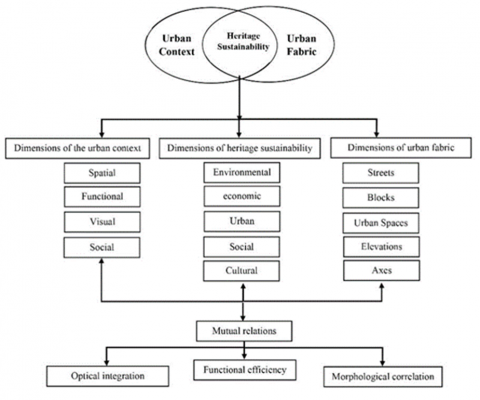
Urban context is defined as the spatial and social framework within which physical structure and cultural values interact to produce a distinct urban identity. Rossi [1] sees the city center as an organic being understood through its relationship to space, time, and memory. Lynch [3] focused on the aspect of perceiving space through physical elements, namely nodes, edges, axes, landmarks, and areas through which the image of the city is formed in the collective consciousness. Carmona et al. [2] add that the urban context is a framework that translates the relationship between social functions and physical space, ensuring and achieving a sustainable urban experience. According to contemporary studies, the urban context consists of four basic components as shown in Figure 1.
Figure 1. Components of the urban context
Source: The Authors based on source number [1, 2]
1. Spatial elements: buildings, squares, streets, and landmarks.
2. Organizational relationships: The connections that exist between voids, blocks, and visual and motor axes.
3. Symbolic and visual values: harmony, identity, rhythm, and historical dimension.
4. Functions and uses: social, economic, and religious activities.
Heritage city centers are defined as the basic areas of the city and include the greatest accumulation of cultural, architectural, and social values, and they represent the first nucleus on which the city was formed over time. It is not just an ancient urban fabric but rather a living urban entity in which there is a continuous interaction between the present and the past and reflects the social, spatial, and functional relationships that contributed to building the city's identity. UNESCO [15] refers to heritage city centers as urban areas of distinct cultural and historical value, which require integrated protection, organization, and management that balances heritage preservation and contemporary development. This is confirmed by Bandarin and Van Oers [12] in their book “The Historic Urban Landscape: Managing Heritage in an Urban Century,” which states that the heritage centers of cities are considered “a meeting point between contemporary functions and collective memory, and that the process of preserving and maintaining them requires a comprehensive understanding of their urban context not only as a physical framework, but as a system of common values and meanings.” From an urban perspective, Hadi et al. [19] see these heritage centers as the primary laboratory specialized in studying morphological transformations, as they clearly show us the interrelationship between social activities and urban form over time. Recent studies such as Rodwell [13] and Al-Alawi et al. [17] explained that the urban heritage in these centers is a cultural and economic resource and that the most important prerequisite for achieving urban sustainability is its preservation. and indicate that the rehabilitation process in heritage centers is one of the best city strategies necessary to achieve a balance between identity and development, especially in light of the increasing challenges of accelerating urban expansion and globalization in major old city centers.
The relationship between sustainability and the urban context is complementary. Sustainability represents the principle that ensures the continuity of interconnectedness between the urban elements that make up the context, while the urban context represents the spatial and organizational framework for understanding this interconnectedness.
Sultan and Al-Thahab [20] clarified that modern planning tools and heritage values work together to preserve the identity of city centers.
Farhan et al. [6] pointed out that the process of understanding context as a diverse fabric of spatial and temporal relationships is the first step towards achieving morphological sustainability in the centers of holy cities. The urban context is considered one of the basic concepts that contributed to the development of planning and architectural thought during the twentieth century, as it refers to the social, material, and cultural framework within which urban elements interact. This concept has developed since the work of Norberg-Schulz [18], at which time he defined context as the spirit of place, thus explaining that sustainability is not achieved in its true sense except when one understands the human relationship with one's place as an integrated system of symbolic and sensory experiences. Accordingly, Bandarin and Van Oers [12] see from a sustainability perspective that context is the framework within which the ability of heritage cities to achieve balanced development between renewal and preservation is tested, as any neglect that occurs in taking into account the urban context in development projects often leads to the loss of the city's spatial identity, which makes any urban modernization process unsustainable in the long term. Urban sustainability focuses on rethinking urban development in all its environmental, social, and economic aspects, as well as the policies and practices that guide urban development in cities [21].
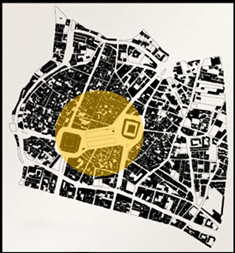
Figure 2. Map showing the historical and modern urban expansion and diversity of the urban fabric of Old Karbala
Source: Using the ARC GIS 10.8 software
Figure 3. A diagram illustrating the relationship between urban context and sustainability
Source: The Authors based on source number [1-3]
Spaces, establishing that the urban context is one of the elements of "quality of place." This confirms that public spaces, human activities, and buildings create a complex and overlapping network of social and spatial relations, with the sustainability of the heritage city depending on the balance of these relations within the urban fabric [2]. Al-Alawi et al. [17] believed that this relationship between sustainability and context is not linear but rather interactive, as context contributes to shaping sustainability strategies and plans, while sustainability imposes requirements that play the role of rereading the city's heritage context. He developed the concept of contextual sustainability as a framework that links the urban and cultural dimensions of heritage. Accordingly, Rodwell [13] presented a more comprehensive and integrated approach between the two concepts, considering that urban sustainability cannot be achieved if it stems from the contextual specificity of the heritage city, because ready-made global models or unified solutions ignore and do not pay attention to the local dimension, and this leads to the obliteration of cultural and urban heritage. And Sustainability is a major demand and need pursued by cities in all areas of life due to the environmental, social and economic gains they provide, especially in the field of city planning and urban renewal projects that aim to integrate the past, present and future [22]. At the institutional and organizational level, UNESCO [15] has strengthened this integration through the “Historical Urban Landscape Recommendation,” which states and emphasizes that urban heritage management must take place within the framework of sustainable development and that context is not just a visual component but rather a living and changing interactive environment that must be permanently maintained in a balance between development and authenticity [23]. Figure 3 illustrates the relationship between sustainability and urban context.
The practical aspect of this research focused on a morphological and field analysis of Old Karbala to achieve the desired goal, which is to evaluate the impact of the urban context in achieving the social and spatial sustainability of the heritage fabric. An analytical-descriptive approach was adopted that combines the study of visual, spatial, and functional elements and the analysis of the organizational relationships that manage the urban fabric from within.
6.1 Data collection
The information was collected using a multi-source approach to ensure comprehensiveness and accuracy in understanding the urban context of the ancient city of Karbala. Both primary data and secondary data were used within an integrated, comprehensive analytical framework.
This data was obtained through a direct field survey (Field Survey) of the intended areas in the heritage fabric surrounding the central area. This survey included documenting land uses, morphological patterns, and detailed features of facades, in addition to recording spatial observations about the visual and organizational relationships between urban components. In addition, direct observation and the analysis of modern maps and aerial photographs were adopted to identify successive morphological changes in the urban fabric.
It includes reports issued by official institutions represented by the Heritage Authority and the Municipality, in addition to satellite and aerial photographs that show the stages of development of the city's fabric over time, in addition to previous academic studies that dealt with sustainability and the urban context.
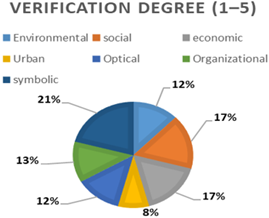
Table 1. Degree of achievement of sustainability dimensions and indicators within the old city
| Dimension | Indicator | Verification Degree (1-5) | Notes |
| Environmental | Land use efficiency | 3 | High density near the center versus untapped voids |
| social | Local community participation | 4 | Civil initiatives to organize processions |
| economic | Diversity of activities | 4 | Expansion of the tourism sector |
| Urban | Heritage preservation | 2 | Deterioration of some historic buildings |
| Optical | Harmony of the general scene | 3 | Material and color contrast |
| Organizational | Infrastructure efficiency | 3 | Road expansion and weak internal connectivity |
| symbolic | Strengthening religious identity | 5 | The sanctuary as a unified symbolic center |
Source: Author’s analytical–descriptive evaluation based on field observations using a five-point Likert scale (2023-2025)
6.2 Analysis process
This stage represents the essential part of the practical aspect of this research, as it aims to understand the organizational and spatial relationships between the elements of the urban fabric of Old Karbala and to determine how they affect the achievement and promotion of sustainability principles.
6.3 Summary of findings and recommendations
In this section of the research, the important role played by the concept of urban context in achieving social and spatial sustainability within heritage cities is explained. The following table shows how the analysis showed us the most important results and recommendations and how they affect sustainability indicators and Figure 4 shows the percentage of sustainability achieved, and Figure 5 shows the value of sustainability indicators.
Figure 4. Percentage of sustainability achieved in each dimension within the old city
Source: Author’s analytical–descriptive evaluation based on field observations using a five-point Likert scale (2023-2025)
Figure 5. The value of sustainability dimensions and indicators in the old city
Source: Author’s analytical–descriptive evaluation based on field observations using a five-point Likert scale (2023-2025)
7.1 Spatial and geographical characteristics of the city
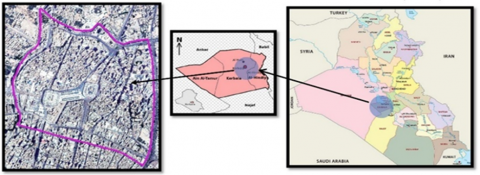
The city of Karbala is located in central Iraq, at longitude 43°59' east and latitude 32°36' north. The distance from the capital, Baghdad, is approximately 105 km, and it is located south of it. Its terrain is flat within the alluvial plain, which is what distinguishes it, providing an opportunity for it to develop organically, centered around the center of the old city. The total area of the city is approximately 80 km², of which 12 km² represents the ancient heritage area with high building density [6, 24]. The religious center of the two holy shrines is the main axis driving urban growth and expansion, as the process of expansion in all directions began from it, while maintaining the old nucleus as a center for economic, social, and religious activities. As a result, the holy city of Karbala holds significant importance as one of the most vital Islamic pilgrimage destinations. It is distinguished by its historical and urban significance, with a unique urban core characterized by the presence of two prominent shrines that serve as the heart of the city center: the shrine of Imam Hussein (peace be upon him) and the shrine of Abbas (peace be upon him) [7] as shown in Figures 6 and 7.
Figure 6. Map showing the location of Karbala Governorate in relation to Iraq and the location of the old city in relation to Karbala Governorate
Source: Using the ARC GIS 10.8 software
Figure 7. The top image shows the fabric of the old city of Karbala in 1970, and the bottom image shows the urban fabric in 2025
Source: The Authors based on source number [6]
7.2 Morphological evolution of urban fabric over time
Old Karbala witnessed many successive morphological stages divided into four main periods, as shown in Figure 2 and Table 2.
Table 2. The morphological stages that the old city of Karbala went through
|
Fabric type |
Main Features |
Time Period |
Stage |
|
Traditional organic |
Organic alleys are winding and narrow, with mud buildings and a core around the two holy shrines. |
Before the 19th century |
First |
|
Advanced organic |
It expanded towards the south and east and formed inns and markets |
19th century - mid-20th century |
Second |
|
Axial–network |
Introduction of radial roads and modern expansions |
1950–2003 |
Third |
|
Mixed network |
Urban and tourism expansions, visual and physical contrast |
After 2003 |
Fourth |
Source: The Authors based on source number [6, 11]
A comparison of the stages that the city center went through shows that the shift from an organic to a networked style negatively affected the cohesion of the accumulated heritage fabric, especially after the expansion of the squares and roads surrounding the Shrines, which reduced functional and visual cohesion [18, 25].
7.3 Functional analysis of the urban context
It is clear that the religious function remains dominant in the
public landscape, while the service and tourism function is constantly expanding at the expense of residential functions, which reflects a challenge in achieving a sustainable job balance [23] as shown in Figure 8 and Table 3.
Figure 8. Land use plan for the old city
Source: Using the ARC GIS 10.8 software
Table 3. The urban fabric pattern and its functional connection
|
Degree of Correlation |
Attributes |
Function |
Pattern |
|
Visually strong and functionally weak |
Axes leading to the two holy shrines |
Religious–Tourist |
Radial |
|
Average |
Connects modern areas and relieves congestion |
Service–Traffic |
Annular |
|
Spatially high and organizationally weak |
Winding alleys within the old neighborhoods |
Residential–Social |
Organic |
Source: The Authors based on source number [23, 25]
7.3.1 Land use data and derivation method
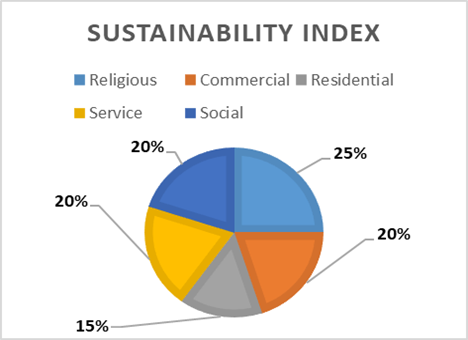
Table 4 and Figure 9 show data illustrating land use in the historic city center of Old Karbala, based on a spatial study and analysis conducted during a field observation period between 2023 and 2025. During this period, the proportion of land use types in the historic center was determined based on field surveys and observations, and based on this, the physical boundaries of each specific land use were determined through photographic documentation and direct site verification. They were then classified into functional categories and the value of each use is as shown in Figure 10 and the percentages shown in Figure 9 were calculated by estimating the area that could be allocated to each group within the boundaries of the study area and calculating it as a percentage of the total area of the entire site. percentage of the total area of the entire site. This method provides a comparative and contextual representation of the types of land use that prevail there, rather than a precise survey of the site, which is consistent with the descriptive analytical approach of the study.
Table 4. The types of functions and land uses in the old city
| Function | Major Components | Spatial Features | Sustainability Index |
| Religious | The Hussein Shrine, the Abbasid Shrine and other shrines | City center | 5 |
| Commercial | Traditional markets and main streets | Radial axes | 4 |
| Residential | The old neighborhoods surrounding the Holy Shrine | Organic alleys | 3 |
| Service | Hotels, restaurants and tourist complexes | Main road perimeter | 4 |
| Social | Squares, processions and hosts | Open spaces | 4 |
Source: Author’s field survey and spatial analysis
Figure 9. The proportion of land use in the old city
Source: Based on Table 2
Figure 10. The value of each use in the old city
Source: Based on Table 2
7.4 Visual analysis of the urban context
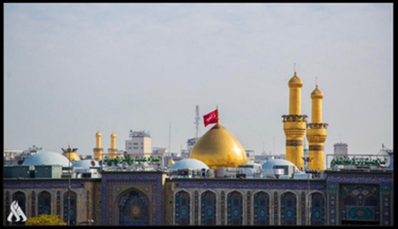
The visual fabric of the city shows a clear contrast between the heritage center and the modern areas. The central area is characterized by medium heights (3–4 floors) and homogeneous earthy colors, while the heights of modern buildings at the edges range between 6 and 8 floors, creating a visual imbalance in the skyline [6] as shown in Figure 11 and Figure 12.
Figure 11. Two minarets and domes of the holy shrines dominate the skyline of the old city
Source: The Authors based on field observations
Figure 12. A section showing the heights of buildings on one of the streets of the old city, Bab Baghdad Street
Source: The Authors based on the field survey
The materials used differ between traditional brick in old buildings and concrete and glass in modern buildings, which
weakens the overall visual harmony [6, 26] as shown in Figure 13 and Figure 14.
Figure 13. Traditional building materials and style
Source: The Authors based on observation and field documentation
Figure 14. Style not consistent with the character of the old town, nor are the building materials
Source: The Authors based on observation and field documentation
7.5 Organizational relations and axes
The radial axes emerging from the two Holy Shrines constitute the most prominent organizational elements in the city, such as the streets of Abbas, Al-Jumhuriya, and Sidra, which connect the center to modern areas [23, 24]. The ring roads surrounding the historical core also contribute to the distribution of movement but created a spatial separation between the center and the old neighborhoods [6] as shown in Figure 15.
Figure 15. The centrality of the holy shrines and their relationship with the axes branching out from them
Source: Using the ARC GIS 10.8 software.
8.1 Results of morphological analysis
The results of the morphological analysis of the city showed us that the urban fabric of ancient Karbala is characterized by an organic, cohesive nature that developed around the two holy shrines. where the general layout of the city center is based on a central religious nucleus from which traditional markets and narrow alleys branch out towards the outskirts of the city. This contemporary urban transformation has led to the emergence of new areas and places with a semi-regular and networked character in the outer area of the original fabric, which has led to disparities in visual connectivity and between heritage areas and newly formed areas.
8.2 Spatial axes and connections
Our spatial analysis of the city showed us that the main axes in the old city took a radial direction from the two holy Shrines towards the outer edges, such as the axis of Bab Baghdad Street, the axis of Imam Hussein Street, and the axis of Bab al-Qibla Street. These are important axes with religious and symbolic value, representing the paths of religious rituals and the movement of visitors. The secondary axes of the city center played an important role in connecting markets, residential neighborhoods, and squares for commercial and functional purposes. However, these secondary axes suffer from visual distortion and traffic congestion as a result of random changes in use.
8.3 Building materials and architectural character
Field surveys have shown that many of the buildings that make up the heritage fabric were constructed using traditional local materials such as plaster and mud bricks, giving the city a unified physical character and identity that reflects the social and climatic characteristics of the region. However, in recent
years and decades, members of the community have begun to use modern materials such as cement bricks and concrete within the heritage area, which has caused a loss of color harmony and visual coherence in a number of heritage streets.
8.4 Organizational relationships
The organizational analysis of the urban fabric showed that the spatial system of the city center is based on a hierarchical hierarchy of relationships between spaces:
from the holy Shrines as a visual and spiritual center to the surrounding traditional markets and branching streets, all the way to the residential neighborhoods. These organizational relationships reveal and emphasize the integration between social functions and spatial structure, but over time they have been disrupted and unbalanced by modern projects and urban expansions that did not take into account the historical hierarchy and sequence of the urban fabric.
8.5 Visual analysis
When analyzing the old city center from a visual perspective, it becomes clear that the urban skyline is characterized by consistency and gradation in the old heritage areas, where building heights range from one to two stories with facades that may be decorated with traditional Islamic elements in most parts of the fabric. Meanwhile, modern buildings in the area surrounding the holy Shrines stand out with their contrasting colors and tall heights, leading to a disruption in the spatial identity and visual confusion in the old city.
8.6 Functional analysis
After conducting a functional analysis of land use, it was found that commercial and religious activities are the main components of the old urban fabric, with hotel services and traditional markets concentrated around the area of the two holy shrines, while residential activities are gradually declining and weakening in the center due to the constant movement of visitors and congestion. This shift in uses has led to an imbalance between functions, with some areas being converted to seasonal or temporary uses.
8.7 Contextual sustainability indicators
After presenting the previous analyses and linking them together, it becomes clear that most elements of the urban context that support sustainability are:
•Religious and symbolic values that reinforce belonging and identity.
•The natural morphological sequence of the organic urban fabric.
Meanwhile, the remaining organizational relationships affected by changes in building materials and urban expansion within the old city center represent some of the most threatening challenges to the sustainability of the heritage fabric.
Through field, visual, and morphological analysis of the old city center of Karbala, the study revealed a set of fundamental conclusions that clarify the nature of the relationship between the sustainability of the heritage fabric and the urban context. These conclusions can be summarized as follows:
1. Flexibility of the traditional urban fabric:
It has become clear that the urban fabric of the old city of Karbala is characterized by its high level of adaptability to social and temporal changes, despite being subject to expansionary pressures and urban challenges. This flexibility stems mainly from the cohesive and organic nature of the old city's fabric, which has allowed it to retain its spatial identity despite recent transformations.
2. Organizational relationships as a key factor in sustainability:
After analyzing the organizational relationships between public spaces and axes and between urban blocks, we found that they represent the backbone of the city's development and visual and functional balance.
The traffic hubs, which are originally linked to religious rituals and events (such as Al-Qibla Street and Imam Al-Hussein Street), all function as an organizational network that manages and connects commercial, residential, and religious functions, thereby enhancing and stimulating social sustainability and ensuring the city's urban continuity.
3. The impact of building materials on visual identity:
The study showed that the shift from local materials (such as plaster and mud bricks) to modern materials (such as concrete, glass, cement bricks, and iron) led to a loss and weakening of visual and color harmony in the public facades within the old city center.
This material contrast has created a gap between the past and the present, which requires design and planning policies to regulate the architectural renovation process.
4. Functional imbalance:
The functional analysis of the old city center showed us that religious and commercial activities have become dominant at the expense of residential use, leading to a transformation of the old city into a service center rather than a livable environment. This imbalance has been reflected in the concept of social sustainability, leading to a decline in the local population in favor of tourists and visitors.
5. The impact of morphological transformations:
This study revealed how urban expansion projects on the outskirts of the two holy shrines have changed the original organic fabric of the city, with the emergence of semi-grid planning methods and patterns that have led to a breakdown in spatial cohesion and weakened integration and communication between heritage and contemporary modern areas.
6. Religious and symbolic values as elements of intangible sustainability:
It has been found that the spiritual values that exist and are associated with the place among members of society constitute an element of symbolic and cultural sustainability, as they ensure and reinforce the continuity of the city's identity even in the face of material changes. These values represent the intangible or non-material dimension within the framework of the urban context concept, which preserves authenticity and reinforces belonging.
7. The importance of the contextual approach in understanding the old city center:
This research has proven that the concept of comprehensive contextual analysis is the most powerful and effective tool for understanding and comprehending the urban performance of heritage cities, as it combines intangible components (values, symbols, and organizational relationships) with tangible components (spaces, building materials, and axes). The application of this approach paves the way for the creation of a comprehensive evaluation framework specifically designed to measure the impact of contextual sustainability in heritage centers.
Based on the findings presented above, the study proposes a set of regulatory and practical recommendations that could contribute to enhancing and revitalizing the sustainability of Karbala's old city center while ensuring the preservation of its heritage and spatial authenticity:
1. Adopting the Historic Urban Landscape (HUL) approach:
This approach should be applied in the organization and management of the old city of Karbala to ensure the integration of heritage preservation with urban development efforts, as this framework allows for the combination of cultural preservation principles and economic development requirements.
2. Establishing design and planning controls specific to heritage areas:
This includes specifying height ratios, permitted building materials within heritage areas, and colors, to ensure visual harmony and prevent distortion and fragmentation caused by modern buildings and structures.
3. Enhancing functional balance within the city:
This is achieved by redistributing and reorganizing commercial, service, and residential activities in line with the cultural and religious character of the area and by encouraging residents to remain within the old city limits through the provision of social and economic support programs.
4. Activating the concept of contextual analysis in urban planning:
This should be adopted as an essential tool in evaluating development and redevelopment projects to ensure that any urban change does not disrupt or negatively affect the spatial and heritage cohesion of the overall context.
5. Prepare a database and digital information on the heritage fabric:
This includes aerial photographs, historical maps, and functional and morphological data to facilitate future planning and monitoring.
6. Promoting the symbolic and cultural dimension in development policies:
Through awareness and educational programs that connect community members with the religious and heritage values of the old city, ensuring the transmission of authentic identity to future generations.
7. Disseminating the contextual sustainability model:
The analytical approach and methodology adopted in this research can be used and applied in similar heritage cities such as Fez, Najaf, and Mashhad, thereby contributing to the development of a base of Arab and Islamic knowledge in the field of sustainability in heritage city centers.
[1] Rossi, A. (1984). The Architecture of the City. MIT Press, Cambridge, MA. https://mitpress.mit.edu/9780262680431/the-architecture-of-the-city.
[2] Carmona, M., Heath, T., Oc, T., Tiesdell, S. (2003). Public Places, Urban Spaces: The Dimensions of Urban Design. Architectural Press, Oxford. https://arch355processofurbandesign.wordpress.com/.
[3] Lynch, K. (1960). The Image of the City. MIT Press, Cambridge, MA. https://mitpress.mit.edu/9780262120043/the-image-of-the-city/.
[4] Conzen, M.R.G. (1960). Alnwick, Northumberland: A Study in Town-plan Analysis. Institute of British Geographers, London. https://archive.org/details/alnwicknorthumberland.
[5] Hillier, B., Hanson, J. (1984). The Social Logic of Space. Cambridge University Press, Cambridge. https://www.cambridge.org/core/books/social-logic-of-space/6B0A078C79A74F0CC615ACD8B250A985.
[6] Farhan, S.L., Abdelmonem, M.G., Nasar, Z.A. (2018). The urban transformation of traditional city centres: Holy Karbala as a case study. ArchNet-IJAR: International Journal of Architectural Research, 12(3): 53-67. https://www.archnet.org/publications/13123.
[7] Al-Saffar, M. (2024). Sustainable urban heritage: Assessing Baghdad’s historic centre of Old Rusafa. Architecture, 4(3): 571-593. https://doi.org/10.3390/architecture4030030
[8] Alrobaee, T.R., Al-Khafaji, A.S., Al-Salam, N.A., Al-Jaberi, A.A. (2023). The safer city: A new planning perspective for the traditional city development. International Journal of Safety & Security Engineering, 13(1): 139-149. https://doi.org/10.18280/ijsse.130116
[9] Farhan, S.L., Hasan, S.A., Rahim, L.A.L., Ebraheem, A.K., Al-Hussaini, Z.I.H., Ebraheem, M.A., Alkinani, A.S., AL-Rawe, M.K., Jassim, A.H., Shok, M.E. (2025). Balancing heritage preservation and sustainable development in historic cities: A case study of Old Najaf in the context of global best practices. International Journal of Sustainable Development and Planning, 20(3): 1041-1051. https://doi.org/10.18280/ijsdp.200311
[10] Jassim, A.H., Hasan, S.A., Ebraheem, A.K., Ebraheem, M.A., AL-Rawe, M.K., Alkinani, A.S., Almosawi, F. (2025). A comprehensive framework for heritage site management: Challenges and strategies for sustainable preservation. International Journal of Sustainable Development and Planning, 20(4): 1525-1533. https://doi.org/10.18280/ijsdp.200415
[11] Parkes, A. (2021). The Ashura assemblage: Karbala’s religious urban fabric and reproduction of collective Shiʿi identity. Religions, 12(10): 904. https://doi.org/10.3390/rel12100904
[12] Bandarin, F., Van Oers, R. (2012). The Historic Urban Landscape: Managing Heritage in an Urban Century. John Wiley & Sons. https://doi.org/10.1002/9781119968115
[13] Labadi, S., Logan, W. (2016). Urban heritage, development and sustainability. International Frameworks, National and Local Governance. London and New York: Routledge. https://www.routledge.com/Urban-Heritage-Development-and-Sustainability-International-Frameworks-National-and-Local-Governance/Labadi-Logan/p/book/9781138845756.
[14] Maroufi, H. (2020). Urban planning in ancient cities of Iran: understanding the meaning of urban form in the Sasanian city of Ardašīr-Xwarrah. Planning Perspectives, 35(6): 1055-1080. https://doi.org/10.1080/02665433.2019.1684353
[15] UNESCO. (2011). Recommendation on the historic urban landscape (HUL). UNESCO, Paris. https://whc.unesco.org/document/160163.
[16] UN-Habitat. (2023). Urban heritage for sustainable development – Annual report 2023. UN-Habitat, Nairobi. https://unhabitat.org/sites/default/files/2024/05/annual_report_2023.pdf.
[17] Al-Alawi, S., Knippschild, R., Battis-Schinker, E., Knoop, B. (2022). Linking cultural built heritage and sustainable urban development: Insights into strategic development recommendations for the german-polish border region. disP - The Planning Review, 58(2): 4-15. https://doi.org/10.1080/02513625.2022.2123160
[18] Norberg-Schulz, C. (1980). Genius Loci: Towards a Phenomenology of Architecture. Rizzoli, New York. https://books.google.com/books/about/Genius_Loci.html?id=yioU0NqIJ9sC.
[19] Hadi, I.S., Abed, M.H., Almosawi, F. (2025). Multi-functionality as a tool to cater to the social and cultural needs of “Ziyarat Al-Arba’een” visitors to the holy Karbala city center, Iraq. ISVS e-Journal, 12(1): 105-120. https://doi.org/10.61275/ISVSej-2025-12-01-08
[20] Sultan, A.R., Al-Thahab, A.A. (2023). Maintaining identity of the built environments of religious cities: Impact of expansions at the historic Karbala, Iraq. ISVS e-journal, 10(8): 265-288. https://doi.org/10.61275/ISVSej-2023-10-08-19
[21] Abd-Alhussin, M.M., Alrikabi, N.K. (2023). Sustainability indicators in green residential buildings (Jawaher Degla residential complex as a case study). Journal of Planner and Development, 28(3): 146-164. https://jpd.uobaghdad.edu.iq/index.php/jpd/article/view/425/version/382.
[22] Alrawi, A.K., Alkinani, A.S. (2021). Urban sustainability assessment for the urban renewal project in Al-Shawaka area. Journal of Planner and Development, 26(1): 31-46. https://iasj.rdd.edu.iq/journals/uploads/2025/09/28/ffd7972ed682bd7019ef06b0b6216a22.pdf.
[23] Farhan, S.L., Rahim, L.A.L., Samir, H.H., Aljashaami, B.A. (2025). A participatory digital framework for balancing urban development and cultural heritage preservation: A case study of the historic center of Karbala. International Journal of Sustainable Development and Planning, 20(7): 2753-2763. https://doi.org/10.18280/ijsdp.200702
[24] Whitehand, J.W., Gu, K., Whitehand, S.M., Zhang, J. (2011). Urban morphology and conservation in China. Cities, 28(2): 171-185. https://doi.org/10.1016/j.cities.2010.12.001
[25] Basee, D.H., Hmoud, S.M., Abdulla, Z.R. (2024). The impact of the morphological change of urban spaces in shaping the new microclimate: A case study in Karbala, Iraq. Ain Shams Engineering Journal, 15(3): 102463. https://doi.org/10.1016/j.asej.2023.102463
[26] Obad Šćitaroci, M., Bojanić Obad Šćitaroci, B. (2019). Heritage urbanism. Sustainability, 11(9): 2669. https://doi.org/10.3390/su11092669