Cut Nuraini* | Andiyan Andiyan
© 2025 The authors. This article is published by IIETA and is licensed under the CC BY 4.0 license (http://creativecommons.org/licenses/by/4.0/).
OPEN ACCESS
This study investigates how bioclimatic principles of daylighting and natural ventilation are utilized in rural residential buildings in Mandailing Natal District, Indonesia, amid increasing pressures of modernization and non-adaptive housing design. Adopting a rationalistic paradigm with mixed quantitative–qualitative methods, the research combines in situ measurements of illuminance and wind speed with occupants’ thermal–visual comfort responses. Quantitative data were collected in three representative spaces (terrace, living room, and combined dining–kitchen area). Results show that natural illuminance ranges from 150 to 250 lux, which occupants consistently rate as “very comfortable,” while measured wind speeds of 1.6–2.1 m/s are perceived as “comfortable.” The analysis identifies three key bioclimatic strategies: (1) the use of cross-positioned wall openings that promote effective cross-ventilation and balanced daylight; (2) the integration of soft (vegetation) and hard (water pool) micro-landscape elements to improve air freshness and mitigate glare; and (3) surrounding building layout patterns that facilitate wind penetration into interior spaces. These findings demonstrate that certain vernacular rural dwellings retain environmentally responsive design logics that can inform climate-sensitive housing strategies in similar tropical contexts.
bioclimatic, cross ventilation, illumination, natural ventilation
It is undeniable that modernization has significantly influenced climate change on Earth. The process of modernization, which runs parallel to technological developments, has relied on various lines of activity with energy sources such as fuel oil. This is further compounded by the activities of modern humans, who are highly consumptive of these non-renewable energy sources. In this case, the role of the construction industry and the field of architecture, especially architects, has a significant contribution to climate change. Revealed that architects have changed forest areas, agriculture, and other green areas into housing and cities. Cities, housing, and other public facilities have been built without considering energy efficiency [1-5].
While modernization is often associated with improved comfort and new building technologies, it can also increase energy demand in the residential sector when design decisions prioritize mechanical solutions over passive strategies. In many contemporary housing developments, spatial layouts, façade openings, and material choices are frequently guided by trends and convenience rather than energy efficiency, resulting in a higher dependence on artificial lighting and mechanical ventilation. Consequently, architects and the construction industry have a strategic role in mitigating climate impacts by integrating low-energy design principles into housing design, especially in regions where traditional dwellings previously relied on climate-responsive solutions [6-8].
Changes in the design of the inner space of residential housing in rural areas, which were initially very environmentally friendly, are feared to gradually become one of the contributors to global warming. This is also observed in residential areas in the Mandailing Natal District of North Sumatra, especially in Manambin, Hutagodang, and Habincaran [5, 9, 10]. Most community housing has begun to make changes to the design of their residences, especially the inner spaces; therefore, some of the environmentally friendly principles in the buildings are starting to disappear. However, there are still a number of residences that maintain their bioclimatic potential, especially related to lighting and natural ventilation, which is very environmentally friendly [11, 12].
Based on a number of backgrounds that have been described previously, the formulation of the problem in this study is: how the utilization of bioclimatic aspects, especially in terms of lighting and natural ventilation, affects the inner space of residential buildings in rural environments in Manambin, Hutagodang, and Habincaran in the Mandailing Natal District?
2.1 Lighting system
Lighting guidelines on buildings issued by the National Standardization Agency (BSN) through SNI 03-6197-2000 [13], which were established in 2000, are intended to obtain an illumination system with optimal operation; therefore, energy use can be efficient without reducing or changing the buildings’ functions, comfort, and occupant productivity.
The standard procedure for designing daylighting systems in buildings described in SNI 03-2396-2001 [14] aims to obtain a natural daylight illumination system that is in accordance with health and comfort requirements. Natural illuminance during the day can be considered good if, between 08:00 and 16:00 local time, there is enough light entering the room, and the distribution of light in the room is fairly even and does not cause disturbing contrasts.
In SNI 03-2396-2001 [15], natural illuminance factors during the day include three components: the sky factor, outer reflection, and inner reflection. The sky factor is a number that compares the level of illumination directly from the sky with the level of illumination from the bright sky on a flat plane. The measurement is conducted at two measuring points: the Main Measurement Point (Titik Ukur Utama/TUU) and the Side Measurement Point (Titik Ukur Samping/TUS).
TUU is located in the middle between the two side walls, at a distance of 1/3 d of the effective light field, while TUS was taken at a distance of 0.50 meters from the side wall, which is also at a distance of 1/3 d from the field of effective light holes, with d being a measure of the depth of the room, as shown in Figure 1. The requirements for the sky factor in a residential house must be met, as can be seen in Table 1. The average illuminance level, rendering, and color temperature recommended can be seen in the following Table 2.
Table 1. Sky factor values for residential buildings
|
Room Type |
flmin TUU |
flmin TUS |
|
Living room |
0.35 d |
0.16 d |
|
Workspace |
0.35 d |
0.16 d |
|
Bedroom |
0.18 d |
0.05 d |
|
Kitchen |
0.20 d |
0.20 d |
Table 2. The average of illuminance levels, rendering, and color temperature for homes
|
Space Function |
Illuminance Level |
Color Rendering Group |
Color Temperature |
||
|
Warm White |
Cool White |
Daylight |
|||
|
Terrace |
60 |
1 or 2 |
√ |
√ |
|
|
Living room |
120 - 150 |
1 or 2 |
|
√ |
|
|
The dining room |
120 - 250 |
1 or 2 |
√ |
|
|
|
Workspace |
120 - 250 |
1 |
|
√ |
√ |
|
Bedroom |
120 - 250 |
1 or 2 |
√ |
√ |
|
|
Bathroom |
250 |
1 or 2 |
|
√ |
√ |
|
Kitchen |
250 |
1 or 2 |
√ |
√ |
|
|
Garage
|
60
|
3 or 4
|
|
√
|
√
|
Figure 1 illustrates the measurement layout used for assessing indoor daylight availability (sky factor/daylight factor) in residential rooms. The evaluation is performed on a horizontal working plane located 0.75 m above the finished floor level (section view). In plan, the room depth is defined as d (from the façade/opening plane to the rear wall), and the measurement line is positioned at 1/3 d from the opening. Along this line, one main measuring point (TUU) is placed in the central zone of the room, while two side measuring points (TUS) are located near the lateral boundaries, each at 0.5 m from the side walls. This configuration is intended to capture daylight conditions representative of both the central and peripheral areas of the space.
Figure 1. Distance of d at TUS and TUU
Comparison of the level of natural illuminance in the room and natural illuminance on a flat surface in an open field is determined by the geometric relationship between the measuring point and the light hole, the size and position of the light hole, the distribution of the skylight, and the sky that can be seen from the measuring point [11].
Table 3. Relationship between Light Holes’ Height (TTCL) and Relative Sky Factor Values (NFLR)
|
Light Holes’ Height (TTLC) (cm) |
Relative Sky Factor Values (NFLR) |
|
0 – 20 |
1 |
|
20 – 40 |
2 |
|
40 – 60 |
3.5 |
|
60 – 80 |
4 |
|
80 – 100 |
5 |
|
100 – 120 |
5 |
|
120 – 140 |
5 |
|
140 – 160 |
5 |
|
160 – 180 |
4.5 |
|
180 – 200 |
4 |
The value of the sky factor and the distribution of light into the room are greatly influenced by the location and shape of the light hole. The same large light hole has a higher fl value at a higher position [16]. The relationship between the height of the light hole and the relative value of the sky factor can be seen in Table 3.
Research on daylighting by Aljawder and El-Wakeel [17] demonstrated a pronounced trade-off between visual privacy requirements and daylight availability in Bahraini dwellings. Their study evaluates the acceptability of contemporary mashrabiya, reflective glazing, and related measures. These findings are highly relevant for discussing the culturally driven privacy compromises (e.g., curtains or closed shutters) that frequently occur in tropical housing and their implications for both natural ventilation and daylighting.
Complementarily, García Fernández et al. [18] proposed a mathematical framework for daylighting design that can be adapted to our methods section or included as an analytical appendix. Employing this framework would strengthen the quantitative weighting of key design variables—specifically, opening configuration, room depth, and shading devices—in our study.
2.2 Natural ventilation system
Natural ventilation has benefits, such as circulating outside airflow into buildings, reducing harmful substances, and being beneficial to health [16]. Natural ventilation can channel O2, prevent the concentration of CO2, bacteria, and odors, and transfer heat in space [19]. Natural ventilation also creates thermal comfort because the air that moves over the body can help evaporate moisture from sweat on the surface of the skin. In addition, natural ventilation can serve as a structural cooler because direct air movement can continuously cool the structure and skin (covering) of the buildings [16].
The amount of air change that will occur in a room is determined by the area of the opening, the direction of the incoming wind, and the speed of the wind [20]. Boutet [20] also revealed that the comparison of the dimensions of the opening area between the inlet and outlet will affect the airflow rate. The value of the effectiveness of openings related to the inlet-outlet comparison can be seen in Table 4 below:
Table 4. Value of opening effectiveness in inlet-outlets
|
Inlet: Outlet |
Value of Opening Effectiveness |
|
1 : 1 |
1.00 |
|
1 : 2 |
1.27 |
|
1 : 3 |
1.35 |
|
1 : 4 |
1.38 |
|
1 : 5 |
1.40 |
|
2 : 1 |
0.63 |
|
4 : 1 |
0.35 |
|
4 : 3 |
0.86 |
Several other studies examining natural ventilation and thermal comfort in tropical or near-tropical settings include those investigated single- versus double-loaded corridors through simulations and occupant surveys in Malaysian secondary schools [21-23]; their results show that single-loaded corridors enhance air movement, reduce indoor temperatures, and yield higher comfort levels. These findings support our argument that residential massing and spatial layout—particularly corridor configuration and opposing openings—can be leveraged to maximize cross-ventilation in Mandailing [22]. Meanwhile, Hlaing and Kojima evaluated wind-catcher-type shading devices for hot-humid housing by comparing three shading configurations; they found that wind-catcher variants reduce hours of thermal discomfort while still admitting breezes. This evidence informs our proposed façade elements that simultaneously mitigate solar gains and capture wind, aligning with locally appropriate bioclimatic technologies. Finally, Ali et al. [23] analyzed shading and airflow in eight Libyan dwellings, assessing orientation, solar protection, and ventilation. Their straightforward recommendations underscore the primacy of orientation, shading, and cross-flow in lowering energy demand, providing a cross-climatic benchmark that helps justify our guidance on orientation and settlement-scale layout.
2.3 Bioclimatic architecture and energy conservation
Bioclimatic architecture [24-26] is an architecture that considers aspects of climate and the environment in carrying out its functions to obtain thermal comfort. Bioclimatic architecture always employs architectural design strategies that take into account environmental conditions and are beneficial in reducing the use of electrical energy, CO2 pollution, NO2, and the use of artificial equipment that tends to change climate and environmental conditions.
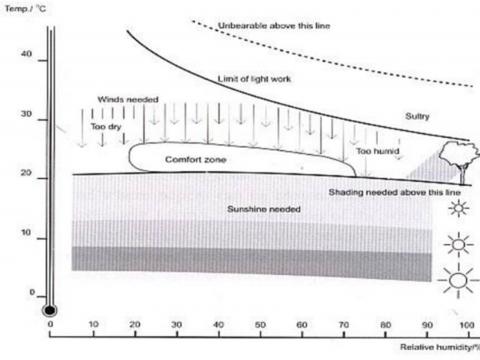
Therefore, according to Jones [16], bioclimatic architecture has a close relationship with energy conservation efforts, especially in energy utilization. Another opinion put forward by DeKay et al. [27] is that bioclimatic architecture is a study of climate aspects that are used to obtain thermal comfort conditions through the collaboration of air temperature, air humidity, airflow velocity, and solar heat radiation. These four aspects can be used to study the role and utilization of natural (climate) potential in an environment, as shown in the comfort zone model in Figure 2.
Energy conservation is an action that aims to save energy in the operation and maintenance of buildings. Conservation does not have to change the buildings’ function, comfort, or work productivity of residents and must consider cost aspects.
Figure 2. Thermal comfort zone [27]
Figure 2 Bioclimatic comfort chart showing the relationship between air temperature (℃, vertical axis) and relative humidity (% RH, horizontal axis) for light work/indoor activity. The central ‘comfort zone’ indicates the range of temperature–humidity combinations in which most occupants are expected to experience thermal comfort. Areas below this zone indicate conditions where additional solar gain (‘sunshine needed’) is beneficial, while areas above and to the sides indicate conditions where shading and/or increased air movement (‘winds needed’) are required and where the environment may become too dry or too humid.
2.4 Environmentally friendly
Environmentally friendly design concepts in Indonesia and elsewhere have long drawn on local wisdom to respond to climate. For example, Mandaka et al. [28] examined the typology of courtyard houses in Lasem, Central Java (Indonesia), documenting courtyard configurations and their relationships to the primary building masses in the Chinese settlements of Lasem—implying adaptations to both climatic and cultural contexts. This work provides an Indonesian regional reference for the role of courtyards/voids in facilitating natural ventilation and daylighting in dwellings. Likewise, Alhmoud [29] analyzed the effects of climatic conditions on vernacular architectural strategies in Egypt and Spain, synthesizing classical measures such as thermal mass, light-colored surfaces, small openings, shading, vegetation and water features, orientation, and the use of courtyards. Taken together, these strategies constitute a bioclimatic toolkit that is also pertinent to humid tropical regions [30].
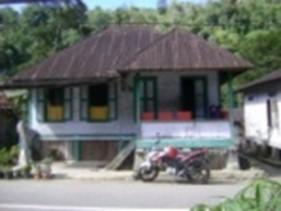
The concept of environmentally friendly design is one of the important aspects of efforts to reduce surface temperatures and minimize global warming. This concept has long been implemented by the ancestors of the Indonesian people throughout the archipelago. The ancestors of the Mandailing community in Manambin, Hutagodang, and Habincaran in the Mandailing Natal District have also long used environmentally friendly materials as part of their building practices. The strategy to use environmentally friendly materials can still be seen in the structures, especially in residential buildings or heirlooms (old houses) in the three villages, as revealed by Nuraini [31].
The use of environmentally friendly materials in Mandailing community residential buildings is carried out in three parts of the dwelling: the bottom of the building, the middle part, and the top of the building [31]. According to Nuraini [31], the strategy includes the use of local stones as foundations, local wood (ingui wood) as pillars, beams, windows, doors, stairs, and roof structures, and the use of gogat (local bamboo) as wall and floor material.
A brainstorming study conducted with the Mandailing ethnic community on the model of the growing house design offered shows that the Mandailing ethnic community provides input and advice to architects who will build a house in the Mandailing area; therefore, they can continue to use local materials as part of the residential buildings that are built in stages [31]. This shows that the concept of environmentally friendly design has become part of the life and culture of the Mandailing people.
This study adopts a rationalistic paradigm using combination of quantitative and qualitative methods [32]. The quantitative component consists of in situ measurements of daylight illuminance and wind speed, while the qualitative component focuses on occupants’ responses to the observed bioclimatic conditions [33]. Data collection was carried out through field observations and interviews with residents in the selected houses [34].
The empirical work was conducted in nine single-family houses located in rural settlements of Mandailing Natal District. The houses were selected purposively to represent typical local residential typologies that still retain vernacular architectural characteristics and are continuously occupied throughout the year. Additional criteria included: (1) the main living spaces are used for everyday domestic activities (e.g., receiving guests, dining, and cooking); (2) the building envelope and opening configurations have not been substantially altered by recent renovations; and (3) residents consented to repeated measurements and interviews. Taken together, these criteria support the representativeness of the sample for traditional climate-responsive dwellings in the study area.
Illuminance measurements were carried out using a Hioki 3421 digital luxmeter, while air velocity was measured using a handheld anemometer with a mechanical (needle) indicator system [35]. A model measuring tape and laser distance meter were used to record the dimensions of the spaces and wall openings. Measurements were conducted during the dry season of July-August, 2025, on days without rainfall and with relatively stable sky conditions, in order to capture typical daytime use. For each house, measurements were taken at several time intervals between 09:00 and 15:00 local time, covering morning to early afternoon when the spaces are most intensively used. Measuring points were located at typical activity zones (seated or standing positions) in the terrace, living room, and combined dining–kitchen, at a height of approximately 0.75–1.0 m above the floor.
To ensure data reliability, both instruments were checked and calibrated prior to each measurement session. The luxmeter was zero-adjusted and verified using the built-in calibration procedure, while the anemometer was inspected against still-air and known-flow conditions. The nominal measurement uncertainty of the instruments is within the range specified by the manufacturers and is suitable for building-scale field studies (i.e., uncertainty on the order of a few percent of the reading for illuminance and low fractions of m/s for air velocity). These uncertainties were taken into account when interpreting the recorded values.
Qualitative data were obtained through semi-structured, in-depth interviews with one primary occupant per dwelling (or per room where the pattern of use differed) [34, 36]. The interview guide covered several themes: perceptions of daylight sufficiency for routine tasks; frequency and situations of glare or visual discomfort; sensations and preferences regarding air movement; perceived thermal acceptability; routine adaptive behaviors (such as opening/closing windows, using shading devices, or operating fans); and overall satisfaction with the space. To anchor responses in the measured conditions and enable member checking, interviews were conducted immediately after the quantitative measurements; key readings (illuminance in lux and air velocity in m/s) were shown to participants to explore congruence between measured and experienced comfort [36]. With informed consent, all interviews were audio-recorded and supplemented by contemporaneous field notes.
Interview recordings were transcribed verbatim and analyzed using a thematic analysis approach. Initial codes were generated both deductively from the interview guide (e.g., “daylight sufficiency,” “glare,” “air movement,” “thermal comfort,” “adaptive behavior”) and inductively from recurring patterns in the data. Codes were then grouped into broader themes (such as “perceived visual comfort,” “perceived airflow and freshness,” and “bioclimatic design appreciation”), which were subsequently compared with the quantitative results to identify convergences and discrepancies between measured and perceived conditions. This mixed-methods strategy allowed the study to link physical environmental performance with users’ lived experiences of comfort and spatial quality.
Based on the research problem formulation, namely: how to utilize bioclimatic aspects, particularly in terms of natural lighting and ventilation in residential buildings, the results section begins by answering the problem formulation. The first section will discuss natural illumination, natural ventilation, and then about the building layout patterns. The explanation is as follows:
4.1 Research samples
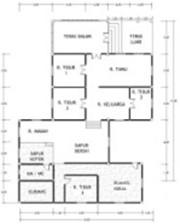
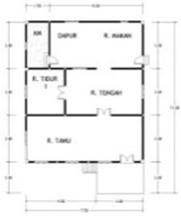
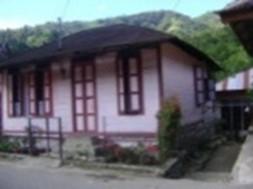
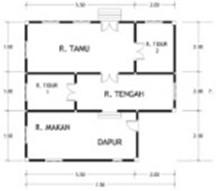
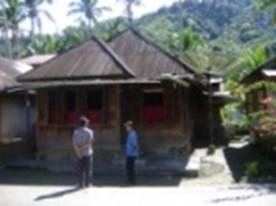
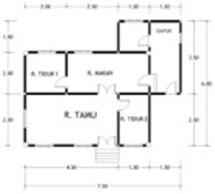
The results of field observations that have been carried out indicated that there are three residential units in Manambin, four residential units in Hutagodang and two residential units in Habincaran which are used as research samples for measurements of illumination and natural ventilation. Details of the research samples can be seen in Table 5.
Table 5. Details of research samples
|
Name of the Place |
Case Number |
Drawing of Residential Floor Plan |
|
Manambin |
1 |
 |
|
2 |
 |
|
|
3 |
 |
|
|
Hutagodang |
4 |
 |
|
5 |
 |
|
|
6 |
 |
|
|
7 |
 |
|
|
Habincaran |
8 |
 |
|
9 |
 |
4.2 Natural illuminance
Across all observation cases, daylight served as the primary source of illumination in living rooms, bedrooms, dining/kitchen areas, and bathrooms/lavatories during daytime periods. Measurements at the standard working plane show that living, sleeping, and dining/kitchen spaces consistently achieved usable natural illuminance with a relatively even spatial distribution, as summarized in Table 6. Bathrooms/lavatories exhibited greater variability—reflecting smaller apertures or borrowed light—yet still benefited from functional daylight for general use. Minor differences between dwellings were attributable to orientation, opening size/placement, and shading conditions, without altering the overall finding that the principal living spaces are both daylight-reliant and evenly lit (Table 6).
Table 6. Strength of illumination received
|
Case |
Outdoor Measurement |
Indoor Measurement |
Resident Response |
|
|
Living Room |
Dining Room and Kitchen |
|||
|
1 |
240 lux |
150 lux |
240 lux |
Very Comfortable |
|
2 |
230 lux |
150 lux |
240 lux |
Very Comfortable |
|
3 |
240 lux |
150 lux |
250 lux |
Very Comfortable |
|
4 |
250 lux |
150 lux |
240 lux |
Very Comfortable |
|
5 |
240 lux |
150 lux |
240 lux |
Very Comfortable |
|
6 |
220 lux |
170 lux |
240 lux |
Very Comfortable |
|
7 |
240 lux |
150 lux |
250 lux |
Very Comfortable |
|
8 |
230 lux |
150 lux |
250 lux |
Very Comfortable |
|
9 |
250 lux |
150 lux |
250 lux |
Very Comfortable |
Based on the field observations, it was found that the residents of the house and family members spend more time in the front room. The distribution of natural illumination is quite even due to the existence of a continuous interior space without walls. In all research cases, it also shows that there were no activities utilizing artificial lights or lighting from 07:00 to 17:00 Western Indonesian Time (WIB).
Comfortable conditions for natural illuminance in all occupancy cases are obtained from openings in the form of windows on two crossed sides. This is also supported by the presence of vegetation on one side of the opening; therefore, the incoming light is not too glaring.
4.3 Natural ventilation
Across all cases, natural ventilation was established by the ingress of outdoor air through opposed openings—combinations of vents, windows, and/or doors—creating cross-flow paths that traverse the depth of the dwellings. The front/living room consistently showed the least flow resistance and the most reliable air movement, reflecting its adjacency to the primary façade and relatively larger or more operable apertures. Adjoining rooms benefited to varying degrees, depending on opening size, placement, and internal partitions.
Table 7. Measurement of wind speed
|
Case |
Measurement Points |
Residents Response |
|
|
Living Room |
Terrace |
||
|
1 |
1.8 m/s |
1.9 m/s |
Comfortable |
|
2 |
1.8 m/s |
2.1 m/s |
Comfortable |
|
3 |
1.6 m/s |
1.9 m/s |
Comfortable |
|
4 |
1.8 m/s |
1.8 m/s |
Comfortable |
|
5 |
1.8 m/s |
1.9 m/s |
Comfortable |
|
6 |
1.8 m/s |
1.9 m/s |
Comfortable |
|
7 |
1.8 m/s |
2.0 m/s |
Comfortable |
|
8 |
1.8 m/s |
1.9 m/s |
Comfortable |
|
9 |
1.6 m/s |
1.9 m/s |
Comfortable |
Spot measurements with a hand anemometer at seated head height confirmed perceptible indoor air velocities during occupied periods, corroborating occupant reports of improved comfort, particularly in the front/living room. Under the prevailing wind conditions and the observed opening states, airflow proceeded without notable obstruction, supporting routine activities in these spaces. Case-wise airspeed values and variability are summarized in Table 7, which aligns the quantitative readings with the observed continuity of cross-ventilation throughout the sampled dwellings.
4.4 Building layout pattern
Across the three settlements—Manambin, Hutagodang, and Habincaran—the residential layout exhibits a distinctive, site-responsive pattern. Dwellings are micro-sited and oriented to maintain inter-building spacing and opposed openings that promote cross-ventilation while preserving daylight access. Despite differences in façade orientation and street alignment, the resulting configurations enable outdoor air to traverse the living zones and admit diffuse natural illumination into primary rooms (see Figure 3).
Figure 3 presents several spatial configurations designed to facilitate cross-ventilation through strategic opening placement. In each layout, primary habitable spaces (bedrooms, living room, guest room) and high-moisture/heat-generating areas (kitchen) are equipped with openings on different sides of the envelope, creating pressure-driven flow paths across the room's depth. The red callouts indicate the rooms where cross-ventilation is intentionally enabled, demonstrating how window and door alignment, as well as façade distribution, can support passive cooling and indoor air renewal without mechanical assistance.
Bioclimatic assessment using standard psychrometric/comfort diagrams indicates that, during the observation periods, local environmental conditions generally fell within or near the comfort envelope when air movement is present. Field measurements recorded indoor air speeds of approximately 1.6–2.1 m/s, which are consistent with the levels of convective airflow typically associated with improved thermal acceptability in warm, humid climates.
Figure 3. Samples of a living space that utilizes cross ventilation
Taken together, the settlement-scale morphology and dwelling-level aperture strategies yield robust pathways for cross-flow and daylight penetration across the three sites. While orientation varies from block to block, the combinations of spacing, opening placement, and internal porosity allow residents to experience reliable air movement and functional daylighting under the prevailing climatic conditions documented in this study.
5.1 Daylighting performance in lived spaces
Across the nine cases, measured indoor illuminance in principal rooms (living and dining/kitchen) clustered between ~150–250 lux, while residents reported “very comfortable” visual conditions and did not switch on electric lights from 07:00 to 17:00. These outcomes suggest that the prevailing envelope strategies—particularly the use of opposite-facing openings and the reduction of internal partitions—promote uniform daylight penetration suitable for typical daytime domestic activities. The observed continuity of interior space (large, unbroken “front room” volumes) likely minimizes self-shading and inter-room light losses, explaining the relatively even distribution recorded on site. Vegetation placed near openings appears to function as a simple glare-attenuation and luminance-contrast moderator, allowing daylight admission without discomfort from direct beam exposure.
5.2 Natural ventilation and perceived thermal comfort
Airflow measurements in living rooms and terraces (≈ 1.6-2.1 m/s) coincided with resident reports of “comfortable” conditions. Although the study did not quantify indoor air temperatures or humidity, the recorded velocities are consistent with enhanced convective and evaporative cooling potential under warm-humid conditions. Cross-ventilation is achieved robustly through aligned apertures (vents, windows, doors) on opposing façades; this geometry reduces path resistance and supports pressure-driven exchange even at modest ambient winds. The repeatability of “unhindered” inflow in the front rooms across all cases indicates that windward–leeward aperture pairing is a stable feature of the dwelling types surveyed.
5.3 Settlement layout as a meso-scale moderator
Despite variations in individual building orientation, the settlement layouts in Manambin, Hutagodang, and Habincaran consistently allow for fresh air access and daylight admission to inhabited rooms. This implies that block/cluster spacing, approach paths, and immediate setbacks are sufficient to avoid severe mutual shading and wind screening. In other words, the meso-scale configuration amplifies rather than negates the envelope-scale strategies (cross-openings, low partitioning). The study’s bioclimatic appraisal places the recorded conditions within a “comfort zone,” reinforcing the interpretation that site and building scale tactics are mutually supportive in these villages.
5.4 Synergy of vernacular tactics, bioclimatic principles, and practical implications
Across the nine case-study dwellings, three recurring vernacular tactics emerge as a coherent, low-tech bioclimatic system: (1) opposing apertures that provide reliable cross-ventilation and relatively balanced daylight; (2) spatial porosity, particularly continuous front rooms with limited full-height partitions, which reduce internal resistance to both light and air; and (3) micro-landscape elements such as vegetation and water features near openings that temper glare and may pre-cool incident air. Acting together, these strategies extend the daily “comfort window” without mechanical assistance and are broadly consistent with established principles of tropical passive design while remaining culturally legible and construction-feasible in rural Mandailing contexts.
Translating these findings into design guidance for rural housing upgrades or new construction in similar climates, the evidence supports prioritizing true cross-vent pairs (doors, windows, or vents) with clear internal flow paths; avoiding unnecessary full-height partitions in primary daytime zones to preserve continuity of light and air; integrating shade-casting yet permeable vegetation near openings to mitigate glare while maintaining access to sky views; and safeguarding inter-building spacing and approach corridors in layout plans to prevent wind blockage and excessive overshadowing. These recommendations are compatible with incremental home improvements at the dwelling scale as well as with community-level layout controls, making them actionable within village planning frameworks and self-build practices.
5.5 Limitations and recommended extensions
The study infers comfort primarily from airspeed and occupant self-reports; it does not include simultaneous measurements of dry-bulb temperature, humidity, or mean radiant temperature, nor quantitative glare indices. Future work should deploy multi-parameter monitoring (including indoor/outdoor temperature–humidity and vertical eye-level illuminance with glare metrics) across seasons and couple this with simple airflow and lighting simulations to test sensitivity to aperture size, height, and porosity. Documenting acoustic and privacy trade-offs of large continuous rooms would also clarify adoption barriers and inform partition strategies that retain ventilation and daylighting benefits.
5.6 Synthesis
Taken together, the field evidence indicates that a small set of vernacularly grounded, low-cost design moves—opposed openings, open-plan front rooms, and micro-landscaping—are sufficient to deliver daytime visual adequacy and thermally acceptable air movement in Mandailing rural dwellings. The consistency of these effects across nine cases and three settlements suggests strong generalizability within comparable settlement morphologies, providing a practical foundation for bioclimatic rural housing guidelines and community planning codes.
6.1 Recommendations
They are grounded in the reported field evidence: daytime illuminance of approximately 150–250 lux, air velocities of approximately 1.6–2.1 m/s, and the role of cross-openings, reduced internal partitions, and micro-landscape elements (vegetation/water) in the sampled dwellings.
(1) Recommendations addressing study limitations
Broaden environmental and perceptual instrumentation. Augment airspeed and lux readings with indoor/outdoor dry-bulb temperature, relative humidity, and mean radiant temperature, and compute task-relevant indices (e.g., daylight sufficiency ratio, simple glare probability) collected concurrently with standardized interview prompts. This will reduce construct underrepresentation and permit triangulation between physical and perceived comfort.
Strengthen internal validity and generalizability. Adopt repeated diurnal/seasonal measurements (e.g., wet vs. dry season; clear vs. overcast) and stratified sampling across orientations, room typologies, and opening-to-room ratios. Where feasible, apply mixed-effects models to handle clustering (points within rooms within dwellings) and report effect sizes with 95% confidence intervals.
Document trade-offs and boundary conditions. Record potential countervailing factors (privacy, noise, security, insects) and acoustic and odor conditions. In parallel, log artifact use (curtains/blinds/fans) and window-opening behavior to clarify when cross-ventilation/daylight strategies are pragmatically constrained.
(2) Recommendations for future research
Simulation–measurement coupling. Pair field data with validated airflow/daylighting simulations to test sensitivity to aperture size/height, porosity, WWR, shading, and vegetation placement. Use scenario analysis to estimate performance under anticipated climate variability.
Prototype trials and incremental retrofits. Implement low-cost, replicable interventions (e.g., transom vents, opposite façade openings, interior partition relief, light-colored finishes, vegetation trellises, or pergolas) in a subset of homes and evaluate pre/post changes in illuminance, air speed, and occupant satisfaction.
Settlement-scale morphology. Quantify how inter-building spacing, street width/orientation, and courtyard/void distribution influence wind availability and sky view at the room level. Develop morphological indicators (e.g., blockage/porosity indices) that planners can apply quickly during layout reviews.
Equity and adoption studies. Examine socio-cultural acceptance, maintenance burden, and affordability of passive tactics across income groups and life-cycle stages (new build vs. retrofit), identifying incentives and delivery models (self-build kits, community workshops).
(3) Implications for current settlement development in Mandailing Natal
Embed passive performance in village layout codes. Preserve or create true cross-ventilation paths by securing opposed façade openings at the dwelling level and ensuring adequate setbacks, street/corridor alignments with prevailing winds, and protected approach voids at the cluster/block scale. Use minimum spacing/height-to-width (H/W) ratios to safeguard sky views and diffuse daylight penetration into primary living spaces.
Issue practical design standards and retrofit guides. Publish illustrated guidelines for (i) opening geometry (size, sill height, head height, placement), (ii) partition management in front rooms (to reduce internal resistance to light/air), and (iii) micro-landscape elements (permeable, shade-casting vegetation and small water features positioned to temper glare and pre-cool incident air without introducing dampness). Align these with SNI daylighting and ventilation intent while keeping them accessible to self-builders.
Pilot “vernacular-plus” demonstration homes. Develop municipal or community pilots that showcase vernacular tactics enhanced with bioclimatic detailing (e.g., adjustable upper vents, ventilated clerestories, shaded courtyards), accompanied by monitoring dashboards and open-house training for local builders and residents.
Protect against maladaptive modernization. In permit reviews and housing programs, screen for over-glazed façades without shading, sealed envelopes, and deep plans with insufficient cross-flow, requiring remedial measures (external shading, operable vents, light-colored finishes, interior porosity) before approval.
Institutionalize measurement-informed planning. Establish a light-touch monitoring protocol (seasonal spot checks at standard heights/points) to track neighborhood-level daylight and airflow over time; integrate results into community action plans and retrofit prioritization (e.g., identify households where small, funded modifications would yield the largest comfort gains).
Together, these recommendations translate the study’s empirical insights into an implementable agenda: richer measurement for credibility, targeted experiments for proof of concept, and codified settlement-scale controls that keep Mandailing Natal’s housing both climate-responsive and culturally legible while guarding against high-energy, maladaptive design drifts.
6.2 Conclusion
This study shows that comfortable daylight and natural ventilation in Mandailing rural dwellings can be achieved through simple spatial and envelope tactics rather than mechanical systems. The combination of cross-ventilation openings, porous internal layouts, and micro-landscape elements keeps illuminance and air movement within ranges that occupants consistently perceive as comfortable.
In practical terms, the findings can be translated into several design guidelines for rural housing in similar tropical climates:
For planners and policymakers, these strategies can inform rural housing guidelines, building codes, and retrofit programs that aim to reduce reliance on artificial lighting and mechanical cooling. Performance targets derived from this study (e.g., maintaining typical daytime illuminance and air-speed ranges associated with “comfortable” or “very comfortable” occupant responses) can be used as benchmarks in design review and post-occupancy evaluation. More broadly, recognizing and codifying these vernacular bioclimatic practices can help safeguard local knowledge while supporting the transition to climate-responsive, low-energy rural housing.
This research was funded by a grant from the Directorate General of Higher Education, Research, and Technology, Ministry of Higher Education, Science, and Technology, Indonesia. The author expresses sincere gratitude to:
[1] Karyono, T.H. (2010). Green Architecture: An Introduction to Green Architecture in Indonesia. Rajawali Pers.
[2] Wardani, T.W., Syahara, S., Terkelin, W., Indira, S.S., Nuraini, C. (2024). Comparative analysis between subsidized housing and green building housing. Journal of Architecture and Urbanism Research, 8(1): 121-128. https://doi.org/10.31289/jaur.v8i1.12572
[3] Akbar, F., Nuraini, C., Andriana, M. (2023). Analysis of the application of green architecture concepts in the campus buildings of the Panca Budi University (UNPAB) in Medan. Tekstur (Jurnal Arsitektur): 4(1): 31-40. https://doi.org/10.31284/j.tekstur.2023.v4i1.4400
[4] MPatil, G., Tiwari, C., Kavitkar, S., Makwana, R., Mukhopadhyay, R., Aggarwal, S., Betala, N., Sood, R. (2025). Optimising energy efficiency in India: A sustainable energy transition through the adoption of district cooling systems in Pune. Challenges in Sustainability, 13(1): 1-17. https://doi.org/10.56578/cis130101
[5] Nuraini, C., Azizah, Q., Muharrani, S. (2024). Guidelines for the preservation of the spatial layout of Mandailing ethnic communities in North Sumatra. NALARs, 23(1): 1-16. https://doi.org/10.24853/nalars.23.1.1-16
[6] Katadata. (2023). The United States and China are the largest contributors to global warming: The 10 countries with the largest contribution to global warming. https://databoks.katadata.co.id/datapublish/2017/03/14/amerika-dan-tiongkok-penyumbang-pemanasan-global-terbesar.
[7] Nuraini, C., Suprayitno, S. (2021). Adaptive and responsive space attachment-based residential environment characteristics in Mandailing. NALARs, 20(1): 61-72. https://doi.org/10.24853/nalars.20.1.61-72
[8] Nita, A., Sunitiyoso, Y., Tiara, A.R., Kim, A.A. (2023). Exploring decision making factors in public buildings’ energy efficiency projects. Energy and Buildings, 298: 113563. https://doi.org/10.1016/j.enbuild.2023.113563
[9] Nuraini, C., Alamsyah, B., Novalinda, P.S., Sugiarto, A. (2023). Planning with ‘Three-World Structures’: A comparative study of settlement in mountain villages. Journal of Regional and City Planning, 34(1): 55-82. https://doi.org/10.5614/jpwk.2023.34.1.4
[10] Nuraini, C. (2024). The architectural tectonics of traditional buildings in Mandailing, North Sumatera, Indonesia. Civil Engineering and Architecture, 12(2): 892-916. https://doi.org/10.13189/cea.2024.120217
[11] Nuraini, C., Milanie, F., Novalinda, N., Andiyan, A. (2024). Characteristics and gender interaction patterns of the Mandailing natal community in the housing area of Sorik Marapi sub-district: A case study of Sibanggor Julu village. Journal of International Crisis and Risk Communication Research, 7(2): 186-195. https://doi.org/10.63278/jicrcr.v7i2.669
[12] Nuraini, C. (2019). Morphology of residential environment of Sigengu village in Mandailing Julu, North Sumatra. Journal of Regional and City Planning, 30(3): 241-260. https://doi.org/10.5614/jpwk.2019.30.3.5
[13] Indonesia, S.N., Nasional, B.S. (2011). Energy Conservation in Lighting Systems. Jakarta: Badan Standarisasi Nasional.
[14] Indonesia, S.N. (2001). Procedures for Designing Natural Lighting Systems in Buildings. Badan Standardisasi Nasional.
[15] Givoni, B. (1969). Man, Climate and Architecture. Elsevier.
[16] Couvelas, A. (2020). Bioclimatic building design theory and application. Procedia Manufacturing, 44: 326-333. https://doi.org/10.1016/j.promfg.2020.02.238
[17] Aljawder, H., El-Wakeel, H. (2020). Privacy vs. daylight: Evaluating the acceptance of daylighting traditional devices in contemporary residential houses in Bahrain. International Journal of Sustainable Development and Planning, 15: 655-663. https://doi.org/10.18280/ijsdp.150508
[18] García Fernández, B., Vázquez Moliní, D., Álvarez Fernández-Balbuena, A. (2017). Mathematical Model Applied to Improve the Natural Lighting Design.
[19] Tumimomor, I.A., Poli, H. (2011). Bioclimatic architecture. Media Matrasain, 8(1). https://doi.org/10.35793/matrasain.v8i1.311
[20] Boutet, T.S. (1987). Controlling Air Movement: A Manual for Architects and Builders. McGraw-Hill Professional.
[21] Faraj, L., Ja’afar, M.F.Z.B., Shari, Z. (2023). Evaluating ventilation for thermal comfort in two classrooms types in Malaysian secondary classrooms. International Journal of Sustainable Development and Planning, 18(7): 2069-2078. https://doi.org/10.18280/ijsdp.180709
[22] Hlaing, T.S., Kojima, S. (2022). Comparative study on performance of wind-catcher shading device and other types of shading device on residential houses in tropics. International Journal of Sustainable Development and Planning, 17(6): 1705-1712. https://doi.org/10.18280/ijsdp.170603
[23] Ali, M.A.S., Uzunoglu, K., Özburak, Ç. (2021). Shading and air flow analysis on selected residential buildings in Al-Bayda city, Libya. International Journal of Sustainable Development and Planning, 16(3): 463-478. https://doi.org/10.18280/ijsdp.160307
[24] Yeang, K. (1996). The Skyscaper Bioclimatically Considered. Wiley - Academy.
[25] Yeang, K. (2006). Ecodesign: A Manual for Ecological Design. Wiley.
[26] McHarg, I.L. (1995). Design with Nature. Natural History Press.
[27] DeKay, M., Brown, G. (2001). Sun, Wind, Light: Architectural Design Strategies. Tehran: Parham Naghsh.
[28] Mandaka, M., Wahyu Subroto, T.Y., Nuryanti, W., Widyastuti, D.T. (2023). Main building as a central courtyard pattern in Lasem, Central Java, Indonesia. International Journal of Sustainable Development & Planning, 18(8): 2349-2355. https://doi.org/10.18280/ijsdp.180805
[29] Alhmoud, S.H. (2024). The impact of environmental climatic conditions in the Mediterranean (A comparative between Egypt and Spain). International Journal of Sustainable Development and Planning, 19(3): 843-851. https://doi.org/10.18280/ijsdp.190304
[30] Reynolds, J.S. (1997). Microclimatic landscape design: Creating thermal comfort and energy efficiency. Landscape Journal, 16(1): 129.
[31] Nuraini, C. (2024). Adaptive Vernacular Housing During the Pandemic. PT. Sonpedia Publishing Indonesia.
[32] Howell, K.E. (2012). An Introduction to the Philosophy of Methodology. Sage.
[33] Yin, R.K. (2009). Case Study Research: Design and Methods (Vol. 5). Sage.
[34] Groat, L.N., Wang, D. (2013). Architectural Research Methods. John Wiley & Sons.
[35] Schwandt, T.A. (2001). Dictionary of qualitative inquiry. In Dictionary of Qualitative Inquiry.
[36] Kusumastuti, S.Y., Suryaatmaja, K., Wiliyanti, V., Kristina, K., Nuraini, C. (2025). Introduction to Mixed Methods Research. PT. Sonpedia Publishing Indonesia.