Jasim Al-Khazraji* | Fathoni Usman | Nor Khalid
© 2025 The authors. This article is published by IIETA and is licensed under the CC BY 4.0 license (http://creativecommons.org/licenses/by/4.0/).
OPEN ACCESS
Total Quality Management (TQM) and innovative technologies like prefabricated and modular construction (P&MC), especially prestressed precast concrete, have been difficult to adopt in Iraq's construction sector (ICS). These practices have been slow to adopt due to limited digital infrastructure, organisational change resistance, skilled labour shortages, and weak regulatory enforcement. This study examines TQM integration in Iraqi P&MC practices, identifying enablers and barriers with expert input. The study was done to identify the relevant variables in P&MC evolution, the causes driving total quality management (TQM), and the critical problems of P&MC growth among Iraqi construction professionals, particularly regarding PPC technology. A primary cross-sectional quantitative study utilising online survey questionnaires (OSQs) is conducted. The SPSS analysis results indicated a statistically significant link between TQM and its influence on improving the productivity, efficiency, resilience, competency, and quality of the Integrated Control System (ICS). Consequently, the prospects for embracing innovative P&MC developments and viable technological PPC solutions are substantial. The poll highlighted elevated satisfaction levels with TQM, P&MC, and PPC's roles in providing swift accommodation options in response to significant population increase across developed, emerging, and undeveloped countries. The study offered practical implications to assist Iraqi construction consultants, project managers, and both local and international construction stakeholders in transforming damaged infrastructure. The paper critically delineates several significant impediments to TQM implementation and provides corresponding practical solutions. A comprehensive conceptual framework is developed, incorporating actionable plans to enhance and expedite the acceptance and advancement of P&MC and PPC technologies.
prefabricated and modular construction (P&MC), prestressed precast concrete (PPC), cross-sectional study, total quality management (TQM), Iraqi construction sector (ICS)
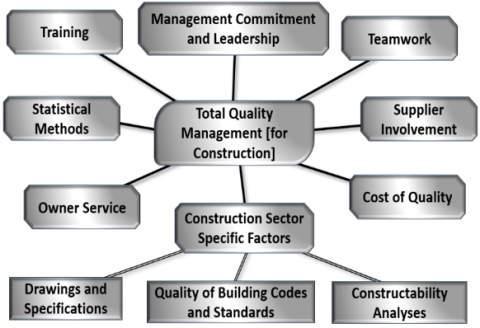
Many industries have improved performance, efficiency, and resource optimisation due to multidisciplinary quality management breakthroughs in recent decades [1]. Industry innovations like Just-in-Time (JIT), Lean Manufacturing (LM), Six Sigma (6σ), and Business Process Reengineering (BPE) have improved coordination, waste reduction, and supply chain reliability [2-4]. The Total Quality Management (TQM) philosophy of constant enhancement, customer satisfaction, staff engagement, and data-driven decision-making stands out [5]. Yet, some researchers modified these principles to match quality needs in construction [5-7], as illustrated in Figure 1.
Toyota developed and implemented TQM in the automotive industry to reduce production losses and inefficiencies through quality control and employee empowerment. With increased productivity, adaptability, and supplier collaboration, Toyota made TQM a global standard. From the 1970s, it spread to other industries, including construction. Many global organisations have used TQM to streamline operations, reduce variability, and improve service delivery in complex and uncertain environments [6, 7].
Figure 1. Main TQM elements in construction [4, 5]
Construction has been slower to adopt TQM than manufacturing due to its fragmented structure, project-based nature, and resistance to standardisation. Its dynamic nature, multi-stakeholder coordination, and frequent project customisation make unified quality systems difficult to implement. Quality-driven transformation is slower in developing countries due to infrastructure and organisational constraints. TQM and innovative construction technologies are now essential for long-term growth and competitiveness as construction modernizes [8].
Iraq has three substantial knowledge gaps that can be prioritised. First, there are few empirical studies on how TQM can directly support innovative construction methods like P&MC and PPC. Second, less TQM awareness and application among Iraqi construction sector (ICS) professionals and decision-makers hinders its implementation. Third, context-specific frameworks that integrate TQM with emerging construction technologies to restore Iraq's infrastructure are scarce. Project performance, quality, and efficiency in meeting rapid population growth-driven urban demands have suffered due to these challenges [9, 10].
This paper examines Iraqi building professionals' views on TQM's role in P&MC and PPC technology adoption to fill these gaps. A customised conceptual framework is proposed to guide the ICS towards a more efficient, quality-driven, and innovative construction environment. The study shows how TQM can drive digital transformation and sustainable development in Iraq's built environment sector [9].
The multiple successful outcomes of TQM enabled its broad scale adoption in diverse disciplines, like food manufacturing [11], pharmaceutical and drug production [12], services [13], and large-scale manufacturing sectors, such as ships and aircrafts [14]. Similar to its slow pace of adoption of various new technological solutions, the construction sector universally was slow to adopt TQM. Major reasons are correlated to the resistance to change, large budget essential to adopt different technological solutions, the necessity for sufficient digitalization skills and knowledge, substantial technological infrastructure, low construction management commitment, and main focus on owner needs [15].
For construction, TQM is substantial since it supplies diverse areas of quality outcomes for all construction project stakeholders. TQM enables construction top management to continuously measuring the performance and achievement of tasks and taking necessary records of progress quality in projects, ensuring that they comply to TQM standards [16]. Future TQM application in new projects can be enhanced because of quality documentations of past projects [17]. TQM facilitate construction top management commitment to leadership [18]. It aids chief engineers in reducing building costs and material wastes, keeping committed to quality [19]. Engineers can be empowered through TQM’s criteria by rewarding systems and incentives [20]. Top management can utilize TQM to foster decision making efficiency [21]. Besides, TQM can help project managers and contractors achieve many owners’ requirements, matching universal construction and building codes [22]. With continual quality estimations, TQM can enhance contracting companies’ competitiveness in the global construction market [23]. In addition, construction suppliers can share in advancing quality and TQM outcomes of projects through their collaboration [24].
Actually, these TQM outcomes are influential for construction since project managers and contractors face permanently significant problems, reflected in cost overruns and submission delays whose poor management would result in lengthy claims and disputes. As seen from TQM advantages, TQM can support construction consultants and contractors in identifying probable faults earlier, helping prevent later costly issues. Additionally, from these benefits, TQM can minimize diverse sources of risks.
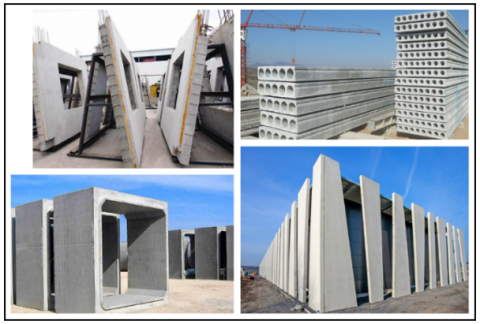
The relevance of this paper is reflected in distinguishing key strengths, driving indicators, and main obstacles of TQM adoption in P&MC mode, specifically the PPC technology, as shown in Figure 2, among Iraqi construction professionals. Construction speaking, there is a considerable knowledge gap in the knowledge body concerning the importance of these new, feasible, and practical construction technologies in the Middle East and North Africa (MENA), especially for swift, high-quality rehabilitation of extremely damaged urban infrastructure, like that of many Iraqi cities. Another knowledge gap to be bridged by this study is to highlight pivotal TQM roles in creating optimum-quality environment in P&MC factories.
Figure 2. Various PPC units to facilitate rapid, practical, and efficient large facilities construction [25]
More importantly, some practical implications are discussed. Engineers locally and universally need such practical implications, additional evidence-based practices, facts, and successful examples of P&MC to enable efficient and flexible implementation. P&MC style and PPC technology can offer construction decision makers, city municipalities locally and universally with some revolutionary, rapid, and functional solutions for accommodation to match dramatic population growth [25]. Finally, a conceptual framework is provided to identify strategies, which can facilitate flexible, feasible, and practical adoption of P&MC and the PPC technology. The current paper’s sequence is as follows:
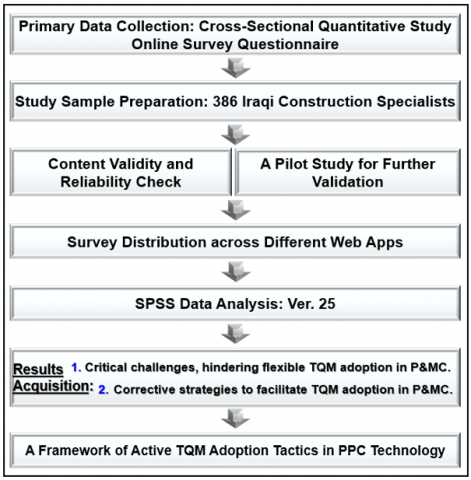
The current research relies on a primary data collection strategy; cross-sectional quantitative approach. Online survey questionnaires (OSQs) are prepared, validated, and distributed, as shown in Figure 3. After data analysis is conducted, a framework is created to direct all construction actors and academic experts to apply critical TQM tactics in regular construction and in P&MC and PPC technology.
Figure 3. The research methodology followed in this paper
3.1 OSQ design
To design the OSQ, firstly, the main OSQ is created, formulating five dimensions. Under each dimension, closed-ended four questions (clauses) are considered. These dimensions, shown in bold font style in section 3.2, are chosen from the consultation of academic consultants in some Iraqi universities from the construction department. They are also derived from the revision of the considerably cited and stressed dimensions in many publications in the available literature [26, 27].
3.2 Hypothesis formulation and research questions
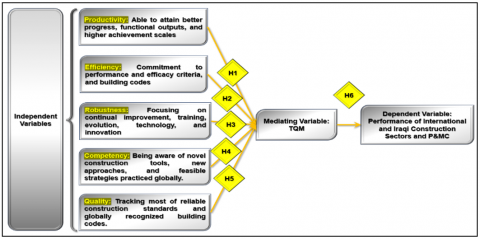
The OSQ is going to validate a few hypotheses that illustrate the main objectives of this study building on the main dimensions of the survey. The correlation between the independent, dependent, and mediating variables can be displayed in Figure 4. The study hypotheses can be expressed as follows:
In addition, the OSQ is going to answer some research questions, as follows:
Figure 4. Effects and correlations between study’s independent and dependent variables
3.3 The OSQ’s facial and content validity and reliability
Four strategies of validation are exploited to raise OSQ’s reliability, clarity, and efficiency to collect respondents’ data as will be explained. Thus, vague clauses and misconceptions can be eliminated.
3.3.1 Facial validity
Some Iraqi academic construction consultants carefully read and estimate if the formulated clauses of the overall OSQ are clear, plain of sensitive expressions, and do not correspond to negative personal understanding among participants. Referring to the editorial viewpoint on facial validity [28], the latter can be administrated by psychological experts to whom the OSQ form is sent to criticize, carefully examine, and predict ambiguous concepts, contradicting notations, or personally sensitive expressions, when respondents find and feel when answering each closed-ended clauses in the survey. Accordingly, the statements under each dimension are corrected and validated to exclude these issues.
3.3.2 Content validity
In comparison to facial validity, through content validity, construction academic advisors can read carefully the whole content of the OSQ form, including its clauses, dimensions, and the welcoming text that require providing demographic data. They ensure that the content is intended and formulated to efficiently measure and correctly collect the necessary data to be collected. In other words, the content validity expresses the scale to which single items could suitably capture the theoretical content of the construct [29]. Academic Iraqi construction experts have carefully examined each article and ensured its reliability, efficiency, and goal to estimate the essential data from participants.
3.3.3 Cronbach’s alpha index
To assess the research instrument’s reliability (or stability), the Cronbach’s Alpha index is utilized. Cronbach’s Alpha estimates the internal consistency of the OSQ outcomes. Studies suggest that the coefficient of Cronbach’s Alpha should equal not less than 0.70 to provide sufficient reliability and internal consistency rates to the OSQ [29]. The results of the Cronbach’s Alpha estimation of the current OSQ can be expressed in Table 1. Table 1 indicates that the variables within the survey exhibited Cronbach’s Alpha values spanning from 63% to 80%. The total Cronbach’s Alpha index reached 90%, indicating satisfactory values.
Table 1. Statistical analytical results on the OSQ’s validity and reliability
|
Variables |
No. of Items |
Cronbach’s Alpha |
Coefficient of Self-Validity |
|
Productivity of the ICS (DV) |
4 |
0.66 |
0.81 |
|
Efficiency of the ICS (DV) |
4 |
0.68 |
0.82 |
|
Robustness of the ICS (DV) |
4 |
0.77 |
0.88 |
|
Competency for the ICS (DV) |
4 |
0.80 |
0.89 |
|
Quality of the ICS (DV) |
4 |
0.65 |
0.81 |
|
Total Quality Management (TQM) (IDV) |
4 |
0.63 |
0.79 |
|
Overall Questionnaire |
24 |
0.90 |
0.95 |
|
(DV): Dependent Variable; (IDV): Independent Variable. |
|||
3.3.4 Pilot study
Pilot studies are a fourth important OSQ reliability and validity test. According to Sarmah and Hazarika [30], pilot studies typically have 12–30 participants. Using random sampling, 20 experienced Iraqi construction professionals were selected for a pilot study, excluding junior engineers to reduce bias [31]. The OSQ items were evaluated for clarity, internal consistency, and practicality. This pilot confirmed the instrument's suitability, so it was finalised and distributed to 382 construction professionals using the Krejcie and Morgan [32] formula. As shown in Table 2, the pilot phase showed a self-validity coefficient of 79% to 89% and an overall coefficient of 95%, exceeding the minimum 60% threshold for social research [33].
Table 2. Critical outcomes of the demographic databases attained from the survey questionnaire
|
Demographic Variable |
Overall No. = 386 |
Percentage (%) |
|
Gender |
||
|
Male |
239 |
61.92 |
|
Female |
147 |
38.08 |
|
Age |
||
|
20-30 |
74 |
19.17 |
|
30-40 |
105 |
27.20 |
|
40-50 |
102 |
26.42 |
|
51 and above |
105 |
27.20 |
|
Qualification |
||
|
Bachelor |
104 |
26.94 |
|
Master |
141 |
36.53 |
|
Doctorate |
126 |
32.64 |
|
Other (Diploma) |
15 |
03.89 |
|
Experience |
||
|
5 to 10 years |
19 |
04.92 |
|
11 to 15 years |
126 |
32.64 |
|
16 to 20 years |
108 |
27.98 |
|
More than 21 years |
133 |
34.46 |
|
Work Position |
||
|
Senior Site |
121 |
31.35 |
|
Chief Engineer |
106 |
27.46 |
|
Top Manager |
98 |
25.39 |
|
Construction Consultant |
61 |
15.80 |
3.4 Study sample identification
Krejcie and Morgan formula is utilized to estimate the study sample as follows [34]:
$N=\left(\frac{x^2 \times p \times(1-p) \times n}{d^2 \times(1-p)}+x^2 p(1-p)\right)$ (1)
where,
N: The estimated study sample
n: The overall size of the study population (54,000 experienced Iraqi construction engineers (filtered))
x2: Chi-square value for one degree of freedom (3.841) at a confidence level of 0.95
p: The population index
d: The proportion of error that can be avoided (= 0.05)
As can be shown from the term, n, not all Iraqi engineers were included in the OSQ. Only high-experienced engineers were covered. The reason of this filtering process is to reduce bias, errors, and unwanted answers that may correspond to low-quality statistical data during SPSS analysis.
By substituting the corresponding values in this equation, the resulting N value is 382. However, more than 382 OSQ forms (400 OSQs) have been distributed to the Iraqi construction specialists to consider invalid answers. 391 forms have been retrieved, giving a response rate of 97.75%. 9 of those returned forms were invalid; thus excluded. Therefore, the quantitative survey data analysis was conducted on a final number of 382 valid forms, which achieves the survey Morgan number (N=382).
3.5 Data analysis
The data analysis was conducted by the Statistical Package for Social Sciences (SPSS) software of version of 25. SPSS can identify statistically significant correlations between independent and dependent variables, which include, here, predicting influential TQM impacts on the universal and ICS to implement different construction innovations, like P&MC and PPC technology.
The cross-sectional study also utilized descriptive statistical strategy to provide further evaluation of the robustness of the study’s research questions and hypotheses. Descriptive Statistical analysis investigates the study sample’s properties, notably the arithmetic means and standard deviations, σ, allowing for a better understanding of the data and its effectiveness among the broader study population.
3.6 The Likert scale and arithmetic average interpretation
The 5-point Likert scale is considered to interpret the level of satisfaction of participants [34]. Accordingly, the arithmetic average values are classified into three main categories as follows:
3.7 OSQ results
3.7.1 OSQ’s demographic data
Table 2 shows the sample study’s demographic data. It can be inferred from Table 2 that the number of male participants was 239 (61.92%), which was higher than female participants, 147 individuals (38.08%) due to official and site construction position requirements of this sector.
It can also be noted that 74 individuals of the overall study sample had an age between 20 and 30 years old, corresponding to 19.17%. In comparison, 105 engineers (or 27.20%) had an age between 30 and 40 years old. Meanwhile, 102 engineers (26.42%) had an age of 40 to 50 years old. Additionally, 27.20% of the study sample, i.e., 105 engineers, had an age of 51 years old and above. The age demographic index expects that very abundant experience is prevalent among the study sample.
Regarding the qualification, 26.94% of the overall study sample’s engineers (or 104 individuals) have a bachelor’s degree in construction engineering. 36.53% (or 141 engineers) have a master’s degree in construction or other discipline besides their civil engineering bachelor degree. 32.64% engineers (or 126) had a doctorate degree. Finally, only 15 engineers (or 03.89%) have a diploma in engineering. Therefore, it can be said that the levels of academic knowledge and qualification scales among the surveyed construction engineers are very satisfactory and considerable.
Concerning the experience, the OSQ results tell that construction engineers with an experience of 5 to 10 years are only 19, reaching 04.92% of the total study sample. Comparatively, those with experience years from 11 to 15 are 126, i.e., 32.64%. Also, those with experience from 16 to 20 years amount to 108 professionals or 27.98%. However, there are higher percentage of construction consultant engineers, whom experience is 21 years and over, contributing to 34.46%.
From the work position demographic data, it was found that seniors and chiefs numbers are 121 and 106, contributing to 31.35% and 27.46%, respectively. While the number of top construction managers reaches 98, i.e., 25.39% of the study sample. Construction consultants number is 61 (or 15.80%).
Referring to these outputs of age, qualification, and experience demographic data, a conclusion can be drawn that the total outcomes of this OSQ would supply considerable contributions and imperative statistical facts because of very enhanced values of each index of the demographic data.
3.7.2 Different TQM impacts on the universal and Iraqi construction sectors
Results on the arithmetic mean, σ, and ranking of the OSQ, concerning the effects of TQM principles on the Iraqi building sector’s productivity, can be displayed in Table 3.
Table 3. Means, σ, and rankings of TQM impacts on the Iraqi and global building sectors’ productivity
|
No. |
Item |
Mean |
SD |
Evaluation |
|
To which extent do you think that: |
|
|||
|
1 |
TQM implementation in the Iraqi and global construction sectors, mainly P&MC and PPCT, could effectively enhance its productivity? |
3.71 |
0.386 |
High |
|
2 |
TQM adoption in the Iraqi and global construction sectors, especially P&MC and PPCT, could positively upgrade project coordination and communication to facilitate progress completion? |
3.75 |
0.378 |
High |
|
3 |
TQM application in the Iraqi and global construction sectors, certainly P&MC and PPCT, could better manage diverse construction projects’ office activities and site tasks? |
3.81 |
0.246 |
High |
|
4 |
TQM utilization in the Iraqi and global construction sectors, particularly P&MC and PPCT, could control productivity scale by alleviating challenging delay issues? |
3.76 |
0.373 |
High |
|
General Mean |
3.76 |
High |
||
It can be inferred from Table 3 that the study sample uncovered higher satisfaction rate with TQM adoption significance to achieve enhanced productivity for ICS and P&MC locally and universally. They explained their agreement that active TQM adoption could positively facilitate project coordination, communication, and collaboration in favor of progress completion. Additionally, they confirmed TQM’s rationale to efficiently manage multiple construction tasks and complex progress activities, like those existing in some infrastructure large projects. Additionally, surveyed Iraqi engineers affirmed that, by TQM, engineers could enhance productivity control by alleviating common delays issues.
Iraqi construction experts also stressed the importance of TQM to foster the efficiency of ICS and P&MC, as can be realized in Table 4. They were satisfied to beneficial TQM roles in minimizing wastes of important construction resources, like cost, time, labor, energy, and material. Thus, they exhibited their great agreement to TQM relevance to supply better resource allocation in projects. Besides, they affirmed the significance of TQM to resolve a substantial challenge of rework, which trigger conflicts, complex claims, and lengthy disputes.
Table 4. Means, σ, and rankings of TQM impacts on the Iraqi and global building sectors’ efficiency
|
No. |
Item |
Mean |
SD |
Evaluation |
|
To which extent do you believe that: |
||||
|
1 |
TQM implementation in the Iraqi and global construction sectors, mainly P&MC and PPCT, could effectively enhance its efficiency? |
3.71 |
0.398 |
High |
|
2 |
TQM application in the Iraqi and global construction sectors, certainly P&MC and PPCT, could reduce wastes of critical construction resources, like time, cost, and labor? |
3.72 |
0.401 |
High |
|
3 |
TQM utilization in the Iraqi and global construction sectors, particularly P&MC and PPCT, could supply better resource allocation? |
3.76 |
0.372 |
High |
|
4 |
TQM adoption in the Iraqi and global construction sectors, especially P&MC and PPCT, could help achieve significant progress effectiveness by reducing rework problems, human labor errors, and flaws? |
3.74 |
0.394 |
High |
|
General Mean |
3.73 |
High |
||
In Table 5, the surveyed Iraqi construction consultants have substantially confirmed TQM benefits to amend the robustness and functionality of ICS and P&MC. They highly agreed that TQM could positively enhance their long-term sustainability, track technologies, innovations, cutting-edge construction solutions, and promote ICS’s adaptability to the construction market, characterized by its permanent changes, uncertainties, and disturbances.
Table 5. Means, σ, and rankings of TQM impacts on the Iraqi and global building sectors’ robustness
|
No. |
Item |
Mean |
SD |
Evaluation |
|
To which extent do you think that: |
||||
|
1 |
TQM implementation in the Iraqi and global construction sectors, mainly P&MC and PPCT, could effectively enhance its robustness and functionality? |
3.78 |
0.353 |
Medium |
|
2 |
TQM adoption in the Iraqi and global construction sectors, especially P&MC and PPCT, could positively enhance long-term sustainability? |
3.76 |
0.371 |
Medium |
|
3 |
TQM application in the Iraqi and global construction sectors, certainly P&MC and PPCT, could enable its substantial tracking of technologies, innovations, and cutting-edge construction solutions? |
3.76 |
0.372 |
Medium |
|
4 |
TQM utilization in the Iraqi and global construction sectors, particularly P&MC and PPCT, could promote its adaptability to ever changing economic situations and significant uncertainties in the global construction market? |
3.72 |
0.399 |
Medium |
|
General Mean |
3.76 |
Medium |
||
In Table 6, construction professionals exhibited their greater agreement to various TQM roles in fostering the competency and competitiveness of the ICS and P&MC in the global construction market. They were satisfied that TQM could positively influence significant reputation and image of the ICS and P&MC universally. They were also satisfied that TQM can enhance the scales of strategic partnerships and regional collaborations with other universal construction companies. Besides, they had a substantial agreement to the TQM rationale to raise confidence, reliability, and trust in latest innovations, like P&MC and PPC technology.
In Table 7, the surveyed Iraqi construction specialists significantly agreed on TQM role in promoting the quality of the conventional ICS and P&MC. They reported their substantial satisfaction to TQM importance in urging construction managers and contractors to implement different types of international construction standards to improve the overall projects’ quality. They expressed TQM rationale to support construction consultants in monitoring quality by diverse quality strategies. They showed their confirmation towards TQM to optimize construction performance, efficiency, and quality.
Table 6. Means, σ, and rankings of TQM impacts on the Iraqi and global building sectors’ competency
|
No. |
Item |
Mean |
SD |
Evaluation |
|
To which extent do you think that: |
||||
|
1 |
TQM implementation in the Iraqi and global construction sectors, mainly P&MC and PPCT, could raise its competency and competitiveness in the global construction market? |
3.81 |
0.253 |
High |
|
2 |
TQM adoption in the Iraqi and global construction sectors, especially P&MC, could positively impact its significant reputation and image in the global construction environment? |
3.78 |
0.279 |
High |
|
3 |
TQM utilization in the Iraqi and global construction sectors, particularly P&MC, could foster its strategic partnerships and regional collaborations in the global construction market? |
3.76 |
0.376 |
High |
|
4 |
TQM application in the Iraqi and global construction sectors, certainly P&MC, could supply preferable construction investment environment, confidence, and reliability in it? |
3.87 |
0.142 |
High |
|
General Mean |
3.81 |
High |
||
Table 7. Means, σ, and rankings of TQM impacts on the Iraqi and global building sectors’ quality
|
No. |
Item |
Mean |
SD |
Evaluation |
|
To which extent do you consider that: |
||||
|
1 |
TQM utilization in the Iraqi and global construction sectors, particularly P&MC and PPCT, could offer an overall quality improvement? |
3.92 |
0.011 |
High |
|
2 |
TQM application in the Iraqi and global construction sectors, certainly P&MC and PPCT, could foster implementation of different necessary building codes and international standards? |
3.78 |
0.277 |
High |
|
3 |
TQM adoption in the Iraqi and global construction sectors, especially P&MC and PPCT, could enable active consideration of high-performance approaches to monitor quality? |
3.83 |
0.247 |
High |
|
4 |
TQM implementation in the Iraqi and global construction sectors, mainly P&MC and PPCT, could upgrade its construction effectiveness, reliability, potential, and quality? |
3.86 |
0.238 |
High |
|
General Mean |
3.85 |
Medium |
||
Table 8. The mean, σ, and rank of responses of TQM impacts on the ICS
|
No. |
Item |
Mean |
SD |
Evaluation |
|
To which extent do you believe that: |
||||
|
1 |
TQM principles are actively and sufficiently implemented in various Iraqi construction projects? |
2.21 |
0.438 |
Low |
|
2 |
There is efficient adoption of reliable quality strategies and TQM documentations, tracking, and performance measurement of Iraqi construction projects? |
2.18 |
0.347 |
Low |
|
3 |
TQM principles could optimize the efficiency, progress completion, management, and risk alleviation of Iraqi construction projects? |
3.73 |
0.403 |
High |
|
4 |
Iraqi construction management, contractors, and construction companies are committed to supply necessary training and education to different TQM approaches and frameworks? |
3.44 |
0.387 |
Medium |
|
General Mean |
2.89 |
Low |
||
Nonetheless, in Table 8, a significant gap is noted concerning sufficient TQM adoption in the ICS. Also, the OSQ uncovered another gap, mirrored in the shortage of provision of necessary training courses and educational sessions of TQM fundamentals in construction. The reasons are due to lower perceptions and awareness. These data can be noted in the table as low satisfaction rates. The surveyed Iraqi construction experts have highly confirmed TQM significance for optimizing the efficiency, progress completion, and risk management of Iraqi construction projects. The outcomes of the OSQ study are consistent with Likita et al. [35] and Tan et al. [36], who expressed TQM importance for the ICS to enhance its outcomes, mainly its performance, contributions, and quality.
3.8 Research’s practical implications and the study’s conceptual framework
This study is intended to uncover critical practical feasibilities of novel construction advancements and new technologies to implement in the global and ICS. Developing lands can benefit from these outcomes to mushroom the performance, productivity, efficiency, robustness, competency, and quality control of construction projects. Regular documentation can help provide a good TQM archive to which construction managers, contractors, and consultants can refer in future projects to provide suitable guidelines to direct their projects into success and prevent common annoying, time-consuming issues, mainly conflicts, claims, and disputes.
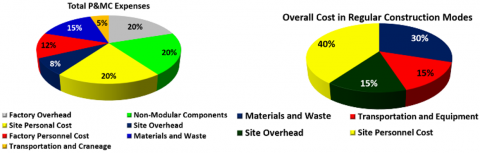
A summarizing key points is drawn in Table 9 and Figure 5, identifying major differences between regular, costly, time-consuming construction and feasible P&MC and the PPC technology.
Also, the practical implications of this study are translated in identifying prevalent TQM key drivers to which construction professionals can commit to apply TQM efficiently in many construction projects by the study’s conceptual framework. Simultaneously, challenging barriers are classified to raise awareness among professionals to avoid them. Additionally, construction actors can consider these challenges to resolve and manage for public and private construction companies.
Not to forget innovative P&MC and PPC technology, global, Iraqi construction experts in developed, developing, and underdeveloped nations can consider such advancements to conduct high-pace, accurate, quality-connected, and cost viable procedures of construction, rehabilitation, and management of many accommodation issues facing communities due to rapid population growth.
Lands can benefit from early P&MC and PPC prosperous trials performed by Japan, Australia, the USA, and some European countries to implement such construction breakthroughs.
Figure 5. Feasibility comparative analysis between regular, P&MC, and PPC technology (Author, 2025)
Table 9. A comparative analysis between regular and P&MC modes [12]
|
No. |
Comparison Type |
Conventional Construction |
P&MC |
|
|
1 |
Overall Cost |
More Significant |
$\cong$ Low (Vary on the Facility size) |
|
|
2 |
Life Cycle/ Feasibility of Facility |
More Significant |
5% Less than Regular Houses |
|
|
3 |
Needed Facility Effort |
Remarkably Huge |
Highly Low (Automated Processes) |
|
|
4 |
Produced GHG Emissions |
Very Significant (40% High) |
Lower 5% than Regular Facilities |
|
|
5 |
Efficiency of Construction |
Moderate |
Large |
|
|
6 |
Noted Fabrication Issues |
Acoustic Constraints |
Can Be Controlled |
Improved in New P&MC Facilities |
|
Seismic Behavior |
Facilities Have No Seismic Codes |
Amended in New P&MC Facilities |
||
|
Thermal Resistance |
Needs Insulation in Summer & Winter |
High (Low thermal bridges) |
||
|
Energy Consumption |
High. It needs Feasible Insulation |
Low. It Utilizes Insulation Materials |
||
|
Load Bearing Effects |
More Significant |
Larger Load-Bearing Features |
||
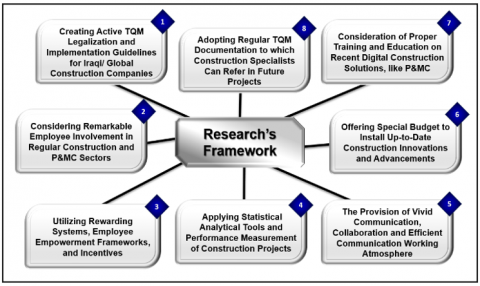
Figure 6. The overall article’s framework
Also, for construction actors, the surveyed Iraqi construction specialists distinguished that quality and TQM fundamentals are not sufficiently applied in the ICS, needing active documentation strategies and performance tracking, to upgrade the prevalence and application of P&MC and PPCT technology.
Ultimately, stakeholders are encouraged to review the research framework's integrated set of strategic solutions (Figure 6) to assist Iraq and similar regions' construction sectors become more robust, efficient, and competitive in the global construction market. Based on academic insights and local construction consultant input, this framework offers a novel synthesis by bridging TQM principles with prefabricated and modular construction (P&MC) adoption pathways, including prestressed precast concrete. It evaluates global best practices within Iraqi construction's digital, institutional, and technical constraints, making it unique. This targeted action plan should help public and private decision-makers improve growth, digital evolution, and innovation adoption.
This work was conducted to bridge a number of knowledge gap, reflected in the necessity for guidelines, statistical facts, and sufficient analysis concerning TQM importance and contributions to raise the adoption effectiveness and prevalence of cutting-edge construction advancements, like P&MC. The study focuses generally on the construction sector in all lands. However, a special attention is given to the ICS to highlight restricting problems and bounding barriers to consider TQM in regular and innovative construction styles. OSQs were utilized, covering high-experienced Iraqi construction consultants. From the SPSS data analysis, the critical research findings can be summarized as follows:
TQM adoption is functional and influential in global and Iraqi construction companies as it helps provide high-performance statistical data, quality facts, and guidelines for construction professionals to implement P&MC flexibly.
Hierarchical cultural construction management, management’s less commitment to latest technological solutions tracking, lack of TQM training, shortage of TQM guidelines, significant needed budget, low TQM documentation, insufficient number of TQM experts in construction, and focus on satisfying project owner needs, express the main obstacles of active TQM implementation.
The OSQ uncovered statistically significant correlation of pivotal TQM impacts to enhance the Iraqi and global construction sectors’ productivity, efficiency, robustness, competency, and quality, implying very high satisfaction among surveyed Iraqi construction professionals to adopt such important concepts.
P&MC, according to surveyed Iraqi construction consultants, confirmed by the available literature, is a substantial construction breakthrough on which many lands can rely to rehabilitate damaged massive metropolitan city infrastructure or solve challenging accommodation problems as of dramatic population increase, contributing to notable and significant scales of savings in cost, time, labor, and material, besides its high-potential control of quality and accuracy, and risk alleviation.
Corresponding solutions to overcome these problematic impediments of TQM application include active TQM documentation, collaboration, communication, and coordination working atmosphere, adopting rewarding systems and incentives, employee empowerment in construction, TQM training and conducting continuous statistical analysis of project performance and quality control indices.
It is recommended after completing this study to conduct further analytical research and some activities to strengthen its current outcomes and amend its practicality. These critical future work include:
Jasem: Investigation, Construction, P&MC, Civil Engineering, Survey Questionnaire, Statistical Analysis, PPC technology, Conceptualization, Site Inspection.
[1] Makwana, A.D., Patange, G.S. (2021). A methodical literature review on application of Lean & Six Sigma in various industries. Australian Journal of Mechanical Engineering, 19(1): 107-121. https://doi.org/10.1080/14484846.2019.1585225
[2] Gomaa, A.H. (2025). Achieving operational excellence in manufacturing supply chains using lean six sigma: A case study approach. International Journal of Lean Six Sigma. https://doi.org/10.1108/IJLSS-03-2024-0045
[3] Permana, A., Purba, H., Rizkiyah, N. (2021). A systematic literature review of Total Quality Management (TQM) implementation in the organization. International Journal of Production Management and Engineering, 9(1): 25-36. https://doi.org/10.4995/ijpme.2021.13765
[4] Othman, I., Ghani, S.N.M., Choon, S.W. (2020). The total quality management (TQM) journey of Malaysian building contractors. Ain Shams Engineering Journal, 11(3): 697-704. https://doi.org/10.1016/j.asej.2019.11.002
[5] Arditi, D., Gunaydin, H.M. (1997). Total quality management in the construction process. International Journal of Project Management, 15(4): 235-243. https://doi.org/10.1016/S0263-7863(96)00076-2
[6] Kenneth, H.R. (2005). Project Quality Management: Why, What and How. Reading: Textbook. Publisher: J. Ross Publishing. Location: Fort Lauderdale, USA.
[7] Femi, O.T. (2015). Barriers and benefits of total quality management in the Nigerian construction industry: A review. International Journal of Engineering Works, 2(1): 7-13. https://core.ac.uk/download/pdf/30444828.pdf
[8] Amasaka, K. (2022). Examining a New Automobile Global Manufacturing System. Reading: Textbook. Publisher: IGI Global. Hershey, New York, USA.
[9] Belrzaeg, M. (2025). The evolution of total quality management: from manufacturing to knowledge-based industries. Eurasian Journal of Humanities and Education Research (EJHER), 32-49. https://eurasian-journals.com/index.php/ejher/article/view/5.
[10] Hosono, A. (2020). Kaizen toward learning, transformation, and high-quality growth: Insights from outstanding experiences. Workers, Managers, Productivity: Kaizen in Developing Countries, 45-67. https://doi.org/10.1007/978-981-15-0364-1_3
[11] Mohammed, S.M., Aminu, S.H. (2023). Measures for mitigating the critical barriers to total quality management implementation in the Nigerian construction industry. Journal of Contemporary Research in the Built Environment, 7(1).
[12] Khan, M.O.M. (2024). Impact of total productive maintenance, total quality management and lean practices on operational performance in Pharmaceutical Industry of Pakistan: An empirical study on anti-hypertensive drugs. Review of Applied Management and Social Sciences, 7(4): 1139-1156. https://doi.org/10.47067/ramss.v7i4.474
[13] Mohsin, M., Shamsudin, M.N., Jaffri, N.R., Idrees, M., Jamil, K. (2024). Unveiling the contextual effects of total quality management to enhance sustainable performance. The TQM Journal, (Ahead-of-Print), 37(3): 680-708. https://doi.org/10.1108/TQM-05-2023-0124
[14] Ohno, I., Mekonen, G.T. (2023). National movements for quality and productivity improvement with local adaptation: The experience of Japan and Singapore. In Introducing Foreign Models for Development: Japanese Experience and Cooperation in the Age of New Technology. Singapore: Springer Nature Singapore, pp. 105-136. https://doi.org/10.1007/978-981-99-4238-1_4
[15] Regona, M., Yigitcanlar, T., Xia, B., Li, R.Y.M. (2022). Opportunities and adoption challenges of AI in the construction industry: A PRISMA review. Journal of Open Innovation: Technology, Market, and Complexity, 8(1): 45. https://doi.org/10.3390/joitmc8010045
[16] Egwunatum, S.I., Anumudu, A.C., Eze, E.C., Awodele, I.A. (2022). Total quality management (TQM) implementation in the Nigerian construction industry. Engineering, Construction and Architectural Management, 29(1): 354-382. https://doi.org/10.1108/ECAM-08-2020-0639
[17] Sweis, R.J., Jaradat, M. (2022). Project management performance of construction projects in Jordan: A comparative study of ISO 9001-certified and non-certified companies. The TQM Journal, 34(5): 1341-1364. https://doi.org/10.1108/TQM-02-2021-0060
[18] Kwame, A.S., Emmanuel, T., Ofori, A.S. (2024). Leadership and top management influence on total quality management implementation in the Ghanaian Construction Industry. Journal of Building Construction and Planning Research, 12(2): 37-51. https://doi.org/10.4236/jbcpr.2024.122002
[19] Alawag, A.M., Alqahtani, F.K., Alaloul, W.S., Liew, M.S., Baarimah, A.O., Al-Mekhlafi, A.B.A., Sherif, M.A. (2024). Developing framework for implementing total quality management (TQM) in sustainable industrialized building system (IBS) in construction projects. Sustainability, 16(23): 10399. https://doi.org/10.3390/su162310399
[20] Jabi, I., Faour, M., Saleh, Y. (2024). Impact of total quality management on the sustainable performance in the Palestinian construction industry. The TQM Journal. https://doi.org/10.1108/TQM-05-2024-0174
[21] Moshood, T.D., Rotimi, J.O., Shahzad, W. (2024). Enhancing construction organizations’ performance through strategic decision-making: Unveiling the mediating role of quality of information. International Journal of Organizational Analysis. https://doi.org/10.1108/IJOA-01-2024-4228
[22] Alawag, A.M., Alaloul, W.S., Liew, M.S., Baarimah, A.O., Musarat, M.A., Al-Mekhlafi, A.B.A. (2023). The role of the total-quality-management (TQM) drivers in overcoming the challenges of implementing TQM in Industrialized-Building-System (IBS) projects in Malaysia: Experts’ perspectives. Sustainability, 15(8): 6607. https://doi.org/10.3390/su15086607
[23] Abualrub, A., Al-Sharif, M., Twaissi, N.M., Alleimoun, A. (2024). The mediating role of total quality management in the relationship between value engineering and competitive advantage in the contracting sector in Jordan. Tianjin Daxue Xuebao, 57(3): 319-334. https://doi.org/10.5281/zenodo.10897320
[24] Yiming, L., Yiming, L., Pornsing, C. (2024). Barriers and enablers to total quality management in construction projects: A case of construction projects in Kunming, The People’s Republic of China. Doctoral dissertation, Silpakorn University. http://ithesis-ir.su.ac.th/dspace/handle/123456789/5342.
[25] Boafo, F.E., Kim, J.H., Kim, J.T. (2016). Performance of modular prefabricated architecture: Case study-based review and future pathways. Sustainability, 8(6): 558. https://doi.org/10.3390/su8060558
[26] Riaz, H., Khan, K.I.A., Ullah, F., Tahir, M.B., Alqurashi, M., Alsulami, B.T. (2023). Key factors for implementation of total quality management in construction Sector: A system dynamics approach. Ain Shams Engineering Journal, 14(3): 101903. https://doi.org/10.1016/j.asej.2022.101903
[27] Alawag, A.M., Alaloul, W.S., Liew, M.S., Al-Aidrous, A.H.M., Saad, S., Ammad, S. (2020). Total quality management practices and adoption in construction industry organizations: A review. In 2020 Second International Sustainability and Resilience Conference: Technology and Innovation in Building Designs (51154), Sakheer, Bahrain, pp. 1-6. https://doi.org/10.1109/IEEECONF51154.2020.9319992
[28] Christmann, A., Van Aelst, S. (2006). Robust estimation of Cronbach's alpha. Journal of Multivariate Analysis, 97(7): 1660-1674. https://doi.org/10.1016/j.jmva.2005.05.012
[29] Mark, S., Allen, M.S., Robson, D., Iliescu, D. (2023). Face validity: A critical but ignored component of scale construction in psychological assessment. European Journal of Psychological Assessment, 39(3): 153-156. https://doi.org/10.1027/1015-5759/a000777
[30] Sarmah, H.K., Hazarika, B.B. (2012). Importance of the size of sample and its determination in the context of data related to the schools of greater Guwahati. Bulletin of the Gauhati University Mathematical Association, 12(2012): 55-76. https://www.researchgate.net/profile/Hemanta-Sarmah-2/publication/306099484_Importance_of_the_size_of_Sample_and_its_determination_in_the_context_of_data_related_to_the_schools_of_greater_Guwahati/links/57b14a5c08aeb2cf17c47650/Importance-of-the-size-of-Sample-and-its-determination-in-the-context-of-data-related-to-the-schools-of-greater-Guwahati.pdf.
[31] Lavrakas, P.J., Traugott, M.W., Kennedy, C., Holbrook, A.L., de Leeuw, E.D., West, B.T. (2019). Experimental Methods in Survey Research: Techniques that Combine Random Sampling with Random Assignment. John Wiley & Sons. https://doi.org/10.1002/9781119083771
[32] Krejcie, R.V., Morgan, D.W. (1970). Determining sample size for research activities. Educational and Psychological Measurement, 30(3): 607-610. https://doi.org/10.1177/001316447003000308
[33] Aithal, A., Aithal, P.S. (2020). Development and validation of survey questionnaire & experimental data-a systematical review-based statistical approach. International Journal of Management, Technology, and Social Sciences (IJMTS), 5(2): 233-251. http://doi.org/10.2139/ssrn.3724105
[34] Likert, R. (1932). A technique for the measurement of attitudes. Archives of Psychology, 22: 1-55. https://psycnet.apa.org/record/1933-01885-001.
[35] Likita, A.J., Zainun, N.Y., Rahman, I.A., Awal, A.A., Alias, A.R., Rahman, M.A., Ghazali, F.M. (2018). An overview of total Quality management (TQM) practice in construction sector. IOP Conference Series: Earth and Environmental Science, 140(1): 012115. https://doi.org/10.1088/1755-1315/140/1/012115
[36] Tan, D., Liu, Q., Yang, W., Li, Y., Liu, M. (2022). Influence of quality management practice on quality performance in construction enterprises. Manufacturing and Service Operations Management, 3(1): 9-16. https://doi.org/10.23977/msom.2022.030102