Haneen A. Saleh* | Tuqa R. Alrobaee
© 2024 The authors. This article is published by IIETA and is licensed under the CC BY 4.0 license (http://creativecommons.org/licenses/by/4.0/).
OPEN ACCESS
In recent decades, the focus on the sustainability of urban spaces has become an urgent necessity due to the increasing environmental, economic and social challenges facing cities. Therefore, ecological aesthetics, which combines natural aesthetics and ecological elements, becoming a vital concept that contributes to enhancing the sustainability of urban spaces. This research aims to identify the influential factors that contribute to the implementation of ecological beauty when planning and designing urban spaces. By adopting a study methodology that includes formulating the main factors for applying ecological aesthetics in urban spaces from a theoretical framework. These factors include natural elements such as (green spaces, biodiversity, environmental awareness, site importance, sustainable urban furniture and water elements). These indicators were evaluated using statistical methods, questionnaires and field surveys. The study focuses on the city of Kufa in Najaf Governorate, a city of historical importance and a vital center. This study concluded that applying these indicators contributes to preserving the natural environment and aesthetics of urban spaces and enhancing their presence. This study also highlights the importance of integrating ecological aesthetics into urban planning to ensure the sustainability and attractiveness of urban spaces, and provides valuable insights for urban planners and decision makers.
ecological aesthetics, planning and design of sustainable urban space, Kufa
At the end of the twentieth century, planners, urban designers, ecologists and aestheticians became interested in the concept of ecological beauty as a natural response to the growing public concern about the degradation of the natural environment. To realize the importance of the environmental movement, the philosophical study of ecological aesthetics also dates back to the eighteenth and nineteenth centuries. Due to the lack of a suitable theoretical framework for the concept, the interest in landscape design was in formal qualities, but as the concept developed in more detail during the twentieth century, the focus became primarily on ecological and visual formal qualities together [1].
Ecological aesthetics has contributed to the formation of a new concept of the natural environment. Ecological aesthetics shows an effort after the acquisition of human centrality, based on the exaggeration of human subjectivity and the exploitation of nature for human benefit, without paying attention to the objectivity of nature, safety, and organic principles [2]. This approach has been abandoned and transformed towards ecological centrality, which overcomes the duality of man, calls for coexistence, and achieves balance between humans and nature. It also focuses on the fact that all creatures are equal in principle, recognizing that equality is relative rather than absolute [3].
As Maija et al. [4] indicated, identifying the characteristics of ecological aesthetics and representing them in (interaction and naturalness, cleanliness of space, maintenance of space, biodiversity and safety) through her research specializing in identifying, the type of agriculture within green spaces preferred by residents and tourists.
This study concluded that ecological aesthetics consists of spatial elements represented by natural and material environmental elements represented by types of natural environmental elements, in addition to how ecological beauty affects the different uses of natural and urban areas, and the positive impact on individuals. And on their health and maintaining ecological productivity. By relying on different ecological indicators that were developed to evaluate ecological aesthetics and ecological health in environmental design, which were divided into visual diversity, biological diversity, water element, human activities within space and environmental awareness. The study concluded that achieving a balance between aesthetic and ecological value can help create a design for urban spaces and the natural environment with better aesthetics and health for all individuals. While Lee-Haruna et al. [5] focused on clarifying the importance of applying ecological and aesthetic concepts in urban design and developing green infrastructure to protect it from climate change and environmental disasters in the study area. It explores how an ecoaesthetic approach can provide cultural, social, economic and environmental benefits for building sustainable green infrastructure systems in developing countries and resilient cities, by identifying four key areas of ecoaesthetics: biodiversity, aesthetics, culture and sustainability. Ecology and aesthetics form the fundamental principles behind ecoaesthetics and culture in relation to how People move, interact and perceive their environments, in addition to sustainability because the creation of urban landscapes is as complex as how people maintain them over the long term, especially in the study area in Sub-Saharan Africa, with a focus on Ghana, and how these aspects can be managed to achieve the sustainable development goals. The study also discussed the challenges that hinder the application of these principles, such as financial barriers, lack of awareness and land tenure, in addition to the high vulnerability of cities in the region to the effects of climate change and environmental disasters [6].
This study of Gobster et al. [7] was interested in clarifying the importance of aesthetics. Ecology and how to achieve it. Therefore, researchers divided landscapes into four main sections and their types and developed strategies for each of them to achieve ecological aesthetics as follows: they are wild landscapes, agricultural landscapes, cultural landscapes and urban landscapes represented by public urban spaces such as public parks, green spaces, squares and riverfronts. He explained that the relationship between beauty and ecology in urban landscapes is an integrative relationship and goes beyond the concept that ecological aesthetics is a descriptive concept to describe the relationship between humans and landscapes, but rather it is a standard for achieving sustainable spaces through a design strategy that includes plant diversity, space design that mimics nature and space elements, and a strategy for individuals' awareness and understanding of the importance of the environment. To achieve human well-being, preserve ecology, meet human needs and achieve vitality.
A review of recent studies and a review of previous literature that addressed multiple factors from various perspectives including cognitive (cognitive and sensory) aspects, formal and natural factors, reveals a knowledge gap in how to employ ecological aesthetics factors in urban space planning. This gap is particularly prominent in Iraqi cities that are characterized by an abundance of spaces surrounding natural factors. The importance of this research lies in identifying the natural indicators that directly affect and enhance the planning and design of urban space. These natural indicators not only contribute to the planning of various urban spaces, but also play a crucial role in improving the characteristics of urban space and ensuring its long-term sustainability. By focusing on these indicators, the aesthetics of urban space can be enhanced and made more harmonious with the natural environment, which positively reflects on the quality of life of urban spaces and the surrounding environment.
Also, through indicators of ecological beauty, some of the sustainable development goals can be achieved, as it is in line with Goal 13 "Climate Action" adopting the principles of ecological aesthetics can contribute to improving the local climate of cities and enhance their ability to adapt to changing climatic conditions, as ecological beauty helps create urban spaces that deal intelligently with climate change through natural solutions. For example, planting local trees and shrubs adapted to the city's climate [8].
In addition to Goal 15, which states "Life on Land", ecological aesthetics depends on preserving biodiversity and natural balance. It is achieved through the design of urban spaces that take into account the preservation of ecosystems and support biodiversity [9]. And Goal 17, which states "Partnerships for the Goals", as achieving ecological aesthetics in urban spaces requires cooperation between governments, institutions, environmental organizations, and local communities in relation to sustainable urban planning, protecting natural resources, and mitigating negative environmental impacts, which leads to achieving the sustainable development goals [10].
It is one of the trends of contemporary environmental philosophy that is between the aesthetic-ecological philosophical system through the use of aesthetic experience to realize the value of nature, according to the philosopher Immanuel Kant, it is something distinctive to the human race, and everyone shares it. The aesthetic appreciation of nature is more important than the aesthetic appreciation of the arts, as it is closely related morally to human life, unlike the arts. Nature combines sensory qualities and a sense of calm when viewing beautiful things, or a sense of confusion when viewing huge things [11]. It is a form of potential integration between the natural and human sciences, which follows an approach to measuring and preserving environmental resources through the use of science, design, engineering, and other methods [12]. To protect the environment, ecological health, biodiversity, and ecosystem services become more acceptable when enhancing aesthetic values in the ecological environment [13]. It encourages humanity to cooperate in order to preserve beauty and preserve the natural environment at the same time. It is also known as a set of interconnected factors that combine aesthetic characteristics and human and natural needs in the urban environment [11]. For example, combining sensory approaches in new ways by reconstructing and shaping the urban landscape in relation to people by humanizing it. Serving the human scale, people’s activities, their comfort and cognitive well-being. And design based on nature and moving away from straight paths and defined by angles [2].
Ecological aesthetics consists of two groups that include several factors:
2.1 Urban aesthetic appreciation
Urban aesthetics focuses on the appreciation of specific landscapes, which are the built environment with formal characteristics (space, mass, volume, time, movement, color, light, smell, sound, touch, movement, pattern, order, and meaning) that are designed and controlled by humans and made of materials obtained or derived from the natural world [14]. It is also based on the study of human behavior and its impact on the urban, rural, and industrial environment [15]. In addition to the cultural and natural, subjective and objective, artistic and scientific dimensions, and the social and historical dimensions of the city [16], ecological beauty also includes consideration of negative aesthetic values to address them, such as a road with noise pollution, air pollution, signs that cause visual distortion, and infrastructure services [17].
2.2 Ecological appreciation
Ecological beauty refers to the adoption of the dimension and ecological systems represented (sustainability, environmental awareness, biodiversity and ecosystem health) as an ideal model, as interest in the aesthetic appreciation of the environment attracts people to many different activities [18].
Increasing parks and gardens, hiking, camping, cycling, rowing, sailing, and even paragliding. For some, this is the main attraction of some sports, and (signs and billboards) [13] organized in a visually undistorted manner, natural lighting, urban furniture made of sustainable materials, natural and arranged green spaces, rest and entertainment areas, and multiple transportation areas. As the perception of the place through all senses together [19].
The principles of eco-aesthetics have influenced the planning and design of sustainable urban spaces, having been successfully applied in Latvia and Hanul Park in South Korea, where natural elements have been integrated into urban design to promote environmental sustainability and improve quality of life.
Sustainable space making is the process of planning, designing, managing and programming spaces to create patterns and activities in cultural, social, economic and environmental terms to achieve a better quality of life, a thriving economy and a healthy environment [20]. It is also a positive and dynamic function in planning, design and management terms, place and sustainability are complementary but not exclusive, parallel but distinct [21, 22].
In addition to creating public places with a strong sense of place, they are active, unique, interesting and visually appealing sites [23], and often contain public art, creative and recreational activities. Public spaces are people-friendly, safe, walkable and mixed-use [24]; have good building dimensions compared to the street, and provide more than one means of transportation to them. The historical structures present in the place are used when designing and preserving them and the community heritage, with a human dimension [25], also characterized by the ability to move easily within public places and along them and between them, also characterized by being comfortable, quiet and sociable, enjoying a physical fabric where people can communicate with each other and enhancing the space industry on civil participation. With these characteristics, a high-quality space is created [26].
As the space industry was the result of the relationship between action (activity), perception (person's perception), and physical qualities it demonstrates how these factors collectively influence the design and functionality of urban spaces to meet human needs and aspirations [27, 28].
There are several classifications of urban spaces, including according to ownership represented by (public space, semi-public, private, semi-private) and according to activity such as (functional, recreational, social) and at the level of the service scope (at the level of the neighborhood, district, city, region) and a classification according to the type of space represented by (green public spaces, parks and gardens, green paths and roads, squares and fields, river and sea fronts, urban natural area [29].
3.1 World leading experiences
Ecological aesthetics is a vital concept that has been successfully applied in many countries around the world, contributing to enhancing the sustainability of urban spaces and raising the quality of life. Two unique experiences in Latvia and Seoul Park in South Korea are among the most prominent examples of the application of this concept.
3.1.1 Latvia experience: Seaside Park in Liepāja
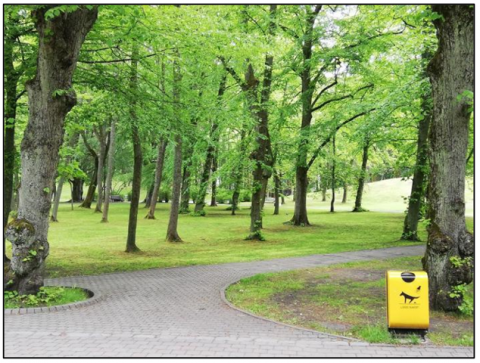
In Latvia, eco-aesthetics practices have been adopted by reorganizing public spaces and urban parks in line with sustainable environmental principles. Initiatives have focused on enhancing local biodiversity and protecting natural habitats in Latvian cities, by integrating green spaces, wetlands and native plants into urban design. These initiatives have helped improve air quality and reduce the urban heat island effect, while providing attractive and ecologically balanced environments for residents. The water element, with its river view, has also been exploited and employed within the park, making it livelier and more attractive, and providing wooden seating and umbrellas along the paths to provide comfort during visitors’ rest and informational signs. Park officials have taken care to open an information center for visitors to guide them and provide services to them when needed, and to provide volunteer teams to hold workshops and cultural seminars on environmental issues for the purpose of awareness [30, 31]. The park design focuses on green spaces and natural elements, as seen in Figure 1, where the tree-lined paths and environmental features create a sustainable and eco-friendly environment.
Figure 1. Gardens in seaside / previous source
3.1.2 South Korea's experience: Haneul Park: Seoul City
This park represents a successful experiment in transforming areas that were previously landfilled for waste and pollution into sustainable green spaces. Through urban planning based on natural elements, the park was redesigned to include urban forests, wetlands, and wildlife habitats. These green spaces are not just an aesthetic appearance, but contribute to restoring the ecological balance and reducing the impact of urban desertification, and help improve air quality and temperature in urban areas. The park relies on integrating nature into the urban environment by planting local species of plants, including tall grasses that are the park's prominent feature. The park is home to more than 22 species of local plants, creating a biodiverse environment that supports the life of local birds and insects. Small ponds and natural paths were also designed to collect rainwater [32]. A center was provided that hosts various educational activities and programs for visitors, including workshops, environmental tours, and educational programs on sustainability and recycling. The focus on environmental education aims to engage the local community and visitors in the process of protecting the environment and achieving sustainable development. And to spread their successful experience [33]. In addition to designing the urban furniture in Haneul Park in a way that is in harmony with the surrounding nature, recycled and environmentally friendly materials such as wood and rocks were used to create seating areas and public facilities. The furniture is characterized by simple and effective designs that combine functional beauty and sustainability, creating an integrated urban experience that enhances the interaction between humans and nature [34].
Figure 2 illustrates the use of rocks as signboards, reflecting the incorporation of sustainable materials and highlighting the rich variety of trees and plants in the garden.
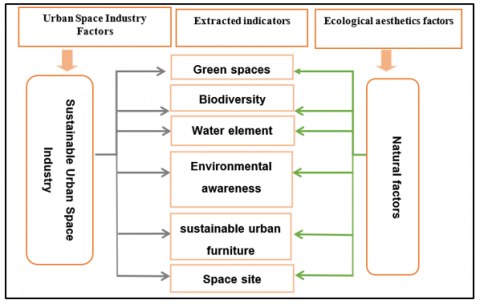
From the theoretical framework, we conclude the indicators of natural factors of ecological beauty that affect the planning and design of sustainable urban space, as shown in Figure 3.
Figure 2. Gardens in Haneul and signboards / previous source
Figure 3. Ecological aesthetic indicators for sustainable urban space industry
In the face of contemporary environmental challenges, ecological aesthetics that combine sustainability, aesthetics and ecology have become a central goal in modern city planning, especially in the sustainable urban space industry. This trend requires adopting a design approach that focuses on achieving a harmonious balance between the urban environment and nature, as this balance contributes to creating urban spaces that not only enhance the quality of life [35], but also highlight the natural beauty of the surrounding environment. By integrating ecological principles with aesthetic design elements, cities can develop sustainable urban spaces that are visually attractive and able to adapt to environmental changes, providing comfortable and attractive living environments for their residents. Therefore, this part of the research will focus on indicators related to natural factors, through which sustainable urban space is created [36, 37].
4.1 Green spaces
It is an integrated area that includes natural, semi-natural or artificial green land, and provides multiple benefits to different groups of people within the city limits. It is one of the most important factors for improving sustainability and the environment in cities. It is designed to provide a range of other ecological services including regulating the local climate, monitoring air quality, managing stormwater, and wildlife habitats in addition to recreation. And increasing the quality of life of urban residents by providing social and psychological services, including reducing stress, supporting recovery from illness, and a location that enhances the development of social ties [38]. It is of two types, either private or public spaces located in the city and includes many spaces such as greenways, sports fields, public parks, city and playgrounds, median islands and tree areas, which gives it a strong ecological value. The integration of green spaces in the city such as parks and recreational areas with urban public spaces provides spaces with a natural character in the city. In addition to providing a natural balance. The continuity of green spaces, which are built using the principles of ecological beauty, is important for urban planning. Urban green spaces can be considered similar to green tissue cells within the urban ecosystem network. For people responsible for preserving the existing natural and cultural values of nature, the only option is a well-planned, sustainable urban lifestyle that protects environmental values [39-41].
This indicator is measured by determining the per capita share of green spaces. In the nineties, many international organizations such as the United Nations Environment Program (UNEP), the European Union and other institutions in different countries tried to set quantitative standards that determine the minimum green spaces required to be provided. The minimum ranges between 12 and 18 m2 per person, and some countries achieve multiples of this number, while in Iraq, according to the sustainability standard, the per capita share was determined to be 8.25 m2 per person [42]. To measure the indicator, we use the following equation:
T=G/P (1)
T: Per capita share of green space;
G: Green space;
P: Number of space visitors.
4.2 Water element
Water represents ecological aesthetics as a link between nature and art, adding a dynamic and aesthetic dimension to the landscape. Its presence (natural or artificial) greatly increases the visual impression and is used as a means to give a distinctive aesthetic character to spaces. Water can not only combine with the surrounding environment to create a unique atmosphere, but also convey culture and emotion. Waterscape is an important element in landscape architecture design, and it is closely related to people. It can be divided into dynamic and static waterscapes. Dynamic waterscapes include waterfalls, streams, and rivers. Dynamic waterscapes are more dynamic and can enhance the interactive experience between tourists and waterscapes from multiple perspectives, including visual, auditory, and tactile aspects, thus enhancing participants' perception of the landscape [43]. There are also a large number of static waterscapes in the natural environment, such as ponds, marshes, and lakes. Calm water features can provide visual stability for visitors and create an environment to calm people's feelings. It also plays an important and vital role in the quality of life, sustainability of ecosystems, support for biodiversity and the attractiveness of landscapes characterized by water elements. In both natural and built environments [44]. According to Leybourne, the senses are stimulated by the sounds of water in its movement, sound and reflection, thus stimulating the metaphysical imagination in perceiving the water element in landscapes, whether physical (visual and non-visual) or virtual, according to the privacy and filter of perception of the observer. In addition, it is considered a support for human activities through the development of human activities such as tourism. Some communities use fountains as a historical symbolic expression, which directly affects the economy and local communities [45]. The method of measuring the indicator is according to the observation form.
4.3 Biodiversity
Biodiversity is the diversity of life in space, which includes the diversity of living species [37], genetic differences within species, and the diversity of the ecosystems in which these species live. Diversity is the basis of environmental sustainability, especially for ecological beauty, as it contributes to the stability of ecosystems and enhances their ability to adapt to environmental changes. The use of biodiversity in landscape planning enhances the value of design and achieves multiple ecological and aesthetic goals, making them more attractive to people in addition to ecosystem services, as it provides natural services such as air and water purification, improving soil quality, and pollination of plants [38]. Biodiversity within spaces includes plant diversity and animal diversity, as plant diversity includes such as choosing local plants that are adapted to the local climate and soil, which helps reduce the need for irrigation and maintenance. And supporting wildlife and ecosystem diversity, as diverse areas can be created within landscapes such as ponds, meadows, and miniature forests, which provide diverse environments for different living organisms. Environmental integration through planning spaces in a way that promotes interaction between different species, such as diverse plantings that combine trees, shrubs, and perennials, which encourages positive interactions between organisms [46, 47]. By applying these principles, landscape designers can create sustainable, environmentally and aesthetically rich spaces that serve both humans and the environment [48, 49].
It is measured by the Shannon Diversity Index, also known as the Shannon Diversity Index, which is a statistical measure used to estimate the diversity of species in a given space. This measure is based on information theory and takes into account both the number of species (richness) and the distribution among those species (evenness). The Shannon Diversity Index is calculated using the following equation [50]:
$H^{\prime}=-\sum_{i=0}^n p i \operatorname{In}(p i)$ (2)
The higher the value of the index H', the higher the diversity, meaning there are more species and a more even distribution among those species. Conversely, the lower the value of H', the lower the diversity within the space, indicating that the community may be dominated by one or a few species [51].
4.4 Environmental awareness
Environmental awareness is the awareness and understanding of an individual or society of environmental problems and the impact of human activities on nature. Environmental awareness is of great importance in ecological aesthetics because, people living in cities begin to suffer from "nature deficiency disorder" due to lack of contact with nature, including psychological problems such as loss of interest in the surrounding environment, decreased ability to perceive and inattention. Therefore, it is necessary to improve people's knowledge of environmental ecology. As a link between humans and nature, this awareness includes appreciating the importance of protecting the environment, maintaining ecological balance, and encouraging behaviors that contribute to environmental sustainability. Environmental awareness includes the ability to recognize various environmental issues, such as pollution and climate change, that affect the ecological environment and work towards reducing environmental damage through responsible and sustainable practices, and encourages people to love and respect nature, improve current environmental problems and sustainable development in the future by increasing social participation. And to seek to change the relationship between humans and nature and protect nature [46, 52].
It can be measured through a Likert scale in a questionnaire form. It can be measured descriptively through a questionnaire form according to a five-point Likert scale, distributed randomly to people who frequent the space after determining the sample percentage of them according to a mathematical equation, and then analyzing the results according to the SPSS statistical program.
4.5 Sustainable urban furniture
Spaces that provide furniture invite people to stay and enjoy the space, thus providing amenities makes the site more comfortable. More attractive to individuals and the presence of more people enhances the feeling of security and sociability [53]. This includes traffic direction signs, clock towers in squares, all types of seating units in open spaces, benches, chairs, tables and umbrellas, and devices that distribute drinking water for free. Kiosks providing food and drinks, children's playgrounds, water fountains for relaxation, trash cans for maintaining environmental cleanliness, and statues and corners with symbolic and aesthetic meanings [54].
Sustainable urban furniture is linked to ecological aesthetics through the fact that ecological aesthetics is not only related to visual aesthetics, but extends to include the integration of design with the surrounding environment, which enhances environmental sustainability and human comfort. The text addresses the importance of carefully selecting furniture and fixtures in public spaces to enhance comfort and efficient use of spaces, and this is closely related to the concept of ecological aesthetics. Ecological aesthetics is not only about visual aesthetics, but also extends to include the integration of design with the surrounding environment, which enhances environmental sustainability and human comfort and achieves a comprehensive approach to ecological beauty, which balances human needs with preserving the surrounding environment and encouraging connection with it [55].
This indicator is measured by the researcher’s observation of its presence in the space or not, using the observation form.
4.6 Site importance
It is the features and characteristics of the space that make it a specific place distinct from other places. Its importance includes its proximity to a historical site or nature. These elements are an essential part of ecological beauty and contribute to shaping the identity of the place, enhancing the connection of individuals, enhancing the sense of belonging and pride of the residents in their place, revealing the local identity, and highlighting the natural and cultural values that distinguish the city [56, 57]. It is measured by the researcher identifying the study site, observing it and observing the sites adjacent to it within the city’s master plan, with the help of official departments, then clarifying it within the GIS map.
The study was based on an accurate methodology as shown in Figure 4, based on the scientific literature in the theoretical framework to identify knowledge gaps. The researchers then relied on innovative experiments in which ecological beauty was applied in public urban spaces. Effective indicators of ecological beauty were then derived in planning and designing urban space, which will be applied to a selected space in the urban center of Kufa City due to the importance of the space and its proximity to an important religious and historical site with symbolism for the residents of the city and neighboring cities to produce the most important results that show the level of aesthetics and ecology of urban space in the city. The indicators were measured in the study area using descriptive and quantitative measurement methods. Data were collected using multiple methods including questionnaires, statistical methods, field surveys in the study area in addition to cooperation with the Kufa Municipality Directorate in Kufa City, and Geographic Information Systems (GIS) programs. These methods were chosen based on the type of data in the study area and the authors' ability to use them, as they give good and clear results that can be used to serve the research objectives.
Figure 4. The research framework
Source: Researchers
5.1 Each tool used to measure a specific aspect of ecological aesthetics
Questionnaire: It was used to measure the level of environmental awareness among visitors and residents using a five-point Likert scale (from 1 to 5, where 1 means "completely disagree" and 5 means "completely agree"). Scoring and analyzing the results of the questionnaire using the SPSS statistical analysis program. The questionnaire form was designed to measure the level of environmental awareness among participants. The questionnaire focuses on knowing the extent to which visitors and residents are aware of the importance of preserving the environment in urban space, and encouraging sustainable behaviors. A sample of 200 participants representing visitors to the area was selected, and they were randomly selected to ensure that different opinions represent their environmental awareness scale.
Statistical methods: It includes statistical equations to measure the per capita share of green spaces. And the Shannon index to measure biodiversity by analyzing the types of plants and animals in the area.
Field observation: To evaluate the presence of natural elements such as water bodies and their distribution, urban furniture elements, as well as the importance of the site within the city's master plan and its surroundings.
Using Geographic Information Systems (GIS): GIS was used to determine the geographical location of the urban space within the master plan of Kufa City. This analysis helped to assess the importance of the site and its proximity to religious and historical sites, and to indicate its location within or adjacent to a natural site.
6.1 Kufa City
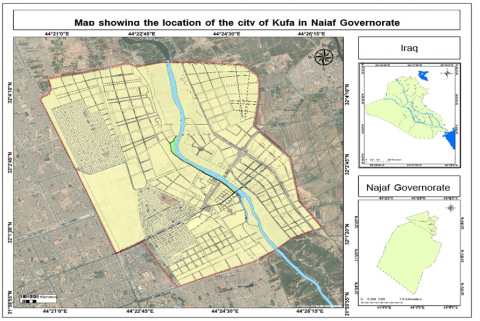
The study area was determined as the urban space between Kufa Mosque and the shrine of the companion Maitham Al-Tammar, in Kufa City. Kufa is an Iraqi city located in Najaf Governorate, south of the capital Baghdad, and is about 156 km away from it. Its global coordinates are 44˚ 23' 55'' latitude and 32˚ 02' 11'' longitude [58, 59]. Kufa City is located 10 km northeast of Najaf, in the Middle Euphrates region, south of the capital Baghdad, and is about 156 km away from it, Figure 5 shows the location of Kufa. The city is located on the right bank of the Euphrates River, and is administratively affiliated to Najaf Governorate and has a population of 230,000. There are several public spaces in Kufa City, one of these important spaces was chosen as the study area. The study area was previously neglected, but it has gradually been transformed into a green space that meets the needs of its visitors and carries out some activities in it, and development work is currently ongoing in it. The space covers an area of 62,345 m2 [60]. It contains a set of extracted indicators.
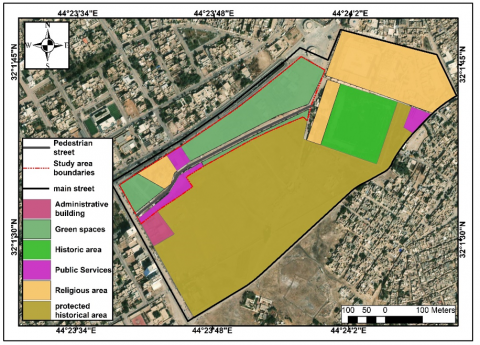
From the theoretical framework of measuring ecological aesthetics, it was also chosen as a primary field of study due to its unique location, which makes it an attraction for visitors and tourists. The urban space is not only surrounded by important religious and historical landmarks, but it is also a place of rest and entertainment for visitors who flock to these religious landmarks and for the city’s residents. The space contains vast green spaces and diverse plants that give it beauty and psychological comfort, making it an ideal place to relax and enjoy natural factors [61]. The presence of these green spaces enhances the quality of the urban environment and gives visitors the opportunity to get away from the hustle and bustle of the city and enjoy a calm and comfortable atmosphere. In addition, the geographical location of the urban space in the center of Kufa gives it special importance, as it is easily accessible to visitors who visit the surrounding religious and cultural landmarks [62]. This overlap between the natural character and the strategic location enhances the attractiveness of the space as a rest and entertainment area, and makes it an important model for studying the impact of natural factors and geographical location on the urban experience of visitors and residents alike [63]. Figure 6 shows the urban space and its location within the city center.
Figure 5. Location of the City of Kufa
Figure 6. Map of the location of the study area
Source: Researchers
7.1 Green spaces
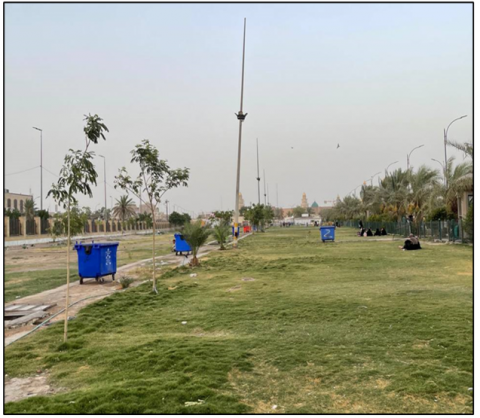
Green Space Index within urban space: the green space is 40,560 m2, at a rate of 65%. To measure this indicator, the per capita share was used, as the number of space users ranges from 7000 on Thursdays and during peak hours from 5 pm to 11 pm. When applying the T equation, the share appears to be 5.79 (m2/person). This indicates its proximity to the established Iraqi standard of 8.25 m2. Although the per capita share here is less than the standard, it is considered relatively close to it, indicating a significant improvement compared to other cases where the share is much lower. This improvement enhances the environmental and social benefits of green spaces, as they provide individuals with sufficient spaces for recreation and interaction with nature. However, there remains untapped potential in the spaces surrounding the central space of the study. Re-employing these empty adjacent spaces may open the way for increasing green spaces to serve more visitors, improve the quality of urban life, and create a better environmental and aesthetic balance. Figure 7 shows the green space within the space.
Figure 7. Green space distribution within the urban area
Source: Researchers
7.2 Biodiversity
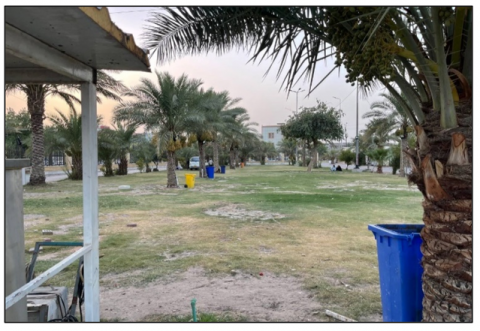
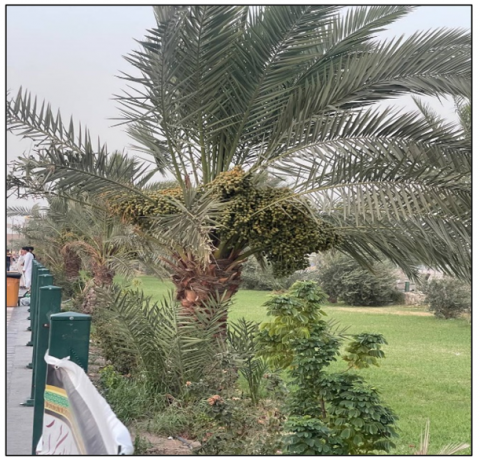
Biodiversity is divided into plant diversity and animal diversity. The diversity index was measured by the Shannon index in the study area, as the value of H' for plant diversity = 1.85423 appeared, as this value indicates that the space environment contains an average diversity, as there is no single species that is significantly dominant, but there is a moderate distribution of individuals among the different species. As for the number of effective species = (6.387), the biodiversity in the space environment is represented by about 6 species distributed almost equally. As shown in Figure 5, “since there is only one species of animals in the studied area, which is the pigeon, and in small numbers, the Shannon index for biodiversity cannot be calculated because it shows almost no diversity”. Figures 8, 9 show the plant diversity within the study area.
7.3 Water element
Through the observation form of the field survey, the urban space is limited to the presence of only a small fountain. Despite its small size, this fountain adds an aesthetic touch to the area and contributes to creating a calm and comfortable atmosphere for visitors. However, the impact of the water element remains limited, due to the lack of larger water bodies or other sources of water. Therefore, enhancing the presence of water elements, such as fountains or larger water bodies, may be an opportunity to improve the ecological attractiveness and psychological comfort in the urban space and thus increase ecological aesthetics.
Figure 8. Plant diversity
Source: Researchers
Figure 9. Some types of plants in urban space
Source: Researchers
7.4 Environmental awareness
The results of the statistical analysis of the level of environmental awareness among the users of the study area showed that they have a high percentage of environmental awareness estimated at 95% for males and females of different ages. The overall average of the participants' responses, based on the questionnaire form based on the five-point Likert scale and using the SPSS program, indicates that individuals have a deep understanding and awareness of the importance of preserving the environment around them. This high environmental awareness can be explained by several reasons. First, the geographical location of the area near holy shrines and religious landmarks of great importance enhances the sense of responsibility among individuals towards the environment. The cultural and religious importance of this place contributes greatly to consolidating the concepts of preserving the environment as part of a moral and religious duty. The availability of green spaces and natural elements in the area plays a vital role in raising the level of environmental awareness, in addition to the environmental problems that have emerged recently and educational seminars on the importance of environmental awareness.
They encouraged individuals to adopt environmentally friendly behaviors to maintain the beauty and cleanliness of the place. Through this awareness, it reflects a deep commitment to preserving the environment and promoting sustainability in the area.
7.5 Urban furniture
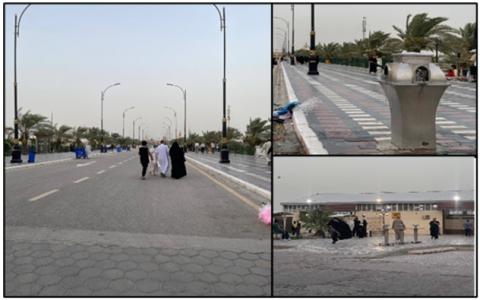
From the site observation form for the Urban Furniture Index, it can be noted that some of these elements are already available, such as trash cans, potable water devices, signboards, lighting poles, and environmentally friendly sidewalks. As in Figure 10, these elements contribute to improving environmental cleanliness and providing guidance and lighting in public spaces. However, there is a lack of many other elements that are necessary to make public spaces more attractive and usable. For example, there are no benches for sitting, which reduces the comfort of users and the possibility of them staying for long periods in the place. Or replacing sitting on the grass, which may damage it, shade umbrellas, children's playgrounds, water fountains, and food and beverage kiosks means that these spaces may be less interactive and less sustainable, which affects their attractiveness and use by individuals.
Figure 10. Urban furniture
Source: Researchers
7.6 The importance of the site
The space site is of great importance as it is surrounded by the shrine of the companion Maytham Al-Tammar and the Kufa Mosque and the house of Imam Ali, which has great importance in Islamic history and an archaeological protected area in addition to the remains of archaeological landmarks of the Emirate Palace, which is considered an important ruling palace in Islamic history and its proximity to the riverfront of the banks of the Euphrates River, all these factors made it an important site for visitors to these places to rest, meet and carry out their activities, which greatly enhanced the natural factor of ecological aesthetics.
In this article, we try to shed light on the urban space located in the center of Kufa, to exploit the location advantage of these spaces to create a sustainable urban space through ecological aesthetics. The ecological aesthetics approach is characterized by its many benefits and characteristics of natural factors that enhance sustainability, and therefore it can be said that it is possible to present ecological aesthetics as an integrated approach to creating a sustainable urban space, as it returns many ecological benefits and aesthetic values. Ecological beauty provides a state of harmony and balance between humans on the one hand, and nature on the other hand, in a way that meets the dimensions of sustainability and enhances human well-being. Kufa space needs special treatment in which the highest degree of balance is achieved between the requirements of visitors and space users and the requirements of preserving the natural environment that distinguishes this space. Therefore, in this study, many indicators of ecological aesthetics appropriate for this type of space were extracted. The study area suffers from many planning problems as the ecological aspects and nature protection that distinguish it have not been taken into account, such as the need to pay attention to providing green spaces and expanding them further by using the neglected neighboring areas to accommodate a larger number of visitors and providing the water element represented by ponds and fountains more for its ecological and aesthetic impact on the souls of pedestrians and redistributing urban furniture elements, especially seating. Therefore, there is a gap between the standards and the reality of the study area. This paper has tried to clarify the gaps in the study area to address them in line with modern trends directed towards nature and to be an example and guide for planners, city designers and decision-makers to address the problems of creating sustainable urban spaces for other important spaces in many Iraqi cities that have the same natural characteristics. Future studies may pay greater attention to studying the achievement of ecological beauty indicators for the urban space industry. It is useful for enhancing the aesthetic and ecological value of the public space environment. Accordingly, to achieve the space industry through ecological beauty, the natural factors of ecological aesthetics must be exploited in a way that meets the needs of current space users without focusing on one aspect. There is also greater awareness when creating, fixing, rehabilitating, protecting, restoring, presenting and rebuilding public spaces. All this requires a collective effort from decision makers, politicians, urban planners, architects, managers, engineers, individuals, government, NGOs and community organizations.
[1] Suprabhac. T. (2010). Eco-aesthetic approach to Këlidësa's poetry. Thesisdoctor of Philosophy, Faculty of Sanskrit Literature _Sree Sankaracharya University of Sanskrit. https://shodhganga.inflibnet.ac.in/handle/10603/43549.
[2] Liang, Y.A.O., Daojin, S.U.N. (2015). The formative dimens ion of environmental aesthetics in marxist theory context. Studies in Sociology of Science, 6(5): 61-65. http://doi.org/10.3968/7732
[3] Berleant, A. (2016). Aesthetics beyond the arts: New and recent essays. Routledge, New York, USA. https://doi.org/10.4324/9781315565835
[4] Veinberga, M., Skujane, D., Rivza, P. (2019). The impact of landscape aesthetic and ecological qualities on public preference of planting types in urban green spaces. Landscape architecture and art. Scientific Journal of Latvia University of Agriculture, 14: 7-17. https://doi.org/10.22616/j.landarchart.2019.14.01
[5] Lee-Hsueh, L. (2018). Ecological aesthetics: Design thinking to landscape beauty with healthy ecology. In Landscape Architecture-The Sense of Places, Models and Applications. IntechOpen, Chapter, 5: 89-104. http://doi.org/10.5772/intechopen.73615
[6] Haruna, A.I., Oppong, R.A., Marful, A.B. (2018). Exploring eco-aesthetics for urban green infrastructure development and building resilient cities: A theoretical overview. Cogent Social Sciences, 4(1): 1478492. https://doi.org/10.1080/23311886.2018.1478492
[7] Gobster, P.H., Nassauer, J.I., Daniel, T.C., Fry, G. (2007). The shared landscape: What does aesthetics have to do with ecology? Landscape Ecology, 22: 959-972. https://doi.org/10.1007/s10980-007-9110-x
[8] Sterie, M.C., Bota, I.L., Dumitru, E.A., Rodino, S. (2023). Sustainable cities for a sustainable future: Integrating sustainable development goals into urban planning. (Geopolitical perspectives and technological challenges for sustainable growth in the 21st century). Sciendo, 226-238. https://doi.org/10.24789788367405546-022
[9] Dumitru, E.A., Micu, M.M., Sterie, C.M. (2023). The key to the development of agricultural cooperatives in Romania from the perspective of those who run them. Outlook on Agriculture, 52(1): 89-100. https://doi.org/10.1177/00307270221138118
[10] Firoiu, D., Ionescu, G.H., Băndoi, A., Florea, N.M., Jianu, E. (2019). Achieving sustainable development goals (SDG): Implementation of the 2030 Agenda in Romania. Sustainability, 11(7): 2156. https://doi.org/10.3390/su11072156
[11] Callicott, J.B., Frodeman, R. (2009). Encyclopedia of Environmental Ethics and Philosophy. Detroit: Macmillan Reference USA.
[12] Toadvine, T. (2010). Ecological Aesthetics. Handbook of Phenomenological Aesthetics. https://doi.org/10.1007/978-90-481-2471-8_17
[13] Gobster, P.H., Ribe, R.G., Palmer, J.F. (2019). Themes and trends in visual assessment research: Introduction to the landscape and urban planning special collection on the visual assessment of landscapes. Landscape and Urban Planning, 191: 103635. https://doi.org/10.1016/j.landurbplan.2019.103635
[14] Berleant, A. (1992). The Aesthetics of Environment. Temple University Press.
[15] Carlson, A., Berleant, A. (2004). The Aesthetics of Natural Environments. Broadview Press.
[16] Rousell, D., Williams, D.R. (2020). Section introduction: Ecological aesthetics: New spaces, directions, and potentials. In Research Handbook on Childhoodnature: Assemblages of Childhood and Nature Research. https://doi.org/10.1007/978-3-319-67286-1_86
[17] Berleant, A. (1997). Living in the Landscape: Toward an Aesthetics of Environment. University press of Kansas.
[18] Rodilosso, E. (2022). The principle of mutuality. An art-based approach to environmental aesthetics. Studi di Estetica, 24: 85-106. https://doi.org/10.7413/18258646221
[19] Danaci, H.M. (2012). Architectural education and environmental aesthetics. Procedia-Social and Behavioral Sciences, 51: 878-882. https://doi.org/10.1016/j.sbspro.2012.08.256
[20] Turvey, R.A. (2019). Place-making and sustainable community development. In Intellectual, Scientific, and Educational Influences on Sustainability Research, pp. 253-272. https://doi.org/10.4018/978-1-5225-7302-9.ch011
[21] Chaudhuri, T. (2017). Revisiting the ‘Kerala model’ place-making, environmentalism and regional pride in the Periyar Tiger Reserve. Journal of South Asian Development, 12(2): 155-176. https://doi.org/10.1177/0973174117714941
[22] Ghafouri, A., Weber, C. (2020). Multifunctional urban spaces a solution to increase the quality of urban life in dense cities. Manzar, The Iranian Academic Open Access Journal of Landscape, 12(51): 34-45. https://doi.org/10.22034/manzar.2020.214183.2023
[23] Alrobaee, T.R., Al-Khafaji, A.S., Al-Salam, N.A., Al-Jaberi, A.A. (2023). The safer city: A new planning perspective for the traditional city development. International Journal of Safety and Security Engineering, 13(1): 139-149. https://doi.org/10.18280/ijsse.130116
[24] Alaskary, A.A., Alrobaee, T.R. (2022). Identifying and measuring biophilic planning indicators in Riverside neighborhoods. Civil Engineering Journal, 8(1): 33-44. http://doi.org/10.28991/CEJ-2022-08-01-03
[25] Karacor, E.K. (2014). Placemaking approachment to accomplish social sustainability. European Journal of Sustainable Development, 3(4): 253-253.
[26] Wyckoff, M.A. (2014). Definition of placemaking: Four different types. Planning & Zoning News, 32(3): 1.
[27] Montgomery, J. (1998). Making a city: Urbanity, vitality and urban design. Journal of Urban Design, 3(1): 93-116. https://doi.org/10.1080/13574809808724418
[28] Al-Abayechi, Y.F., Al-Khafaji, A.S., Alrobaee, T.R. (2023). Structural equation modeling of urban design and sustainability in Najaf's traditional urban context. Opportunities and Challenges in Sustainability, 3(1): 50-61. https://doi.org/10.56578/ocs030104
[29] Cho, I.S., Heng, C.K., Trivic, Z. (2015). Urban Design for Emerging Hybrid and High-Density Conditions. Re-Framing Urban Space, Routledge, New York.
[30] Veinberga, M., Zigmunde, D. (2019). Evaluating the aesthetics and ecology of urban green spaces: A case study of Latvia. In IOP Conference Series: Materials Science and Engineering, 603(4): 042016. https://doi.org/10.1088/1757-899X/603/4/042016
[31] Jurševska, R.S., Vugule, K. (2022). Urban nightscapes and lighting master plans. Case study of Liepāja. Landscape Architecture and Art, 20(20): 63-72. https://doi.org/10.22616/j.landarchart.2022.20.07
[32] Robinson, T., Ji, M. (2022). Towards zero waste and the circular economy: Green governance remakes Seoul. In Sustainable, Smart and Solidary Seoul: Transforming an Asian Megacity, pp. 11-37. Cham: Springer International Publishing. https://doi.org/10.1007/978-3-031-13595-8_2
[33] Yoo, K.Y., Kim, W.J., Kang, K.Y. (2014). Nanjido eco park restoration from waste dumping site. Knowledge Sharing Program: KSP Modularization. https://www.kdevelopedia.org/Development-Topics/themes/--36.
[34] Kim, J.H. (2020). Waste and Urban Regeneration. An Urban Ecology of Seoul’s Nanjido Post-Landfill Park. Routledge.
[35] Abdulameer, H.N., Al-Jaberi, A.A., Al-Khafaji, A.S., Alrobaee, T.R., Al-Ansari, H.A. (2024). Evaluating of urban space vitality: The role of safety, security, and urban planning in the religion center of Kufa City, Iraq. International Journal of Design & Nature and Ecodynamics, 19(1): 155-167. https://doi.org/10.18280/ijdne.190118
[36] Al-Khafaji, A.S., Al-Salam, N.A., Alrobaee, T.R. (2021). The cognition role to understanding planning and architectural production. Civil Engineering Journal, 7(7): 1125-1135. http://doi.org/10.28991/cej-2021-03091715
[37] Jankevica, M. (2012). Comparative analysis of methodologies for landscape ecological aesthetics in urban planning. Mokslas–Lietuvos Ateitis/Science–Future of Lithuania, 4(2): 113-119. https://doi.org/10.3846/mla.2012.23
[38] Lovell, S.T., Johnston, D.M. (2009). Designing landscapes for performance based on emerging principles in landscape ecology. Ecology and Society, 14(1): 44.
[39] Bekisoglu, H.Ü., Keyis, N. (2023). Association of urban green spaces with urban ecological zones. Journal of Infrastructure, Policy and Development, 7(2): 2800. https://doi.org/10.24294/jipd.v7i2.2800
[40] Alrobaee, T.R., Kadhim, I.J. (2018). The schematic thought of cities beyond the Hermann theory. Iraqi Journal of Architecture and Planning, 17(2): 232-246. https://doi.org/10.36041/iqjap.2018.160063
[41] Jawad, T.R. (2013). The importance of applying planning standards for open and green spaces and their role in better urban planning. Journal of Planner and Development, 18(2): 22-22. https://www.iasj.net/iasj/article/89546.
[42] Alrobaee, T.R., Al-Kinani, A.S. (2019). Place dependence as the physical environment role function in the place attachment. In IOP Conference Series: Materials Science and Engineering, 698(3): 033014. https://doi.org/10.1088/1757-899X/698/3/033014
[43] Gawde, R., Sharma, S. (2023). Water element as an aesthetic aspect of landscape design. International Journal for Research in Applied Science & Engineering Technology (IJRASET), 11(12): 1-5. https://doi.org/10.22214/ijraset.2023.57423
[44] Ramezani, N., Habibi, A. (2021). Ecological aesthetic practice and water sensitive design in landscape studies. MANZAR, the Scientific Journal of Landscape, 13(55): 42-53. https://doi.org/10.22034/MANZAR.2021.234118.2064
[45] Tejera, E.V. (2019). The aesthetics of water in current landscape architecture projects. In Conference Paper Presented at the 22nd Meeting of the Council of Europe's Workshop for the Implementation of the Landscape Convention and International Congress “Water, Landscape, and Citizenship in the Face of Global Change”, Sevilla. https://www.researchgate.net/publication/348448145_The_aesthetics_of_water_in_current_landscape_architecture_projects.
[46] Zhou, L., Ding, P. (2024). Research on landscape design strategies and elements based on environmental education. In 3rd International Conference on Education, Language and Art (ICELA 2023), pp. 402-409. https://doi.org/10.2991/978-2-38476-214-9_48
[47] Alrobaee, T. (2021). Measuring spatial justice indices in the traditional Islamic cities by using GIS, An-Najaf Holy City, Iraq: A case study. Journal of Applied Science and Technology Trends, 2(2): 99-105. https://doi.org/10.38094/jastt202167
[48] Cumming, G.S. (2007). Global biodiversity scenarios and landscape ecology. Landscape Ecology, 22(5): 671-685. https://doi.org/10.1007/s10980-006-9057-3
[49] de Souza Leite, M., Tambosi, L.R., Romitelli, I., Metzger, J.P. (2013). Landscape ecology perspective in restoration projects for biodiversity conservation: A review. Natureza & Conservação, 11: 108-118. http://doi.org/10.4322/natcon.2013.019
[50] Mohammed, Z., Alrobaee, T.R. (2024). Measuring and analyzing the indicators of sustainable urban housing for achieving sustainable housing environment (Al-Hindiya neighbourhood in the Najaf City as case study). International Journal of Sustainable Development and Planning, 19(5): 1735-1746. https://doi.org/10.18280/ijsdp.190511
[51] Tsibulsky, V.R., Arefiev, S.P., Novikov, V.P., Soloviev, I.G., Govorkov, D.A. (2021). Determination of the shannon biodiversity index of plant communities formed by edificatory trees using the example of forests in the north of western Siberia. Bulletin of Nizhnevartovsk State University, 2(54): 32-39. https://doi.org/10.36906/2311-4444/21-2/04
[52] Yang, D., Luo, T., Lin, T., Qiu, Q., Luo, Y. (2014). Combining aesthetic with ecological values for landscape sustainability. PLoS ONE, 9(7): e102437. https://doi.org/10.1371/journal.pone.0102437
[53] Eltarabily, S. (2022). Toward a conceptual framework for evaluating the quality of urban open spaces. Journal of Sustainable Architecture and Civil Engineering, 31(2): 58-84.
[54] Hamza, S.R., Alrobaee, T.R. (2024). Urban greening strategies for compact cities, An-Najaf historical city, Iraq, a case study. International Journal of Sustainable Development and Planning, 19(5): 1875-1881. https://doi.org/10.18280/ijsdp.190525
[55] Şatır, S., Korkmaz, E. (2005). Urban open spaces with examples and the classification of urban furniture. A| Z ITU Journal of the Faculty of Architecture, 2(1-2): 130-141.
[56] Mróz, J. (2021). Aesthetic uniqueness of public space. Based on the example of the region of Łódź (Poland) basic terminological issues. on the w@ terfront. Public Art. Urban Design. Civic Participation. Urban Regeneration, 63(9): 3-27. https://doi.org/10.1344/waterfront2021.63.9.01
[57] Barış, M.E.H.M.E.T., Zolnoun Kaygusız, S. (2023). Landscape planning and design approaches for ecologically sustainable cities. Asian Research Journal of Agriculture, 16(3): 85-95. http://doi.org/10.9734/arja/2023/v16i3395
[58] Alrobaee, T., Al-Khafaji, A., Al-Jawari, S. (2021). Measurement of physical environment characteristics for supporting transit-oriented development areas for the Kufa City–Iraq. International Journal of Scientific & Engineering Research, 12(1): 635-642.
[59] Al-Mosawy, S.K., Al-Jaberi, A.A., Alrobaee, T.R., Al-Khafaji, A.S. (2021). Urban planning and reconstruction of cities post-wars by the approach of events and response images. Civil Engineering Journal, 7(11): 1836-1852. http://doi.org/10.28991/cej-2021-03091763
[60] Al-Jaberi, A.A., Al-Khafaji, A.S.A., Al-Salam, N.A., Alrobaee, T.R. (2021). The crossing as a new approach for the urban transformation of traditional cities towards the sustainability. International Journal of Sustainable Development and Planning, 16(6): 1049-1059. https://doi.org/10.18280/ijsdp.160606
[61] Al-Salam, N.A., Al-Jaberi, A.A., Al-Khafaji, A.S. (2021). Measuring of subjective and objective aesthetics in planning and urban design. Civil Engineering Journal, 7(9): 1557-1568. http://doi.org/10.28991/cej-2021-03091743
[62] Hussein, W.A., Al-Khafaji, A.S. (2023). Planning and preservation of natural areas in urban contexts: Application of biophilic approach in Kufa City. International Journal of Sustainable Development and Planning, 18(9): 2829-2837. https://doi.org/10.18280/ijsdp.180921
[63] Al-Abayechi, Y.F., Al-Khafaji, A.S. (2023). Forecasting the impact of the environmental and energy factor to improve urban sustainability by using (SEM). Civil Engineering Journal, 9(10): 2554-2567. http://doi.org/10.28991/CEJ-2023-09-10-013