Mary Rose C. Columbres* | Jayson M. Victoriano
© 2024 The authors. This article is published by IIETA and is licensed under the CC BY 4.0 license (http://creativecommons.org/licenses/by/4.0/).
OPEN ACCESS
In identifying the status of cloud computing in a state of sustainability in terms of contribution and impact of cloud computing, the authors have gathered articles and journals and applied different methods to achieve the purpose of the study. The author hopes to identify the dominant challenges or issues that data centers have faced today in achieving cloud sustainability, specifically in the context of promoting greener practices within companies. Furthermore, the study will try to evaluate how cloud computing technologies help businesses in economics, environment, and social systems, also focusing on their environmental impact reduction strategies. Lastly, assessing the Gartner Hype Cycle for 2023, particularly to Cloud Sustainability, exploring when cloud sustainability is expected to reach its plateau of productivity, which is projected to occur within 2 to 5 years from the current timeframe. The study used a qualitative analysis framework that focuses on collecting data through experiences, opinions, and ideas related to the topic. Further, the author used thematic analysis to deeply understands the collected data systematically. Lastly, the author used mind mapping to provide a visual presentation and easily categorized the collected data. The paper discussed the contribution and advantages of cloud computing in economics, environment, and social systems. Furthermore, it also identified challenges and issues of data centers that offer cloud services. Thus, Data Centers are now starting to address these issues and this paper discusses all possible solutions that data centers are now starting to implement. Moreover, to support this argument this paper cited top 5 data center companies promoting sustainability. The authors conclude cloud computing contributes to all businesses enhancing their efficiency and competitiveness in the market. Further, cloud computing helps other technologies to enhance their capacity. However, since there is no 100% perfect technology there are implication in cloud computing. Thus, businesses and data centers provide solutions and keep on improving and capacitate these solutions to achieve sustainability.
emerging technology, cloud sustainability, cloud computing, analysis, hype cycle, economics, environment, social system
Gartner Hype Cycle is a representation of the lifecycle stages that a technology goes through from its initial development up to its commercial availability and adoption. Hence, this study will assess the lifecycle stages of cloud sustainability, and based on Gartner Hype Cycle 2023, cloud sustainability will reach its plateau of productivity 2 to 5 years from now.
Technologies in this era are moving so fast. This evolvement helps the community in different aspects. Individuals, private and public academies, government offices, and other businesses are implementing applicable technologies and helping execute their strategies effectively. However, businesses using these technologies have a big part in increasing energy consumption, carbon footprints, and carbon emissions.
Figure 1 shows how Gartner predicts all technologies to plateau in a certain period of time. As you can see, the graph shows technologies and has legends which show the duration of the technology will reach its plateau state. The Gartner framework has 5 key phases.
Table 1 explains the 5 key phases of the Gartner Framework. It discussed every phase and how Gartner defined the states of all technologies indicated in the graph.
Cloud computing refers to on-demand compute resources such as processing and storage that are accessed via the internet [1]. Cloud computing is beneficial to all its users because it is cost-effective, flexible, and compliant with all the needs of the users. It allows the user to pay whenever or wherever they are, it protects the data through a disaster recovery mechanism and it also provides software and security updates. Furthermore, it allows all the employees to collaborate even if they are outside the company’s premises. According to tenesys.io, in 2022, with a growth rate of 17.9%, the cloud computing platform market is expected to reach $1240.9 billion by 2027 [2].
Figure 1. Hype cycle for emerging technologies, 2023
Table 1. Gartner framework, 5 key phases
|
Phase |
Description |
|
Innovation Trigger |
This phase shows when the technology was discovered and started to reach its success. Furthermore, there will be stories that will justify the usage of the technology and begin to catch the interest of the media and other business owners. |
|
Peak of Inflated Expectation |
This phase shows more stories published and justifies the success of the technology. However, some will show the failure of it. Hence, some companies address these issues but mostly they do not. |
|
Trough of Disillusionment |
As technology is used and adopted the interest is gradually weaker because it fails to deliver its purpose. Hence, the investment will continue if there is an improvement in the product. |
|
Slope of Enlightenment |
It is now clear and more understood the benefits of the technology. More enterprises pilot the technologies. Thus, some companies remain vigilant about the technologies. |
|
Plateau of Productivity |
This phase shows that technology is already normalized and adopted by all enterprises. The intention of the technology is now more clear and succeeded in its purpose. The target market and relevance of the technology are now compensated. |
Businesses use cloud computing to save the environment, economy, and social systems. According to opengovasia.com, 51% of Philippine businesses have reportedly adopted cloud-based IT Solutions, and 16% of Philippine businesses are now supportive of using cloud-based IT solutions to support their businesses than before COVID-19 happened [3]. According to statista.com, as of May 21, 2024, out of 1000 respondents there are 80% of enterprises indicated that they were implementing Microsoft Azure for public cloud usage [4].
Cloud computing helps all businesses worldwide in promoting companies greener. It helps in reducing the overall energy consumption needed for data storage, and with this, it helps the company cut its carbon footprint. Most companies are now promoting the use of cloud computing to support economic, environmental, and social system greener improvement. Cloud computing is a better solution when it comes to the environment. In 2022, Microsoft Corporation and WSP Global Inc. have identified that cloud computing has 98% lower GHG emissions and is 93% more energy efficient than on-premise data centers [5]. Implementing cloud computing could reduce energy consumption. According to specinnovations.com, energy consumption will be reduced by up to 87% [6].
On the contrary, Data center technology plays a big part in this economic, environmental, and social systems problem. Cloud computing proves that using cloud storage is more ecological than on-premise storage. According to Pyrczak [2], in 2022, the three main cloud providers are Azure, GCP, and AWS. These three cloud providers have taken steps to make cloud storage more sustainable and it was also stated that studies have shown that AWS infrastructure is 3.6 times more energy-efficient than the median of U.S. enterprise data centers. Data centers have worked evidently for cloud sustainability. If all data centers switch from on-premise to cloud computing from 2022 to 2024, according to parallels.com, data centers will save up to 1.6 billion tons of GHG emissions [6].
For instance, Google is a technology company that is widely used by all individuals worldwide. The company is now promoting Google Cloud, which supports cloud sustainability in helping its customers reduce carbon emissions and increase resiliency. According to cloud.google.com, the company aims to operate from their offices up to their data centers on carbon-free energy, 24/7. Google also used AI to reduce its data centers' cooling costs by 40%.
1.1 Cloud computing in sustainable development
Table 2 shows journals from the year 2019 to 2023. All these journals discussed how cloud computing contributes to developing sustainability. Also, the author includes journals that show the risks of using cloud computing. Thus, the table shows that cloud sustainability goes through the process of exploring the capacity of the technology, knowing the risks of technology, assessing the solution of the technology, and exploring all opportunities of the technology.
The authors identified that cloud computing has a lot of contribution to the innovation of technology. Furthermore, cloud computing also helps improve the revenue of all information technology vendors and enterprises. According to statista.com, in 2020, Amazon Web Services (AWS) brought in revenue amounting to more than 45 billion U.S. dollars. AWS, Microsoft Azure, Alibaba Cloud, and Google Cloud had combined revenues of 86 billion U.S. dollars that year [7]. In 2021, the combined revenue of the four hyperscalers mentioned is expected to exceed 121 billion U.S. dollars. Despite of this positive contribution, we cannot deny that data centers are one of the main contributors of increasing global greenhouse gas emissions, electronic waste, water consumption, and energy consumption. Thus, how data centers address those issues to make them more sustainable. Similarly, how all enterprises achieved sustainability with the use of cloud computing and have a greener operation.
Table 2. Cloud computing in sustainable development
|
No. |
Reference |
Author |
Journal’s Title |
Year Published |
Findings |
|
1 |
[8] |
Sukhpal Singh Gill, Peter Garraghan, Vlado Stankovski, Giuliano Casale, Ruppa K. Thulasiram, Soumya K. Ghosh, Kotagiri Ramamohanarao, Rajkumar Buyya |
Holistic resource management for sustainable and reliable cloud computing: An innovative solution to global challenge |
2019 |
The authors of this journal are proposing cuckoo optimization-based energy-reliability aware resource scheduling technique (CRUZE), this technique is using cloud computing resources to efficiently manage servers, networks, storage, and cooling systems. Further, it will also help reduce carbon footprints in data centers without directly affecting cloud service reliability. |
|
2 |
[9] |
Dr. Jennifer S. Raj, Dr. S. Smys |
Virtual structure for sustainable wireless networks In cloud services and enterprise information system |
2019 |
The study focuses on developing a virtual wireless network that are sustainable (VSWN) for the cloud and enterprise information system involving the software defined networks. The study included validating the proposed model using simulation and the results show that it enhances the cost efficiency compared to the other wireless networks. |
|
3 |
[10] |
Madhubala Ganesan ,Ah-Lian Kor,Colin Pattinson, and Eric Rondeau |
Green Cloud Software Engineering for Big Data Processing |
2020 |
Virtual machine (VM) consolidation is a well-known approach to affect energy-efficient cloud infrastructures. The study concludes that the cloud resource management plays a key role in energy saving. VM consolidation lessens the overall energy consumption thus, reducing utility and operational costs. |
|
4 |
[11] |
Naim Ahmad, Najmul Hoda, and Fahad Alahmari |
Developing a Cloud-Based Mobile Learning Adoption Model to Promote Sustainable Education |
2020 |
According to the study the adoption of cloud computing is important in supporting the growing needs of ICT resources to make the mobile learning sustainable. Thus, cloud-based mobile learning adoption model contains the part of cloud computing, organizational, technological, and mobile learning domains. |
|
5 |
[12] |
Dimpal Tomar, Pooja Singh, Jai Prakash Bhati, Pradeep Tomar |
Sustainability of Cloud-Based Smart Society |
2021 |
Based on the study everything has now progressed to “Smart”, in terms of enhancing the environment through technology progress using IoT, big data Artificial Intelligence, and so on. However, the sustainability of this technology is implemented using a cloud-based technology. |
|
6 |
[13] |
Noman Bashir, Tian Guo, Mohammad Hajiesmaili, David Irwin, Prashant Shenoy, Ramesh Sitaraman, Abel Souza, Adam Wierman |
Enabling Sustainable Clouds: The Case for Virtualizing the Energy System |
2021 |
The study focuses on a cloud platform on software-defined control instead of virtualizing the energy system, to applications. It enables organizations to have their own abstractions for managing energy and carbon emissions based on their own requirements. |
|
7 |
[14] |
Mr. Gopala Krishna Sriram |
Green Cloud Computing: An Approach Towards Sustainability |
2022 |
The results of the study stated that green cloud computing can be more effective in improving the benefits of cloud computing further and moderating its effects on the environment. |
|
8 |
[15] |
Salil Bharany, Sandeep Sharma, Osamah Ibrahim Khalaf, Ghaida Muttashar bdulsahib, Abeer S. Al Humaimeedy, Theyazn H. H. Aldhyani, Mashael Maashi, and Hasan Alkahtani |
A Systematic Survey on Energy-Efficient Techniques in Sustainable Cloud Computing |
2022 |
The study discussed new developments in green cloud computing and the taxonomy of various energy efficiency techniques used in data centers. It includes techniques like VM Virtualization, and Consolidation, Power-aware, Bio Inspired Methods, Thermal Management queue, and an effort to evaluate the cloud data center’s role in reducing energy consumption and CO2 footprints. |
|
9 |
[16] |
Ata Allah Yazdani, Abbas Keramati, Ozgur Turetken and Yazwand Palanichamy |
Evaluation of cloud computing risks using an integrated fuzzy-ANP and FMEA approaches |
2023 |
The results show that there are three most important risks in using cloud computing and that are data confidentiality, data integrity, and reliability. Moreover, there are 117 risk-responsiveness solutions such as auditing the scope of access information, using related methods to manage data integrity, and providing appropriate training programs for the support team, and ranked to suggest the most appropriate remedial strategies. |
|
10 |
[17] |
Paula Bajdor |
Cloud Computing in Terms of Sustainable Development-Evaluation and Mutual Relations |
2023 |
According to the study, the benefits of cloud computing will be based on the size of the enterprise which is cloud sustainability. In terms of small enterprises, it shows that it has a small effect on environmental benefits. In the case of medium-sized enterprises, the social benefits and economic benefits does not affect the assessment of social benefits. |
1.2 Objectives of the study
This study aims to identify the common issues and challenges that data centers have faced today in achieving cloud sustainability, specifically in the context of promoting greener practices within companies. Furthermore, the study aims to evaluate how cloud computing technologies help businesses in advancing towards greener operations, focusing on their environmental impact reduction strategies. Lastly, to assess the Gartner Hype Cycle for 2023, particularly to Cloud Sustainability, exploring when cloud sustainability is expected to reach its plateau of productivity, which is projected to occur within 2 to 5 years from the current timeframe.
The IT business is at a crossroads in its future, and if a viable solution is not developed within the sector, it could be the end of the world. The majority of the energy used in the sector is used by data centers, which must make the transition to clean and green energy immediately. To look at the need, obstacles, and trends of green cloud computing, this study reviews the literature and looks into the dynamics of green cloud computing services. The paper claims that green energy will play a major role in the future of IT by examining the traits, obstacles, and trends [14]. Emerging as a game-changer, cloud computing (CC) offers the ability to lessen the environmental footprint of enterprises and organizations while simultaneously promoting social and economic advancement. The advantages of cloud computing for the environment are examined in this research, including improved energy efficiency, lower carbon emissions, and the possibility of integrating renewable energy sources. It also looks at the financial and societal advantages of cloud computing, such as lower costs, more output, and easier access to technology. In its conclusion, the article highlights the opportunities and potential obstacles that come with using cloud computing for sustainable development and identifies important topics for further study and policymaking. Overall, the study makes the case that cloud computing might be extremely important in advancing sustainable development, and that further reach its full potential, more study and legislative action are required [18, 19]. One solution for information systems that are more frequently utilized in the operation and administration of businesses is cloud computing. Utilizing cloud computing solutions influences how the core tenets of the sustainable development concept are used as well as expedites and simplifies the execution of business operations inside the organization. Although the enterprise's main objective with cloud computing was initially to maximize its benefits in terms of technology and economics, cloud computing solutions are now more frequently taken into consideration in the context of sustainable development. The advantages of cloud computing for the environment and society are frequently mentioned. Depending on the size of the company, these benefits may not be evaluated or measured in the same way [17].
Delivering different services over the internet, such as networking, servers, databases, storage, and software, is known as cloud computing. It gives consumers flexibility, scalability, and cost-effectiveness by enabling them to access and store data on distant servers. With the use of this technology, applications like data processing, data storage, and data security may be handled without the need for local servers or personal devices. Business analytics analyzes and interprets data using a variety of methods, including statistical analysis, data mining, predictive modeling, and others. By offering insights into trends, patterns, and performance, it supports organizations' decision-making processes. Cutting-edge technologies and tools for analytics are now essential components of contemporary business plans. Business analytics have been greatly impacted by the use of cloud computing, especially in terms of scalability, speed, and collaboration [20].
The days of rigid infrastructures are long gone. Businesses can easily scale up or down as needed thanks to cloud computing. No larger upfront costs or over-provisioning; merely modify your subscription in accordance with actual usage. Businesses are able to react swiftly to changes in the market and take advantage of new opportunities because to this agility. Through its easy integration into current workflows or its ability to power whole cloud-based activities, cloud computing serves as a catalyst for digital transformation. Migrating can be easy and painless with the correct partner, removing any worries about expensive delays or data concerns. Furthermore, while your staff have real-time access to data and apps from any device, wherever in the globe, cloud platforms take care of upkeep and security. This facilitates smooth cooperation, boosts output, and gives remote workers more authority. Collaboration becomes natural in any setting, be it a worldwide marketing department or a UI/UX team. Your most precious asset is data, which is protected by the cloud. You can access your data on-demand from any device thanks to secure storage and built-in backup mechanisms, guaranteeing company continuity even in the event of unanticipated events. You can feel secure knowing that an extra layer of protection is added by automatic encryption. The pay-as-you-go nature of cloud computing minimizes upfront costs and lets you avoid squandering money when scaling down. It's a very affordable option for companies of all sizes because you only pay for the resources you utilize. With real-time data access and cross-device customer connectivity, your team will be able to provide outstanding customer service. Omnichannel assistance and automated self-service alternatives further improve customer satisfaction and operational efficiency. Lastly, Businesses may concentrate on the innovation that spurs growth after the operational hurdles are removed. The scale and flexibility that cloud computing offers enable experimentation, innovative solution development, and staying ahead of the curve. In the cloud context, continuous innovation is not only possible but also highly encouraged [21].
By emphasizing internal resources above external industry issues, Resource-Based Theory (RBT) offers a framework for comprehending and forecasting an organization's performance and competitive advantage. This method came forth as an opposition to previous macro viewpoints that placed a strong emphasis on industry structure. The core of RBT is a firm's distinct, valuable, and difficult-to-replicate resources, which can result in a long-term competitive advantage. The notion that internal resources are critical to a firm's performance is expressed by both the Resource-Based View (RBV) and RBT, albeit there is some disagreement on which name to use. The application of RBT is often supported by research, which also shows how it developed into a more formal theory. Add resource-based theory and sustainable development theory [22].
Ensuring long-term economic progress and human well-being is contingent upon sustainable development. It is described as providing for present needs without compromising the capacity of future generations to provide for their own. Making decisions with economic, social, and environmental factors in mind is necessary to achieve this equilibrium. Raising living standards and decreasing poverty require economic growth, but it also needs to be inclusive and sustainable. It must not worsen social injustices or damage the environment. To achieve sustainable growth, investments in technology, innovation, and education are essential. Further, enhancing social well-being, health, and education are the main goals of social development. Improving social indices increases worker productivity and decreases inequality, which promotes general economic growth and social cohesion. Protecting the environment is essential for combating climate change, cutting pollution, and maintaining natural resources. Maintaining environmental sustainability facilitates the availability of resources for future generations. Moreover, aligning policies at different governmental levels and sectors is necessary for policy coherence. In order to accomplish common objectives, partnerships and stakeholder engagement are essential to effective implementation. By increasing productivity, lowering resource consumption, and supporting renewable energy sources, innovation and technology are essential to furthering sustainable development. Sustainable agriculture methods and other technological innovations, such as solar and wind power, are prime examples of how technology can promote sustainability. All things considered, sustainable development is a complex and continuing process requiring the cooperation of all sectors and all-encompassing approaches [23].
2.1 Synthesis
Data Centers are the major consumers of Information Technology that should shift to clean energy to lessen environmental impact. Most of IT sectors are producing carbon footprint which is critical in green cloud computing. Furthermore, there are three benefits of cloud computing which are environmental, economic, and social. In environment, cloud computing improves the energy efficiency, lessen carbon emissions, and manage the use of renewable energy. In economics, it reduces costs through a pay-as-you-go model and avoids over-provisioning. Lastly, in the social system, it improves accessibility of technology, promotes social development, and supports remote work and collaboration. Cloud computing, provides scalable solutions, preventing the need for large upfront investments, and offers an opportunity for all businesses to easily adapt to market changes. Further, it promotes an advancement to all data analytical tools and with existing workflows it supports digital transformation. All the studies call for more research and policy development to provide solution to all the challenges and maximize the benefits of cloud computing for sustainable development.
The limitations of all the studies are overly discussing all the benefits of cloud computing without considering all possible drawbacks or limitations that are not fully addressed. Moreover, cloud computing’s advantages and evaluation are all depends on the size of the business, which might affect the overall effects of the results. There are still more discussions in terms of transitioning to green energy and combining advanced cloud solutions, which has possible effects of the feasibility of recommendations. Even though all the studies are calling for further research and legislation, all the studies may lack specific guidelines or actionable steps for policymakers and businesses to follow.
3.1 Qualitative analysis framework
To achieve the objectives of this study the author used a qualitative analysis framework. All data is non-numerical data which helps the author achieve the objectives. A qualitative research approach focuses on collecting data through experiences, opinions, and ideas related to the topic. The data that is being used in this study is secondary data. This means that all data was collected and used with other articles, academic research, studies, and scholars.
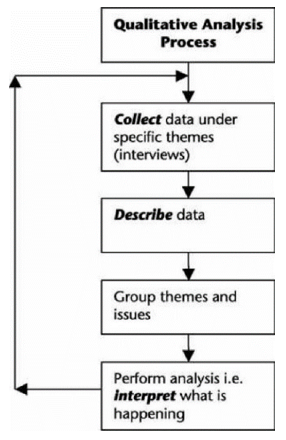
Figure 2. Qualitative analysis framework
Source: https://www.researchgate.net/figure/Qualitative-data-analysis-framework-Source-Biggam-2008-p-118_fig2_339953242
Figure 2 shows the process of the qualitative analysis framework. It shows the process of how the author applies the qualitative analysis.
Qualitative research focuses on finding a fact or an assessment or evaluation of an existing process or what is currently happening to address specific questions or issues [24]. This method provides a deep understanding of the environment or surroundings and recognizes human behaviors. Moreover, it also highlights the importance of individuals such as actions, beliefs, and social interactions. Similarly, it provides a comprehensive study that includes different factors, and perspectives. It allows flexibility that the researchers can adjust the methods that focuses on the findings and expected results. Lastly, this method allows the researchers to perform in-depth data collection such as interviews, getting data from journals and articles, and observations.
The qualitative research process includes collecting, describing, and interpreting. Below is how the author follows the process:
(1). Collect: The author gathered information from multiple journals and articles that sufficed to provide all the needed information about the study. It includes journals and articles from 2019 to 2023. This comprehensive data collection can provide all the needed data for the study.
(2). Describe: All gathered research has been categorized based on context that are aligned to the study and is relevant to the study’s objectives. This step includes sorting and categorizing all the data to align it with the goal of the study.
(3). Interpret: All data were interpreted with its positive and negative impacts on sustainable development. Further, it will be used to identify issues and potential that are related to the use of cloud computing.
3.2 Thematic analysis
For data analysis, this study used a thematic analysis, according to Caulfield [25], thematic analysis is a method of analyzing qualitative data. The researcher closely examines the data to identify common themes-topics, ideas, and patterns of meaning that come up repeatedly [25].
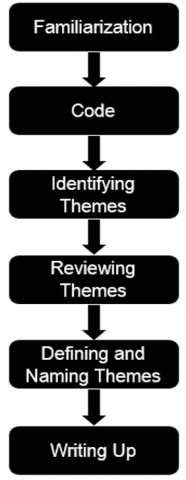
Thematic Analysis comprises 6 steps (Figure 3): Familiarization, code, identifying themes, reviewing themes, defining and naming themes, and writing up. The author followed these steps.
The thematic analysis has a systematic approach to data analysis and allow the author to thoroughly analyze the data. It has six (6) steps:
(1). Familiarization: The collected data were read repeatedly to have a comprehensive understanding, identify common patterns, and highlight information that will support the study.
(2). Code: In this step, the author categorizes and labels all collected data according to its contribution to the study.
(3). Identifying themes: In this step, the author identifies all important concepts and contributes essential insights to the problem and objectives of the study.
(4). Reviewing themes: In this step, the author reviews all the data to ensure that data accurately represent the study’s objectives. This step also allows the author to make an adjustment to make the data fit into the study.
(5). Defining and Naming themes: In this step, the author expresses the usefulness of the data and provides the relevance to the research objectives.
(6). Writing Up: In this last step, the author provides a comprehensive narrative story from the analyzed data. The author provides a compelling story about the findings.
Figure 3. Thematic analysis steps
3.3 Tools
In data collection, the author used different tools to find and collect data. These are tools that are being used by the author in collecting reviews of related literature of this study (Table 3).
Table 3 shows all tools that are being used by the author. These are tools that effectively contribute to finding all possible reviews of related studies that will help the author in collecting secondary data.
Table 3. Tools
|
Tool |
Link |
Functions |
|
ResearchRabbit |
https://www.researchrabbit.ai/ |
Research rabbit help the author to identify and list all relevant literatures that are being used in this study. |
|
Google Scholar |
https://scholar.google.com/ |
Google scholar used for searching literatures and provide wide database for researches. |
|
Sci-hub |
https://sci-hub.se/ |
Sci-hub allows the author to access the academic papers. |
3.4 Mind mapping
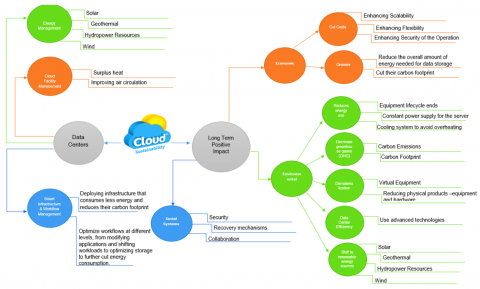
The author performs mind mapping in the analysis of collected data. According to mindmapping.com, mind mapping is the faster approach to identifying the relation of all gathered information, and it helps also to organize the information. Mind mapping helps you to understand concepts and it makes the complex idea easy to understand. Moreover, mind mapping allows the authors to branch and categorize all the collected data and easily identify common patterns and provide a holistic graph that can easily be analyzed and interpreted. Lastly, it is flexible and helps you to be more creative and productive. Thus, the author used mind mapping in this study. Below is the mind mapping of the authors.
Figure 4 shows the analysis of the collected information. Analyze and organize the data. This will help to easily understand the collected data and the relation of all the data.
The author came up with all these techniques and methods, as stated, the objective is to identify the common issues and solutions of data centers, identifying the contribution of cloud computing in economics, environment, and social systems. Lastly, to analyze and assess the Gartner Hype Cycle in cloud sustainability. Hence, the author will be able to identify it through these methods.
Figure 4. Mind mapping-cloud sustainability
4.1 Impact of cloud computing
Cloud computing has a positive effect on all businesses compared to on-premise technology. As we all know more businesses are now using advanced technology. These on-premise technologies, we can deny that it gives a positive impact on all aspects of the business. However, these technologies can consume more energy consumption, increase carbon footprints, and green greenhouse gas (GHG) emissions. These are the issues that arise concerning technology advancement. An organization is said to have a sustainable business if the business has no negative impact on the environment.
Organizations today attempt to get an ISO 14000 certificate to prove their sustainability. ISO 14000 is a set of standards created to help companies around the world reduce their adverse impact on the environment. It’s a framework for improved and more environmentally-conscious quality management systems by organizations large and small. The ISO 14000 series of standards was introduced in 1996 by the International Organization for Standardization (ISO) and most recently revised in 2015. (ISO is not an acronym. The short form of the organization's name is derived from the ancient Greek word ísos, meaning equal or equivalent.) [26].
These are advantages and reasons why enterprises adopt cloud computing to their business processes and its impact.
Cloud computing has an essential impact on the economy. According to aboutamazon.com, micro, small, and medium-sized businesses are expected to drive 161 billion in annual productivity gains and support 95.8 million jobs by 2030 [27]. By using cloud computing schools are now more accessible. Thus, 51.8 billion dollars in annual productivity benefits will be unlocked. With the use of cloud computing through artificial intelligence, education curricula become more engaging, personalized, and easier to access for students of all ages. Businesses use cloud computing; they use customer relationship management or enterprise resource planning tools which are rated at 19%. According to cloudimpactus.publicfirst.co, AWS users reported saving 50% of their costs by applying cloud services to their processes. In 2021, cloud services produced over $382 billion in Gross Value Added [28]. Thus, cloud computing increased revenues and reduced costs. In terms of developing software, according to software developers, they could reduce the time development by around 25%. 80% of Small and Medium Enterprises (SMEs) in the U.S. said that they are more competitive with other larger businesses by using cloud services. 60% of SMEs increase their ability to scale and 47% said that they can easily offer new kinds of products or services. Thus, most of all SMEs hired 45% more staff, 49% for workforce training, and 41% with other investments.
Table 4 shows the contribution of cloud computing in promoting sustainability in Economics.
Table 5 shows how cloud computing helps all enterprises in promoting greener companies.
Table 6 shows that cloud computing contributed to helping individuals and employees enhance social development.
Table 4. Advantages in economics
|
In Economics |
|
|
Enhance Agility, Innovation, and Competition |
Cloud computing helps businesses perform their transactions fast and efficiently. With the use of this technology, businesses can easily achieve their everyday goal and objectives. Utilizing cloud computing can widen the scope of their market and advertise beyond their scope and closer to their target customers. Moreover, it helps them lessen the time of marketing and be more productive with their other tasks. They also used Cloud Computing to assess the needs of their target client/customers to effectively strategize and make one step ahead of their competitors. Hence, it will help increase their revenue and be more globally competitive. |
|
Cost Efficient |
Businesses that use cloud computing utilize data centers as they use it as the center of their data. With this, it costs them less to maintain on premise software and hardware. Furthermore, an organization with cloud computing technology requires less hardware and selected software to use. Organizations have opportunities to back up their data without buying any additional hardware to use. It prevents data losses for the company and easily recovers their data. |
|
Improve IT Infrastructure Globally Approach |
With reliable internet connectivity businesses can enhance their economic growth and compete globally. Furthermore, it helps the organizations to focus on their marketing strategies and business growth rather than focusing on monitoring their IT infrastructure. |
|
Employment Opportunities |
Enhanced technology offers more opportunities to all employees. Trainings are more available via the Internet. Hence, employees can easily define and apply training aligned with their chosen career. With this, salary increased offers and job opportunities. |
|
Security, Fast, and No Update Demands |
Because cloud computing depends on the data centers storing and managing data. Hence, there is a continuous improvement in speed, performance, and security in using cloud computing. Moreover, it helps the organization keep its data from natural disasters or unexpected hardware failures. Cloud computing uses third-party software to keep up-to-date software and secure data. With this, there is less effort in monitoring hardware and software updates. |
Table 5. Advantages in environment
|
In Environment |
|
|
Reduces energy use |
Cloud computing helps to lessen the hardware used by the organization and it reduces energy consumed by the organization. Businesses grow over time and at the same time their data. Compared to on-premise storage they need to buy more storage because of their growing organization, where cloud computing can widen the storage capacity without physical hardware that consumes additional energy. |
|
Decrease greenhouse gases (GHG) |
Cloud computing promotes less hardware usage for businesses where employees share devices to use. With this, it will produce lesser gas emissions and gas footprints. Furthermore, it increases the utilization of e-waste management which helps decrease greenhouse gases. According to getlateral.com companies that use cloud computing can lessen the usage of carbon footprint per user from between 30% to 90% [29]. |
|
Dematerialization |
Most of the companies commonly share data across their offices using physical devices. Hence, dematerialization means that companies switched from physical devices to virtual technologies using cloud computing. With this, it helps companies to reduce the negative impact on the environment. Due to environmental sustainability, the companies improved their profits from increasing efficiencies, and improved sales. |
Table 6. Advantages in social systems
|
In Social Systems |
|
|
Security |
Cloud computing helps individuals work outside their company’s premises. They do their work anywhere and anytime. Hence, cloud computing uses software to strengthen the security and protect the data. Data centers use technology to provide data security. It continuously monitors, and analyzes devices, endpoints, and systems to prevent unauthorized access to the network. |
|
Recovery Mechanism |
Companies and individuals are now using cloud computing to save their data. They backup their applications, data, and resources in the cloud environment. Hence, if there is an unexpected event that will cause data losses because of cloud computing the backup data can be restored immediately. It will prevent data losses. |
|
Collaboration |
During the COVID-19 pandemic, it utilizes the use of cloud computing in a work-from-home setup. Video conferencing and cloud storage were utilized. Because of these advancements, the collaboration of all employees will not be limited to the companies’ premises. Collaboration can happen virtually and it makes the organization more productive and effective. |
According to Gomez and Ben Gomez [30], Google uses fuel-efficient routing that uses Artificial Intelligence to analyze traffic, it helps Google to enhance more than 2.9 million metric tons of GHG emissions reductions since it was implemented in 2021 up to 2023. We all know that a goal of 0% carbon gas emission-free is a difficult goal to achieve but despite this, all enterprises are aiming to be environmentally sustainable with the help of all programs provided by all cloud services providers. With this, Microsoft stated that their cloud infrastructure is 93% more energy efficient compare to on-premise data centers [31]. Moreover, according to the National Renewable Energy Laboratory (NREL) stated that data centers have 1.8% of overall U.S. energy consumption. Though, according to the study of Google that cloud computing can reduce that number by up to 87%. In dematerialization, the storage of files commonly uses high-carbon physical products just like external hard drive or flash drives. Cloud computing almost removes these types of storage files by providing storage without physical requirements and can easily be accessed anytime and anywhere. Lastly, according to Yuan [32] of Harvard Business Review, businesses can decrease their carbon footprint by 84% on average when transferring to cloud services.
Cloud computing is a rising technology in the business. Similarly, businesses can now see the potential help of cloud computing. However, they are well-oriented that despite all the benefits given by cloud computing they also need to consider the security of their data and processes because of cyber hackers' increasing efforts to infiltrate business’ cloud-based data. With this, there are cloud services providers have their solution by also using cloud security services that supported with third-party providers and cyber security specialists. Thales's 2023 cloud security study exposed that 39% of organizations experienced a data breach in their cloud environment, a rise of the 35% recorded in 2022. Since cloud computing provides cloud storage that can easily be accessed anytime and anywhere, businesses can easily back up and recover their data without considering damage to physical hardware or software. Lastly, through cloud virtual conferences, collaboration can now easily be implemented even if all the employees are in different places. These virtual conferences are known in the IT industry before the COVID-19 pandemic. During and after the pandemic it became more popular and accepted by all type of businesses and most especially in education.
4.2 Summary
Cloud computing offers a lot of cloud services that can benefit to all businesses. It helps them in economics: Enhance agility, cost efficiency, improve IT infrastructure, employment opportunities, and security, fast, and no update demands. In the environment: reduce energy use, decrease greenhouse gasses, and dematerialization. Lastly, in social systems: security, recovery mechanism, and collaboration.
Cloud computing is truly a big help to all companies. It contributed to technological advancement from economic, environmental, and social systems. Because of cloud computing companies can utilize and maximize the potential of the advancement of technologies. However, cloud computing is not as perfect as it is, there are still issues regarding elements that data centers need to operate for a working cloud.
4.2.1 Data centers’ common issues and challenges in cloud sustainability
(1). Heat and energy consumption
Servers, storage, and network devices of all data centers consume a vast amount of energy to operate and support all their clients’ devices. According to the U.S. Department of Energy, data centers are one of the most energy-intensive buildings, consuming up to 50 times as much energy per floor space as a typical commercial office building.
(2). Water consumption
Data centers use cooling processes to prevent servers from overheating and indirectly through electricity generation. Furthermore, they also use humidifiers to maintain proper humidity levels. It is a process that often utilizes electricity to vaporize water.
According to Google, an average Google data center consumes approximately 450,000 gallons of water per day--roughly the same amount of water used to irrigate 17 acres of turf lawn once. That's in the middle of the spectrum. The full range encompasses smaller data centers that may use around 10,000-15,000 gallons per day to hyperscale data centers that may consume millions of gallons daily.
(3). Electronic and toxic waste
According to the United Nations, electrical and electronic equipment that is disposed of incorrectly is known as electronic waste or e-waste. This waste stream can directly affect exteriority, such as resource consumption, GHG emissions, and the release of toxic substances.
According to techtarget.com, in 2019, the world generated 53.6 metric tons (Mt) of e-waste, the UN said. The global generation of e-waste has grown by 9.2 Mt since 2014 and is projected to grow to 74.7 Mt by 2030--almost doubling in only 16 years [33].
(4). Land expansion
Small data centers need a hundred thousand square feet of land to operate but larger data centers require millions of square feet to operate. This is a lot of land to clear which can swipe different kinds of life. This might cause unintended effects on other living things.
(5). Greenhouse gas emissions
These gases are effects of the heat and energy produced by all the servers, storage, and other equipment of data centers. These are the gases trapped in the atmosphere. This thickening of the Earth's atmosphere makes the planet warmer. According to The Intergovernmental Panel on Climate Change, there are significant reasons for concern for global warming above 1.5℃.
4.2.2 Data centers for cloud sustainability
With all being said, all adverse effects of data centers. There are some actions taken by all data centers to make them more sustainable.
(1). Energy management
It is very important how data centers achieve sustainability. Energy management contributed to this sustainability. Data centers are now using renewable resources like solar, wind, hydropower resources, and geothermal.
(2). Cloud facility management
The area such as location and floor space is very important in saving resources. These resources need to be consumed on extreme cooling of the servers. Data centers monitor and enhance overall energy consumption, and improve air circulation.
(3). Smart infrastructure and workflow management
Data Centers that provide cloud services are now using infrastructures that consume less energy and decrease carbon footprint. They develop hardware and software to achieve these objectives. They are modifying and changing the workloads to optimize workflows and storage to further decrease energy consumption.
According to datacentremagazine.com, these are the 5 data centers and their initiatives (Table 7).
Table 7 shows the initiatives of data centers in terms of energy management [34].
4.2.3 Top data centers
Here are the top 5 companies worldwide that promote cloud sustainability, according to Cameron Saunders, 2023 [34].
According to datacentremagazine.com, these are the 5 data centers and their initiatives [35, 36].
Table 8 shows that most data center companies are now promoting sustainability. They are now using techniques and modern technologies to promote sustainability.
Table 7. Six (6) data centers that used energy management as of December 1, 2022
|
No. |
Data Center |
Energy Management |
|
1 |
Digital Realty |
The company is the world’s first data center operator to achieve 1GW of sustainable IT capacity. The company also achieve a global 64% renewable energy coverage which is a 14% increase in just a year. Further, the company received the 2021 EPA Energy Star Partner of the Year Sustained Excellence award for its energy-efficient building initiatives which the company produced 118MW of solar and wind power to its green energy grid which contributes to the total volume of US solar and wind energy [37]. The company has a project named Environmental, Social, and Governance (ESG) that aims to elevate the company’s energy efficiency, reducing waste which the company requires a less construction materials while providing industry-leading Power Usage Effectiveness (PUE). |
|
2 |
Schneider Electric |
The company was awarded the prestigious of the most sustainable company in the world. Also, the company is the number one power-purchased agreement marketplace solution provider by Guidehouse Insights in 2022. The objective of the company is to provide 50 million people with access to green electricity by 2025. Also, they added an Alternative Power Generation Technologies course to its Schneider Electric University Data Centre Certified Associate (DCCA) qualification. The company has different projects that promote sustainable development. It has Sustainability commitments that has three (3) programs which is Schneider Sustainability Impact 2021-2025, Schneider Electric Net-Zero commitment, and Schneider Electric biodiversity pledge. The company also has Schneider Electric Foundation, and Sustainability consulting [38]. |
|
3 |
Google Cloud |
As one of the big data centers, Google Cloud plays a big part in environmental issues. In the year 2007, the company becomes the first carbon neutral. Further, 10 years after it is the first major company to use 100% renewable energy [39]. The company has five (5) projects in Cloud Sustainability. First, Increase business resilience and sustainability with AI which helps businesses improve measurement, enhance resilience, energy usage, and resources efficiently, and provide new opportunities. Second, Measure which also uses AI that will provide insights to monitor the progress towards sustainability targets. Third, Optimize, the company helps businesses in streamlining energy by using AI. Fourth, Grow, by using AI enterprises will have more opportunities and markets in the low-carbon transitions. Fifth, Build, the company promotes tools in Carbon Sense Suit that help reducing the carbon footprint. |
|
4 |
Scala Data Centers |
Scala Data Centers is the leading sustainable hyperscale data centre operator in Latin America. The company is the first data center in the Latin America region that uses 100% renewable energy [40]. The company is also a member of the iMasons Climate Accord. Also, the company received its CarbonNeutral certification in May 2021. The company’s sustainability initiatives include a cooling system that minimizes water and energy consumption. The company also make sure that they use 100% renewable and certified energy. Lastly, they are implementing a robust recycling program. |
|
5 |
Iron Mountain |
The company focuses on ensuring cloud sustainability not only in their data center but also to their consumers. They are supporting the pursuit of zero carbon by 100% renewable power and passing the environmental benefits [41]. The company has Optimal efficiency which has AZP-2 facility [41]. This facility is the first BREEAM certified data center in North America. The company also optimizing their existing facilities such as their WPA-1 which is an underground data center where they take advantage on underground aquifer to lessen the consumption of energy required for data hall cooling. Further, they also have Green Power Pass (GPP), it is first ever comprehensive green data center solution for the companies that wants to share the benefits of Iron Mountain’s CO2 reduction. |
|
6 |
EdgeConneX |
This company secured 1.5 billion dollars in sustainability funding. The company’s objective is to achieve carbon-neutral, water-neutral, and waste-neutral by 2030. Also, as sustainability strategy the company provides funding drive by installing energy solution and decreasing its carbon footprint across its global data center networks. The company has a 24/7 Carbon Free Energy Plan and Overview program. This program is in the EdgeConneX Sustainability plan. The company initiated a multi-year, AI-enabled 24/7 CFE program, focused on carbon-free energy consumption that is easy to measure and track in near-real time. |
Table 8. Top 5 data center companies that promote sustainability
|
Rank |
Company |
Description |
|
5 |
Iron Mountain |
This company set an example of 100% renewable energy, assured in carbon credit assistance, and with a low PUE (Power Usage Effectiveness). The company’s goals are as follows:
Achieved to have carbon neutrality by 2030. |
|
4 |
Equinix |
The company resides in Redwood City, California. It models itself as “the world's digital infrastructure company”. Equinix already invested over $120M in energy upgrades, retrofits, and improvements. Moreover, the company aims to be carbon neutral by 2030. |
|
3 |
Schneider Electric |
In 2021, it was appointed as the most sustainable company in the world, and in 2022 it was called marketplace solution provider by Guidehouse Insights. The company helps its clients greener also. |
|
2 |
Digital Realty |
Digital Realty received the 2021 EPA Energy Star Partner of the Year Sustained Excellence Award. The company initiates the energy efficiency solution. It also has 64% renewable energy coverage, a figure that increased by 14% in a year [26]. |
|
1 |
Google Cloud |
Google is one of the world’s biggest companies. In 2007, Google became one of the major companies to go carbon neutral. After 10 years, Google set a 100% use of renewable energy resources. That being said, Google aims to operate a 24/7 carbon-free set-up across a global data network. |
Cloud computing cannot be denied as one of the technological advancements that capacitate other technologies and are used across the globe to make companies greener. However, cloud computing is not 100% perfect just like the other technologies. Moreover, we can see that the goal of all data centers is to have a long-term positive impact on the economy, environment, and social systems, which plays a big part in becoming cloud-sustainable. Cloud computing is the reason why other technologies enhance and innovate. Thus, businesses use these technologies that make them more competitive and enhance their marketing, processes, and competitiveness in the market. However, despite all of these benefits and impacts, cloud computing has some negative effects and deficiencies. Cloud computing is dependent on internet connectivity. Data Centers that provide cloud services are the main source of carbon footprints, waste, and energy waste.
Based on the author's analysis and assessment of all the data being discussed, cloud computing already reached phase 4, the Slope of Enlightenment, which means that it is now clear and understood the benefits of the technology, and more enterprises are piloting the technology. Moreover, because of some issues, some companies remain vigilant in using cloud computing. Lastly, the data that supports this argument is that all enterprises are now aiming to be ISO 14000 certified. Thus, businesses focus on how to be sustainable towards greener operations.
With this, the Gartner Hype Cycle Prediction in cloud sustainability stating that it will achieve its plateau state in two (2) to five (5) years based on its timeframe is most likely possible, because of all the factors that are being discussed and analyzed. However, the study covers countries that have conducted studies about cloud sustainability. There are some limitations of journals and articles regarding cloud sustainability with other countries. The findings of the author might have an effect based on the scope of the articles, and journals.
[1] Pratt, M.K. (2023). Cloud computing's real-world environmental impact. Guide to a more Sustainable Business. https://www.techtarget.com/sustainability/feature/Cloud-computings-real-world-environmental-impact.
[2] Pyrczak, B. (2022). Cloud-sustainability-how-can-cloud-computing-help-build-a-greener-it-landscape. TENESYS. https://tenesys.io/en/cloud-sustainability-how-can-cloud-computing-help-build-a-greener-it-landscape/.
[3] Hani. (2021). The philippines adopting cloud technology for business flexibility. https://opengovasia.com/2021/08/12/the-philippines-adopting-cloud-technology-for-business-flexibility/.
[4] Vailshery, L.S. (2024). Enterprise public cloud platform and infrastructure service usage worldwide 2017-2024. https://www.statista.com/statistics/511508/worldwide-survey-public-coud-services-running-applications-enterprises/.
[5] Sobrinski, D. (2018). Microsoft-WSP study highlights environmental benefits of cloud computing. https://www.wsp.com/en-us/insights/microsoft-cloud-computing-environmental-benefit-study.
[6] Walleit, S. (2021). Cloud computing environmental benefits: Be part of the solution. https://www.parallels.com/blogs/ras/cloud-computing-environmental-benefits/.
[7] Vailshery, L.S. (2023). Global IaaS and PaaS hyperscaler revenue 2018-2021, by vendor. https://www.statista.com/statistics/1253023/cloud-hyperscaler-yearly-revenue-iaas-paas/.
[8] Gill, S.S., Garraghan, P., Stankovski, V., Casale, G., Thulasiram, R.K., Ghosh, S.K., Ramamohanarao, K., Buyya, R. (2019). Holistic resource management for sustainable and reliable cloud computing: An innovative solution to global challenge. Journal of Systems and Software, 155: 104-129. https://doi.org/10.1016/j.jss.2019.05.025
[9] Raj, J.S., Smys, S. (2019). Virtual structure for sustainable wireless networks in cloud services and enterprise information system. Journal of ISMAC, 1(3): 188-205.
[10] Ganesan, M., Kor, A.L., Pattinson, C., Rondeau, E. (2020). Green cloud software engineering for big data processing. Sustainability, 12(21): 9255. https://doi.org/10.3390/su12219255
[11] Ahmad, N., Hoda, N., Alahmari, F. (2020). Developing a cloud-based mobile learning adoption model to promote sustainable education. Sustainability, 12(8): 3126. https://doi.org/10.3390/su12083126
[12] Tomar, D., Singh, P., Bhati, J.P., Tomar, P. (2021). Sustainability of cloud-based smart society. In Integration and Implementation of the Internet of Things Through Cloud Computing. IGI Global.
[13] Bashir, N., Guo, T., Hajiesmaili, M., Irwin, D., Shenoy, P., Sitaraman, R., Souza, A., Wierman, A. (2021). Enabling sustainable clouds: The case for virtualizing the energy system. In Proceedings of the ACM Symposium on Cloud Computing, New York, United States, pp. 350-358. https://doi.org/10.1145/3472883.3487009
[14] Sriram, G.S. (2022). Green cloud computing: An approach towards sustainability. International Research Journal of Modernization in Engineering Technology and Science, 4(1): 1263-1268.
[15] Bharany, S., Sharma, S., Khalaf, O.I., Abdulsahib, G.M., Al Humaimeedy, A.S., Aldhyani, T.H., Maashi, M., Alkahtani, H. (2022). A systematic survey on energy-efficient techniques in sustainable cloud computing. Sustainability, 14(10): 6256. https://doi.org/10.3390/su14106256
[16] Yazdani, A.A., Keramati, A., Turetken, O., Palanichamy, Y. (2023). Evaluation of cloud computing risks using an integrated fuzzy-ANP and FMEA approaches. International Journal of Applied Decision Sciences, 16(2): 131-164. https://doi.org/10.1504/IJADS.2023.129477
[17] Bajdor, P. (2023). Cloud computing in terms of sustainable development-evaluation and mutual relations. Procedia Computer Science, 225: 347-356. https://doi.org/10.1016/j.procs.2023.10.019
[18] Yenugula, M., Sahoob, S.K., Goswamib, S.S. (2022). Cloud computing for sustainable development: An analysis of environmental, economic and social benefits. Journal of Future Sustainability, 4(2024): 45-60.
[19] Yenugula, M., Sahoo, S., Goswami, S. (2024). Cloud computing for sustainable development: An analysis of environmental, economic and social benefits. Journal of Future Sustainability, 4(1): 59-66. http://doi.org/10.5267/j.jfs.2024.1.005
[20] Raymond A. Mason School of Business. (2023). The impact of cloud computing on business analytics: Scalability, speed and collaboration. https://online.mason.wm.edu/blog/the-impact-of-cloud-computing-on-business-analytics#:~:text=It_allows_users_to_access,data_processing_and_data_security.
[21] Stefanini Group. (2024). The impact of cloud computing on business efficiency: A streamlined approach. https://stefanini.com/en/insights/articles/the-impact-of-cloud-computing-on-business-efficiency.
[22] Utami, H.A. (2023). Resource-based theory: A review. In TheoryHub Book. TheoryHub.
[23] FasterCapital. (2024). Achieving sustainable development through endogenous growth theory. https://fastercapital.com/content/Achieving-Sustainable-Development-through-Endogenous-Growth-Theory.html#Understanding-Sustainable-Development.
[24] Draper, A.K. (2004). Workshop on ‘developing qualitative research method skills: Analysing and applying your results’. The principles and application of qualitative research. In Proceedings of the Nutrition Society, Nutrition Society, British Dietetic Association and Health Development Agency Professional Development Workshop, Health Development Agency, Holborn Gate, London. pp. 641-646. https://doi.org/10.1079/PNS2004397
[25] Caulfield, J. (2023). How to do thematic analysis | step-by-step guide & examples. https://www.scribbr.com/methodology/thematic-analysis/.
[26] Kenton, W. (2023). ISO 14000 definition, standards, certification, and costs. https://www.investopedia.com/terms/i/iso-14000.asp.
[27] Amazon Staff. (2023). 6 ways cloud-enabled businesses are addressing economic and societal challenges. https://www.aboutamazon.com/news/aws/societal-impact-of-cloud-enabled-businesses-aws-accenture-report.
[28] Public First. (2022). The impact of cloud services in the united states. https://cloudimpactus.publicfirst.co/#:~:text=Other_estimates_of_the_financial_benefits_of_cloud_computing&text=McKinsey_(2021)_estimates_that_the,optimization_and_innovation%2Ddriven_growth, accessed on Aug. 10, 2024.
[29] Yazılım, G. (2022). Top 5 environmental benefits of cloud computing today. getlateral.com: https://getlateral.com/blog/top-5-environmental-benefits-of-cloud-computing-today.
[30] Gomez, B., Ben Gomez, K.B. (2024). Our 2024 Environmental Report. https://blog.google/outreach-initiatives/sustainability/2024-environmental-report/.
[31] Outsource IT Computing Inc. How cloud computing contributes to environmental sustainability. https://www.oitc.ca/blog/how-cloud-computing-contributes-to-environmental-sustainability/, accessed on Aug. 10, 2024.
[32] Yuan, S. (2024). How cloud-based digital technology can help companies achieve sustainability goal. https://hbr.org/sponsored/2024/03/how-cloud-based-digital-technology-can-help-companies-achieve-sustainability-goals#:~:text=Greening_the_IT_Infrastructure_with_Cloud&text=Coupled_with_the_adoption_of,an_analysis_by_Accenture_sho, accessed on Aug. 10, 2024.
[33] Roundy, J. (2023). Assess the environmental impact of data centers. https://www.techtarget.com/searchdatacenter/feature/Assess-the-environmental-impact-of-data-centers, accessed on Aug. 10, 2024.
[34] Saunders, C. (2023). Top 10: Sustainable data centre companies. https://sustainabilitymag.com/top10/top-10-sustainable-data-centres-across-the-world, accessed on Aug. 10, 2024.
[35] Law, M. (2024). Top 10: Sustainable data centre companies. https://datacentremagazine.com/top10/top-10-sustainable-data-centre-companies, accessed on Aug. 10, 2024.
[36] Walbank, J. (2022). Top 10 data centres using green energy. https://datacentremagazine.com/articles/top-10-data-centres-using-green-energy, accessed on Aug. 10, 2024.
[37] Environmental, Social, and Governance. ESG. https://www.digitalrealty.asia/about/esg, accessed on Aug. 10, 2024.
[38] Our corporate sustainability strategy. https://www.se.com/ph/en/about-us/sustainability/, accessed on Aug. 10, 2024.
[39] Google Cloud. Cloud sustainability. https://cloud.google.com/sustainability, accessed on Aug. 10, 2024.
[40] Beeson, H. (2024). Scala data centers releases 2023 sustainability report. https://www.lightwaveonline.com/data-center/article/55041465/scala-data-centers-releases-2023-sustainability-report, accessed on Aug. 10, 2024.
[41] Iron Mountain. Sustainable green data centers. https://www.ironmountain.com/data-centers/sustainability, accessed on Aug. 10, 2024.