Peng Li | Lianyuan Liu* | Jian Sun | Yuhuan Zhao | Xiaofei Shang
© 2024 The authors. This article is published by IIETA and is licensed under the CC BY 4.0 license (http://creativecommons.org/licenses/by/4.0/).
OPEN ACCESS
With the growing awareness of healthy lifestyles, the antibacterial properties of textile materials have become a hotspot in market research and product development. Textile antibacterial technology effectively inhibits bacterial growth, improving comfort and health during wear, making it widely applicable in daily life, sports, and medical fields. However, traditional antibacterial treatment methods face several challenges, such as poor durability of antibacterial effects and high sensitivity to temperature variations, which presents new research directions for improving the antibacterial properties of textile materials. Many studies have attempted to improve the antibacterial performance of textiles through chemical treatments, nanotechnology, and other means, but most focus on single materials or factors and lack in-depth exploration of the combined effects of multiple factors. Additionally, existing antibacterial performance tests often overlook the behavior of textiles under different temperature conditions, leading to certain limitations in evaluating their antibacterial effectiveness. To address these issues, thermodynamic principles, particularly multivariable linear regression analysis, have become a new trend in research, as they can comprehensively consider the influence of multiple factors on antibacterial performance and predict outcomes through regression models. This study consists of two main parts: firstly, a multivariable linear regression analysis to explore the impact of temperature rise on the antibacterial performance of textile materials, and the establishment of a corresponding predictive model; secondly, practical antibacterial performance tests to verify the effectiveness and practicality of the regression model. The research findings help uncover the mechanisms by which temperature changes affect the antibacterial performance of textiles and provide new theoretical and technical support for improving the antibacterial functionality of textile materials.
textile materials, antibacterial performance, thermodynamic methods, multivariable linear regression, temperature rise, antibacterial performance testing
With the improvement of people's living standards and the enhancement of health awareness, the antibacterial performance of textile materials has gradually become one of the key concerns of consumers [1-5]. Especially in the fields of daily wear and sportswear, antibacterial functionality can not only effectively reduce bacterial growth and prevent odor, but also improve the comfort and health of the garments [6-10]. Although traditional antibacterial treatment methods have achieved certain effects, with the diversification of textile materials and the continuous improvement of functional requirements, existing technologies face many challenges [11-14]. How to optimize antibacterial performance and ensure its long-term stability has become an urgent issue in the textile industry.
In this context, the application of thermodynamic methods to optimize the antibacterial performance of textile materials is of significant theoretical and practical importance. Thermodynamic principles provide a new perspective for understanding and improving the antibacterial behavior of textile materials in different temperature environments [15-18]. By analyzing the impact of temperature rise on the antibacterial performance of textile materials, it is possible to reveal the changes in antibacterial effects under actual usage conditions, thus providing scientific evidence for the design and production of antibacterial textiles. At the same time, related regression analysis and experimental testing techniques can systematically evaluate the antibacterial effects of different materials and treatment methods, providing data support for improving the controllability and repeatability of antibacterial effects.
However, existing research methods for antibacterial performance of textile materials still have certain shortcomings. Traditional experimental studies often focus on testing single materials or single factors, lacking a systematic analysis of the combined effects of multiple factors [19-23]. Meanwhile, existing antibacterial performance testing methods are mostly based on static conditions, overlooking the impact of temperature changes during actual wear on antibacterial performance. In addition, many studies have not effectively combined advanced statistical methods, such as multivariable linear regression analysis, with practical testing, resulting in certain limitations in data processing and effect prediction. Therefore, how to conduct comprehensive and systematic research through more scientific analysis methods that consider multiple factors remains an unresolved issue [24, 25].
This study consists of two main parts: on one hand, by considering the multivariable linear regression analysis of the impact of temperature rise on the antibacterial performance of textile materials, it explores the combined effects of different factors on antibacterial performance and establishes a corresponding predictive model; on the other hand, it conducts experimental tests of the antibacterial performance of textile materials to verify the practical application of the regression analysis model. Through these two aspects of research, the aim is to provide more accurate and scientific theoretical guidance for optimizing the antibacterial performance of textile materials and to provide data support for the production processes and quality control of related products, with significant academic value and application prospects.
The antibacterial performance of textile materials refers to the ability of materials to effectively inhibit or kill harmful microorganisms, such as bacteria and fungi, when in contact with them. This performance not only reduces the growth of bacteria on the surface of textiles and prevents odor, but also lowers the risk of skin diseases and allergic reactions caused by bacterial infections. In the application of antibacterial textiles, the strength of the antibacterial performance is directly related to the health and comfort of the wearer. Therefore, improving the antibacterial ability of textiles has become an important topic in textile material research. The evaluation of antibacterial performance is usually based on comprehensive measurements of antibacterial rate, antibacterial durability, and inhibition effects against different microorganisms.
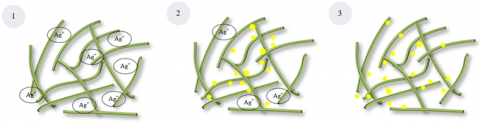
The main approaches to enhancing the antibacterial performance of textile materials include both physical and chemical methods. Physical methods mainly involve using nanotechnology to embed nanoparticles into textile materials. These nanoparticles have strong antibacterial effects and can effectively inhibit bacterial growth through mechanisms such as releasing reactive oxygen species or damaging the cell membrane. Chemical methods involve chemically treating textile materials, such as coating antibacterial agents or copolymerizing antibacterial functional groups into the fibers, to enhance the antibacterial performance of the textiles. These antibacterial agents can react with the bacterial cell wall, preventing its reproduction or directly killing the bacteria. Moreover, with the increasing awareness of environmental protection and health, the use of organic and bio-based antibacterial agents has gradually increased in recent years. These natural or biodegradable antibacterial substances are not only safe and environmentally friendly, but also reduce the negative impact on the environment. Figure 1 shows a schematic diagram of the microstructure of textile materials with different antibacterial agents introduced.
Temperature rise has a significant impact on the antibacterial performance of textile materials, especially in sports, outdoor, or other high-temperature environments. The textile materials may undergo changes in their surface structure or functional groups due to temperature rise, which in turn affects the release of antibacterial agents and their antibacterial effects. Therefore, by incorporating the temperature rise factor and analyzing the antibacterial behavior of textile materials under different temperature conditions using thermodynamic methods, the antibacterial effects in actual usage scenarios can be more accurately simulated. In this study, we first establish a multivariable linear regression model, combining temperature rise with other factors to quantitatively analyze the changing trends of antibacterial performance under different conditions. Relevant research can reveal the intrinsic relationship between temperature and material antibacterial performance, providing a theoretical basis for optimizing the antibacterial performance of textile materials.
Specifically, we take the maximum temperature rise and average temperature rise as the dependent variables. The relationship between these two variables and the content of antibacterial agents and the structure of the textile is quantitatively described through the multivariable linear regression model. Through the regression model, we can clearly identify how temperature changes interact with variations in antibacterial agent content and material structure, leading to the enhancement or decline of antibacterial performance. In thermodynamic analysis, temperature changes affect the molecular motion state and reaction activity. Therefore, the maximum temperature rise and average temperature rise in the model are key factors for describing the impact of temperature rise on antibacterial performance. The expression of the multivariable linear regression model constructed is as follows:
$b={{\varepsilon }_{0}}+{{\alpha }_{1}}{{a}_{1}}+{{\alpha }_{2}}{{a}_{2}}+\cdots +{{\alpha }_{o}}{{a}_{o}}+\gamma $ (1)
Figure 1. Schematic diagrams of the microstructure of textile materials with different antibacterial agents introduced: 1) Silver ions introduced; 2) Silver ions and nanoparticles introduced; 3) Nanoparticles introduced
Through the construction of the multivariable linear regression model, the changes in the maximum temperature rise and the average temperature rise can be explained in two parts. The relationship between these two variables and the antibacterial agent content and material structure is quantitatively described through the multivariable linear regression model. First, the temperature rise change caused by antibacterial agent content and structural changes is expressed as b=α0+α1a1+α2a2+...+αoao, which reflects the linear response of antibacterial performance during temperature rise, illustrating the thermodynamic interaction between the antibacterial agent and the textile material. For example, the release of the antibacterial agent may be positively correlated with temperature, where the temperature rise leads to a rapid release of the antibacterial agent, thereby enhancing antibacterial performance. Second, the error term γ in the regression model represents fluctuations in antibacterial performance caused by other unknown factors or random environmental changes. These factors may include experimental errors, material inhomogeneities, etc. By estimating the regression coefficients α0, α1, α2,…, we can quantify the contributions of temperature rise, antibacterial agent content, and material structure to antibacterial performance, further revealing the complex relationship between temperature rise and antibacterial performance in the thermodynamic process. Taking the conditional expectation of both sides, we get the multivariable linear regression equation:
$R\left( b \right)={{\alpha }_{0}}+{{\alpha }_{1}}{{a}_{1}}+{{\alpha }_{2}}{{a}_{2}}+\cdots +{{\alpha }_{o}}{{a}_{o}}$ (2)
In order to accurately estimate the unknown parameters in the multivariable linear regression equation, statistical tests of the model are necessary. The goodness of fit is typically evaluated using the coefficient of determination R2, which indicates the proportion of variation explained by the regression model relative to the total variation. In the constructed model, the relationship between temperature rise and antibacterial performance is influenced by multiple factors, including the temperature rise being related not only to the release rate of antibacterial agents but also to the material structure changes induced by temperature. Therefore, the goodness-of-fit test of the regression model can help determine the explanatory power of temperature rise on antibacterial performance, ensuring that the constructed model accurately reflects the thermodynamic dynamics during the temperature rise process. A high R2 value indicates that the impact of temperature rise on antibacterial performance is well represented in the regression model. In contrast, a low R2 value may suggest that the model is not yet refined and has failed to capture key thermodynamic factors effectively. Suppose the degrees of freedom for SSE and SST are denoted by v-o-1 and v-1, respectively. The mean square error is expressed as SSE/v-o-1, with the specific definition given by:
$\overline{{{R}^{2}}}=1-\frac{\frac{SSE}{v-o-1}}{\frac{SST}{v-1}}$ (3)
The significance test of the regression equation is an important step in verifying whether the explanatory variables have a significant effect on the dependent variable, i.e., temperature rise. We conduct the significance tests using the F-test and t-test. The F-test is used to determine whether the entire regression equation is significant, i.e., whether variables such as antibacterial agent content and material structure jointly influence the temperature rise. If the p-value of the F-test is smaller than the significance level, the regression equation is significant, indicating that there is a significant linear relationship between antibacterial agent content, material structure changes, and temperature rise. The t-test checks whether each regression coefficient is significantly different from zero, i.e., whether each independent variable significantly contributes to the temperature rise. In the context of thermodynamics, the significance tests help researchers identify which factors, such as the concentration of the antibacterial agent and the type of material structure, significantly influence antibacterial performance under different temperature rise conditions, thereby further optimizing the design of textile materials. Let the number of explanatory variables in the multivariable linear regression equation be denoted by O, and the mathematical definition of the F-test is:
$F=\frac{{\sum\limits_{u=1}^{v}{{{\left( {{b}_{u}}-\bar{b} \right)}^{2}}}}/{O}\;}{{\sum\limits_{u=1}^{v}{{{\left( {{b}_{u}}-\bar{b} \right)}^{2}}}}/{\left( v-O-1 \right)}\;}$ (4)
The relationship between the F-statistic and R2 is given by:
$F=\frac{{{{R}^{2}}}/{O}\;}{{\left( 1-{{R}^{2}} \right)}/{\left( v-O-1 \right)}\;}$ (5)
Residual analysis examines the errors in the regression model to ensure that the assumptions of the regression model are met. In thermodynamic regression models, residual analysis is particularly important because the impact of temperature on antibacterial performance may be influenced by multiple factors such as experimental errors and material inhomogeneities, which are reflected in the residuals. The residuals should satisfy the assumptions of being independently and identically distributed, with a mean of zero and constant variance. If the residuals exhibit autocorrelation or heteroscedasticity, it indicates that the regression model may be biased and requires further improvement. For instance, if the residuals exhibit time-series correlation, it may suggest that there are some unconsidered temperature effects or thermal reaction processes during temperature rise, which causes the relationship between temperature rise and antibacterial performance to be incompletely captured. In this study, we use the DW test method to infer whether autocorrelation exists in the sample sequence, with the formula given by:
$FQ=\frac{\sum\limits_{s=2}^{v}{{{\left( {{r}_{s}}-{{r}_{s-1}} \right)}^{2}}}}{\sum\limits_{s=2}^{v}{{{r}_{s}}^{2}}}$ (6)
Multicollinearity analysis is a key step in testing whether there is high correlation between the explanatory variables in the regression equation. If antibacterial agent content and material structure are highly correlated under certain conditions, it may lead to multicollinearity, that is, an excessively strong linear dependence between the explanatory variables, which could affect the estimation and explanatory power of the regression model parameters. This is because material temperature rise is influenced by multiple factors, including the concentration of antibacterial agents, material structure, and temperature changes. If there is a strong correlation between these factors, such as a high concentration of antibacterial agent possibly causing changes in material structure, certain regression coefficients in the regression equation may become unstable, affecting the reliability of the model. In this study, tolerance and variance inflation factors (VIF) are used for specific analysis, as shown in the following formulas:
$To{{l}_{u}}=1-R_{u}^{2}$ (7)
$VI{{F}_{u}}=\frac{1}{1-R_{u}^{2}}$ (8)
From a thermodynamic perspective, the heating process is not just a simple temperature change, but involves a series of complex thermal effects, such as heat conduction inside and outside the material, molecular dynamics, and chemical reactions. High temperatures can increase the rate of molecular movement, which accelerates the diffusion of antibacterial agent molecules to the surface of the textile material, thereby improving its antibacterial activity. At the same time, the increase in temperature can also strengthen the interaction between the antibacterial agent and the textile material, potentially promoting the dissociation, release, or binding of the antibacterial agent to bacterial cells, thereby enhancing antibacterial effectiveness. However, these changes are usually nonlinear and are affected by factors such as the thermal stability of the material, the type of antibacterial agent, and its distribution within the textile material. Therefore, the relationship between temperature rise and antibacterial performance needs to be revealed through quantitative analysis, and correlation analysis provides an effective method for this.
In the specific analysis process, the first step is to calculate the correlation coefficients of the samples to evaluate the linear relationship between temperature rise and antibacterial performance. Under high-temperature conditions, temperature rise changes can have a direct or indirect impact on antibacterial performance, especially since high temperatures may accelerate the release of antibacterial agents or intensify antibacterial reactions. Therefore, the influence of temperature on antibacterial agent behavior must be considered when constructing the correlation model. By performing statistical analysis on temperature rise values and antibacterial performance data from multiple samples, the Pearson correlation coefficient obtained can quantify the strength of the linear relationship between temperature rise and antibacterial performance. A high correlation coefficient indicates a significant positive correlation between temperature rise and antibacterial effect, meaning that increased temperature can effectively enhance antibacterial performance. Conversely, a low correlation coefficient may suggest that the impact of temperature is small or that antibacterial performance is dominated by other factors such as antibacterial agent concentration or material structure. The formula for calculating the correlation coefficient is as follows:
$e=\frac{\sum\limits_{u=1}^{v}{\left( {{a}_{u}}-\bar{a} \right)\left( {{b}_{u}}-\bar{b} \right)}}{\sqrt{\sum\limits_{u=1}^{v}{{{\left( {{a}_{u}}-\bar{a} \right)}^{2}}}\sum\limits_{u=1}^{v}{{{\left( {{b}_{u}}-\bar{b} \right)}^{2}}}}}$ (9)
$e=1-\frac{6\sum\limits_{u=1}^{v}{F_{u}^{2}}}{v\left( {{v}^{2}}-1 \right)}$ (10)
$\pi =\left( I-N \right)\frac{2}{v\left( v-1 \right)}$ (11)
In addition to calculating the correlation coefficient, another critical step is determining whether the correlation is significant. Under high-temperature conditions, the antibacterial performance of textile materials may be affected by more complex thermal effects, such as pyrolysis reactions, molecular structural changes, and material thermal stability. Thus, the relationship between temperature rise and antibacterial performance may not be purely linear. To test whether the correlation is significant, researchers need to perform hypothesis testing, typically using the t-test to determine whether the correlation coefficient significantly differs from zero. If the test results show that the p-value is smaller than the significance level (typically set at 0.05), it can be concluded that there is a significant linear relationship between temperature rise and antibacterial performance. Under high-temperature conditions, the effect of temperature on antibacterial performance becomes more pronounced. If the significance test passes, it indicates that temperature rise is indeed an important factor influencing antibacterial performance. On the contrary, if the test does not pass, it may suggest that the temperature rise effect is insufficient to cause significant changes in antibacterial performance, or that improvements in antibacterial performance depend more on other thermodynamic factors, such as the initial concentration of the antibacterial agent or the thermal response of the material surface.
Furthermore, the correlation analysis conducted under high-temperature conditions should also take into account the interactions between various factors. In practical studies of antibacterial performance of textile materials, temperature changes, antibacterial agent concentration, material structural types, and environmental factors may interact in complex ways, with these factors collectively determining the antibacterial performance. For example, under high-temperature conditions, the antibacterial agent may release rapidly within a short time, whereas at lower temperatures, it may release more slowly. This behavior is closely related to the material's thermal diffusion characteristics and the thermal stability of the antibacterial agent. To fully understand the relationship between temperature rise and antibacterial performance, in addition to single-factor correlation analysis, multi-factor analysis or multivariable regression analysis is required. This approach can simultaneously consider the interactions between temperature rise and other factors, revealing more complex thermodynamic effects. By analyzing the contributions of different factors to antibacterial performance, we can better understand the release mechanism of the antibacterial agent and its behavior in different materials under high-temperature conditions, thereby providing strong data support for the design and optimization of antibacterial textiles.
The testing methods for the antibacterial performance of textile materials mainly include qualitative tests, quantitative tests, and antifungal tests. The qualitative testing method is often used for preliminary judgment of the antibacterial effect of materials, with common methods such as the plate method or agar diffusion method. The antibacterial effect is inferred by observing the size of the inhibition zone. However, the results of qualitative tests are easily influenced by experimental operations and have large errors, so they can only serve as a preliminary screening method for antibacterial performance. In contrast, quantitative testing methods provide a more precise evaluation of antibacterial effects. Common quantitative methods include the flask oscillation method and the absorption method. The flask oscillation method involves placing the textile material to be tested in a bacterial culture solution, where oscillation ensures full contact between the bacteria and the antibacterial agent. The antibacterial performance is quantitatively assessed by comparing the number of viable bacteria in the culture solution before and after treatment. This method is commonly used and effectively reflects the bactericidal ability of the antibacterial agent. Another quantitative testing method is the absorption method, which determines the amount of antibacterial agent adsorbed on the surface of the textile material. Combined with colony count results, the antibacterial performance is evaluated. The absorption method is particularly suitable for materials where the antibacterial agent works through physical adsorption rather than chemical reaction, as it can accurately measure the effective release amount of the antibacterial agent and its duration of action.
The antibacterial performance testing method in this paper follows the standards of GB/T 20944.3-2008 Evaluation of Antibacterial Performance of Textile Materials - Part 3: Oscillation Method, using Staphylococcus aureus and Escherichia coli as test strains. Considering that the antibacterial agent fibers used in this experiment are made by melt spinning, these fibers can effectively fix the antibacterial agent. Therefore, even after multiple washes, the antibacterial effect remains almost unaffected. Thus, the washing process is omitted in this experiment. Below are the six steps of the antibacterial performance test for textile materials in this study, explained in conjunction with the research objectives of thermodynamics.
Step 1: Pre-treatment of Fabric Samples
In the first step of the experiment, fabric samples need to be pretreated. The fabric to be tested is cut into small pieces of 0.1 g, placed in a beaker, and covered with newspaper to avoid contamination from exposure to the external environment after sterilization. The key to this step is accurate weighing of the samples and maintaining a clean environment to avoid any potential sources of contamination. In conjunction with thermodynamic methods, the initial state of the samples during pre-treatment may affect the subsequent antibacterial performance testing. To ensure the accuracy of the experiment, environmental variables such as temperature and humidity should be controlled to reduce interference. By stabilizing the environmental conditions, it ensures that the antibacterial agent and bacteria react in the most suitable thermodynamic state, thus improving the reliability of the experiment.
Step 2: Preparation of Agar Plates
Next, prepare the nutrient agar medium and sterilize it using a high-pressure steam sterilizer to ensure the sterility of the medium. The thermodynamic principle in this process mainly involves high-temperature sterilization and constant-temperature cultivation. The agar is dissolved by stirring at 80℃, ensuring uniform dissolution of the agar and sterility, which is crucial for the subsequent bacterial growth. The cooling and inverted storage of the Petri dishes should also be done at a constant temperature to avoid crystallization or changes in the properties of the medium due to uneven temperature, ensuring the stability and reproducibility of the test results.
Step 3: Dilution of Bacterial Suspension
The dilution process of the bacterial suspension controls the concentration of the bacterial solution to the appropriate level, usually by continuous dilution to reduce the bacterial concentration to a range suitable for testing. Specifically, the concentration of Staphylococcus aureus and Escherichia coli is reduced from an initial 109 CFU/ml to 106 CFU/ml by continuous dilution. In this process, thermodynamic principles are reflected in controlling the environmental conditions for bacterial growth. For example, the temperature and pH of the liquid medium directly affect the activity and reproduction rate of the bacteria, so dilution and cultivation must be done under ideal temperature and pH conditions.
Step 4: Preparation of Inoculum
At this stage, the bacterial suspension is further diluted and mixed with PBS buffer before being added to the agar plates for inoculation. Appropriate concentration gradients (such as 105 CFU/ml, 104 CFU/ml, 103 CFU/ml) are selected to provide multiple bacterial concentrations for evaluating antibacterial performance. In thermodynamic terms, the temperature of the inoculum is critical. Temperature fluctuations can cause changes in bacterial activity, affecting the test results of antibacterial effects. Therefore, during this process, the experimenter should ensure that the inoculum temperature remains within an appropriate range (usually room temperature or 37℃), ensuring that the bacteria can grow actively after inoculation.
Step 5: Preparation of Petri Dishes
After inoculation, the bacterial suspension needs to be evenly spread on the surface of the nutrient agar and the Petri dishes inverted and placed in a water-jacketed incubator at 37℃ for 24 hours. The key thermodynamic factor in this process is the maintenance of the constant-temperature cultivation environment. The diffusion and growth of the bacterial suspension are affected by thermodynamic conditions such as temperature and humidity. Excessively high or low temperatures will affect bacterial growth. The control of temperature and humidity in the incubator is crucial to simulate the bacterial growth environment under normal physiological conditions.
Step 6: Colony Counting
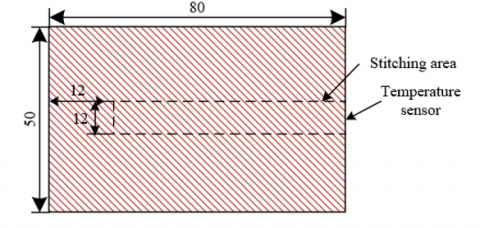
Finally, the antibacterial rate is calculated using the colony counting method. The bacterial culture results in the Petri dishes are photographed and analyzed through image processing. The antibacterial rate is calculated based on the difference in colony counts between the control group and the experimental group. The thermodynamic principles in this step mainly involve the control of the environment for colony formation. The number of colonies directly reflects the thermodynamic state of bacterial growth in the medium. If the distribution of the antibacterial agent in the fibers is uneven or its antibacterial activity is unstable, bacterial growth will be affected, thus impacting the evaluation of antibacterial effects. By carefully controlling thermodynamic variables such as temperature, humidity, and the temperature of the medium throughout the experiment, the accuracy of colony counting can be effectively improved, ensuring the accuracy of the test results. Figure 2 shows the schematic diagram of sample sewing and data collection. Let X represent the colony count in the control group and Y represent the colony count in the experimental group. The formula for calculating the fabric antibacterial rate is as follows:
$B={\left( X-Y \right)}/{X}\;\times 100%$ (12)
Figure 2. Schematic diagram of sample sewing and data collection
Based on the data in Table 1, we can observe the differences in the average temperature rise and maximum temperature rise within 30 minutes for different textile material samples. In the woven fabrics, the sample with a polyester/cotton ratio of 24/74 has an average temperature rise of 3.4℃ and a maximum temperature rise of 4.7℃, while the samples with polyester/cotton ratios of 51/51 and 74/24 show average temperature rises of 3.1℃ and 2.6℃, and maximum temperature rises of 4.1℃ and 3.1℃, respectively. In knitted fabric samples, the sample with a polyester/cotton ratio of 24/74 shows an average temperature rise of 3.1℃ and a maximum temperature rise of 4.36℃, while the samples with polyester/cotton ratios of 51/51 and 74/24 show average temperature rises of 2.1℃ and 1.8℃, and maximum temperature rises of 3.57℃ and 2.18℃, respectively. The control group (51/51) shows lower temperature rises in both woven and knitted fabrics, with average temperature rises of 1.8℃ and 1.2℃, and maximum temperature rises of 2.85℃ and 1.49℃. Nonwoven fabric samples exhibit the highest temperature rises, with the sample of polyester/cotton ratio 41/61 showing an average temperature rise of 3.5℃ and a maximum temperature rise of 5.6℃, while the 71/31 and 84/14 nonwoven fabric samples show average temperature rises of 3.2℃ and 2.4℃, and maximum temperature rises of 4.21℃ and 2.7℃, respectively. These data indicate that different textile materials and ratios exhibit significant differences in their temperature rise response.
From the experimental data, it is clear that the polyester/cotton ratio has a significant impact on the temperature rise of textile materials. Samples with a higher proportion of polyester in the ratio (e.g., 24/74) generally show higher temperature rises, while those with a 51/51 or 74/24 polyester/cotton ratio show relatively lower temperature rises. This suggests that polyester fibers may have a greater impact on the material's heat conductivity or heat accumulation. The temperature rise trends for woven and knitted fabrics are similar, but woven fabrics generally show higher temperature rises for the same ratio, which may be related to the density and structure of the woven fabric, resulting in poorer heat conductivity and thus higher temperature rises. Nonwoven fabrics generally exhibit higher temperature rises, particularly in the sample with a 41/61 polyester/cotton ratio, showing a more significant heat accumulation effect.
According to the multiple linear regression analysis results provided in Table 2 and Table 3, it can be observed that the antibacterial agent content, fabric type, and its structure have a significant impact on the temperature rise value. In Table 2, the regression model for the maximum temperature rise value indicates that the antibacterial agent content has a negative effect on the maximum temperature rise value (B=-0.045, p=0.001), meaning that an increase in antibacterial agent content will reduce the temperature rise. Additionally, the types of woven fabric, knitted fabric, and nonwoven fabric also significantly affect the temperature rise value, with the regression coefficients for woven fabric and knitted fabric being 0.725 and 1.638, respectively, both showing statistical significance (p<0.05), indicating that the structural characteristics of these two materials have a positive effect on the temperature rise. Specifically, the temperature rise value for knitted fabric is relatively higher, possibly due to its loose weaving structure and higher heat accumulation properties. The regression analysis results for the average temperature rise value in Table 3 are similar, with the effect of antibacterial agent content being negative (B=-0.021, p=0.000), and the woven fabric and knitted fabric also showing significant positive coefficients in the model, at 0.826 and 1.126, respectively. Nonwoven fabric did not show an estimable coefficient in the regression model, possibly due to its simple structure or data missing.
From the regression analysis results, it can be concluded that there is a significant negative correlation between the antibacterial agent content and the temperature rise value of textile materials. This means that increasing the antibacterial agent content may help reduce the temperature rise of the material, thus reducing the change in antibacterial performance caused by the temperature rise. This phenomenon suggests that the application of antibacterial agents not only affects the antibacterial performance of textile materials but may also have an impact on their thermal properties. Regarding fabric types, the structure of woven and knitted fabrics significantly affects the temperature rise value, especially knitted fabric, which, due to its looser textile structure, may lead to a higher temperature rise compared to woven fabric. This could have different effects on antibacterial performance, particularly in high-temperature environments, where excessive temperature rise may reduce the antibacterial effect of the material. Therefore, when improving antibacterial performance, it is important to consider the antibacterial agent content, fabric structure, and the material's thermal properties comprehensively, in order to achieve a balance and optimization between antibacterial performance and thermal properties.
Table 1. Average temperature rise and maximum temperature rise of textile material samples within 30 minutes
|
Sample No. |
Fabric Structure |
Polyester/Cotton Ratio |
Average Temperature Rise /℃ |
Maximum Temperature Rise /℃ |
|
1 |
Woven |
24/74 |
3.4 |
4.7 |
|
2 |
51/51 |
3.1 |
4.1 |
|
|
3 |
74/24 |
2.6 |
3.1 |
|
|
4(Control) |
51/51 |
1.8 |
2.8 |
|
|
5 |
Knitted |
24/74 |
3.1 |
4.3 |
|
6 |
51/51 |
2.1 |
3.5 |
|
|
7 |
74/24 |
1.8 |
2.1 |
|
|
8(Control) |
51/51 |
1.2 |
1.4 |
|
|
9 |
Nonwoven |
41/61 |
3.5 |
5.6 |
|
10 |
71/31 |
3.2 |
4.2 |
|
|
11 |
84/14 |
2.4 |
2.7 |
Table 2. Multiple linear regression analysis of maximum temperature rise in textile materials
|
Model |
Coefficient a |
||||||
|
Unstandardized Coefficient |
Standardized Coefficient |
t |
Significance |
Collinearity Statistics |
|||
|
B |
Standard Error |
Beta |
Tolerance |
VIF |
|||
|
(Constant) |
5.545 |
0.421 |
|
12.458 |
0.000 |
|
|
|
Antibacterial Agent Content |
-0.045 |
0.007 |
-0.915 |
-6.652 |
0.001 |
0.879 |
1.215 |
|
Woven Fabric |
0.725 |
0.326 |
0.326 |
2.125 |
0.0078 |
0.745 |
1.236 |
|
Knitted Fabric |
1.638 |
0.338 |
0.726 |
4.563 |
0.005 |
0.679 |
1.356 |
|
Nonwoven Fabric |
0 |
|
|
|
|
|
|
|
a. Dependent Variable: Maximum Temperature Rise |
|||||||
Table 3. Multiple linear regression analysis results of average temperature rise for textile materials
|
Model |
Coefficient a |
||||||
|
Unstandardized Coefficient |
Standardized Coefficient |
t |
Significance |
Collinearity Statistics |
|||
|
B |
Standard Error |
Beta |
Tolerance |
VIF |
|||
|
(Constant) |
3.256 |
0.156 |
|
22.325 |
0.000 |
|
|
|
Antibacterial Agent Content |
-0.021 |
0.003 |
-0.779 |
-8.125 |
0.000 |
0.875 |
1.215 |
|
Woven Fabric |
0.826 |
0.132 |
0.665 |
6.623 |
0.001 |
0.745 |
1.235 |
|
Knitted Fabric |
1.126 |
0.128 |
0.879 |
8.237 |
0.000 |
0.679 |
1.369 |
|
Nonwoven Fabric |
0 |
|
|
|
|
|
|
|
a. Dependent Variable: Maximum Temperature Rise |
|||||||
Table 4. Basic performance data of textile material samples
|
Sample No. |
Antibacterial Agent Content (%) |
Weight (g.m²) |
Air Permeability (mm.s⁻¹) |
Water Vapor Permeability (g.(m².h)⁻¹) |
Maximum Temperature Rise (℃) |
|
1 |
24 |
223.5 |
612.562 |
135.26 |
4.7 |
|
2 |
51 |
265.2 |
758.625 |
156.23 |
4.1 |
|
3 |
74 |
2686 |
789.325 |
178.25 |
3.1 |
|
5 |
24 |
223.1 |
1456.325 |
135.62 |
4.3 |
|
6 |
51 |
2563 |
1458.369 |
154.26 |
3.5 |
|
7 |
74 |
245.2 |
2356.254 |
164.58 |
2.1 |
|
9 |
41 |
214.5 |
1235.235 |
142.32 |
5.6 |
|
10 |
71 |
229.5 |
1236.254 |
149.26 |
4.2 |
|
11 |
84 |
238.6 |
1325.235 |
168.23 |
2.7 |
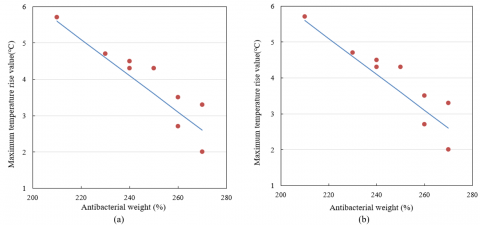
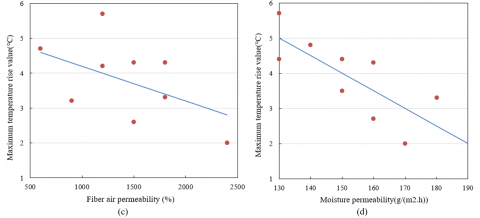
From the basic performance data in Table 4, we can observe the differences in antibacterial agent content, weight, air permeability, water vapor permeability, and maximum temperature rise values across different samples. Figure 3 shows the linear correlation between maximum temperature rise and antibacterial agent content (a), weight (b), air permeability (c), and water vapor permeability (d). From the figure, it is clear that the antibacterial agent content ranges from 24% to 84%. Among the samples, the one with a polyester-cotton ratio of 24/74 has the lowest antibacterial agent content (24%), while the sample with a ratio of 84/14 has the highest content (84%). There are also variations in weight and air permeability. For example, the polyester-cotton ratio of 24/74 has a weight of 223.5 g/m² and an air permeability of 612.56 mm/s, while the sample with an 84/14 ratio has a weight of 238.6 g/m² and an air permeability of 1325.23 mm/s. This suggests that higher antibacterial agent content may be associated with higher weight and better air permeability. The water vapor permeability varies widely, from a minimum of 135.26 g/(m²·h) to a maximum of 178.25 g/(m²·h), which may be closely related to the fiber structure, moisture absorption performance, and fabric type. In terms of the maximum temperature rise, the values range from 2.19℃ to 5.61℃. Among the samples, those with higher antibacterial agent content, such as nonwoven fabrics (41% and 84%), exhibit higher temperature rises (5.61℃ and 2.7℃, respectively), while the woven and knitted fabric samples with lower antibacterial agent content show lower maximum temperature rise values.
Figure 3. Linear correlation between maximum temperature rise and antibacterial agent content (a), Weight (b), Air permeability (c), and Moisture permeability (d)
Table 5. Correlation coefficients between temperature rise and antibacterial agent usage in textile materials
|
Correlation |
|||
|
|
|
Maximum Temperature Rise |
Average Temperature Rise |
|
Antibacterial Agent Content |
Pearson Correlation |
-0.725* |
-0.589 |
|
Sig.(Two-tailed) |
0.021 |
0.087 |
|
|
Number of Cases |
9 |
9 |
|
|
Weight |
Pearson Correlation |
-0.826** |
-0.715* |
|
Sig.(Two-tailed) |
0.005 |
0.028 |
|
|
Number of Cases |
9 |
9 |
|
|
Air Permeability
|
Pearson Correlation |
-0.512 |
-0.715* |
|
Sig.(Two-tailed) |
0.187 |
0.032 |
|
|
Number of Cases |
9 |
9 |
|
|
Moisture Permeability
|
Pearson Correlation |
-0.726* |
-0.546 |
|
Sig.(Two-tailed) |
0.024 |
0.132 |
|
|
Number of Cases |
9 |
9 |
|
From the data analysis, it can be concluded that antibacterial agent content has a certain impact on the thermal and basic performance of textile materials. Samples with higher antibacterial agent content generally exhibit higher weight and better air permeability, such as the sample with 84% antibacterial agent content, which has an air permeability of 1325.23 mm/s. This suggests that higher antibacterial agent content may improve antibacterial performance while also increasing the density and air permeability of the material. However, these samples also show higher maximum temperature rise values, indicating that while the antibacterial agent improves antibacterial performance, it may also increase the thermal accumulation effect, which could affect the material's stability and comfort in high-temperature environments. Conversely, samples with lower antibacterial agent content, although they have lower temperature rise values, may have weaker antibacterial performance. Therefore, in practical applications, it is necessary to balance temperature rise, antibacterial effectiveness, and comfort.
Table 5 shows the correlation between temperature rise and antibacterial agent usage in different textile materials. According to the Pearson correlation coefficient, there is a significant negative correlation between antibacterial agent content and maximum temperature rise (r = -0.725, p = 0.021), meaning that the higher the antibacterial agent content, the lower the maximum temperature rise of the material. This indicates that an increase in the antibacterial agent content in textile materials may help reduce the thermal accumulation of the material. In comparison with the average temperature rise, the correlation between antibacterial agent content and average temperature rise is weaker (r = -0.589, p = 0.087), but still negative, suggesting that the relationship between antibacterial agent content and temperature rise is somewhat similar. Furthermore, the correlation between weight and temperature rise also shows a significant negative correlation, particularly with the maximum temperature rise (r = -0.826, p = 0.005). The correlation between air permeability and temperature rise is weak, but there is a significant negative correlation between moisture permeability and maximum temperature rise (r = -0.726, p = 0.024), indicating that materials with better moisture permeability may help reduce temperature rise and thermal accumulation. The correlation between Kroger value and maximum temperature rise is significantly positive (r = 0.725, p = 0.023), suggesting that higher Kroger values may be associated with higher temperature rise, likely due to the fact that Kroger value reflects the durability and strength of the material, which may influence thermal accumulation.
From the data analysis, several important conclusions can be drawn. First, the increase in antibacterial agent content is negatively correlated with the temperature rise of textile materials, indicating that the use of antibacterial agents not only helps improve the antibacterial effect but may also have a positive impact on the thermal performance of the material, particularly in terms of maximum temperature rise. Higher antibacterial agent content may help reduce thermal accumulation by improving the microstructure of the material, thereby preventing excessive temperature rise that could negatively affect antibacterial performance. Second, the weight of the material shows a significant negative correlation with temperature rise, meaning that heavier textile materials generally have lower temperature rises, possibly because thicker fabrics can absorb and disperse heat more effectively. Both air permeability and moisture permeability are related to temperature rise, especially the negative correlation between moisture permeability and maximum temperature rise, suggesting that materials with better water vapor permeability can effectively reduce thermal accumulation, thus improving wearing comfort.
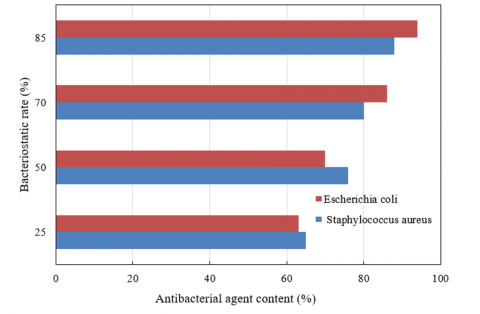
According to the data in Figure 4, as the antibacterial agent content increases, the antibacterial effect of the textile materials against two major pathogens (Staphylococcus aureus and Escherichia coli) gradually improves. Specifically, in the antibacterial test for Staphylococcus aureus, as the antibacterial agent content increased from 25% to 85%, the antibacterial effect significantly improved, rising from 65% (with 25% antibacterial agent) to 88% (with 85% antibacterial agent). Similarly, for Escherichia coli, the antibacterial effect increased from 63% at 25% antibacterial agent content to 94% at 85% antibacterial agent content. This data indicates that the antibacterial agent content has a significant positive impact on the antibacterial effect, and with increasing content, the antibacterial performance gradually improves. These results validate the effectiveness of the antibacterial agent in textile materials, and the antibacterial effect exhibits a similar trend against different types of bacteria.
Figure 4. Bar chart of antibacterial test results for textile materials
From the experimental results, it can be concluded that the antibacterial agent content has a clear impact on the antibacterial performance of textile materials. The antibacterial effect against Staphylococcus aureus and Escherichia coli significantly improves as the antibacterial agent content increases, particularly when the content reaches 85%, where the antibacterial effect approaches saturation, with inhibition rates of 88% and 94%, respectively. This indicates that appropriately increasing the antibacterial agent content can effectively improve the antibacterial performance of textile materials. However, it is important to note that although increasing the antibacterial agent content improves the antibacterial performance, the improvement in antibacterial effect becomes less significant with further increases in content. Therefore, in actual production, it is essential to choose an appropriate antibacterial agent content to balance cost and performance. The results of this study provide experimental evidence for optimizing antibacterial functional textiles and suggest that when developing antibacterial materials, attention should be paid to the relationship between antibacterial agent content and performance to achieve the best antibacterial effect.
This study explored the comprehensive impact of different factors on the antimicrobial performance of textile materials by combining thermodynamic methods and the application of antimicrobial agents. The core content of the research includes: on one hand, through multiple linear regression analysis, a prediction model considering the temperature rise on antimicrobial performance was established, exploring how factors such as antimicrobial agent content, fabric weight, and moisture permeability work together to affect the antimicrobial effect of textile materials; on the other hand, systematic experimental tests were conducted to verify the effectiveness and reliability of the regression analysis model in practical applications. The experimental results show that the increase in antimicrobial agent content is significantly positively correlated with the antimicrobial performance of textile materials, especially in terms of the inhibition effect on Staphylococcus aureus and Escherichia coli, where the enhancement of antimicrobial agent content significantly improves antimicrobial performance. In addition, controlling the temperature rise and managing heat accumulation are crucial for improving the thermal comfort and antimicrobial effect of materials, especially in high-temperature environments, where materials with lower heat accumulation may more effectively maintain antimicrobial performance.
The research in this paper has significant practical value, especially in the design and development of functional textiles. By introducing thermodynamic methods to analyze the effect of temperature rise on antimicrobial performance, the study not only optimizes the performance of antimicrobial materials but also provides new theoretical and technical pathways to balance antimicrobial effects and thermal comfort. However, this study also has certain limitations. First, the experimental samples are limited to some common bacteria, and future research should consider a wider range of microbial species to further verify the broad-spectrum antimicrobial effect of antimicrobial agents. Second, the regression model may not have fully considered other environmental factors (such as humidity, light, etc.) that could affect antimicrobial performance, which is an important direction for future research. Additionally, although the study results show that increasing antimicrobial agent content significantly improves antimicrobial performance, excessive use of antimicrobial agents may affect other physical properties of the materials, especially wearing comfort. Future research can further explore the optimal amount of antimicrobial agent usage and its balancing effect on other material functions. Overall, this study provides theoretical guidance for the design of functional antimicrobial textile materials and offers valuable experience and data support for optimizing antimicrobial performance, improving thermal comfort, and enhancing the overall performance of materials in future practical production.
This research project was funded by the Research Project on Vocational Education and Teaching Reform in Hebei Province in 2024, titled "Research on the Construction of Multiple Collaborative Education Model for Garment Majors of Vocational Undergraduates from the perspective of Science and Education Integration" (Grant No.: 2024ZJJGGB36).
[1] Huang, Y., Yuan, Q., Lu, Z., Wang, W., Liu, K., Chen, Y., Qiu, Y. (2019). Facile preparation and characterization of a nanofiber-coated textile with durable and rechargeable antibacterial activity. New Journal of Chemistry, 43(43): 17116-17122. https://doi.org/10.1039/C9NJ04033A
[2] Hilgenberg, B., Vossebein, L. (2018). Test method dependent efficacy of antibacterial textiles. Tenside Surfactants Detergents, 55(5): 398-403. https://doi.org/10.3139/113.110581
[3] Vihodceva, S., Ramata-Stunda, A., Pumpure, A. (2018). Evaluation of dermal toxicity of antibacterial cotton textile coated by sol-gel technology. The Journal of the Textile Institute, 109(7): 961-966. https://doi.org/10.1080/00405000.2017.1394155
[4] Bu, Y., Zhang, S., Cai, Y., Yang, Y., Ma, S., Huang, J., Gu, S. (2019). Fabrication of durable antibacterial and superhydrophobic textiles via in situ synthesis of silver nanoparticle on tannic acid-coated viscose textiles. Cellulose, 26: 2109-2122. https://doi.org/10.1007/s10570-018-2183-7
[5] Hong, K.H., Kim, S. (2011). Objective evaluation of antimicrobial property of textile materials using image analysis. Fibers and Polymers, 12: 1048-1053. https://doi.org/10.1007/s12221-011-1048-6
[6] Zhang, L., Guo, F., Zuo, D. Y., Liao, S., Wang, Q., Liu, L., Yi, C. (2022). Effect of ozone washing on the antibacterial property of hemp yarn. The Journal of the Textile Institute, 113(12): 2569-2574. https://doi.org/10.1080/00405000.2021.1996731
[7] Abenova, I.R., Mokeeva, N.S., Talgatbekova, A.Z. (2023). The state of the art in the development of clothing from innovative materials for the rehabilitation of cancer patients. Inorganic Materials: Applied Research, 14(1): 57-63. https://doi.org/10.1134/S2075113323010021
[8] Xin, Y., Zhang, D., Qiu, G. (2021). Application of nanomaterials in safety intelligent clothing design. Integrated Ferroelectrics, 216(1): 262-275. https://doi.org/10.1080/10584587.2021.1911293
[9] Voznesensky, E.F., Timoshina, Y.A., Karimullin, I.I., Anisimova, N.Y., Larin, I.I., Statnik, E.S. (2022). Plasma methods for preparation of the substrate and fixing the nanoparticles in the obtaining of disposable antibacterial synthetic materials. Materials Letters, 308: 131193. https://doi.org/10.1016/j.matlet.2021.131193
[10] Liu, H. (2022). Clothing nanometer antimite and antibacterial based on deep learning technology. Journal of Nanomaterials, 2022(1): 4916197. https://doi.org/10.1155/2022/4916197
[11] Höfer, D. (2018). A real-life based evaluation of the effectiveness of antibacterial fabrics in treating atopic dermatitis. Dermatology Research and Practice, 2018(1): 7043438. https://doi.org/10.1155/2018/7043438
[12] Chaudhary, N.K., Bhattarai, A., Guragain, B., Bhattarai, A. (2020). Conductivity, surface tension, and comparative antibacterial efficacy study of different brands of soaps of Nepal. Journal of Chemistry, 2020(1): 6989312. https://doi.org/10.1155/2020/6989312
[13] Altun, Ö., Becenen, N. (2016). CdSe nanometerials: kinetics, thermodynamics, antioxidant activity and application to Denim fabric. Bulgarian Chemical Communications, 48(2): 311-316.
[14] Delgado, D.R., Sosnik, A., Martínez, F. (2011). Transfer thermodynamics of triclosan from water to organic solvents with different hydrogen bonding capability. Latin American Journal of Pharmacy, 30(3): 459-466.
[15] Li, J., Tian, X., Hua, T., Fu, J., Koo, M., Chan, W., Poon, T. (2021). Chitosan natural polymer material for improving antibacterial properties of textiles. ACS Applied BIO Materials, 4(5): 4014-4038. https://doi.org/10.1021/acsabm.1c00078
[16] Qiu, Q., Chen, S., Li, Y., Yang, Y., Zhang, H., Quan, Z., Yu, J. (2020). Functional nanofibers embedded into textiles for durable antibacterial properties. Chemical Engineering Journal, 384: 123241. https://doi.org/10.1016/j.cej.2019.123241
[17] Nikitina, L.N., Bogdanov, A.I., Shikov, P.A., Flyagina, T.A., Shikov, Y.A. (2021). Method and model for enchancing efficiency of chemical fiber use in textile industry. Fibre Chemistry, 52(5): 330-336. https://doi.org/10.1007/s10692-021-10207-z
[18] Koyutürk, A., Soyaslan, D.D. (2021). Development of antibacterial medical textile materials applied with aromatic oil. Emerging Materials Research, 10(2): 151-157. https://doi.org/10.1680/jemmr.20.00338
[19] Zhang, L.M., Chao, W.W., Liu, Z.Y., Cong, Y., Wang; Z.Q. (2022). Crack propagation characteristics during progressive failure of circular tunnels and the early warning thereof based on multi-sensor data fusion. Geomechanics and Geophysics for Geo-Energy and Geo-Resources, 8: 172. https://doi.org/10.1007/s40948-022-00482-3
[20] Ivanauskas, R., Ancutienė, I., Milašienė, D., Ivanauskas, A., Bronušienė, A. (2022). Effect of reducing agent on characteristics and antibacterial activity of copper-containing particles in textile materials. Materials, 15(21): 7623. https://doi.org/10.3390/ma15217623
[21] Luo, X., Yao, M.Y., Li, L. (2022). Application of chitosan in the form of textile: Production and sourcing. Textile Research Journal, 92(19-20): 3522-3533. https://doi.org/10.1177/00405175221080694
[22] Coman, D., Oancea, S., Vrinceanu, N. (2010). Biofunctionalization of textile materials by antimicrobial treatments: A critical overview. Romanian Biotechnological Letters, 15(1): 4913-4921.
[23] Huang, R., Zhang, S., Zhang, W., Yang, X. (2021). Progress of zinc oxide-based nanocomposites in the textile industry. IET Collaborative Intelligent Manufacturing, 3(3): 281-289. https://doi.org/10.1049/cim2.12029
[24] Zhang, L.M., Cong, Y., Meng, F.Z., Wang, Z.Q., Zhang, P., Gao, S. (2021). Energy evolution analysis and failure criteria for rock under different stress paths. Acta Geotechnica, 16(2): 569-580. https://doi.org/10.1007/s11440-020-01028-1
[25] Huang, R., Yang, X. (2022). The application of TiO2 and noble metal nanomaterials in tele materials. Journal of Ceramic Processing Research, 23(2): 213-220.