Hassan M. S. Al-Fayadh | Jwan Khaled Mohi | Zanyar Othman Omer | Ali M. Saadi*
© 2026 The authors. This article is published by IIETA and is licensed under the CC BY 4.0 license (http://creativecommons.org/licenses/by/4.0/).
OPEN ACCESS
The goal of this study was to conduct a microbiological evaluation and characterization of bacterial pathogens in chicken shawarma collected from specific locations in the Iraqi city of Mosul. Forty samples in all were chosen at random from ten distinct locations; four samples were taken from each site, each representing a different restaurant. The analysis was conducted using standard microbiological methods. The results showed moderate to high levels of contamination for total count (TC), which ranged from 5.02 to 5.20 log CFU/g. Escherichia coli was detected in all samples (3.14 to 4.07 log CFU/g), indicating the presence of a large amount of fecal matter and very low hygiene quality with regard to these chicken products studied, and Staphylococcus species. Meanwhile, the results afterward revealed a major span of 0.00–4.04 log CFU/g that proved to have food handlers as the source of contamination. Although Salmonella spp. still identified at trace levels (0.00–2.58 log CFU/g) in a few places, but their existence poses an ongoing threat to health as they are still pathogenic for humans. Biochemical identification by the Analytical Profile Index (API) system demonstrated proof for multiple Enterobacteriaceae that included E. coli, Klebsiella pneumoniae, Klebsiella oxytoca, and Shigella spp., which can be caused by diverse sources of contamination such as raw materials (product ingredients), environment, or human handling. Besides, the identification of methicillin-resistant Staphylococcus aureus (MRSA) reinforces a potential role for ready-to-eat (RTE) food items in the dissemination of antibiotic resistance. It can be concluded that chicken shawarma in Mosul is prone to microbial infection due to poor hygiene, lack of careful handling, and the low level of temperature control during preparation or serving. To reduce the risk of infection and protect public health, ongoing microbiological monitoring is essential to identify isolates, followed by important food safety measures and hygiene improvements highlighted in this study.
chicken shawarma, microbiological contamination, foodborne pathogens, Escherichia coli, Staphylococcus aureus, Salmonella spp., Enterobacteriaceae, food safety risk
Ready-to-eat (RTE) foods, notably meat-based products such as chicken shawarma, have wide appeal because they are affordable, convenient, and palatable, and offer good value. Nevertheless, these meals are very susceptible to microbial contamination as a result of their improper handling, poor hygiene, and exposure in contaminated environments throughout preparation and serving [1, 2]. The emergence of the vast network of fast-food chains and peak reliance by consumers on street-vended foods has worsened challenges concerning food safety problems and public health [3].
Food spoilage and foodborne illness are therefore critical in global health, especially given that bacteria are the most important pathogens. Contaminated foods have been associated with many pathogenic bacteria, including Escherichia coli and Salmonella spp., Staphylococcus aureus, Listeria monocytogenes, and Clostridium perfringens [4-6]. Cross-contamination by food handlers, equipment, and environmental exposure may also cause contamination at different stages (processing/shipping/storage/serving) of foods with these microbes [7]. Moreover, also rising concern about resistance in foodborne pathogens carries a special focus on E. coli strains isolated from animal-origin foods [8, 9].
Foodborne diseases represent one of the most significant public health issues worldwide. Each year, many more individuals fall sick from consuming contaminated food —particularly in developing nations with possibly insufficiently enforced solutions to protect against potentially dangerous meals [10, 11]. Foodborne diseases occur mainly as a result of unsatisfactory conditions, poorly trained personnel on food safety-related issues, and poor sanitation [12].
The famous Arabic meat dish known as shawarma is made by layering thinly sliced lamb or beef on a vertical rotating spit. When food is prepared, the exterior layers are heated enough, but the internal layers might not be, which could lead to the survival of harmful bacteria [13].
In addition, serving can lead to a high risk of infection from wearing gloves while constantly slicing and handling food or outdoor exposure [14]. The inefficient nature of heat allocation can also influence the load of microorganisms; thus, the configuration of grilling programs and cooking tools is another essential factor [15].
As such, several tests conducted in different markets have demonstrated high microbiological contamination of the shawarma products. For example, study [16] discovered foodborne pathogens in shawarma meat from Cameroon. Bacterial load on food shawarma sandwiches in Libya. Likewise, higher bacterial counts in Iraqi shawarma samples were reported by research [3], reflecting the unclean conditions of preparation and storage. Most recently, the highest prevalence of these pathogens was observed in shawarma sampled from different Iraqi cities, and also contained pathogenic bacteria such as E. coli or Staphylococcus spp. [17, 18]. In addition, Salmonella contamination of shawarma is particularly relevant given the emphasis on it as a foodborne danger [19].
Recently, contamination with food handlers and environmental pollution has been fully documented as predominant factors of infections in RTE foods [20]. Toxin-producing bacteria, such as Staphylococcus aureus, during handling can contaminate food and pose significant health risks via their heat-stable enterotoxins [21]. In addition to meat products, microbial contamination has also been reported in a wide range of food commodities used for processed foods and agricultural purposes [19]. This highlights fundamental shortcomings of the food quality and safety systems [22, 23].
Microbial infections not only show widespread distribution in food-related contamination, but they also have been found in clinical and environmental samples, where their potential effects on human health were investigated [10, 24, 25]. Our results emphasize the importance of full food safety procedures to lower contamination risks along the food chain.
The microbiological hazards associated with shawarma meat consumption have been highlighted as an emerging public health concern in rapidly growing populations. Therefore, the aim of this study is to evaluate some microbiological contamination in chicken shawarma samples collected from different areas of Mosul/Iraq. Classification and isolation of some important pathogenic bacteria were the focus point in this study to evaluate whether commonly ingested food is safe or needs sound evidence to support higher hygiene standards, laws related to food safety, and public health efforts.
2.1 Microbiological analysis
All microbiological studies were performed aseptically using conventional protocols with specific adjustments. To create a 10⁻¹ dilution for each sample, 25 g of chicken shawarma were aseptically weighed and homogenized with 225 mL of sterile buffered peptone water (BPW). Then, sterile diluent was used to prepare serial decimal dilutions up to the necessary amount.
Sterile diluent was then used to serially dilute the homogenized contents ten times (decimal). To create countable colonies for accurate counting, the dilution series was prepared up to 10⁻³ depending on the expected microbial load.
Microbiological analysis was conducted using the pour plate method. 1.0 mL of the appropriate dilution was aseptically added to sterile Petri dishes. After cooling to 45°C, 15–20 mL of molten Plate Count Agar (PCA) was added to each plate. The plates were gently rotated to ensure even sample distribution before solidification. After all infected plates were incubated at 37 ℃ for 24 to 48 hours, colony counts were measured and reported as colony-forming units per gram (CFU/g).
PCA was used in the pour plate method to calculate the total aerobic plate count (APC). Results were reported as colony-forming units per gram (CFU/g) after inoculated plates were incubated for 24–48 hours at 37 ℃. MacConkey agar was used to count Escherichia coli. Standard biochemical tests were used to count and confirm typical colonies after plates were incubated at 37 ℃ for a full day. Mannitol Salt Agar (MSA) was used to count Staphylococcus aureus. After 24 to 48 hours of incubation at 37 ℃, yellow colonies on the plates were indicative of mannitol fermentation. Fermentation was verified and counted. The detection of Salmonella spp. was carried out using conventional techniques. In short, samples were selectively enriched in Rappaport–Vassiliadis broth at 42 ℃ for 24 hours after being pre-enriched in BPW at 37 ℃ for 24 hours. After streaking the cultures onto Xylose Lysine Deoxycholate (XLD) agar, they were incubated for 24 hours at 37 ℃. Biochemical studies were used to confirm the presence of presumed colonies [26, 27].
All assays were carried out in triplicate, and the detection limits were established using conventional microbiological methods. This study was carried out in various areas of Mosul, Iraq, to evaluate bacterial contamination in shawarma served in restaurants. Four eateries from each of the ten places that were chosen to represent various regions were included in the sampling procedure. There were four samples of chicken shawarma from each site, for a total of forty samples. In order to provide a representative evaluation of the microbiological quality of several Mosul restaurants, this sampling technique was employed.
To evaluate the microbiological quality and safety of shawarma sold in the various research sites, all samples underwent the necessary microbiological investigations, such as total viable count (TVC), detection of Escherichia coli, Staphylococcus spp., and Salmonella spp.
The detection limits were determined using the initial sample preparation, serial dilution technique, and the lowest detectable colony count on the selected growth media under standard laboratory conditions. Since 25 g of each sample was homogenized with 225 mL of sterile BPW to obtain a 10⁻¹ dilution, and subsequent ten-fold serial dilutions were prepared, the theoretical detection limit for all enumerated bacteria (TVC, Escherichia coli, and Staphylococcus spp.) was 10 CFU/g. This is equivalent to the pour plate method's lowest countable dilution on the agar plates (1.0 mL inoculum). The detection limit for Salmonella spp. was qualitative rather than quantitative due to the enrichment-based detection method. The process involved pre-enrichment in BPW, selective enrichment in Rappaport-Vassiliadis broth, and plating on selective media (XLD agar). Consequently, the detection limit for Salmonella spp. was established as presence/absence in 25 g of sample under the applied enrichment conditions in accordance with standard microbiological techniques. The minimal recoverable colony-forming units detectable under the incubation and plating conditions used in this experiment, along with standard food microbiology procedures, were used to establish these detection limits [26-28].
2.2 Study area and sample collection
In Figure 1, the study was conducted in Mosul, Iraq. Restaurants were selected at random from different regions of the city to ensure an unbiased and representative sample. The period of sample collection was May 1–June 10, 2025. From the ten Mosul locations that comprised the survey, four restaurants were selected. For a total of forty samples, four samples of chicken shawarma were collected from each location. The sampling includes numerous restaurants per site, and the selected venues were geographically proximate within each neighborhood to better reflect the diversity of commercial food outlets around the city.
Figure 1. (a) Google Maps view of Mosul, (b) Spatial distribution map illustrating the position of the study area within Nineveh Governorate, Iraq
A straightforward random sampling method was used to choose the restaurants. To prevent selection bias, eateries were first chosen at random using random number assignment from a list of registered and often functioning shawarma outlets within each designated location. Every restaurant has an equal chance of being included in the study because to this process. No exclusions based on perceived sanitation status, cleanliness grade, or hygiene level were established in order to guarantee representativeness. Rather, in order to reflect the actual diversity of food service enterprises in Mosul, the sampling purposefully included restaurants with different operational conditions and cleanliness practices. In order to ensure that the study caught a realistic spectrum of microbiological contamination hazards among the city's shawarma sellers, the inclusion of various hygiene conditions was implicitly confirmed through the selection of geographically and operationally diverse outlets rather than pre-classification.
All samples were collected under aseptic conditions and immediately transported to the microbiology laboratory in insulated refrigerated boxes maintained at 0–4 ℃. Sample processing was carried out within two hours of collection to ensure microbiological integrity. All laboratory materials, culture media, and preparation procedures were carried out according to research [28].
2.3 Microbiological analysis procedure
TVC was determined using nutrient agar and standard plate count techniques as described by research [29]. This method was used to estimate the overall bacterial load in each food sample. In addition, enumeration and detection of total coliforms, Staphylococcus spp., and Salmonella spp. were performed using standard microbiological procedures outlined by research [29], employing selective and differential culture media. Detection of Salmonella spp. was carried out using selective enrichment in Rappaport–Vassiliadis broth followed by plating on XLD agar and triple sugar iron (TSI) agar for presumptive identification.
2.4 Bacterial identification and time series culture processing
All cultured plates were examined for colony growth, pigmentation, morphology, and biochemical characteristics. Suspicious colonies were sub-cultured for purification and further identification. Plates showing no visible growth were re-incubated for extended periods, while those showing no growth after 48 hours were recorded as negative and discarded following standard laboratory procedures [28].
Pure bacterial isolates were further identified using the VITEK 2 automated identification system (BioMérieux, France). Bacterial suspensions were standardized to 0.5 McFarland turbidity in sterile saline before being loaded into VITEK GN and GP identification cards. The system analyzed metabolic and biochemical reactions using a colorimetric detection method, and the results were interpreted through an integrated database software. For confirmation of coliform bacteria, the Analytical Profile Index (API) 20E identification system (BioMérieux) was used according to the manufacturer’s instructions.
2.5 Quality control and data validation
Quality control measures were applied throughout all laboratory procedures to ensure accuracy and reproducibility of results. All media were prepared and sterilized according to standard microbiological protocols [28]. Sterility checks were performed to avoid contamination.
Duplicate analyses were conducted for selected samples to ensure consistency of results. Incubation times and temperatures were strictly controlled according to standard protocols. All biochemical and identification tests were validated using manufacturer guidelines for both VITEK 2 and API 20E systems to ensure the reliability of bacterial identification outcomes.
2.6 Statistical analysis
Analysis of variance (ANOVA) was used for analyzing the data; the means among locations were determined by using Duncan’s multiple range test at a probability level of 5% using the SAS program version 9.1 [30].
3.1 Microbiological quality and total bacterial count in chicken shawarma samples
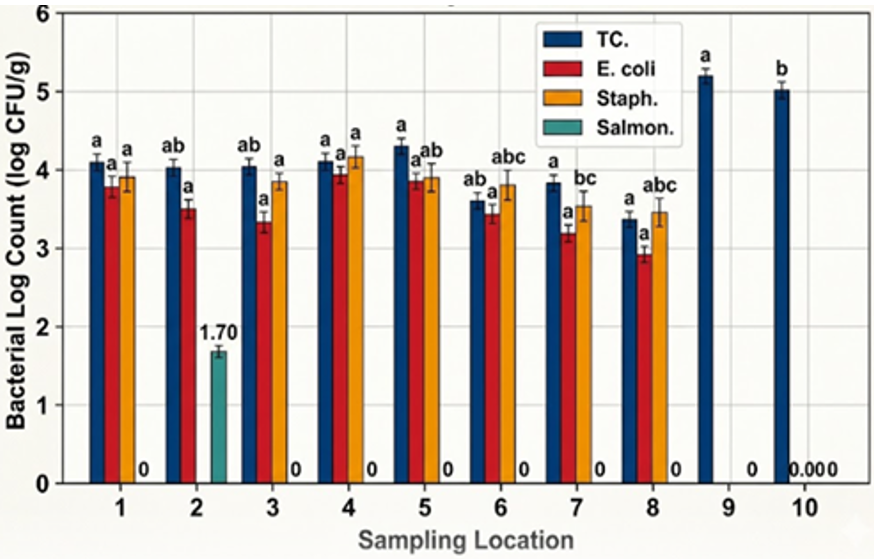
The distant different mean values colonization (Table 1) results display a log CFU/g were completely measured microbiological quality of chicken shawarma World Health Organization (WHO) from various Mosul locations. These differences reflect the diversity seen in the manner and ways of possible foods, including the cleanliness maintained, and variations in their environments. Overall, total count (TC), E. coli, Staphylococcus species, and Salmonella species are vital indicators of food safety as well as spoilage sources. The overall bacterial load (TC) ranged from 5.02 to 5.20 log CFU/g. The lowest mean counts were recorded at locations 7 and 10, whereas location 9 showed the highest mean TC. Duncan’s multiple range test indicated limited variation among locations (most sites shared the same grouping, “ab”). Nevertheless, the generally high TC values suggest moderate to severe microbial contamination. The findings are consistent with other research, which demonstrated that improper storage conditions and longer time stocks of shawarma in ambient temperatures resulted in similar values of TVC [1, 3]. Poor thermal control through food prep and service, cross-contamination, or sanitation issues are mostly associated with high TC levels [2, 20]. Also, germs would find a way of escaping if the heat does not penetrate properly during cooking in deeper areas, such as within the meat layers [15].
Table 1. The microbial total count's log (CFU/g) contamination of Shawarma samples in various restaurants of Mosul city
|
Location |
TC |
E. coli |
Staphylococcus aureus |
Salmonella spp. |
|
1 |
5.18 ± 0.01 ab |
4.07 ± 0.04 a |
3.97 ± 0.04 ab |
0.00 ± 0 a |
|
2 |
5.03 ± 0.01 ab |
3.48 ± 0.07 a |
4.04 ± 0.04 a |
1.70 ± 0.01 a |
|
3 |
5.04 ± 0.01 ab |
3.14 ± 0.07 a |
3.70 ± 0.06 ab |
0.00 ± 0 a |
|
4 |
5.06 ± 0.01 ab |
3.95 ± 0.04 a |
3.94 ± 0.04 ab |
0.00 ± 0 a |
|
5 |
5.11 ± 0.01 ab |
4.01 ± 0.04 a |
3.00 ± 0.07 c |
2.11 ± 0.02 a |
|
6 |
5.08 ± 0.01 ab |
3.80 ± 0.05 a |
3.63 ± 0.06 abc |
2.58 ± 0.04 a |
|
7 |
5.02 ± 0.01 ab |
3.80 ± 0.05 a |
3.40 ± 0.07 bc |
0.00 ± 0 a |
|
8 |
5.06 ± 0.01 ab |
4.05 ± 0.04 a |
2.70 ± 0.05 c |
0.00 ± 0 a |
|
9 |
5.20 ± 0.01 a |
3.97 ± 0.04 a |
3.62 ± 0.06 abc |
0.00 ± 0 a |
|
10 |
5.02 ± 0.01 b |
3.78 ± 0.05 a |
0.00 ± 0 a |
0.00 ± 0 a |
In Table 1, E. coli counts ranged from 3.14 to 4.07 log CFU/g with no difference between sites. The unchanged distribution not only indicates a hygiene failure but also systemic issues of fecal contamination. The maximum was observed at location 1 value (4.07 log CFU/g) and the minimum deduction in location 3 (3.14 log CFU/g). The universal presence of viable E. coli in all samples suggests contamination arising from food handlers and from raw materials or water, indicating poor personal hygiene and inadequate sanitation practices. Similar findings were reported by research [17], which observed that E. coli was the predominant contaminant in shawarma samples, and by research [16], which linked its occurrence to lax hygiene during food preparation. Moreover, E. coli recognized as an indicator organism of both hygienic quality and fecal contamination in the food chain [5, 9].
In contrast, the species of Staphylococcus were significantly different according to location (0.00–4.04 log CFU/g—letters a, b, c). However, although site 2 showed a high concentration (4.04 log CFU/g) of contaminations tested in accordance with site 10 tests results as well. Staphylococcus aureus is frequently correlated with skin, fingertips and nostrils of food handlers [31] so this variation appears to represent a change connected to human contamination. Research studies indicate that improper personal hygiene, inappropriate manipulation and using gloves are considerable reasons for Staphylococcus infection [21]. Also, production of heat-stable enterotoxins by Staphylococcus aureus can lead to huge health risks at low levels [14]. The diversity of this study speaks to the fact that hygiene practices —particularly in terms of serving and handling— differ greatly between sites.
The microbiological patterns observed are due to many factors. Environmental contamination from surfaces, utensils, and air contact has been indicated as a major factor responsible for the spread of microbes [20]. Moreover, multiple cycles of heating and long-term storage at temperatures conducive to such bacterial development are also worsened by this factor [2]. In addition, variations between locations may also reflect differences in personnel training or adherence to hygienic procedures and quality control measures. Until recently, regional studies have reported the same results, demonstrating that restaurant environment and staff members can significantly act as a source of contamination [18]. More broadly, these findings align with global reports focused on the health risks of RTE foods. Despite the numerous advances in medicine and technology, foodborne diseases remain a globally important public health challenge, particularly in fast foods [32] and street vendors, where hygiene management is often inadequate [6, 11, 33]. Different types of bacterial indicators used in this study demonstrate that chicken shawarma can act as a carrier for foodborne diseases if proper safety measures are not taken.
In summary, the table literally illustrates that despite similar levels of total bacteria and E. coli contamination between sites, Staphylococcus spp. exhibit significant variation from pure cultures, and Salmonella spp. present infrequently. Then, these trends illustrate that human and procedural, as well as environmental variables, all contribute to food contamination. This indicates the need for ensuring hygiene and control of temperature, along with constant monitoring of shawarma microbiological safety, as is required in the case of RTE foods.
3.2 Phenotypic and biochemical identification of E. coli isolates from ready-to-eat chicken shawarma using API system
This study is an integrated microbiological and biochemical identification of some bacterial contaminations isolated from chicken shawarma samples in the city of Mosul, Iraq. Integration of API biochemical characterization and antimicrobial susceptibility testing provides a detailed overview of the diversity, contamination sources, and public health risks associated with RTE beef products. Our data reveal the diverse nature of microbial contaminations present in street food and contribute to an increasingly global concern around food-borne pathogens [34] and antibiotic resistance.
3.3 Phenotypic and biochemical identification of E. coli isolates from ready-to-eat chicken shawarma using API system
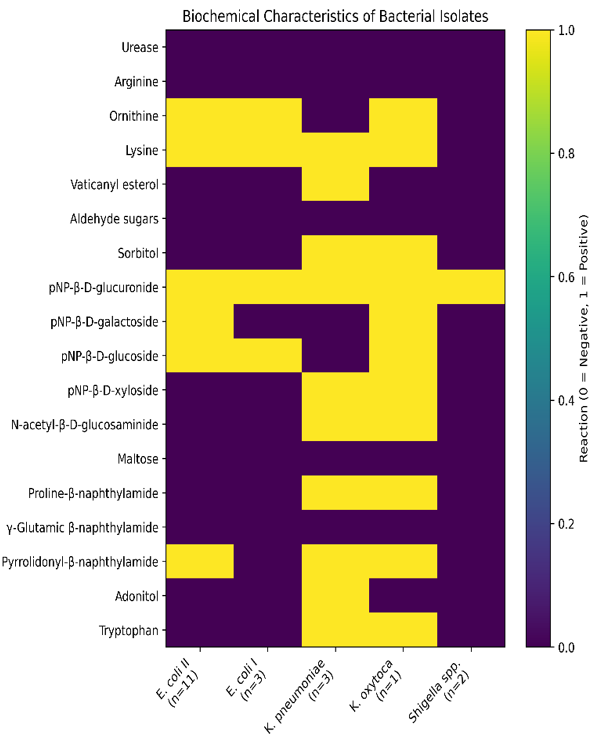
In Figure 2, identification of species using the API system was verified for some Enterobacteriaceae, including Escherichia coli, Klebsiella pneumoniae, Klebsiella oxytoca, and Shigella spp. The biochemical reactions (especially urease activity, lysine and ornithine decarboxylation, and carbohydrate fermentation patterns such as sorbitol and maltose) showed a significant heterogeneity, suggesting high metabolic diversity among the isolates. Such variability is indicative of both multiple sources of contamination as well as factors related to the environment that are determining factors in bacterial adaptation. The detection of β-galactosidase (ONPG-positive responses) and glucose fermentation across E. coli isolates was in concordance with known diagnostic markers used for food microbiology and clinical laboratories [35]. Besides, able to distinguish Klebsiella spp. The identification of Enterobacteriaceae as S. enterica, C. sakazakii, and E. coli urease-positive and citrate-negative supports the value of API systems for identifying foodborne Enterobacteriaceae in resource-poor laboratories [36].
Figure 2. Mean bacterial log counts (log CFU/g) of various contaminants in shawarma samples across different locations in Mosul city
Importantly, those species are very low in biochemical activity and do not ferment lactose; thus, the isolation of Shigella species is a strong indication of direct fecal contamination. Its presence suggests serious breaches of hygienic practices in the preparation and handling of food, as it is a disease that can only be associated with humans [37]. This is concerning, given that Shigella has a low infectious dosage, which increases the threat of epidemics even in environments with mild contamination. This biochemical diversity suggests that contamination is likely from multiple sources, including raw poultry itself (one study), cross-contamination during processing (two studies), contact with environmental surfaces and equipment, or workers who had poor hygiene practices in the food handling process. New work has recently shown that RTE meat products are also contaminated with differing species of Enterobacteriaceae that have such varying biochemical and metabolic properties [38-40].
3.4 Public health significance of enterobacteriaceae contamination
In Figure 3, the high number of E. coli in the samples suggests that hygiene conditions are poor and faecal contamination has indeed occurred. E. coli is commonly used as an important indicator organism to assess the safety of food and sanitation. Detection in RTE foods connotes contamination post-cooking predominantly through infected utensils or improper handling [41].
Figure 3. Analytical Profile Index (API) test for E. coli bacteria to detect its types (intestinal)
Recent international reports have indicated pathogenic and antimicrobial-resistant E. coli strains in food systems with potential serious threats to public health [32, 42]. Those strains could have some resistance factors and virulence genes to increase their persistence or become more pathogenic.
Next, the K. pneumoniae are defined within this framework, since their increasing relevance as foodborne pathogens is addressed in detail. K. pneumoniae is a pathogen linked with clinical morbidities but has progressively been identified in food products [43]. It is an established MRDO with demonstrated biofilm-producing ability and persistence in food processing environments [36]. Klebsiella oxytoca environmental contaminations detected from soil, water, and improperly sterilized surfaces are another evidence for the contamination. The recovery of M. avium suggests that cleaning and hygiene status are insufficient in food processing fields [39].
3.5 Staphylococcus aureus and antimicrobial resistance patterns
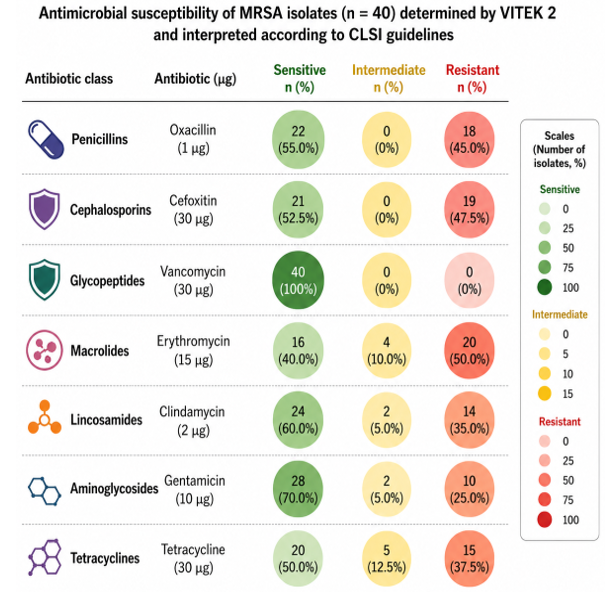
Figure 4 displays the antimicrobial susceptibility profile of Staphylococcus aureus isolates found in chicken shawarma samples. The findings showed a distinct pattern of resistance, especially to β-lactam antibiotics. Methicillin-resistant Staphylococcus aureus (MRSA) strains were confirmed by the significant percentage of isolates that demonstrated resistance to cefoxitin (47.5%) and oxacillin (45.0%). This result is in line with earlier reports showing the introduction of MRSA in RTE meats and food products derived from animals [44, 45].
Figure 4. Antimicrobial susceptibility of Staphylococcus aureus, data are presented as number (n) and percentage (%)
Vancomycin, on the other hand, continued to be a successful treatment for resistant S. aureus strains because all isolates (100%) were still completely sensitive to it. Other widely used antibiotics, such as erythromycin (50.0% resistance), clindamycin (35.0% resistance), gentamicin (25.0% resistance), and tetracycline (37.5% resistance), showed varying resistance. Different selective pressures and potential exposure to antibiotics in both clinical and environmental settings are suggested by this variation in resistance profiles [42, 46].
Since S. aureus is frequently linked to human skin, nasal passages, and poor hygiene practices among food handlers, the presence of MRSA in RTE chicken shawarma strongly suggests contamination during food handling rather than raw meat alone [21]. Additionally, the identification of isolates that are resistant to multiple drugs highlights the possible contribution of foods sold on the street to the spread of antibiotic resistance in the population [47].
The growing number of reports of MRSA in food products worldwide lends credence to these conclusions, suggesting that the food chain may serve as a reservoir for bacteria resistant to antibiotics.
3.6 Biochemical enzyme activity and bacterial survival
By the API system, the enzymatic activity included β-galactosidase (Allium), β-glucosidases, and β-xylosidases, as well as amino acid decarboxylase; also detected lysine and ornithine. Such enzymes are essential for bacterial survival, virulence, and appropriate adaptation. Decarboxylase enzymes are a major means by which certain bacteria can be adapted to acidic environments like those found in the human stomach, increasing the potential for pathogenicity. On the other hand, glycosidase enzymes break down polysaccharides and are able to provide nutrients from food matrices for bacteria [38]. In addition, this metabolic plasticity also allows for the potential of transmission to consumers and complicates their removal from food systems. This is even more critical in RTE meals, where bacteria might survive the cooking step but grow during storage.
3.7 Association with hygiene and food safety practices
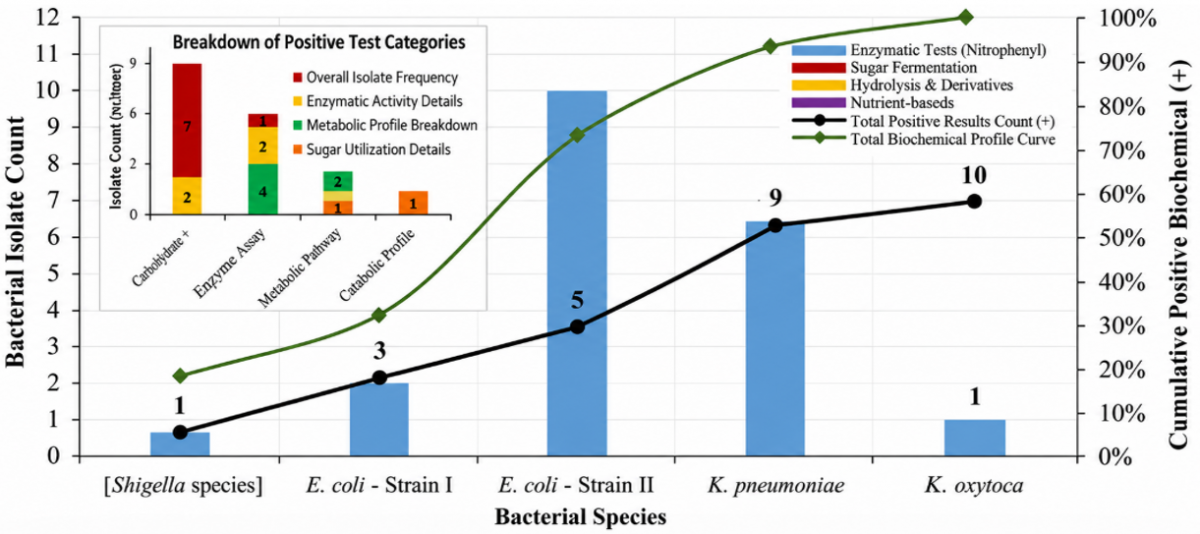
In Figure 5, the clustering of different Enterobacteriaceae, MRSA, and exclusive human diseases, such as Shigella, can only be explained by failed systemic hygiene management rather than by single-point contamination events. Some of the other major contributing factors include poor hand hygiene, cross-contamination between raw and cooked meat, inadequate cooking temperature, particularly for chicken dishes consumed by children over 5 years (these easily harbour Campylobacter); improper storage conditions, and use of contaminated water and utensils. Such observations are in agreement with global food safety assessments wherein shawarma and similar RTE foods have been prioritized as a high-risk due to extensive manual handling, combined exposure of products to ambient temperatures [48]. Moreover, the uneven heat generated by the conventional vertical rotisserie used for shawarma preparation may allow bacteria to survive within the inner tissue of meat layers, especially if slicing takes place before full cooking [37].
Figure 5. Comprehensive analysis of biochemical phenotypes and isolate distribution among five bacterial species
3.8 Public health implications
The presence of multidrug-resistant Staphylococcus aureus, especially MRSA strains, in chicken shawarma samples poses a significant risk to public health. The coexistence of β-lactam antibiotic resistance and vancomycin susceptibility indicates that overuse or misuse of commonly prescribed antibiotics in both human medicine and animal production systems has led to the evolution of selected resistance [45, 48].
Foods that are ready to eat, like chicken shawarma, could act as reservoirs for bacteria that are resistant to antibiotics, making it easier for them to spread to customers. This is especially important in areas where hygienic standards and food safety laws are not adequately implemented [49-51]. The detection of MRSA in food samples indicates that cross-contamination, improper handling techniques, and poor sanitation during the preparation and serving processes are probably the causes of contamination [20, 21].
Treatment options for foodborne infections are further complicated by the existence of resistant S. aureus strains in food chains, which raises worries about the possible transmission of resistance genes to other harmful bacteria. Therefore, to lower the public health risk associated with RTE foods in Mosul and similar contexts, stringent adherence to hygiene procedures and food safety regulations is crucial, as is ongoing monitoring of antibiotic resistance in foodborne bacteria.
The growing number of reports of MRSA in food products worldwide lends credence to these conclusions, suggesting that the food chain may serve as a reservoir for bacteria resistant to antibiotics.
The present study confirms that chicken shawarma sold in various places of Mosul vary significantly in the level of microbial contamination, potentially affected by food handling practices and environmental conditions. The consistently high total bacterial counts suggest poor hygiene practice and a possible lack of temperature control during cooking and storage. The widespread presence of Escherichia coli in each sample suggests high-level fecal contamination, inadequate personal hygiene, and cross-contamination during food preparation. Although Salmonella spp., even in low amounts, poses a severe public health risk due to its pathogenic status, the difference between Staphylococcus spp. levels emphasise the significant contribution of food handlers to infecting RTE foods. The identification of a multitude of Enterobacteriaceae species, including Klebsiella and Shigella, lends support to the idea that multiple routes for cross-contamination exist, such as environmental exposure along with contaminated equipment or water sources. Sounding the alarm that detection of MRSA has been reported, pathways for other antibiotic-resistant pathogens are arguably revealing a high-order threat; this increase has since become evident due to growing incidence rates emerging as foodborne transmission opportunities. This is an important food safety issue as it indicates that shawarma could be a significant public health risk, not only from the perspective of foodborne illness but also with respect to resistance-associated ramifications. In summary, chicken shawarma can be a potential source of the transmission of zoonotic infections if food safety and hygiene regulations are not adequately followed. Therefore, systematic microbiological surveillance implemented regularly, along with strict hygiene practice by food handlers ensuring proper cooking and storage conditions, as well as a tour de force on the strength of information architectures through inspections, is highly desirable. It is about the recipes to avoid contamination, for greater quality in food, and the health protection of consumers.
[1] Ajaja, S., Bozakoukb, I., Abdallac, I., Bumadianb, M., Bleiblob, A., Keand, I. (2020). Bacterial contamination of fast food shawarma sandwiches in local restaurants in Ben-ghazi city, Libya 1. Libyan Journal of Science & Technology, 11(2). https://doi.org/10.37376/ljst.v11i2.2418
[2] Akusu, O.M., Kiin-Kabari, D.B., Wemedo, S.A. (2016). Microbiological quality of selected street vended foods in Port Harcourt metropolis, Rivers State, Nigeria. Sky Journal of Food Science, 5(2): 008-011.
[3] Saeed, W.Q., Mohammad, I.M. (2021). Comparison between chicken and red meat shawarma food for bacterial contamination. Journal of Duhok University, 24(2): 39-48. https://doi.org/10.26682/ajuod.2021.24.2.5
[4] Bintsis, T. (2017). Foodborne pathogens. AIMS Microbiology, 3(3): 529-563. https://doi.org/10.3934/microbiol.2017.3.529
[5] Odeyemi, O.A. (2016). Public health implications of microbial food safety and foodborne diseases in developing countries. Food & Nutrition Research, 60: 29819. https://doi.org/10.3402/fnr.v60.29819
[6] Mataragka, A., Anthi, R., Christodouli, Z.E., Malisova, O., Andritsos, N.D. (2025). Presence of major bacterial foodborne pathogens in the domestic environment and hygienic status of food cleaning utensils: A Narrative review. Hygiene, 5(4): 60. https://doi.org/10.3390/hygiene5040060
[7] Saadi, A. (2024). Use of Microorganisms in the dairy industry: A review. Scientific Research Journal of Agriculture and Life Sciences, 4, 1-9.
[8] Mohi, J.K., Mohammad, I.M., Al-Fayadh, H., Saadi, A.M. (2026). Quality assessment of microbial cow’s milk in the Shinava and Tawke districts, Zakho, Kurdistan region, Iraq. Journal of Bioscience and Applied Research, 12(1): 237-248.
[9] Rahman, M.A., Rahman, A.K.M.A., Islam, M.A., Alam, M.M. (2017). Antimicrobial resistance of Escherichia coli isolated from milk, beef and chicken meat in Bangladesh. Bangladesh Journal of Veterinary Medicine, 15(2): 141-146. https://banglajol.info/index.php/BJVM/article/view/35525.
[10] Mohammed, S.A., Tawfeeq, A.A., Noraldin, M.Y. (2023). Identification and antibiotics sensitivity of secondary bacterial infection in COVID-19 (SARS-CoV-2) pneumonia patients in Kirkuk/Iraq. NTU Journal of Pure Sciences, 2(1). https://doi.org/10.56286/ntujps.v2i1.303
[11] World Health Organization. (2006). Five keys to safer food manual. World Health Organization.
[12] Sillankorva, S.M., Oliveira, H., Azeredo, J. (2012). Bacteriophages and their role in food safety. International Journal of Microbiology, 2012(1): 863945. https://doi.org/10.1155/2012/863945
[13] Ahmed, A.M., B El-Hakem, N.A., Ibrahim, G.A. (2015). Chemical and microbial assessment of beef and chicken shawarma sandwiches in Ismailia governorate and its impact on consumer health. Egyptian Journal of Chemistry and Environmental Health, 1(1): 686-693.
[14] Liu, C., Shen, Y., Yang, M., Chi, K., Guo, N. (2022). Hazard of staphylococcal enterotoxins in food and promising strategies for natural products against virulence. Journal of Agricultural and Food Chemistry, 70(8): 2450-2465. https://pubs.acs.org/doi/abs/10.1021/acs.jafc.1c06773.
[15] Jasim, A.A., Al-Mossawei, M.T.M. (2018). Reducing The microbialled of chicken meat by improving grill machine design. Kufa Journal for Agricultural Science, 10(4). https://agris.fao.org/search/en/providers/125622/records/6878e94a5d9ad5f58d606b2c.
[16] Nimri, L., Al-Dahab, F.A., Batchoun, R. (2014). Foodborne bacterial pathogens recovered from contaminated shawarma meat in northern Jordan. The Journal of Infection in Developing Countries, 8(11): 1407-1414. https://doi.org/10.3855/jidc.4368
[17] Hasan, S.M., Ahmed, B.S., Sadeeq, H.A., Murad, I.S., Alzainny, H.N. (2025). Isolation and identification of pathogenic bacteria from ready-to-eat chicken shawarma in Duhok district. Perinatal Journal, 33(1): 883-890. https://doi.org/10.57239/prn.25.03310096
[18] Thalij, K.M., Salman, N. (2025). Identifying and enumeration of the microbiological contamination of shawarma sandwich samples in various Dohuk City restaurants. Tikrit Journal for Agricultural Sciences, 25(3): 1-16. https://doi.org/10.25130/tjas.25.3.1
[19] Banna, H., Nawas, T. (2016). Salmonella: A common contaminant of chicken shawarma in RasBeirut restaurants. IOSR JESTFT, 10(8): 19-22.
[20] Marriott, N.G., Schilling, M.W., Gravani, R.B. (2018). Food contamination sources. In Principles of Food Sanitation, pp. 83-91. https://doi.org/10.1007/978-3-319-67166-6_5
[21] Abdul, N.A., Ali, R.A., Mohamad, S.J., Abdullah, R.H., Omar, Z.O., Talb, S.S. (2024). Chemical characterization and comparative analysis of sunflower oil: Exploring the impact of heat treatment on its composition. IOP Conference Series: Earth and Environmental Science, 1371(6): 062025. https://doi.org/10.1088/1755-1315/1371/6/062025
[22] Al-Baraznji, Z.O.O., Al-Abdullah, B.Y. (2016). Study of chemical composition, minerals, vitamins & phytochemicals for some local wheat cultivars used as bulgurs. Tikrit Journal for Agricultural Sciences, 16(1): 154-163.
[23] Ali, R.A., Sdiq, S.J.M., Salih, A.M., Ahmed, A., Mahmood, Z.O.O., Yaqub, K.Q., Sirwan, K. (2025). Quality assessment of commercial tomato paste in Kurdistan region of Iraq: Implications for agripreneurship and market standards. Archives of Agriculture and Environmental Science, 10(2): 216-220. https://doi.org/10.26832/24566632.2025.1002xx
[24] Monther, H., Tawfeeq, A.A., Ali, A.A. (2023). Evaluation of Trichomonas vaginalis and Candida albicans alongside with pathogenic bacteria in Kirkuk females. NTU Journal of Pure Sciences, 2(2). https://doi.org/10.56286/ntujps.v2i2.306
[25] Elias, S.K. (2023). The reality of health service quality from the perspective of the American Institute of Medicine (IOM) in Bakhshin Hospital in Sulaymaniyah Governorate: The reality of health. NTU Journal for Administrative and Human Sciences, 3(3): 191-211. https://doi.org/10.56286/ntujahs.v3i3.560
[26] International Organization for Standardization. (2022). ISO 4833-1:2013: Microbiology of the Food Chain: Horizontal Method for the Enumeration of Microorganisms--Part 1: Colony Count at 30 ℃ by the Pour Plate Technique. International Organization for Standardization. https://www.iso.org/standard/53728.html#amendment.
[27] Salfinger, Y., Tortorello, M.L. (2015). Compendium of Methods for the Microbiological Examination of Foods. APHA Press (American Public Health Association), Washington, DC.
[28] Saadi, A.M., Ghanim, M.H. (2019). The effect of nutrition and the seasons of the year on the composition of cow's milk in two different areas of the province of Mosul. Annals of Agri-Bio Research, 24(1): 148-152.
[29] Harrigan, W.F., McCance, M.E. (2014). Laboratory Methods in Microbiology. Academic Press, San Diego.
[30] Miller, S. (2005). Experimental Design and Statistics. Routledge, London.
[31] N Alhayaly, H., Saadi, A.M., Younis, D.T. (2024). Use of Linseed oil and animal tallow in nutrition and its effect on blood Characteristics and meat composition in Broilers. Egyptian Journal of Veterinary Sciences, 55(2): 435-442.
[32] Jiang, J., Lau, P.W., Li, Y., Gao, D., Chen, L., Chen, M., Ma, J. (2023). Association of fast‐food restaurants with overweight and obesity in school‐aged children and adolescents: A systematic review and meta‐analysis. Obesity Reviews, 24(3): e13536. https://doi.org/10.1111/obr.13536
[33] World Health Organization. (2002). Global surveillance of foodborne disease: Developing a strategy and its interaction with risk analysis: Report of a WHO consultation. World Health Organization. https://iris.who.int/server/api/core/bitstreams/9e63e0ca-9c2b-4709-b810-77a9d24ba811/content.
[34] Mafe, A.N., Büsselberg, D. (2024). Impact of metabolites from foodborne pathogens on cancer. Foods, 13(23): 3886. https://doi.org/10.3390/foods13233886
[35] Kumar, S., Chhabra, G., Sehrawat, K.S., Singh, M. (2024). Developing a competency assessment framework for medical laboratory technologists in primary healthcare settings in India. Plos One, 19(4): e0294939. https://doi.org/10.1371/journal.pone.0294939
[36] Uprety, S., Dangol, B., Nakarmi, P., Dhakal, I., Sherchan, S.P., Shisler, J.L., Nguyen, T.H. (2020). Assessment of microbial risks by characterization of Escherichia coli presence to analyze the public health risks from poor water quality in Nepal. International Journal of Hygiene and Environmental Health, 226: 113484. https://doi.org/10.1016/j.ijheh.2020.113484
[37] Segbedzi, C.E., Botha, N.N., Dumahasi, V.K., Ansah, E.W. (2024). Salmonella contamination: Breach in food safety standards at hotel restaurants. https://doi.org/10.21203/rs.3.rs-4916252/v1
[38] Elbehiry, A., Marzouk, E., Alhumaydhi, F.A., Abalkhail, A. (2026). Diabetes mellitus as an integrated microbiome, immune, and metabolic disorder with clinical implications for multisystem complications and public health. Journal of Clinical Medicine, 15(5): 1788. https://doi.org/10.3390/jcm15051788
[39] Chekol Abebe, E., Tilahun Muche, Z., Behaile T/Mariam, A., Mengie Ayele, T., Mekonnen Agidew, M., Teshome Azezew, M., Asmamaw Mengstie, M. (2022). The structure, biosynthesis, and biological roles of fetuin-A: A review. Frontiers in Cell and Developmental Biology, 10: 945287. https://doi.org/10.3389/fcell.2022.945287
[40] Mawlood, M.S. (2026). The unseen impact of subclinical hypothyroidism on lipid profile and cardiovascular risk. Biochemistry and Biophysics Reports, 46: 102605. https://doi.org/10.1016/j.bbrep.2026.102605
[41] Sneha, E.N.P., Sanjumon, E.S., Nguyen-Viet, H., Dubal, Z.B., Bhilegaonkar, K.N., Ayoub, H., Deka, R.P. (2025). Risk factor analysis of Campylobacter spp., Listeria monocytogenes and Salmonella spp. in the chicken meat value chain. Frontiers in Microbiology, 16: 1750419. https://doi.org/10.3389/fmicb.2025.1750419
[42] Koutsoumanis, K., Allende, A., Alvarez‐Ordóñez, A., Bolton, D., Bover‐Cid, S., Herman, L. (2022). Update of the list of QPS‐recommended biological agents intentionally added to food or feed as notified to EFSA 15: Suitability of taxonomic units notified to EFSA until September 2021. EFSA Journal, 20(1): e07045. https://doi.org/10.2903/j.efsa.2022.7045
[43] Jiang, J., Xiong, Y.L. (2016). Natural antioxidants as food and feed additives to promote health benefits and quality of meat products: A review. Meat Science, 120: 107-117. https://doi.org/10.1016/j.meatsci.2016.04.005
[44] Rosario, D.K., Rodrigues, B.L., Bernardes, P.C., Conte-Junior, C.A. (2021). Principles and applications of non-thermal technologies and alternative chemical compounds in meat and fish. Critical Reviews in Food Science and Nutrition, 61(7): 1163-1183. https://doi.org/10.1080/10408398.2020.1754755
[45] Mohamed, E.F., El-Zahaby, D. (2025). Detection of bacteria secreting toxins in shawarma and their sensitivity to antibiotics using VITEK. Egyptian Journal of Veterinary Sciences, 56(10): 2563-2573.
[46] El-Saber, A., Shraf, A.E.A., Safhi, F.A., Aboud, N.M.A., Alshaharni, M.O., Fayad, E., Saber, R. (2024). Influence of exogenously sprayed growth regulators at different concentrations on grain biochemical constituents and yield traits of bread wheat. Chilean Journal of Agricultural Research, 84(6): 769-781. https://doi.org/10.4067/S0718-58392024000600769
[47] McGuinness, A.J., Davis, J.A., Dawson, S.L., Loughman, A., Collier, F., O’hely, M., Jacka, F.N. (2022). A systematic review of gut microbiota composition in observational studies of major depressive disorder, bipolar disorder and schizophrenia. Molecular Psychiatry, 27(4): 1920-1935. https://doi.org/10.1038/s41380-022-01456-3
[48] World Health Organization. (2023). Evaluation of Certain Contaminants in Food: Ninety-Third Report of the Joint FAO/WHO Expert Committee on Food Additives. World Health Organization, Geneva, Switzerland.
[49] Mawlood, G.M., Al-Rubaie, O.A.F., Najm, M.R., Al-Fayadh, H.A.S.S.A.N., Asri, O.J., Saadi, A.M. (2026). Effect of plant extracts on broiler performance: A comprehensive review. Assiut Veterinary Medical Journal.
[50] N Alhayaly, H., M Saadi, A.M., Th Younis, D. (2024). Effect of adding flaxseed oil and tallow and their combination on the productive performance of broilers. Egyptian Journal of Veterinary Sciences, 55(1): 233-241.
[51] Holt, N.L., Pankow, K., Tamminen, K.A., Strachan, L., MacDonald, D.J., Fraser-Thomas, J., Camiré, M. (2018). A qualitative study of research priorities among representatives of Canadian provincial sport organizations. Psychology of Sport and Exercise, 36: 8-16. https://doi.org/10.1016/j.psychsport.2018.01.002