Optimizing Shallot (Allium ascalonicum L.) Productivity in Sandy Soil Through Integrated Organic and Biological Amendments: Evidence of an Optimum Treatment Combination

Muh. Zayin Sukri | Anggita Rizky Fadilah* | Ni Nengah Putri Adnyani | Refa Firgiyanto | Hanif Fatur Rohman
© 2026 The authors. This article is published by IIETA and is licensed under the CC BY 4.0 license (http://creativecommons.org/licenses/by/4.0/).
OPEN ACCESS
Sandy soils are characterized by low nutrient retention, poor water-holding capacity, and limited organic matter, which constrain crop productivity. This study evaluated the effects of integrated organic and biological amendments on sandy soil fertility and shallot (Allium ascalonicum L.) productivity, with emphasis on identifying optimum amendment combinations for sandy soil management. The experiment was conducted in Ambulu District, Jember Regency, Indonesia, using a Randomized Complete Design (RCD) consisting of 13 treatment combinations of organic fertilizer, humic acid, and mycorrhizal inoculation with three replications. Soil properties, plant growth, and yield parameters were analyzed using analysis of variance (ANOVA) followed by Duncan’s Multiple Range Test (DMRT) at p ≤ 0.05. The results showed that integrated amendments improved soil organic carbon, nutrient availability, and microbial activity. Leaf number, bulb diameter, fresh bulb weight, and dry bulb weight were significantly affected by treatment combinations, while plant height and tiller number showed limited responses. Several balanced and non-maximum combinations produced more favorable yield performance than the highest combined input treatment. Treatment P6 produced the largest bulb diameter and among the highest fresh and dry bulb yields, whereas the highest fresh and dry bulb weights were recorded in P3 and P11, respectively. The results suggest a non-linear response pattern, where balanced amendment combinations produced superior or comparable yields relative to higher input levels. The study demonstrates that integrated organic and biological amendments provide a promising strategy for improving shallot productivity and sustainable soil management in sandy agroecosystems.
humic acid, mycorrhiza, optimum treatment combinations, organic fertilizer, sandy soil, shallot, soil fertility
Shallot (Allium ascalonicum L.) is one of the most economically important horticultural commodities in Indonesia, playing a critical role in daily consumption, rural livelihoods, and national food security. The continuous increase in demand has driven the expansion of shallot cultivation into marginal environments, including sandy soils commonly found in coastal regions. However, such expansion introduces substantial agronomic challenges, as sandy soils are inherently characterized by low fertility, weak structural stability, limited water-holding capacity, and high susceptibility to nutrient leaching [1, 2]. These conditions collectively limit nutrient availability and plant uptake efficiency, thereby constraining shallot productivity. Such characteristics are widely recognized as typical of tropical sandy soils, where rapid drainage and poor nutrient retention significantly reduce crop performance.
To overcome these limitations, soil fertility management in sandy environments increasingly emphasizes the integration of organic and biological amendments. Organic fertilizers improve soil structure, enhance water retention, and increase nutrient buffering capacity [3, 4], while humic substances act as biostimulants that enhance nutrient uptake, root development, and metabolic activity [5, 6]. Meanwhile, Arbuscular Mycorrhizal Fungi (AMF) play a crucial role in expanding the effective root surface area, thereby improving phosphorus acquisition and plant tolerance to abiotic stress [7, 8]. Previous studies have consistently demonstrated that these amendments can significantly enhance crop growth and yield in degraded and sandy soils [9-13].
Nevertheless, most existing studies tend to evaluate these inputs independently or focus solely on yield outcomes, without adequately linking soil fertility status, plant physiological response, and the concept of nutrient-use efficiency optimization [14-17]. In particular, there is limited empirical evidence addressing whether increasing input levels linearly improves productivity or whether different amendment combinations produce non-linear responses in productivity under sandy soil conditions.
This research addresses that gap by investigating the integrated application of organic fertilizer, humic acid, and mycorrhizal inoculation in sandy soils. From a systems perspective, this research highlights the importance of shifting from input-intensive approaches toward precision-based and ecologically optimized fertility management. The non-linear response pattern aligns with sustainable agriculture principles, where productivity is maximized not through excessive inputs, but through efficient resource use and balanced soil–plant interactions.
Therefore, this study aims to:
The findings are expected to contribute to the development of site-specific, resource-efficient, and sustainable soil fertility management strategies for shallot cultivation in sandy and other marginal agroecosystems.
2.1 Research location
This study was conducted in Sumberejo Village, Ambulu District, Jember Regency, East Java, Indonesia. The study area is characterized by sandy soil with high permeability, low water-holding capacity, and limited nutrient retention, conditions that frequently constrain crop growth and fertilizer-use efficiency. These characteristics make the area suitable for evaluating integrated soil fertility management strategies involving organic and biological amendments.
The region experiences a tropical monsoon climate with relatively high annual rainfall and warm temperatures throughout the year. Due to the rapid drainage and low moisture retention of sandy soils, supplemental irrigation was applied regularly during the growing period to maintain adequate soil moisture for shallot growth. To provide environmental context for the experiment, the main characteristics of the study area are presented in Table 1.
Table 1. Environmental characteristics of the study area
|
Parameter |
Description/Value |
|
Location |
Sumberejo Village, Ambulu District, Jember Regency, East Java, Indonesia |
|
Coordinates |
8°20′51.1″ S, 113°36′20.4″ E |
|
Altitude |
± 0–25 m above sea level |
|
Climate type |
Tropical monsoon climate |
|
Average annual rainfall |
± 2,300 mm year⁻¹ |
|
Average temperature |
± 25.5 ℃ |
|
Soil type |
Sandy soil |
|
Irrigation method |
Manual irrigation |
Agriculturally, Ambulu District represents one of the emerging shallot production centers in East Java, where cultivation has expanded into marginal sandy lands due to increasing market demand. However, production levels have shown significant fluctuations in recent years, reflecting the vulnerability of sandy soil systems to environmental stress and suboptimal fertility management. This condition makes the study area a representative case for evaluating sustainable soil fertility improvement strategies in sandy agroecosystems.
The field experiment was conducted from July to November 2025, covering one full growing season of shallot cultivation under typical farmer management practices, with controlled experimental treatments applied according to the research design.
2.2 Soil sampling and analysis
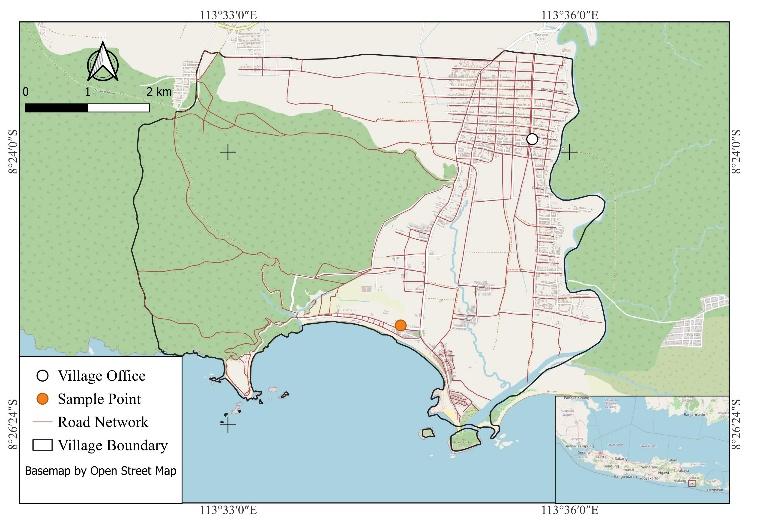
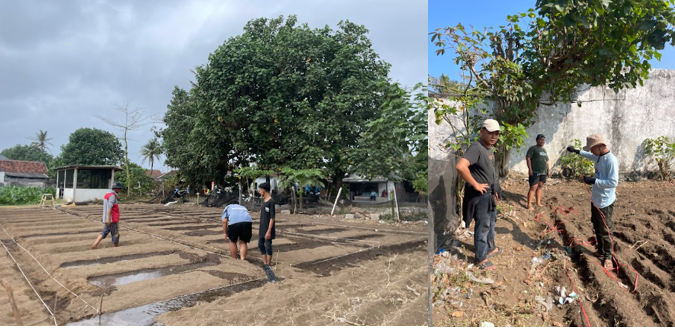
Soil sampling was conducted before the application of any treatments to establish the baseline fertility status of the sandy soil. The sampling was performed in shallot cultivation fields located in Sumberejo Village, Ambulu District, Jember Regency, representing typical sandy agroecosystems in coastal areas. Figure 1 shows the sample location. Figure 2 shows the land preparation.
Figure 1. Sample location
Figure 2. Land preparation
Initial soil fertility analysis was conducted using one composite soil sample collected before treatment application. The composite sample was prepared from several subsampling points within the experimental area and was intended to represent the general baseline condition of the sandy soil before the application of organic fertilizer, humic acid, and mycorrhizal inoculation. This approach was adopted because the experimental site was assumed to have relatively homogeneous sandy soil characteristics and because the main purpose of the initial soil analysis was to characterize the baseline fertility constraints of the study area.
After treatment application, soil samples were collected separately from each treatment group to describe the changes in soil chemical and biological properties associated with different amendment combinations. Therefore, the initial soil data served as a reference baseline, while the final soil data were used to compare the descriptive fertility status among treatment combinations.
Composite soil samples were collected from the topsoil layer at a depth of 0–20 cm, which corresponds to the active root zone of shallot plants. At each experimental plot, multiple subsamples (5–10 points) were systematically taken using a soil auger following a zig-zag sampling pattern to capture spatial variability within the field. These subsamples were then homogenized to form one representative composite sample per plot.
The collected soil samples were air-dried at room temperature, gently crushed, and passed through a 2-mm sieve to remove coarse fragments, roots, and debris. This preparation ensured uniformity and suitability for subsequent laboratory analyses. The processed samples were then stored in clean, labeled containers to prevent contamination prior to analysis.
The sampling design aimed to capture the inherent heterogeneity of sandy soils, which are typically characterized by uneven distribution of nutrients due to high leaching rates and low cation exchange capacity. By using composite sampling, the study minimized localized variability and improved the representativeness of soil fertility measurements.
The prepared samples were subsequently analyzed to determine their physical, chemical, and biological properties in order to comprehensively characterize soil fertility constraints and support the evaluation of soil–plant interactions under different treatment combinations. The parameters analyzed and their respective methods are presented in Table 2.
Table 2. Soil analysis parameters and methods
|
Parameter |
Method of Analysis |
Purpose/ Function |
Source |
|
Soil moisture content |
Gravimetric method |
To determine soil water availability and retention capacity in sandy soils |
[18] |
|
Total Nitrogen (N) |
Kjeldahl method |
To assess nitrogen availability for plant growth |
[19] |
|
Available Phosphorus (P) |
Bray I extraction |
To evaluate plant-available phosphorus in sandy soils |
[20] |
|
Exchangeable Potassium (K) |
Ammonium acetate extraction |
To measure available potassium for plant uptake |
[21] |
|
Magnesium (Mg) |
Atomic Absorption Spectrophotometry (AAS) |
To determine secondary nutrient availability |
[22] |
|
Aluminum (Al) |
Atomic Absorption Spectrophotometry (AAS) |
To identify potential toxicity and soil acidity constraints |
[23] |
|
Organic Carbon (C-organic) |
Walkley–Black method |
To evaluate soil organic matter content and fertility status |
[24] |
|
Iron (Fe) |
Spectrophotometry |
To assess micronutrient levels and potential nutrient imbalance |
[25] |
|
Microbial population |
Total Plate Count (CFU g⁻¹) |
To estimate soil biological activity and microbial abundance |
[26] |
2.3 Experimental design
The field experiment was arranged using a Randomized Complete Design (RCD) to evaluate the effects of integrated organic and biological amendments on shallot growth and productivity in sandy soil. The experiment consisted of thirteen selected treatment combinations involving different levels of organic fertilizer, humic acid, and mycorrhizal inoculation. Due to practical field considerations, a subset of treatment combinations was selected to represent low, moderate, and high amendment levels. These treatments were designed to represent different integrated fertility management scenarios and to evaluate the performance of representative amendment combinations rather than a complete factorial arrangement.
Each experimental plot measured 5 m × 1.2 m and contained 60 shallot plants planted at a spacing of 15 cm × 25 cm. Ten plants per plot were randomly selected and tagged for growth and yield observations. Organic compost was applied as basal fertilization at rates equivalent to 2.4 kg plot⁻¹ (4 t ha⁻¹) and 3.6 kg plot⁻¹ (6 t ha⁻¹) according to the treatment. Irrigation was performed three times daily (morning, midday, and afternoon) due to the high permeability and low water-holding capacity of the sandy soil. Pest management was conducted every three days using Sumo insecticide (1–2 mL L⁻¹ water) and Lannate insecticide (1–2 g L⁻¹ water), applied alternately throughout the growing period.
The selected treatment combinations incorporated three amendment components: organic fertilizer, humic acid, and mycorrhizal inoculation. These components were chosen because they represent complementary approaches to improving the physical, chemical, and biological properties of sandy soils through integrated fertility management. The treatment combinations are described in Table 3.
Table 3. The treatment combinations
|
Treatment Code |
Organic Fertilizer (ton ha⁻¹) |
Humic Acid (g plant⁻¹) |
Mycorrhiza (g plant⁻¹) |
|
P1 |
0 |
0 |
0 |
|
P2 |
0 |
30 |
30 |
|
P3 |
0 |
30 |
60 |
|
P4 |
0 |
60 |
30 |
|
P5 |
0 |
60 |
60 |
|
P6 |
4 |
30 |
30 |
|
P7 |
4 |
30 |
60 |
|
P8 |
4 |
60 |
30 |
|
P9 |
4 |
60 |
60 |
|
P10 |
6 |
30 |
30 |
|
P11 |
6 |
30 |
60 |
|
P12 |
6 |
60 |
30 |
|
P13 |
6 |
60 |
60 |
The humic acid used in this study was a commercial AH-90 product containing 90% humic acid. The AMF inoculum contained approximately 99 spores per 100 g and consisted of a mixed consortium of Glomus claroideum, Acaulospora rogusa, Acaulospora colosica, Glomus fasciculatum, Glomus mosseae, and Glomus etunicatum. The inoculum was applied directly into the planting hole before bulb planting.
2.4 Shallot growth observation
Shallot (Allium ascalonicum L.) growth was monitored to evaluate the plant response to integrated organic and biological amendments under sandy soil conditions. Observations were conducted during the vegetative growth phase at 4, 6, and 8 weeks after planting (WAP), which represent critical stages of canopy development and biomass accumulation.
The growth parameters measured included plant height and leaf number per clump, which are widely recognized as key indicators of vegetative performance and photosynthetic capacity in shallot cultivation.
Plant height (cm) was measured from the soil surface to the tip of the longest leaf using a ruler. Measurements were taken on randomly selected plants within each plot to ensure representativeness. Leaf number was determined by counting all fully developed leaves per clump at each observation time.
At the end of the growing period (harvest stage, approximately 12 WAP), yield-related parameters were recorded to assess productivity response. These included bulb diameter (mm), measured using a digital caliper; fresh bulb weight per clump (g), measured immediately after harvest using a digital balance; and dry bulb weight per clump (g), determined after oven-drying the bulbs at a controlled temperature until constant weight was achieved. These parameters reflect assimilate accumulation and partitioning efficiency under different fertility treatments.
The selected growth and yield parameters were chosen to capture both vegetative development (source strength) and bulb formation (sink capacity), enabling a comprehensive evaluation of plant performance in response to soil fertility improvement and identifying favorable amendment combinations. In sandy soils, where nutrient availability and water retention are limiting factors, these indicators are particularly relevant for assessing treatment effectiveness and evaluating plant responses under different fertility management scenarios.
To ensure data reliability, all measurements were conducted using standardized procedures across treatments and replications. The same sampling units were consistently observed throughout the experimental period to minimize variability.
2.5 Data analysis
All experimental data were subjected to statistical analysis to evaluate the effects of treatment combinations on shallot growth and yield parameters. The analysis was performed based on the RCD with thirteen treatments and three replications.
A one-way analysis of variance (ANOVA) was applied to test the significance of treatment effects on each observed variable [27, 28], including plant height, leaf number, bulb diameter, fresh bulb weight, and dry bulb weight. Data were analyzed using one-way ANOVA under an RCD using SPSS software. Prior to ANOVA, data normality and homogeneity of variance were evaluated using the Shapiro–Wilk and Levene’s tests, respectively. Since all datasets satisfied the assumptions of ANOVA, no data transformation was required. Treatment means were compared using Duncan’s Multiple Range Test (DMRT) at a significance level of p < 0.05. The statistical model applied in this study is defined in Eq. (1).
$Y Y_{i j}=\mu+\tau_i+\varepsilon_{i j}$ (1)
where,
$Y_{i j}$ = observed value of the i-th treatment in the j-th replication;
$\mu$ = overall mean;
$\tau_i$ = effect of the i-th treatment;
$\varepsilon_{i j}$ = experimental error.
When the ANOVA indicated statistically significant differences among treatments, a post-hoc comparison was conducted using DMRT at the same significance level to identify differences between treatment means [29].
The data were examined to ensure compliance with the assumptions of normality and homogeneity of variance. When necessary, appropriate data transformation was considered to stabilize variance and improve normal distribution.
All statistical analyses were performed using SPSS software commonly applied in agricultural research. The results are presented as mean values accompanied by standard deviation, and significant differences among treatments are indicated using different superscript letters. Standard deviations and inferential statistical analyses were available only for selected soil properties (N, P₂O₅, C-organic, and total plate count (TPC)).
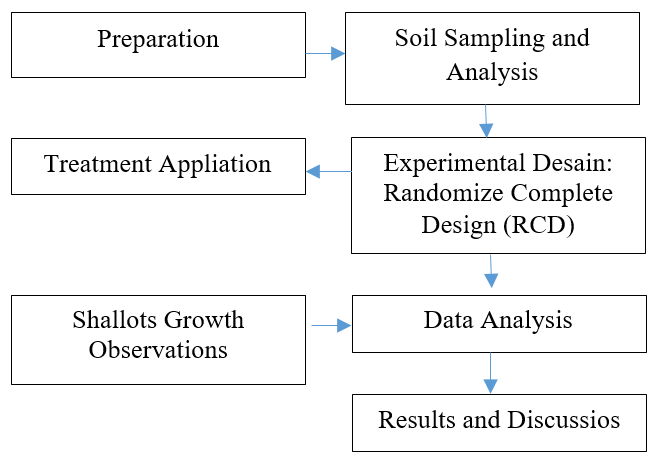
This analytical approach allows for the identification of both significant treatment effects and patterns of response across different levels of organic and biological amendments, supporting the evaluation of interaction tendencies and the relative performance of different amendment combinations in sandy soil systems. Figure 3 shows a research diagram.
Figure 3. Research diagram
3.1 Soil fertility analysis
The comparison between the initial and final soil fertility characteristics was interpreted descriptively. The initial soil analysis was conducted using a composite sample representing the general baseline condition of the experimental field, whereas the final soil analysis was performed separately for each treatment group. Therefore, statistical hypothesis testing comparing pre-treatment and post-treatment soil properties was not conducted.
The initial analysis of sandy soil in the study area revealed a generally low fertility status, confirming its limitation for shallot cultivation. From a physical perspective, the soil moisture content was approximately 4.9%, indicating very low water-holding capacity. This condition reflects the typical characteristics of sandy soils, which are dominated by coarse particles, high porosity, and rapid drainage, resulting in limited water availability for plant uptake.
Chemically, the soil exhibited low total nitrogen (0.182%), high available phosphorus (163.60 ppm), and low magnesium (0.41%), indicating nutrient imbalance and suboptimal fertility conditions for shallot cultivation. In contrast, available phosphorus was relatively high, while iron (Fe) and aluminum (Al) concentrations were also elevated, suggesting a potential nutrient imbalance. High levels of Fe and Al may interfere with nutrient availability, particularly phosphorus fixation and root nutrient uptake, thereby reducing nutrient-use efficiency [30].
The organic carbon content (2.152%) was categorized as moderate, indicating that the soil still retains some potential for improvement through organic matter management. In addition, the microbial population (5.41 ± 1.28 × 10⁻¹ log₁₀ CFU g⁻¹) suggested moderate biological activity, which is an important indicator of soil health and nutrient cycling capacity. This implies that although the soil is chemically constrained, it remains biologically responsive to organic and biological amendments. The results of physical, chemical, and biological soil properties before treatment application are presented in Table 4.
Table 4. Initial soil fertility characteristics of sandy soil in Ambulu district
|
Category |
Parameter |
Value |
Unit |
Interpretation |
|
Physical |
Soil moisture content |
4.9 ± 0.072 |
% |
Very low |
|
Chemical |
Total Nitrogen (N) |
0.182 ± 0.002 |
% |
Low |
|
Chemical |
Available Phosphorus (P₂O₅) |
163.60 ± 0.124 |
ppm |
High |
|
Chemical |
Exchangeable Potassium (K₂O) |
0.074 |
% |
Very low |
|
Chemical |
Magnesium (Mg) |
0.41 |
% |
Low |
|
Chemical |
Iron (Fe) |
2.76 |
% |
High |
|
Chemical |
Aluminum (Al) |
1.07 |
% |
High |
|
Chemical |
Organic Carbon (C-organic) |
2.152 ± 0.064 |
% |
Moderate |
|
Biological |
Total Plate Count (TPC) |
5.41 ± 1.28 × 10⁻¹ |
log₁₀ CFU g⁻¹ |
Moderate |
The baseline soil conditions demonstrate that the sandy soil in the study area is characterized by low nutrient retention, poor water availability, and nutrient imbalance, which collectively limit shallot productivity. These findings highlight the necessity of applying integrated soil fertility management strategies, particularly through the use of organic fertilizers, humic substances, and mycorrhizal inoculation, to improve soil quality and enhance plant growth performance.
The application of integrated organic and biological amendments resulted in noticeable changes in soil fertility characteristics, particularly in soil organic carbon content and microbial populations, while nutrient responses varied among treatments.
(1) Organic matter and soil quality improvement
An increase in C-organic content was observed in most treatments compared with the initial condition (2.152%). The highest value was recorded in P13 (6.264%), followed by P12 (5.979%) and P4 (5.840%), demonstrating the strong contribution of organic fertilizer and humic substances in enhancing soil organic matter. Increased organic matter may contribute to improved water retention, aggregation, and nutrient buffering capacity in sandy soils.
(2) Nitrogen and potassium dynamics
Total nitrogen (N) varied among treatments, with the highest value observed in P6 (0.162%). Although several moderate amendment combinations exhibited relatively higher N concentrations than the maximum input treatments, no statistical comparison of final soil properties was performed. Exchangeable potassium (K₂O) values ranged from 0.182% to 0.292%, which were generally higher than the initial soil condition (0.074%). This pattern may reflect the contribution of organic amendments and humic substances to nutrient retention and potassium availability in sandy soils.
(3) Phosphorus variability and nutrient redistribution
Available phosphorus (P₂O₅) exhibited considerable variation among treatments and generally decreased compared with the initial high baseline. This trend may be associated with plant nutrient uptake and interactions between soil amendments and soil microorganisms during the growing period. Lower P₂O₅ concentrations in several treatments may also reflect nutrient redistribution during crop growth, although phosphorus dynamics were not directly measured in this study.
Table 5. Final soil characteristics of sandy soil in the Ambulu district after treatments
|
Treatment |
N (%) |
P₂O₅ (ppm) |
K₂O (%) |
C-Organic (%) |
TPC (log₁₀ CFU g⁻¹) |
Fe (%) |
Mg (%) |
Al (%) |
|
P1 |
0.145 ± 0.002 |
164.38 ± 0.22 |
0.292 |
3.963 ± 0.017 |
6.20 ± 7.19 × 10⁻¹ |
1.439 |
0.155 |
1.071 |
|
P2 |
0.091 ± 0.003 |
90.58 ± 0.11 |
0.268 |
4.953 ± 0.018 |
6.58 ± 4.65 × 10⁻¹ |
1.366 |
0.142 |
1.112 |
|
P3 |
0.120 ± 0.002 |
44.29 ± 0.45 |
0.182 |
4.336 ± 0.011 |
6.67 ± 7.90 × 10⁻¹ |
1.206 |
0.126 |
0.859 |
|
P4 |
0.093 ± 0.003 |
179.83 ± 0.33 |
0.252 |
5.840 ± 0.016 |
6.30 ± 6.62 × 10⁻¹ |
1.143 |
0.150 |
0.824 |
|
P5 |
0.072 ± 0.001 |
43.87 ± 0.21 |
0.205 |
3.035 ± 0.018 |
6.26 ± 6.74 × 10⁻¹ |
1.145 |
0.129 |
0.766 |
|
P6 |
0.162 ± 0.002 |
78.88 ± 0.43 |
0.290 |
3.580 ± 0.027 |
6.20 ± 6.28 × 10⁻¹ |
1.151 |
0.149 |
0.873 |
|
P7 |
0.140 ± 0.004 |
65.74 ± 0.32 |
0.254 |
4.009 ± 0.026 |
6.18 ± 5.44 × 10⁻¹ |
1.314 |
0.135 |
1.036 |
|
P8 |
0.078 ± 0.001 |
45.30 ± 0.21 |
0.202 |
2.758 ± 0.005 |
7.34 ± 4.64 × 10⁻¹ |
1.350 |
0.141 |
1.056 |
|
P9 |
0.130 ± 0.002 |
50.30 ± 0.32 |
0.219 |
3.635 ± 0.012 |
6.18 ± 5.72 × 10⁻¹ |
1.365 |
0.132 |
1.084 |
|
P10 |
0.124 ± 0.001 |
30.89 ± 0.32 |
0.260 |
4.012 ± 0.004 |
6.32 ± 5.40 × 10⁻¹ |
1.362 |
0.146 |
1.102 |
|
P11 |
0.110 ± 0.005 |
62.59 ± 0.32 |
0.229 |
5.012 ± 0.024 |
6.98 ± 2.06 × 10⁻¹ |
1.227 |
0.130 |
0.877 |
|
P12 |
0.106 ± 0.002 |
54.10 ± 0.44 |
0.237 |
5.979 ± 0.016 |
6.18 ± 5.20 × 10⁻¹ |
1.142 |
0.139 |
0.836 |
|
P13 |
0.111 ± 0.004 |
94.76 ± 0.33 |
0.286 |
6.264 ± 0.009 |
6.72 ± 4.70 × 10⁻¹ |
1.155 |
0.146 |
0.873 |
Note: Standard deviations and inferential statistical analyses were not available for K₂O, Fe, Mg, and Al because these variables were determined from composite samples; TPC = Total Plate Count.
(4) Reduction of Fe and Al constraints
Fe concentrations decreased across all treatments relative to the initial soil condition (2.76%). Al concentrations were lower in several treatments, although some treatments (e.g., P2, P9, P10) were comparable to or slightly higher than the initial value (1.07%). This pattern may be associated with the addition of organic amendments and humic substances, which can influence the chemical forms and availability of these elements in sandy soils. However, the mechanisms underlying these changes were not directly evaluated in the present study.
(5) Magnesium dynamics
Magnesium concentrations ranged from 0.126% to 0.155%, which were generally lower than the initial soil value (0.41%). The observed variation among treatments may reflect differences in nutrient dynamics and possible interactions between amendment application and nutrient availability in sandy soils. However, because inferential statistical analyses were not conducted for Mg, these observations should be interpreted descriptively.
(6) Enhancement of soil biological activity
Microbial populations generally increased following the application of integrated amendments. The highest microbial population was observed in treatment P8 (2.20 × 10⁷ CFU g⁻¹), followed by P11 and P13. These observations suggest that organic inputs and mycorrhizal inoculation may have promoted a more biologically active soil environment. Following the baseline assessment, changes in soil properties after treatment application are presented in Table 5.
3.2 Growth and yield response
The improvement in soil fertility characteristics following the application of integrated organic and biological amendments was subsequently reflected in the growth and productivity responses of shallot plants. Enhanced nutrient availability, increased organic matter content, and improved microbial activity collectively contributed to better plant development under sandy soil conditions. The growth and yield responses of shallot (Allium ascalonicum L.) to integrated organic and biological amendments are presented in Tables 6 to 10. The results demonstrate that treatment combinations had differential effects on vegetative and yield parameters, indicating a complex interaction between soil fertility improvement and plant physiological response.
The improvement in soil fertility characteristics following the application of organic fertilizer, humic acid, and mycorrhizal inoculation was subsequently reflected in the growth performance of shallot plants. Enhanced organic matter content, nutrient availability, and microbial activity likely contributed to improved physiological processes, particularly during the vegetative and bulb development stages. Plant responses under different treatment combinations are discussed in the following sections.
3.2.1 Vegetative growth response
ANOVA revealed that plant height was not significantly affected by treatment application at any of the observation stages (4, 6, and 8 WAP; p > 0.05). This suggests that vertical growth of shallot plants is relatively less sensitive to variations in soil fertility under sandy soil conditions. In coarse-textured soils, plant height is often more influenced by environmental adaptation than nutrient availability.
Table 6. Analysis of variance (ANOVA) results for shallot growth and yield parameters
|
Parameter |
F-Value |
p-Value |
Significance |
|
Plant height (4 WAP) |
1.817 |
0.053 |
ns |
|
Plant height (6 WAP) |
1.834 |
0.050 |
ns |
|
Plant height (8 WAP) |
1.472 |
0.144 |
ns |
|
Leaf number (4 WAP) |
2.088 |
0.023 |
* |
|
Leaf number (6 WAP) |
2.245 |
0.014 |
* |
|
Leaf number (8 WAP) |
2.148 |
0.019 |
* |
|
Number of tillers |
1.622 |
0.095 |
ns |
|
Bulb diameter |
2.838 |
0.002 |
** |
|
Fresh bulb weight |
3.973 |
0.000 |
** |
|
Dry bulb weight |
3.946 |
0.000 |
** |
Note: ns = not significant (p ≥ 0.05); *= significant at p < 0.05; ** = highly significant at p < 0.01; WAP = weeks after planting.
In contrast, leaf number showed a significant response across all observation periods (p < 0.05), indicating that vegetative development was more responsive to soil fertility improvement. The highest leaf numbers at 8 WAP were observed in P1 (28.60 leaves), followed by P3 (28.23 leaves), P9 (26.47 leaves), and P6 (26.03 leaves). These treatments represent balanced combinations of humic acid and mycorrhizal inoculation, with or without moderate organic fertilizer input. Table 6 shows ANOVA results.
DMRT indicated that P1 and P3 formed the top-performing groups at 6 and 8 WAP, while P6, P9, and P10 often showed comparably high leaf numbers, frequently overlapping with the higher groups. This pattern indicates a balanced nutrient supply and possible improvements in root–microbe interactions.
The increase in leaf number reflects enhanced photosynthetic capacity, which is essential for biomass accumulation and subsequent yield formation. This finding highlights the importance of integrated soil fertility management in improving source strength under sandy soil conditions. Table 7 shows the effect of treatments on the leaf number of shallot at different growth stages using DMRT.
Table 7. Effect of treatments on the leaf number of shallot at different growth stages
|
Treatment |
4 WAP |
6 WAP |
8 WAP |
|
P1 |
11.73 ± 1.95 c |
22.07 ± 3.44 d |
28.60 ± 4.01 b |
|
P2 |
9.57 ± 2.45 ab |
19.07 ± 6.92 abcd |
24.63 ± 6.99 ab |
|
P3 |
10.93 ± 1.65 bc |
20.83 ± 5.10 cd |
28.23 ± 7.62 b |
|
P4 |
8.60 ± 1.50 a |
15.07 ± 5.22 ab |
21.77 ± 5.79 a |
|
P5 |
9.73 ± 1.88 ab |
17.17 ± 3.54 abc |
22.00 ± 4.93 a |
|
P6 |
10.47 ± 2.28 abc |
20.30 ± 4.27 cd |
26.03 ± 5.88 ab |
|
P7 |
9.70 ± 2.27 ab |
17.60 ± 4.78 abcd |
24.08 ± 5.48 ab |
|
P8 |
8.80 ± 1.68 a |
14.63 ± 3.05 a |
22.50 ± 3.88 a |
|
P9 |
10.17 ± 2.14 abc |
19.53 ± 4.90 bcd |
26.47 ± 7.53 ab |
|
P10 |
9.83 ± 1.84 ab |
18.67 ± 3.47 abcd |
26.10 ± 4.56 ab |
|
P11 |
8.77 ± 1.66 a |
17.57 ± 4.09 abcd |
22.93 ± 5.71 ab |
|
P12 |
9.70 ± 1.77 ab |
18.93 ± 3.42 abcd |
21.80 ± 3.55 a |
|
P13 |
9.67 ± 1.56 ab |
18.57 ± 4.04 abcd |
20.87 ± 4.45 a |
Notes: WAP = weeks after planting. Values followed by different letters within a column indicate significant differences at p < 0.05 (Duncan’s Multiple Range Test (DMRT)).
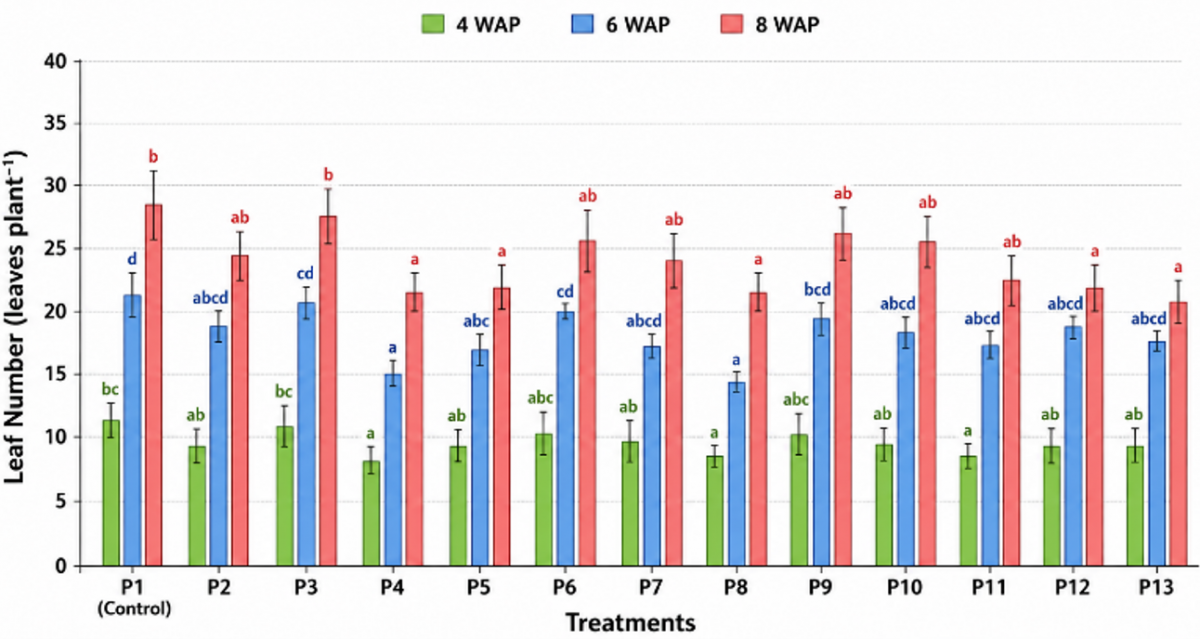
The application of integrated organic and biological amendments significantly influenced the vegetative growth performance of shallot plants, particularly in terms of leaf development during different growth stages. Leaf number observations at 4, 6, and 8 WAP demonstrated varying responses among treatment combinations, indicating differences in nutrient availability and plant adaptation under sandy soil conditions. The effects of treatments on leaf number at different growth stages are presented in Figure 4.
In general, treatments combining organic fertilizer, humic acid, and mycorrhizal inoculation promoted greater vegetative growth compared to the control treatment. The dynamic changes in leaf number across observation periods suggest that integrated soil amendments contributed to improved physiological activity and photosynthetic capacity during plant development.
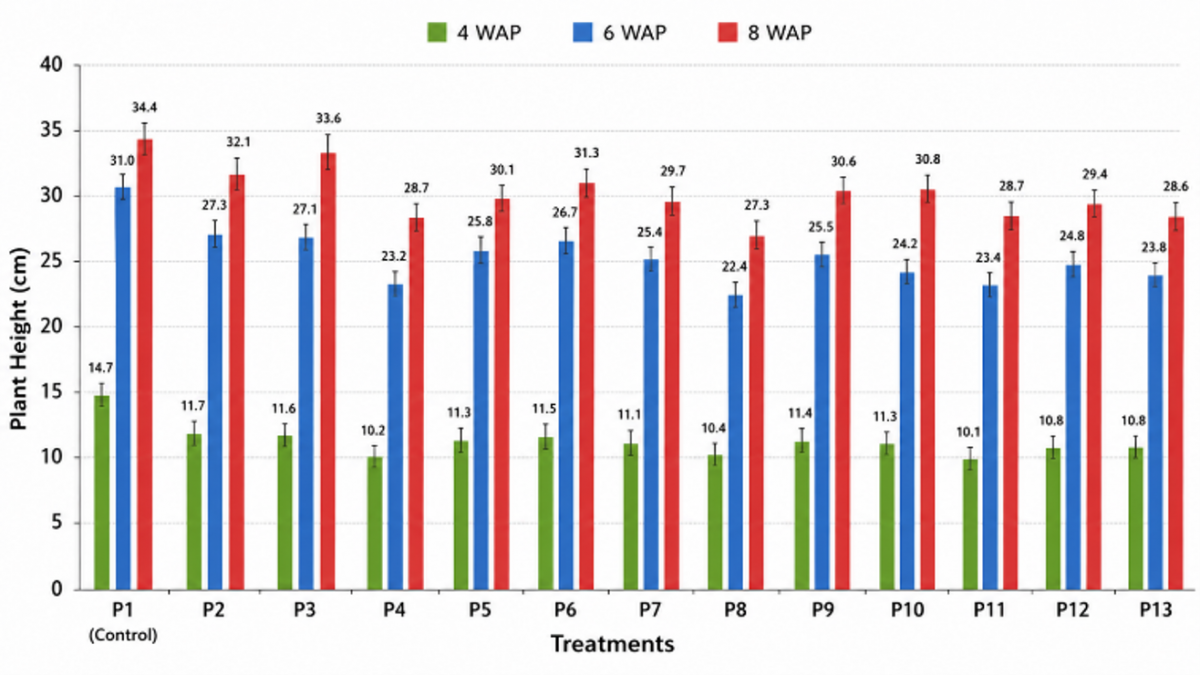
The application of integrated organic and biological amendments showed varying effects on shallot plant height during the observation period. Although statistical analysis indicated that plant height was not significantly different among treatments at several growth stages, a gradual increase in plant height was consistently observed from 4 to 8 WAP. Treatments combining organic fertilizer, humic acid, and mycorrhizal inoculation generally produced taller plants compared to treatments with lower amendment combinations. The highest plant height at 8 WAP was observed in treatments P1 and P3, while several moderate-input combinations such as P6, P9, and P10 also demonstrated relatively high vegetative performance. These findings suggest that integrated amendments contributed to improved nutrient availability and plant physiological activity under sandy soil conditions, although the response of plant height remained less sensitive than leaf development and yield parameters. The effect of treatments on shallot plant height at different growth stages is presented in Figure 5.
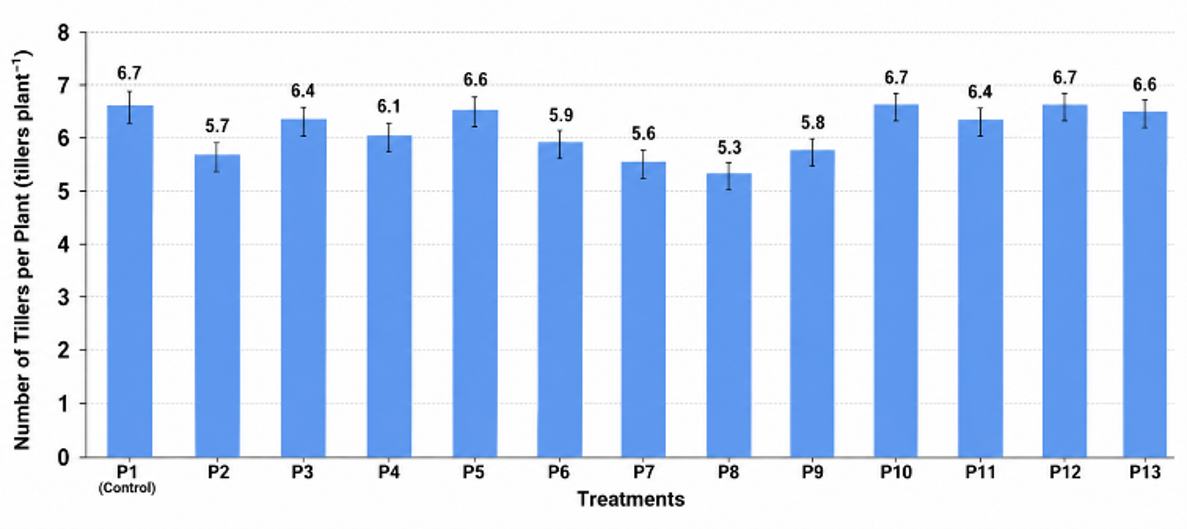
The number of tillers produced by shallot plants showed relatively small variation among treatments, indicating that integrated organic and biological amendments had a limited effect on tiller formation under sandy soil conditions. Statistical analysis revealed that differences among treatments were generally not significant, although several treatment combinations demonstrated a tendency toward higher tiller production. Treatments P1, P5, P10, P12, and P13 produced the highest average number of tillers, while lower values were observed in P7 and P8.
The relatively stable tiller number across treatments suggests that tiller formation in shallot plants may be more strongly influenced by genetic characteristics and environmental adaptation than by nutrient input alone. Nevertheless, the slight increase observed under several integrated amendment treatments indicates that improvements in soil fertility and root-zone conditions may support cell division and lateral shoot development. Enhanced organic matter content and microbial activity likely contributed to a more favorable rhizosphere environment, thereby supporting vegetative propagation and early plant establishment in sandy soils.
Although the increase in tiller number was not consistently associated with the highest fertilizer input, moderate combinations of organic fertilizer, humic acid, and mycorrhizal inoculation tended to maintain better vegetative balance and plant vigor. This finding further supports the concept that balanced nutrient management is more effective than excessive input application in optimizing shallot growth under marginal sandy soil conditions. The comparison of tiller number among treatments is presented in Figure 6.
3.2.2 Yield response
Yield parameters, including bulb diameter, fresh bulb weight, and dry bulb weight, were significantly influenced by treatment application (p < 0.05), indicating strong responsiveness to fertility improvement.
(1) Bulb diameter
Bulb diameter varied significantly among treatments, ranging from 20.21 to 24.24 mm. The largest diameter was recorded in P6 (24.24 mm), followed by P8, P11, and P10, all of which involved moderate to high organic fertilizer combined with humic acid and mycorrhiza. However, treatments with the highest input levels (e.g., P13) did not produce the largest bulbs, suggesting that excessive inputs do not necessarily enhance assimilate partitioning to storage organs. Table 8 shows the effect of treatments on the bulb diameter of shallot using DMRT.
Table 8. Effect of treatments on bulb diameter of shallot
|
Treatment |
Bulb Diameter (mm) |
|
P1 |
22.37 ± 1.92 abcd |
|
P2 |
22.63 ± 2.43 bcd |
|
P3 |
22.39 ± 2.40 abcd |
|
P4 |
21.20 ± 2.18 abc |
|
P5 |
20.63 ± 2.92 ab |
|
P6 |
24.24 ± 1.87 d |
|
P7 |
23.08 ± 2.51 cd |
|
P8 |
23.48 ± 2.27 cd |
|
P9 |
21.19 ± 2.34 abc |
|
P10 |
23.24 ± 2.73 cd |
|
P11 |
23.35 ± 1.84 cd |
|
P12 |
21.45 ± 2.28 abc |
|
P13 |
20.21 ± 2.13 a |
(2) Fresh bulb yield
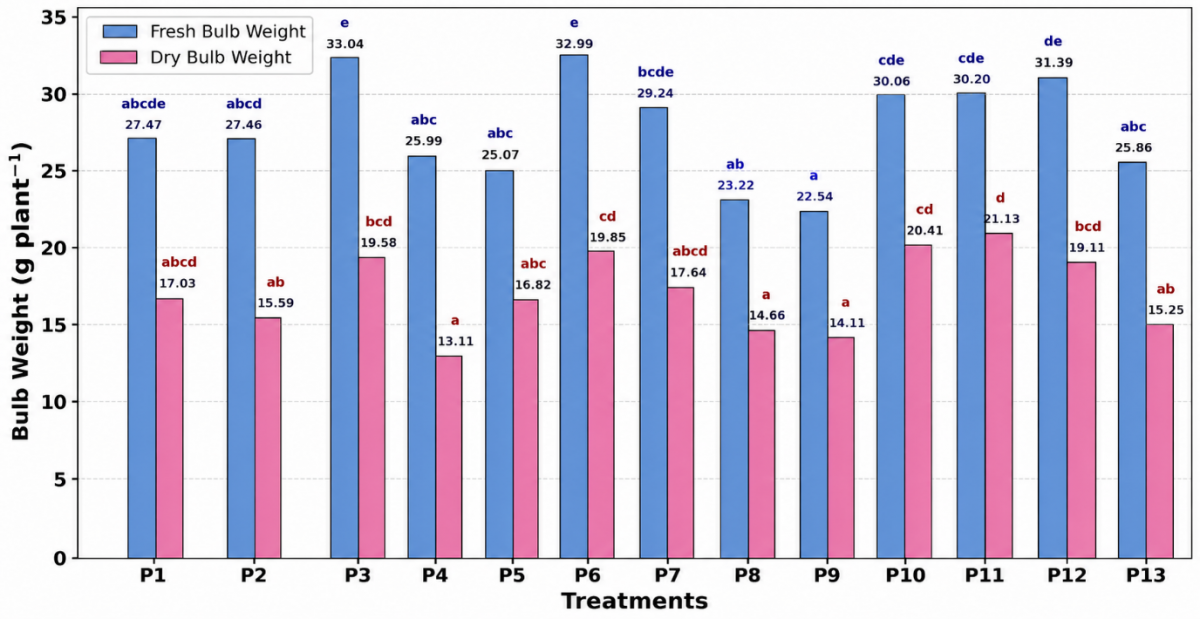
Fresh bulb yield per clump showed a clear response pattern, with the highest yields obtained in P3 (33.04 g) and P6 (32.90 g), followed by P12 (31.39 g). These results indicate that moderate and balanced combinations of inputs are more effective than maximum input applications. Conversely, treatments such as P8 and P9 produced lower yields despite relatively high input levels, reinforcing the concept of diminishing returns.
(3) Dry bulb yield
A similar trend was observed in dry bulb weight, with the highest value recorded in P11, followed by P10 and P6. This suggests that biomass accumulation is optimized under balanced nutrient conditions, where nutrient availability and uptake efficiency are aligned. Table 9 shows the effect of treatments on fresh and dry bulb yield of shallot using DMRT.
To provide stronger support for the optimum treatment combinations argument, an evaluation of shallot yield performance was conducted based on three yield-related parameters: bulb diameter, fresh bulb yield, and dry bulb yield in Table 10. Several balanced and non-maximum amendment combinations produced more favorable yield performance than the highest combined input treatment. Although P13 was not consistently the poorest treatment across all parameters, it did not achieve the highest bulb diameter, fresh bulb yield, or dry bulb yield. This indicates that maximum combined input application did not necessarily result in the highest shallot productivity under sandy soil conditions.
Table 9. Effect of treatments on fresh and dry bulb yield of shallot
|
Treatment |
Fresh Yield (g) |
Dry Yield (g) |
|
P1 |
28.03 ± 6.38 abcde |
17.03 abcd |
|
P2 |
27.46 ± 6.04 abcd |
15.67 ab |
|
P3 |
33.04 ± 6.96 e |
19.36 bcd |
|
P4 |
25.99 ± 5.81 abc |
13.51 a |
|
P5 |
25.07 ± 5.88 abc |
16.68 abc |
|
P6 |
32.90 ± 4.20 e |
19.85 cd |
|
P7 |
29.24 ± 3.26 bcde |
17.65 abcd |
|
P8 |
24.20 ± 2.99 ab |
14.66 a |
|
P9 |
23.54 ± 5.51 a |
14.11 a |
|
P10 |
30.06 ± 5.40 cde |
20.55 cd |
|
P11 |
30.30 ± 5.46 cde |
21.13 d |
|
P12 |
31.39 ± 3.03 de |
19.33 bcd |
|
P13 |
25.84 ± 2.56 abc |
15.25 ab |
Table 10. Evaluation of shallot yield performance under different amendment combinations
|
Treatment |
Organic Fertilizer (ton ha⁻¹) |
Humic Acid (g plant⁻¹) |
Mycorrhiza (g plant⁻¹) |
Bulb Diameter (mm) |
Fresh Yield (g) |
Dry Yield (g) |
|
P1 |
0 |
0 |
0 |
22.37 |
28.03 |
17.03 |
|
P2 |
0 |
30 |
30 |
22.63 |
27.46 |
15.67 |
|
P3 |
0 |
30 |
60 |
22.39 |
33.04 |
19.36 |
|
P4 |
0 |
60 |
30 |
21.20 |
25.99 |
13.51 |
|
P5 |
0 |
60 |
60 |
20.63 |
25.07 |
16.68 |
|
P6 |
4 |
30 |
30 |
24.24 |
32.90 |
19.85 |
|
P7 |
4 |
30 |
60 |
23.08 |
29.24 |
17.65 |
|
P8 |
4 |
60 |
30 |
23.48 |
24.20 |
14.66 |
|
P9 |
4 |
60 |
60 |
21.19 |
23.54 |
14.11 |
|
P10 |
6 |
30 |
30 |
23.24 |
30.06 |
20.55 |
|
P11 |
6 |
30 |
60 |
23.35 |
30.30 |
21.13 |
|
P12 |
6 |
60 |
30 |
21.45 |
31.39 |
19.33 |
|
P13 |
6 |
60 |
60 |
20.21 |
25.84 |
15.25 |
No single treatment consistently achieved the highest value across all measured parameters. Instead, different amendment combinations promoted different aspects of plant growth and yield performance. The application of integrated organic and biological amendments significantly affected both the fresh and dry bulb weight of shallot plants cultivated in sandy soils. Variations in bulb biomass among treatments indicate differences in nutrient availability, root activity, and assimilate accumulation during bulb development. In general, treatments receiving balanced combinations of organic fertilizer, humic acid, and mycorrhizal inoculation produced higher bulb weights compared to lower or unbalanced input combinations. Fresh bulb weight reflects the overall capacity of plants to accumulate water and assimilates during growth, whereas dry bulb weight represents the actual biomass accumulation and yield stability after moisture reduction. Several treatments, particularly P3, P6, P10, P11, and P12, exhibited comparatively higher values for one or more yield parameters, indicating that different amendment combinations favored different aspects of bulb development. The comparison of fresh and dry bulb weight among treatments is presented in Figure 7.
3.2.3 Evaluation of yield performance under different amendment combinations
Although higher organic inputs improved several soil properties, excessive amendment combinations did not consistently enhance bulb productivity. This indicates that soil fertility improvement alone does not automatically translate into maximum crop yield. Instead, balanced nutrient availability and efficient soil–plant–microbe interactions appear to play a more critical role in optimizing assimilate partitioning and bulb development.
Across all yield parameters, a general pattern emerged, indicating that the highest productivity was not achieved under the highest input levels, but rather under balanced and moderate combinations of organic fertilizer, humic acid, and mycorrhizal inoculation. This finding suggests that several treatment combinations performed better than the highest combined input treatment, indicating a non-linear response among the tested amendment combinations.
The observed non-linear response reflects the complexity of soil–plant interactions in sandy environments. At excessive input levels, nutrient-use efficiency tends to decline due to oversupply and potential nutrient imbalance, which can disrupt physiological processes. Furthermore, high concentrations of organic and biological inputs may alter soil chemical equilibrium and interfere with beneficial plant–microbe interactions, particularly in systems with inherently low buffering capacity such as sandy soils. These conditions can ultimately limit the effective allocation of assimilates toward bulb formation, thereby reducing yield efficiency.
In contrast, moderate and balanced input combinations appear to create more favorable conditions for nutrient uptake, microbial activity, and root development, resulting in more efficient biomass production and partitioning. Therefore, the results suggest that higher productivity in sandy soils may be achieved through balanced and strategic combinations of soil fertility inputs rather than through input maximization. This finding underscores the importance of adopting integrated and site-specific fertility management approaches to enhance resource-use efficiency and ensure sustainable shallot production in marginal sandy agroecosystems.
Although several physiological and microbiological mechanisms may explain the observed responses, parameters such as root traits, mycorrhizal colonization, nutrient uptake efficiency, and photosynthetic performance were not directly measured in the present study. Therefore, the proposed mechanisms should be considered as plausible explanations rather than direct evidence
The application of integrated organic and biological amendments modified several soil fertility characteristics and enhanced shallot (Allium ascalonicum L.) productivity under sandy soil conditions. The incorporation of organic fertilizer, humic acid, and mycorrhizal inoculation increased soil organic carbon and was associated with changes in nutrient availability and microbial populations.
Plant growth and yield responses indicated that integrated fertility management generally supported shallot growth and bulb production under sandy soil conditions, although responses varied among the measured parameters. The integrated productivity evaluation indicated that no single treatment consistently achieved the highest value across all yield parameters. Treatment P6 produced the largest bulb diameter and among the highest bulb yields, whereas the highest fresh and dry bulb weights were observed in treatments P3 and P11, respectively. These findings suggest a non-linear response pattern, in which several balanced amendment combinations produced favorable yield responses compared with the highest combined input treatment.
The findings indicate that optimizing amendment combinations may be more important than maximizing input levels for improving crop performance in sandy soils. Balanced interactions among soil nutrients, organic matter, and beneficial microorganisms may have contributed to improved bulb formation and productivity, although the underlying physiological and microbiological mechanisms were not directly evaluated in this study.
Integrated soil fertility management using organic fertilizer, humic acid, and mycorrhizal inoculation represents a promising approach for improving shallot production in sandy agroecosystems. However, the present findings are limited to the site conditions, growing season, and treatment combinations evaluated in this study. Therefore, further research across multiple seasons, locations, and soil conditions is required to validate the consistency and broader applicability of these results.
The authors gratefully acknowledge the support of the Directorate General of Research and Development and the Directorate of Research and Community Service at the Ministry of Higher Education, Science, and Technology, with number 659 / PL17.4 / PG / 2025, through the decree that enabled this research.
[1] Alghamdi, A.G., Majrashi, M.A., Ibrahim, H.M. (2023). Improving the physical properties and water retention of sandy soils by the synergistic utilization of natural clay deposits and wheat straw. Sustainability, 16(1): 46. https://doi.org/10.3390/su16010046
[2] Matichenkov, V., Bocharnikova, E., Campbell, J. (2020). Reduction in nutrient leaching from sandy soils by Si-rich materials: Laboratory, greenhouse and filed studies. Soil and Tillage Research, 196: 104450. https://doi.org/10.1016/j.still.2019.104450
[3] Liu, Y., Lan, X., Hou, H., Ji, J., Liu, X., Lv, Z. (2024). Multifaceted ability of organic fertilizers to improve crop productivity and abiotic stress tolerance: Review and perspectives. Agronomy, 14(6): 1141. https://doi.org/10.3390/agronomy14061141
[4] Zheng, X., Wei, L., Lv, W., et al. (2023). Long-term bioorganic and organic fertilization improved soil quality and multifunctionality under continuous cropping in watermelon. Agriculture, Ecosystems & Environment, 359: 108721. https://doi.org/10.1016/j.agee.2023.108721
[5] Maffia, A., Oliva, M., Marra, F., Mallamaci, C., Nardi, S., Muscolo, A. (2025). Humic substances: Bridging ecology and agriculture for a greener future. Agronomy, 15(2): 410. https://doi.org/10.3390/agronomy15020410
[6] Khurshid, A., Rashid, R., Malik, A.R., et al. (2026). Biostimulants and fruit crop performance: Mechanistic insights and agronomic outcomes. Scientia Horticulturae, 360: 114773. https://doi.org/10.1016/j.scienta.2026.114773
[7] Wahab, A., Muhammad, M., Munir, P. (2023). Role of arbuscular mycorrhizal fungi in regulating growth, enhancing productivity, and potentially influencing ecosystems under abiotic and biotic stresses. Plants, 12(17): 3102. https://doi.org/10.3390/plants12173102
[8] Valenzuela-Aragon, B., Cardinale, M., Rolli, E., Rustioni, L., Francioli, D. (2025). The role of arbuscular mycorrhizal fungi in abiotic stress management in viticulture under climatic shifts. Plant Stress, 16: 100863. https://doi.org/10.1016/j.stress.2025.100863
[9] Sui, X., Wang, L., Lv, X., et al. (2025). Influence of composite amendments on the characteristics of sandy soil. Sustainability, 17(17): 7619. https://doi.org/10.3390/su17177619
[10] Kabato, W., Hailegnaw, N., Mutum, L., Molnar, Z. (2025). Managing soil health for climate resilience and crop productivity in a changing environment. Science of the Total Environment, 1000: 180460. https://doi.org/10.1016/j.scitotenv.2025.180460
[11] Zhao, Y., Chen, Y., Dai, H., Cui, J., Wang, L., Sui, P. (2021). Effects of organic amendments on the improvement of soil nutrients and crop yield in sandy soils during a 4-year field experiment in Huang-Huai-Hai Plain, Northern China. Agronomy, 11(1): 157. https://doi.org/10.3390/agronomy11010157
[12] Mugwanya, M., Kimera, F., Amna, S.M., Hadeer, H.H., Salem, M.F., Sewilam, H. (2026). Sustainable bioproduction of common bean: Improving sandy soil fertility, yield and seed quality with novel organic amendments. Advances in Agriculture, 2026(1): 1-18. https://doi.org/10.1155/aia/5949720
[13] Liang, X., Yu, S., Ju, Y., Wang, Y., Yin, D. (2025). Integrated management practices foster soil health, productivity, and agroecosystem resilience. Agronomy, 15(8): 1816. https://doi.org/10.3390/agronomy15081816
[14] Ghimire, S., Chhetri, B.P., Shrestha, J. (2023). Efficacy of different organic and inorganic nutrient sources on the growth and yield of bitter gourd (Momordica charantia L.). Heliyon, 9(11): e22135. https://doi.org/10.1016/j.heliyon.2023.e22135
[15] Lhaj, M.O., Moussadek, R., Sanad, H., et al. (2026). Compost improves soil fertility index and tomato (Lycopersicon esculentum L.) yield under drought: Integrating multivariate soil–plant modeling and Monte Carlo Simulation across sandy loam and silty clay soils. Frontiers in Sustainable Food Systems, 10: 1797471. https://doi.org/10.3389/fsufs.2026.1797471
[16] Batool, A., Zhang, K., Abbas, F., Akhtar, A., Mao, J. (2026). A comparative evaluation of soil amendments in mitigating soil salinization and modifying geochemical processes in Arid Land. Agronomy, 16(2): 222. https://doi.org/10.3390/agronomy16020222
[17] Singh, N.K., Sachan, K., Ranjitha G., et al. (2024). Building soil health and fertility through organic amendments and practices: A review. Asian Journal of Soil Science and Plant Nutrition, 10(1): 175-197. https://doi.org/10.9734/ajsspn/2024/v10i1224
[18] Rasheed, M.W., Tang, J., Sarwar, A., et al. (2022). Soil moisture measuring techniques and factors affecting the moisture dynamics: A comprehensive review. Sustainability, 14(18): 11538. https://doi.org/10.3390/su141811538
[19] Hicks, T.D., Kuns, C.M., Raman, C., Bates, Z.T., Nagarajan, S. (2022). Simplified method for the determination of total Kjeldahl Nitrogen in Wastewater. Environments, 9(5): 55. https://doi.org/10.3390/environments9050055
[20] Silva, R.G., Menezes, J.F.S., Berti, M.P.D.S., et al. (2023). Phosphorus extractors in soil under no-tillage system with 19 years of swine manure applications. Heliyon, 10(1): e23598. https://doi.org/10.1016/j.heliyon.2023.e23598
[21] Kaur, S., Chandel, S., Singh, K., Singh, D., Singh, V.K. (2024). Comparative assessment of extractants for available potassium in calcareous soil of Punjab. Communications in Soil Science and Plant Analysis, 55(13): 2009-2027. https://doi.org/10.1080/00103624.2024.2336577
[22] Krüger, D., Weng, A., Baecker, D. (2023). Development and application of an atomic absorption spectrometry-based method to quantify magnesium in leaves of Dioscorea Polystachya. Molecules, 29(1): 109. https://doi.org/10.3390/molecules29010109
[23] Bunu, S.J., Ebeshi, B.U., Kpun, H.F., Kashimawo, A.J., Vaikosen, E.N., Itodo, C.B. (2023). Atomic absorption spectroscopic (AAS) analysis of heavy metals and health risks assessment of some common energy drinks. Pharmacology and Toxicology of Natural Medicines, 3(1): 1-10. https://doi.org/10.52406/ptnm.v1i1.55
[24] Laoufi, H., Bachir, H., Hadj-Miloud, S., Clark, K. (2025). Comparative assessment of three methods for soil organic matter determination in calcareous soils, Eastern Algeria. Land, 14(10): 2030. https://doi.org/10.3390/land14102030
[25] Sinaga, R.A., Priatmadi, B.J., Ichriani, G.I., et al. (2024). Iron (Fe) nutrient dynamics in oil palm leaves. Plant Science Today, 11(3): 331-339. https://doi.org/10.14719/pst.3768
[26] Napoleon, A., Salsabila, N.G., Imanudin, M., Soleha, S., Hermawan, A., Bakri, B. (2025). Microbial status of burned tropical peat soils: A case study of Perigi peat soil, Ogan Komering Ilir, South Sumatra, Indonesia. Journal of Degraded and Mining Lands Management, 12(5): 8969-8974. https://doi.org/10.15243/jdmlm.2025.125.8969
[27] Gillard, J. (2020). One-way analysis of variance (ANOVA). In a First Course in Statistical Inference. Springer Undergraduate Mathematics Series, pp. 91-101. https://doi.org/10.1007/978-3-030-39561-2_6
[28] Janczyk, M., Pfister, R. (2023). One-way analysis of variance (ANOVA). In Understanding Inferential Statistics, pp. 97-125. https://doi.org/10.1007/978-3-662-66786-6_8
[29] Stoll, A. (2017). Post hoc tests: Duncan multiple range test. In the Sage Encyclopedia of Communication Research Methods, pp. 1297-1297. https://doi.org/10.4135/9781483381411.n448
[30] Yang, X., Liu, C., Liang, C., Wang, T., Tian, J. (2024). The phosphorus-iron nexus: Decoding the nutrients interaction in soil and plant. International Journal of Molecular Sciences, 25(13): 6992. https://doi.org/10.3390/ijms25136992